What Does the Rowing Machine Work on 2

The rowing machine works on your entire body, hitting major muscle groups like your legs, back, arms, and core. It also boosts cardiovascular fitness and burns serious calories. Whether you are a beginner or a seasoned athlete, understanding what the rowing machine works on helps you train smarter and see better results.
So, what does the rowing machine work on? The short answer is almost everything. A rowing machine workout targets your legs, back, arms, and core all at once. Few pieces of gym equipment can claim that kind of full-body reach.
Whether you are new to indoor rowing or looking to sharpen your technique, this guide breaks down exactly what muscles the rowing machine works, how settings change your results, and why this tool deserves a spot in your routine. We will also cover common mistakes and quick tips to help you get the most out of every session.
By the end of this read, you will know precisely what does the rowing machine work on and how to use it to reach your fitness goals. Let us dive in.
Key Takeaways
- Full-Body Workout: The rowing machine engages up to 86% of your muscles in every stroke.
- Legs and Glutes Lead: Your lower body drives the majority of the power during each pull.
- Core Stability Matters: A strong midsection keeps your form tight and prevents injury.
- Upper Body Benefits Too: Your back, shoulders, and arms all get worked with proper technique.
- Cardio and Strength Combined: Rowing builds endurance while also toning muscle.
- Damper Settings Change Everything: Adjusting resistance shifts which muscles work harder.
- Proper Form Is Key: Bad technique reduces results and raises injury risk.
📑 Table of Contents
What Does the Rowing Machine Work On?
A rowing machine gives you a full-body workout that combines strength and cardio. Every stroke pushes your body through a sequence of movements that fire up multiple muscle groups at once. This is why so many people call the rowing machine one of the best tools for a complete exercise session.
The rowing stroke has four main phases: the catch, the drive, the finish, and the recovery. Each phase works different muscles. During the drive, your legs push hard while your back and arms pull. During the recovery, your core stabilizes everything. The result is a smooth, flowing motion that trains your whole body.
If you want to understand the full picture, you can read more about what does the rowing machine work on your body for a deeper breakdown of each phase and the muscles involved.
Why Rowing Stands Out
Not all cardio machines work the same way. A treadmill mainly targets your lower body. A stationary bike focuses on your legs too. But a rowing machine pulls in your upper body and core as well. This makes it a rare find: a piece of equipment that delivers a true full-body workout in one session.
Rowing also puts very little stress on your joints. The smooth, gliding motion is gentle on your knees and hips. This makes it a great option for people who want a high-intensity workout without the pounding of running.
For those who want to explore what muscles do you work on a rowing machine, the answer is clear: almost all of them. From your quads to your lats, rowing keeps your body engaged start to finish.
The Muscles Hit During a Rowing Stroke
Let us get specific about what does the rowing machine work on at the muscle level. Understanding this helps you train with intention and fix weak spots in your form.
Legs and Glutes
Your legs do the heavy lifting during a rowing stroke. The drive phase starts with your quads, hamstrings, and glutes pushing against the footplate. This is where most of the power comes from. If your legs are strong, your rowing performance improves dramatically.
Think of it like a deadlift. Your hips extend and your legs straighten out. This builds real strength in your lower body over time. Regular rowing machine exercise can tone your glutes and build lean muscle in your legs.
Back and Shoulders
Once your legs reach full extension, your back takes over. Your lats, rhomboids, and traps all fire during the pull phase. Your shoulders also chip in to complete the movement.
This is great news for anyone looking to build a stronger back. Many people sit at desks all day and have weak upper backs. Rowing helps fix that imbalance. Over time, you will notice better posture and more upper-body strength.
Arms and Core
Your arms pull the handle toward your lower chest. Your biceps, forearms, and grip all get a workout. But the real unsung hero of the rowing stroke is your core.
Your abs and obliques stabilize your torso throughout every single stroke. Without a strong core, your power leaks out and your form falls apart. A rowing machine workout builds core endurance in a way that few other exercises can match.
For a complete look at how your core and other muscles respond to rowing, check out this guide on what are the benefits of a rowing machine workout to see how all these muscle groups benefit together.
How Rowing Machine Settings Change What You Work
The machine itself matters just as much as your technique. Different settings change which muscles work harder and how your body responds to each session.
The Damper Setting
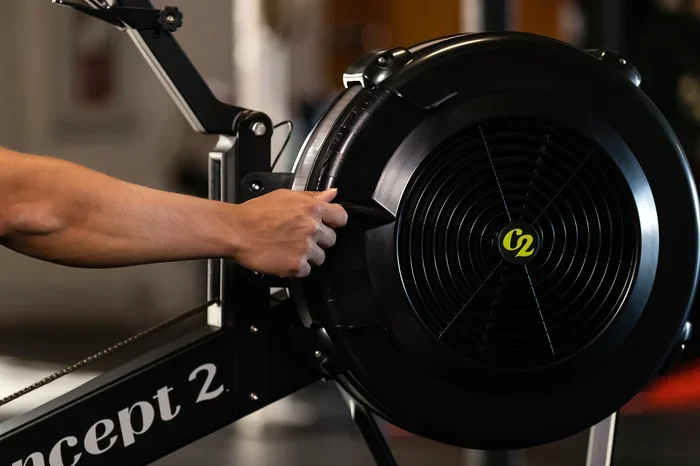
The damper controls how much air flows into the flywheel. A higher setting feels heavier. A lower setting feels lighter. Many beginners set the damper too high, thinking that equals a better workout. But that is a mistake.
A damper setting between 3 and 5 works well for most people. This gives you enough resistance to build strength without burning out too fast. If you want to learn more about how the damper affects your session, here is a detailed look at what does the damper do on a rowing machine.
Resistance and Stroke Rate
Resistance settings and stroke rate work together to shape your workout. High resistance with a slow stroke rate builds strength. Low resistance with a fast stroke rate builds endurance. Mixing both creates a balanced rowing machine training session.
Your rowing machine pace also matters. A steady pace of 18 to 24 strokes per minute is a solid starting point. As you get fitter, you can push that range higher.
Foot Placement and Grip
Small details like foot placement and grip change which muscles activate. Placing your feet higher on the footplate shifts more work to your glutes. Gripping the handle loosely saves your forearms for longer sessions.
These tweaks might seem minor, but they add up fast. Over weeks of consistent training, they make a real difference in your results and comfort level.
Rowing Machine Benefits for Your Whole Body
Beyond muscle engagement, the rowing machine offers a long list of health and fitness benefits. Here is why it earns a spot in so many workout routines.
Burns Calories Fast
A vigorous rowing session can burn 400 to 800 calories per hour, depending on your weight and intensity. This makes it one of the most efficient cardio machines for weight loss. You get a high calorie burn without the joint impact of running.
If you are curious about how many calories you actually burn, check out our guide on does the rowing machine burn a lot of calories for detailed numbers and tips.
Improves Heart Health
Rowing raises your heart rate and builds cardiovascular endurance. Over time, this strengthens your heart and lungs. Better cardiovascular fitness means more energy for everyday tasks and a lower risk of heart disease.
Even 20 minutes of moderate rowing a few times a week can make a noticeable difference. Consistency matters more than intensity when it comes to heart health.
Boosts Mental Health
Exercise releases endorphins, and rowing is no exception. The rhythmic motion of the stroke can feel almost meditative. Many people find that a rowing machine session clears their head and reduces stress.
Outdoor rowing adds fresh air and scenery to the mix. But even indoor rowing on a quiet morning can set a positive tone for your entire day.
Low Impact, High Reward
Rowing is gentle on your joints while still delivering a tough workout. This makes it ideal for people recovering from injuries or those with joint pain. You can push your cardiovascular system and build muscle without wrecking your knees or ankles.
The smooth gliding motion supports your body weight throughout the stroke. This is a huge advantage over exercises like running or jumping.
Common Mistakes That Reduce Results
Even the best rowing machine will not deliver great results if your form is off. Here are the most common mistakes and how to fix them.
Overloading Your Arms
Many beginners pull with their arms too early in the stroke. This strains your biceps and robs your legs of their power. The fix is simple: push with your legs first, then let your arms follow.
Think of the sequence as legs, then back, then arms. Reversing that order is the most common form error on the machine.
Rounding Your Lower Back
A rounded back puts pressure on your spine and limits your power. Keep your chest lifted and your core braced throughout every stroke. Your back should stay flat, not hunched.
If you feel soreness in your lower back after rowing, check your posture. It is usually the first sign that your form needs adjustment.
Rushing the Recovery
The recovery phase is just as important as the drive. Rushing it wastes energy and throws off your rhythm. Slow down during the recovery. Let your body reset before the next powerful drive.
A steady, controlled recovery actually helps you go faster over time. Patience on the recovery pays off on the drive.
How to Get the Most From Your Rowing Workout
Now that you know what does the rowing machine work on, here are practical tips to maximize every session.
Start with a Warm-Up
Spend 3 to 5 minutes rowing at a relaxed pace before you push hard. This warms your muscles and gets your joints ready. A good warm-up reduces injury risk and improves performance.
Mix Up Your Intervals
Try interval training on the rower. Row hard for 1 minute, then easy for 2 minutes. Repeat for 15 to 20 minutes. This type of rowing machine training boosts both endurance and power in less time than steady-state rowing.
Track Your Progress
Most modern rowers display your distance, time, strokes per minute, and watts. Use these numbers to set goals and track improvement. Watching your rowing performance go up over weeks is incredibly motivating.
Stay Consistent
The best results come from consistent training. Aim for 3 to 5 rowing sessions per week. Even 20-minute sessions add up fast when you stay committed.
For guidance on session length, check out our article on how long should I be on the rowing machine to find the right duration for your goals.
Listen to Your Body
Rowing is demanding, and recovery matters. If you feel pain (not just discomfort), take a break. Rest days let your muscles repair and grow stronger. Pushing through pain leads to injuries that set you back weeks.
Final Thoughts
So, what does the rowing machine work on? The answer is your entire body. From your legs and glutes to your back, arms, and core, the rowing machine delivers a rare and powerful full-body workout. It builds muscle, burns calories, improves heart health, and boosts your mood all at once.
With the right settings, proper form, and consistent effort, the rowing machine can become the centerpiece of your fitness routine. Start slow, focus on technique, and build from there. Your body will thank you for it.
Now that you know exactly what the rowing machine works on, it is time to grab a seat, set the damper, and row your way to better fitness. Happy rowing!
Frequently Asked Questions
What body parts does a rowing machine work?
A rowing machine works your legs, glutes, back, shoulders, arms, and core. It is one of the few machines that trains your entire body in a single movement. Each stroke engages up to 86% of your muscles.
Is rowing good for weight loss?
Yes, rowing burns a high number of calories and combines cardio with strength training. This makes it very effective for fat loss. A consistent rowing routine paired with a balanced diet delivers the best results.
How long should I row to see results?
Most people see noticeable improvements within 4 to 6 weeks of consistent rowing. Aim for 3 to 5 sessions per week, lasting 20 to 40 minutes each. Your results depend on your intensity and frequency.
Can beginners use a rowing machine?
Absolutely. Rowing machines are beginner-friendly because the motion is simple and low-impact. Start with short sessions at a comfortable pace and focus on learning proper form before increasing intensity.
What is the proper rowing technique?
The proper technique follows a sequence of legs, then back, then arms during the drive. During the recovery, reverse that order: arms, then back, then legs. Keeping your core engaged throughout protects your lower back and maximizes power.
Does rowing tone your stomach?
Yes, rowing engages your core with every stroke, which helps tone your abdominal muscles over time. However, visible abs also require a healthy diet and overall low body fat. Rowing is a great tool to support that goal.