What Does an Elliptical Work on Your Body
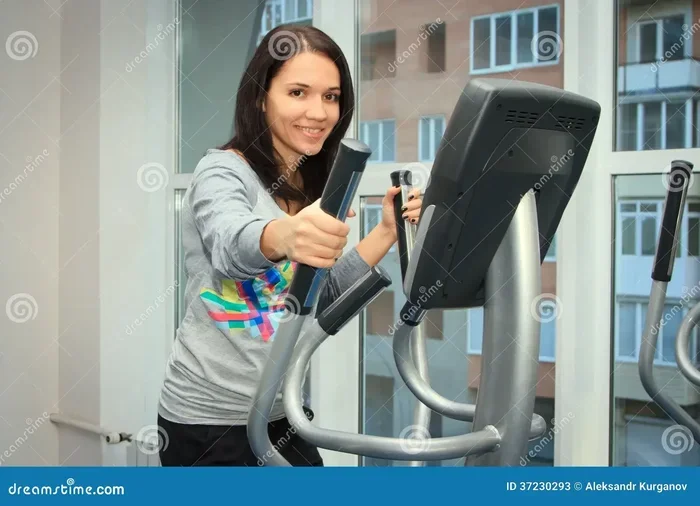
The elliptical is one of the most popular pieces of cardio equipment because it delivers a powerful full-body workout with minimal joint stress. It targets your legs, arms, core, and back while boosting cardiovascular health and burning serious calories. Whether you are a beginner or a seasoned gym-goer, understanding what does an elliptical work on your body helps you train smarter and get better results.
Key Takeaways
- Full-body engagement: The elliptical works your legs, arms, core, and back muscles simultaneously for a complete workout.
- Low-impact cardio: Unlike running, the elliptical protects your joints while still delivering serious cardiovascular benefits.
- Muscle toning: Regular elliptical sessions help tone your quadriceps, hamstrings, glutes, calves, and upper body muscles.
- Weight loss support: A consistent elliptical routine burns significant calories and supports fat loss when paired with a balanced diet.
- Core and balance: The pushing and pulling motion naturally engages your core, improving stability and posture.
- Beginner-friendly: The elliptical is easy to use, adjustable in intensity, and suitable for all fitness levels.
📑 Table of Contents
What Muscles Does an Elliptical Work?
The first thing most people want to know is what muscles does an elliptical work. The answer is almost all of them. Unlike machines that isolate single muscle groups, the elliptical machine engages your entire body in a smooth, continuous motion.
When you step onto an elliptical, your legs push and pull through the pedals while your arms move the handles at the same time. This coordinated movement fires up muscles from your shoulders all the way down to your toes. Let us break it down by body area.
Lower Body Muscles
Your lower body does the heavy lifting on the elliptical. Every stride activates several major muscle groups in your legs. The primary muscles worked include:
- Quadriceps: These muscles on the front of your thighs power the push-off phase of each stride. They work hard during the forward leg extension.
- Hamstrings: Located on the back of your thighs, your hamstrings help control the backward motion and assist in hip extension.
- Glutes: Your glute muscles get a solid workout every time you push off with your heels. Incline settings on some ellipticals make this activation even stronger.
- Calf muscles: Your calves stabilize your ankles and help with the toe-off portion of each step.
For a deeper look at exactly which lower body muscles get activated, check out this guide on what parts of the body does an elliptical work.
Upper Body Muscles
Many people overlook the upper body benefits of the elliptical. But the moving handlebars are not just there for balance. They actively engage your:
- Biceps and triceps: These arm muscles work together as you push and pull the handles.
- Shoulders: Your deltoids stabilize and control the arm movement throughout every stride.
- Back muscles: Your rhomboids and lats engage when you pull the handles toward your body. This helps improve posture over time.
How the Elliptic Benefits Your Cardiovascular System
One of the biggest reasons people choose the elliptical is for cardiovascular health. The elliptical delivers an excellent aerobic exercise session that raises your heart rate and keeps it elevated for extended periods. This is exactly what your heart and lungs need to grow stronger.
Because the motion is smooth and low-impact, you can sustain longer workout sessions without the jarring impact that running or jogging creates. This means your heart gets a consistent challenge without your joints paying the price.
Regular elliptical training has been linked to several heart-related benefits:
- Lower resting heart rate over time
- Improved blood circulation throughout the body
- Better oxygen delivery to working muscles
- Reduced risk of heart disease and stroke
If you want to learn more about the broader health advantages of this stationary fitness equipment, our detailed article on what does an elliptical machine do for your body covers everything in depth.
Why Low-Impact Cardio Matters
Not everyone can handle high-impact exercises. If you have bad knees, recovering from an injury, or just want to protect your joints long-term, the elliptical is a perfect choice. It gives you the intensity of a cardio workout without the stress on your ankles, knees, and hips. This makes it one of the best joint-friendly exercise options available.
Upper Body Workout on an Elliptical
As mentioned above, the moving handlebars turn the elliptical into a genuine arm workout. But here is something many people do not realize. The way you use the handles changes which upper body muscles get the most attention.
When you push the handles forward, your chest and triceps do more work. When you pull them back, your back muscles and biceps take over. This push-pull pattern creates a balanced upper body session that most machines simply cannot match.
Maximizing Upper Body Engagement
Here are a few quick tips to get the most from your upper body on the elliptical:
- Do not hold the handles lightly. Grip them firmly and push or pull with intention.
- Vary your arm motion. Alternate between pushing forward and pulling back during your session.
- Increase resistance. Higher resistance settings demand more effort from your arms and shoulders.
- Try interval training. Short bursts of high effort force your upper body muscles to work harder.
For more tips on getting a complete session, see our guide on what is a good workout on an elliptical machine.
Core Engagement on an Elliptical
Your core muscles work hard every time you use an elliptical. The core engagement happens naturally because you are standing and balancing while your legs and arms move in coordination. Your abdominal muscles, obliques, and lower back all fire together to keep you stable.
This constant core activation is one of the hidden benefits of the elliptical. Over time, it can improve your balance, posture, and overall stability. You do not need to do extra ab exercises because the machine already recruits your core with every stride.
How to Boost Core Activation
- Stand tall and avoid leaning on the handles. Let your core do the stabilizing work.
- Engage your abs by gently pulling your belly button toward your spine.
- Try pedaling backward. This shifts the emphasis and forces your core to adapt.
- Use the elliptical without arm handles if your machine allows it. This makes your core work even harder.
Elliptical for Weight Loss and Fat Burning
If your goal is weight loss, the elliptical can be a powerful tool. It burns a significant number of calories during each session, especially when you increase the resistance or duration. The fat burning potential of the elliptical makes it a go-to choice for people looking to shed extra pounds.
Because the elliptical is low-impact yet intense, you can work out for longer periods compared to high-impact activities. Longer sessions mean more calories burned, which directly supports your weight loss goals.
How Many Calories Can You Burn?
The number of calories you burn depends on your weight, intensity level, and workout duration. On average, a 155-pound person can burn roughly 330 to 400 calories in 30 minutes on the elliptical. Heavier individuals tend to burn more, while lighter individuals burn slightly fewer calories for the same effort.
For a detailed breakdown of calorie burn rates, take a look at our article on how many calories does running on an elliptical burn.
Elliptical vs. Other Machines for Weight Loss
Here is a quick comparison of how the elliptical stacks up against other popular cardio machines when it comes to calorie burn and joint impact.
| Machine | Calories (30 min) | Joint Impact | Full Body? |
|---|---|---|---|
| Elliptical | 330-400 | Low | Yes |
| Treadmill (running) | 300-450 | High | Lower body |
| Stationary Bike | 250-350 | Very Low | Lower body |
| Rowing Machine | 350-450 | Low | Yes |
| Jump Rope | 400-500 | High | Upper & Lower |
As you can see, the elliptical offers a strong calorie burn with low joint impact and full-body engagement. It sits in a sweet spot that few other machines can match.
How to Get the Most from Your Elliptical Workout
Knowing what does an elliptical work on your body is only half the battle. You also need to train effectively to see real results. Here are some proven strategies to maximize every session on the elliptical machine.
Set the Right Resistance
Many people hop on the elliptical and coast at the lowest resistance. While this is better than nothing, it does not challenge your muscles or cardiovascular system enough. Start with a moderate resistance level where you feel your legs working but can still maintain a steady pace. Gradually increase the resistance as your fitness improves.
Use Interval Training
Interval training is one of the most effective ways to boost your endurance training and burn more calories. Here is a simple interval routine to try:
- Warm up at low resistance for 3 minutes.
- Increase resistance to high for 1 minute. Push hard.
- Drop back to low resistance for 2 minutes. Recover.
- Repeat the high-low cycle 4 to 5 times.
- Cool down at low resistance for 3 minutes.
This type of training keeps your heart rate fluctuating, which burns more fat and builds better cardiovascular fitness than steady-state cardio.
Pay Attention to Posture
Good posture on the elliptical protects your back and core. Keep your shoulders back, chest up, and abs gently engaged. Avoid hunching over the handles. Your spine should stay neutral throughout the entire workout.
Mix Up Your Routine
Doing the exact same workout every day leads to plateaus. Change things up by:
- Varying resistance levels throughout the week
- Trying backward pedaling sessions
- Adjusting the incline if your elliptical has that feature
- Alternating between short intense sessions and longer moderate ones
For guidance on how long your sessions should be, read our article on how long should you work out on an elliptical.
Quick Tips for Elliptical Success
- Wear supportive shoes to reduce foot and ankle strain.
- Keep your feet flat on the pedals. Do not bounce on your toes.
- Use the handles actively rather than resting on them for balance.
- Track your heart rate to stay in the target zone for fat burning.
- Combine elliptical sessions with strength training for best results.
Common Mistakes to Avoid
- Leaning too much on the handles: This takes the work away from your legs and core.
- Going too fast without resistance: Speed without resistance gives you a false sense of effort.
- Ignoring warm-ups: Jumping straight into high intensity increases injury risk.
- Doing the same workout every day: Your body adapts quickly. Variety is essential.
- Skipping rest days: Recovery days help your muscles grow stronger and prevent burnout.
Expert Insights
Fitness professionals often recommend the elliptical as a base for building cardiovascular health before moving to more intense activities. Certified personal trainer Sarah Collins notes, “The elliptical is underrated. It gives you a full-body workout that is gentle on joints, and most people underestimate how much muscle it actually activates when used correctly.” She recommends adding resistance and varying the pace every 2 to 3 minutes for maximum benefit.
Conclusion
So what does an elliptical work on your body? The answer is simple and impressive. The elliptical machine delivers a full-body workout that targets your legs, arms, core, and back while giving your heart and lungs a serious workout. It is a low-impact cardio option that supports weight loss, muscle toning, endurance training, and overall fitness without putting stress on your joints.
Whether you are just starting your fitness journey or looking for a sustainable way to stay in shape, the elliptical checks every box. Use the tips in this guide to train smarter, avoid common mistakes, and get the most from every session. Your body will thank you.
Frequently Asked Questions
Is the elliptical good for building muscle?
Yes, the elliptical works multiple muscle groups including your quadriceps, hamstrings, glutes, calves, arms, shoulders, and core. While it is primarily a cardio machine, the resistance and push-pull motion help tone and strengthen muscles across your entire body.
How often should I use the elliptical for best results?
For most people, 3 to 5 sessions per week lasting 20 to 40 minutes each is ideal. Mix in rest days to allow your muscles to recover. If you combine the elliptical with strength training, aim for 3 to 4 cardio sessions per week.
Can I lose weight just by using the elliptical?
The elliptical is an excellent tool for weight loss because it burns a significant number of calories with low joint impact. However, the best results come from pairing regular elliptical sessions with a balanced, calorie-conscious diet and some strength training.
Is the elliptical better than running for beginners?
For most beginners, the elliptical is a better starting point than running. It provides similar cardiovascular benefits with much less stress on your joints. The smooth, controlled motion makes it easier to maintain proper form and build endurance safely.
Does the elliptical work your back muscles?
Yes, your back muscles are engaged during every elliptical session. The pulling motion on the handles activates your rhomboids, lats, and upper back. Maintaining proper posture on the machine further strengthens your lower back and spinal stabilizers.
What is the best time of day to use the elliptical?
The best time is whenever you can stay consistent. Some people prefer morning sessions to kickstart their metabolism, while others find afternoon or evening workouts more energizing. The key is to make it a regular habit rather than focusing on timing.