What Burns More Calories Exercise Bike or Elliptical
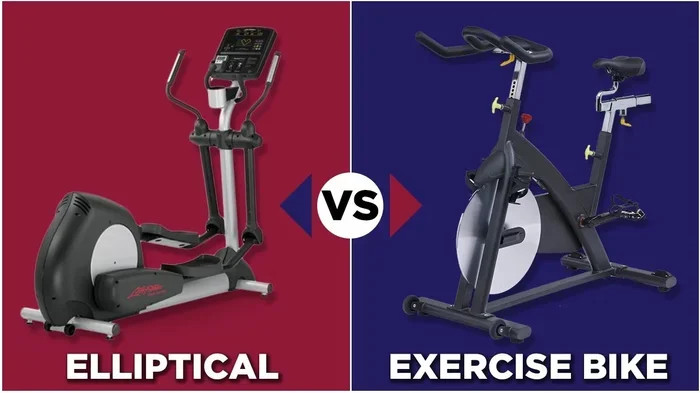
The elliptical generally burns more calories than the exercise bike because it engages your entire body. However, calorie burn depends on intensity, your fitness level, and how hard you push yourself. Both machines offer excellent cardio workouts for weight loss.
Key Takeaways
- Ellipticals burn more calories: The elliptical engages more muscle groups, leading to higher overall calorie expenditure.
- Exercise bikes are joint-friendly: A stationary bike puts less stress on your knees and joints, making it ideal for beginners.
- Intensity matters most: Either machine can help you lose weight if you work at a high enough intensity.
- Muscle engagement differs: The elliptical works your arms and legs together, while the bike focuses mainly on your lower body.
- Interval training boosts burn: HIIT on either machine significantly increases your calorie expenditure.
- Your fitness goals matter: Choose based on your goals, physical condition, and personal preferences.
📑 Table of Contents
- What Burns More Calories: Exercise Bike or Elliptical?
- Understanding Calorie Burn on Cardio Machines
- The Exercise Bike: A Closer Look
- The Elliptical: A Full-Body Workout
- Head-to-Head Comparison
- Choosing the Right Machine for Your Goals
- How to Maximize Calorie Burn on Either Machine
- Expert Insights: What Trainers Say
- Common Mistakes to Avoid
- Quick Tips for Beginners
- Conclusion: Which Machine Is Right for You?
What Burns More Calories: Exercise Bike or Elliptical?
If you are trying to lose weight, you have probably spent a lot of time staring at the cardio section of your gym. The exercise bike and the elliptical are two of the most popular machines out there. Both promise great workouts. But which one actually helps you burn more calories?
The answer is not as simple as picking one machine and calling it a winner. Your body, your effort level, and your fitness goals all play a role. In this article, we break down everything you need to know. We compare the exercise bike and the elliptical side by side so you can make the best choice for your workout routine.
Whether you are a beginner or a seasoned gym-goer, understanding how these machines work will help you get the most out of every session. Let us dive in.
Understanding Calorie Burn on Cardio Machines
How Calorie Burn Works
Before we compare the two machines, let us talk about how your body burns calories during exercise. Your body uses energy to move. The more muscles you activate, the more energy you use. This means more calories burned.
Several factors affect how many calories you burn on any machine:
- Body weight: Heavier individuals burn more calories doing the same activity.
- Intensity: Working harder means burning more calories in less time.
- Duration: Longer sessions burn more total calories.
- Muscle engagement: More muscles working equals higher energy expenditure.
- Fitness level: Trained bodies become more efficient, sometimes burning fewer calories for the same effort.
These factors apply to both the exercise bike and the elliptical. But the machines differ in how they engage your body. That difference is what drives the calorie burn gap between them.
Why Machine Design Matters
The shape and mechanics of a cardio machine determine which muscles you use. An elliptical is a full-body workout. You push and pull with your arms while your legs glide in a smooth motion. A stationary exercise bike mostly works your legs. Your upper body stays relatively still.
More muscles working means your heart rate goes up faster. A higher heart rate means your body demands more oxygen. That increased demand drives up your calorie expenditure. This is why the elliptical usually comes out ahead in raw calorie burn numbers.
The Exercise Bike: A Closer Look
How It Works
The exercise bike is simple. You sit down, pedal, and spin. There are two main types: the upright bike and the recumbent bike. Both offer a low-impact cardiovascular workout that is easy on your joints.
Most bikes come with adjustable resistance levels. You can increase the tension to make pedaling harder. Some models also offer preset programs that simulate hill climbs or interval training.
Muscle Engagement on the Bike
The exercise bike primarily targets your lower body. Key muscles include:
- Quadriceps
- Hamstrings
- Calves
- Glutes
- Hip flexors
Your core muscles work to keep you stable. Your arms stay relaxed on the handlebars. This focused engagement makes the bike great for building leg strength and endurance. But it limits the total number of muscles involved in the workout.
Calorie Burn on the Exercise Bike
On average, a 155-pound person burns around 260 to 300 calories in 30 minutes on a moderate-intensity exercise bike. Push to high intensity, and that number can climb to 400 or more. You can learn more about maximizing your effort by checking out how to burn more calories on a stationary bike.
The bike is excellent for steady-state cardio. It is also perfect for people who need a joint-friendly exercise. If you have bad knees or are recovering from an injury, the bike is often the safer choice.
The Elliptical: A Full-Body Workout
How It Works
The elliptical machine lets you glide in a smooth, flowing motion. You stand up and hold moving handles while your feet stay on the pedals. This creates a low-impact workout that feels natural and easy on the joints.
Most ellipticals offer adjustable resistance and incline settings. Some models even let you pedal backward, which changes the muscle focus and adds variety to your routine.
Muscle Engagement on the Elliptical
Here is where the elliptical really shines. The moving handles engage your upper body. Key muscles include:
- Shoulders
- Biceps and triceps
- Chest
- Back muscles
- Core
- Plus all the lower body muscles (quads, hamstrings, glutes, calves)
This is essentially a full-body workout. More muscles firing at once means your body burns fuel faster. Your heart rate rises quickly. Your aerobic capacity gets a serious challenge.
Calorie Burn on the Elliptical
For the same 155-pound person exercising at moderate intensity, the elliptical burns roughly 330 to 400 calories in 30 minutes. At high intensity, the number can reach 500 or more. That is significantly more than the exercise bike.
The elliptical also supports interval training very well. You can alternate between fast bursts and recovery periods. This HIIT approach torches calories and keeps your metabolic rate elevated for hours after your workout.
Head-to-Head Comparison
Calorie Burn Comparison Table
Here is a quick look at how the two machines stack up for a 155-pound person:
| Factor | Exercise Bike | Elliptical |
|---|---|---|
| Moderate intensity (30 min) | 260-300 calories | 330-400 calories |
| High intensity (30 min) | 350-400+ calories | 450-500+ calories |
| Muscle groups engaged | Lower body | Full body |
| Joint impact | Very low | Low |
| Skill level needed | Beginner-friendly | Beginner-friendly |
| Best for | Steady cardio, rehab | Weight loss, endurance |
Which Burns More Calories?
Based on the numbers, the elliptical burns more calories than the exercise bike in most scenarios. The full-body engagement drives higher energy expenditure. It also pushes your heart rate higher in less time.
But here is the important part. A calorie burn number on a machine display is just an estimate. Your actual burn depends on how hard you work. A person who pedals furiously on a bike for 45 minutes will likely burn more calories than someone casually gliding on an elliptical for 20 minutes. Effort always wins.
If you want a deeper comparison between these two specific machines, check out this detailed guide on elliptical vs exercise bike for more insights.
Choosing the Right Machine for Your Goals
For Weight Loss
If your primary goal is to shed pounds, the elliptical has the edge. It burns more calories per minute and works your entire body. Combine it with a healthy diet, and you will see results faster.
That said, the exercise bike is still a solid tool for weight loss. It is easier to sustain for longer periods. Many people find the bike more comfortable, especially if they are just starting their fitness journey. You can always increase the duration to match the calorie burn of a shorter elliptical session.
For Building Endurance
Both machines build cardiovascular endurance. The elliptical offers a more demanding workout, making it great for athletes looking to push their limits. The bike is excellent for building leg endurance and is easier on your body during long training sessions.
For Joint Health and Recovery
If you have joint issues, arthritis, or are recovering from surgery, the exercise bike is your best friend. It supports your body weight while removing almost all impact from your knees and ankles. The elliptical is also low-impact, but the standing position and handle movements may be uncomfortable for some users.
For a more detailed look at choosing between these machines for your specific needs, you can read about treadmill vs exercise bike calorie burn comparisons to understand how different cardio machines stack up.
For Overall Fitness
The elliptical wins for overall fitness. It trains your heart, lungs, arms, and legs simultaneously. It also supports interval training, which improves your aerobic capacity faster than steady-state workouts.
How to Maximize Calorie Burn on Either Machine
Try Interval Training
Interval training is the single most effective way to boost your calorie burn. Alternate between 30 seconds of all-out effort and 60 seconds of easy recovery. Repeat for 15 to 20 minutes. This technique spikes your metabolic rate and keeps it elevated long after you stop exercising.
Increase Resistance
Do not just spin the pedals or glide effortlessly. Crank up the resistance. Higher resistance means your muscles work harder. That means more energy used and more calories burned. Aim to challenge yourself during every session.
Focus on Form
Good form ensures you are working the right muscles. On the bike, keep your core tight and avoid leaning too much on the handlebars. On the elliptical, push and pull through your arms. Do not hold the handles passively. Engage your whole body.
Track Your Heart Rate
Wearing a heart rate monitor helps you stay in the right zone. For fat loss, aim for 60 to 80 percent of your maximum heart rate. This is often called the fat-burning zone. Working at this intensity keeps your body fueled by stored energy.
Stay Consistent
The best machine is the one you will actually use. If you hate the elliptical, you will not stick with it. If the bike feels fun and comfortable, you will show up every day. Consistency beats intensity when it comes to long-term results.
Expert Insights: What Trainers Say
Most fitness trainers agree that the elliptical provides a more complete workout in less time. However, they also emphasize that the best exercise is the one you enjoy. Many trainers recommend alternating between the two machines. This approach prevents boredom, works your muscles differently, and keeps your body challenged.
Trainers also warn against relying solely on machine calorie readouts. These numbers are often inflated. Instead, focus on how hard you feel you are working. If you are breathing hard and sweating, you are burning serious calories regardless of what the display says.
Common Mistakes to Avoid
- Going too easy: Low-intensity sessions burn far fewer calories. Push yourself for real results.
- Ignoring upper body: On the elliptical, do not skip the handles. Use them for a full workout.
- Staying on the bike too long: Long, slow sessions can plateau your results. Add variety.
- Not adjusting resistance: Keeping resistance low makes the workout too easy. Increase it gradually.
- Skipping warm-up: Jumping straight into high intensity raises your injury risk. Warm up for 5 minutes first.
Quick Tips for Beginners
- Start with 15-minute sessions on either machine.
- Choose a comfortable resistance level where you can talk but not sing.
- Gradually increase your session length by 5 minutes each week.
- Try interval training after two weeks of steady workouts.
- Listen to your body. Rest when needed. Progress takes time.
Conclusion: Which Machine Is Right for You?
So, what burns more calories: the exercise bike or the elliptical? The elliptical generally wins in terms of raw calorie burn because it works your entire body. It engages your arms, legs, and core all at once. That full-body effort drives up your energy expenditure and pushes your cardiovascular system harder.
But the exercise bike holds its own. It is incredibly joint-friendly, simple to use, and effective for steady cardio. If you are a beginner, have joint issues, or prefer seated workouts, the bike is a fantastic choice. You can always increase duration and intensity to match your calorie burn goals.
The real secret is this: the best machine is the one that matches your goals and keeps you coming back. Weight loss comes down to consistency, effort, and a balanced diet. Whether you choose the bike or the elliptical, commit to your workouts and push yourself. You will see results.
So head to the gym, pick the machine that feels right, and start pedaling or gliding your way to a fitter you. Your calorie-burning journey starts now.
Frequently Asked Questions
Does the elliptical burn more calories than the exercise bike?
Generally, yes. The elliptical burns more calories because it engages your entire body, including your arms and core. A 30-minute elliptical session can burn 330 to 500 calories, while the same duration on a bike burns around 260 to 400 calories depending on intensity. However, effort level plays a big role.
Is the exercise bike better for beginners than the elliptical?
Both are beginner-friendly, but the exercise bike is often easier to start with. It is low-impact, supportive, and does not require balance. The elliptical also has low impact but involves standing and coordinating arm and leg movements. If you are new to exercise, either machine works well.
Can I lose weight using just an exercise bike?
Absolutely. Regular exercise bike sessions combined with a calorie-controlled diet can lead to significant weight loss. Aim for at least 150 minutes of moderate-intensity cycling per week. Increasing resistance and adding interval training will boost your results.
Which machine is easier on the joints?
The exercise bike is typically the easiest on your joints. You sit down, so there is no weight-bearing stress on your knees or ankles. The elliptical is also low-impact but involves more standing and movement. If you have serious joint problems, the recumbent bike is the gentlest option.
How can I burn more calories on either machine?
Increase resistance, try interval training, and engage your full body on the elliptical. On the bike, stand up occasionally if your model allows it and push harder during sprint intervals. Tracking your heart rate and staying consistent with your workouts will also help maximize calorie burn.
Should I alternate between the exercise bike and the elliptical?
Yes, many trainers recommend alternating. Using both machines prevents workout boredom, challenges different muscle groups, and keeps your body from adapting to one routine. Try biking two days and using the elliptical the next day for a well-balanced cardio program.