What Areas Does a Rowing Machine Target 2

A rowing machine targets your legs, back, arms, and core in one smooth movement. It gives you a full body workout that builds strength, burns calories, and improves cardiovascular fitness. Understanding what areas a rowing machine target helps you train smarter and see better results faster.
Rowing machines have become one of the most popular pieces of workout equipment in homes and gyms around the world. They promise a full body workout in a single session. But what areas does a rowing machine target exactly? That is the question many fitness beginners and even seasoned athletes ask.
The answer is more detailed than you might think. A rowing machine engages your legs, back, arms, and core all at once. Each stroke works multiple muscle groups in a coordinated movement. This makes it one of the most efficient tools for a complete workout. If you want to know what areas does a rowing machine target and how to get the most out of every session, you are in the right place.
Key Takeaways
- Full Body Engagement: A rowing machine works over 85% of your muscles in a single stroke.
- Lower Body Focus: Your legs, especially quads and glutes, do the heavy lifting during each push.
- Upper Body Activation: Arms, shoulders, and back all fire during the pull phase of every stroke.
- Core Stability: Your abs and lower back stabilize your entire body throughout the rowing motion.
- Low Impact, High Reward: Rowing is gentle on joints while still delivering intense calorie burn.
- Proper Form Matters: Using the correct technique ensures you target the right areas and avoid injury.
📑 Table of Contents
- What Areas Does a Rowing Machine Target During Each Stroke
- Lower Body Areas Targeted by Rowing
- Upper Body Areas Targeted by Rowing
- Does Rowing Target Your Core?
- How Rowing Targets Muscles Differently Than Other Machines
- Common Mistakes That Reduce the Effectiveness of Rowing
- Benefits Beyond Muscle Targeting
- Key Takeaways
- Conclusion
What Areas Does a Rowing Machine Target During Each Stroke
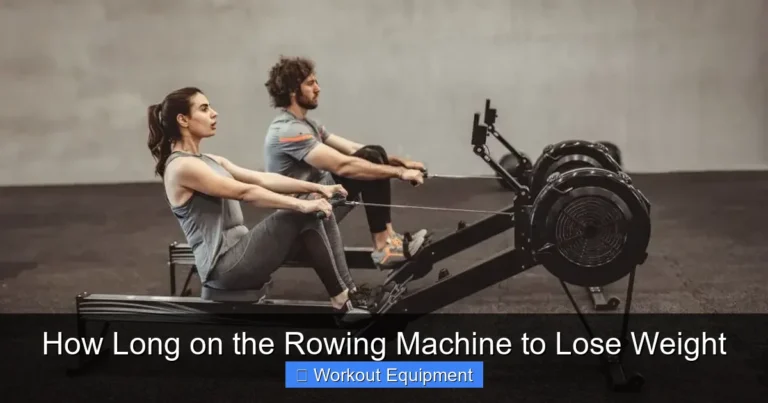
Every rowing stroke has two main phases: the drive and the recovery. During the drive, you push with your legs and pull with your arms. During the recovery, you return to the starting position. Each phase activates different muscle groups. Let us break down exactly what happens in your body during a single stroke.
The Drive Phase
The drive phase is where the real power comes from. You start by pushing through your feet on the footplate. This activates your quads, hamstrings, and glutes. Your calves also engage to stabilize your ankles. The push from your legs generates about 60% of the total power in each stroke.
As your legs extend, your torso leans back slightly. This engages your core muscles, especially your abs and lower back. Then your arms pull the handle toward your lower chest. Your biceps, lats, and shoulders all fire during this pulling motion. The drive phase truly shows how what areas does a rowing machine target spans far beyond just one muscle group.
The Recovery Phase
The recovery phase is just as important as the drive. During recovery, you extend your arms first, then lean your torso forward, and finally bend your knees to slide back. This phase works your muscles in a different way. It builds endurance and teaches your body to move smoothly.
Your core stays engaged throughout the recovery to keep your body stable. Your upper back and shoulders control the arm extension. Your hip flexors and hamstrings work as you slide forward. This continuous cycle of effort and rest is what makes rowing so effective for full body workout training.
Lower Body Areas Targeted by Rowing
The lower body does the majority of the work during rowing. Many people think rowing is mostly an upper body exercise. That is a common mistake. Your legs are the engine behind every stroke. Let us look at the specific lower body areas that get worked.
Quadriceps
Your quads are the large muscles on the front of your thighs. They do the most work when you push against the footplate. Every time you extend your legs, your quads fire hard. Over time, this builds strength and endurance in your legs.
Glutes and Hamstrings
Your glutes and hamstrings work together during the push phase. The glutes help extend your hips, while the hamstrings assist with knee extension. These muscles give you the power to drive back on the machine. Strong glutes and hamstrings also help protect your knees from injury.
Calves
Your calves stabilize your feet on the footplate. They may not get as much attention as your quads, but they play a key role. Strong calves improve your balance and rowing efficiency. They also support ankle stability throughout each stroke.
If you want to learn more about how rowing targets your lower body, check out what body parts does a rowing machine work out for a detailed breakdown.
Upper Body Areas Targeted by Rowing
While your legs power the drive, your upper body controls the pull and stabilizes your torso. Rowing works several upper body muscles that many people overlook. Here is a closer look at the upper body areas a rowing machine targets.
Back Muscles
Your lats are the large muscles across your back. They are the primary muscles used during the pull phase. Your rhomboids and traps also engage to pull your shoulders back. Over time, rowing can improve your posture and build a stronger back.
Arms and Shoulders
Your biceps pull the handle toward your chest. Your triceps help extend your arms during the recovery phase. Your shoulders stabilize the entire movement. This balanced arm and shoulder engagement is one reason why what areas does a rowing machine target includes so many upper body muscles.
Chest and Core
Your chest muscles assist during the pulling motion. Your core muscles, including your abs and obliques, keep your torso stable throughout every stroke. A strong core is essential for good rowing technique. It also transfers power from your legs to your arms more efficiently.
Does Rowing Target Your Core?
Absolutely. Your core is one of the most important areas a rowing machine targets. Without a strong core, your strokes lose power and your form breaks down. Let us look at why the core is so central to rowing.
During the drive phase, your abs brace to keep your torso from collapsing. Your lower back keeps your spine neutral and protected. Your obliques rotate your torso slightly as you lean back. All of these muscles work together to create a stable base for your legs and arms.
Many people who want a full body workout choose rowing specifically because of the core engagement. Unlike machines that isolate single muscles, rowing forces your entire midsection to work with every stroke. This is why what areas does a rowing machine target always includes your core as a primary focus area.
For more on how rowing delivers a complete body workout, read does a rowing machine give a full body workout to understand the science behind it.
How Rowing Targets Muscles Differently Than Other Machines
Not all workout machines target your body the same way. Treadmills focus mainly on your legs. Bikes isolate your lower body even more. Ellipticals provide a full body workout but with less resistance. Rowing stands out because it combines strength and cardio in one movement.
Here is a quick comparison of how different machines target your body:
- Treadmill: Primarily legs and cardiovascular system. Limited upper body engagement.
- Stationary Bike: Focuses on quads, hamstrings, and calves. Minimal core or upper body work.
- Elliptical: Engages both upper and lower body but with lower resistance.
- Rowing Machine: Works over 85% of your muscles including legs, back, arms, and core with high resistance.
Rowing also puts very little stress on your joints. This makes it a great option for people who want a high intensity workout without the impact of running. The smooth, gliding motion of rowing protects your knees and hips while still building strength.
If you are new to rowing, learning the proper technique is essential. Check out what is the proper form for a rowing machine to make sure you are targeting the right areas from day one.
Common Mistakes That Reduce the Effectiveness of Rowing
Even though rowing targets so many areas, poor technique can limit your results. Here are the most common mistakes people make on a rowing machine.
Relying Too Much on Arms
Many beginners pull with their arms instead of driving with their legs. This not only reduces the workout effectiveness but also increases the risk of shoulder strain. Remember, your legs should do about 60% of the work. Your arms should finish the stroke, not start it.
Rounding the Lower Back
Rounding your back during the drive puts unnecessary stress on your spine. Keep your chest lifted and your core braced at all times. A neutral spine protects your lower back and allows your muscles to work more efficiently.
Rushing the Recovery
The recovery phase is not a time to relax completely. It should be controlled and smooth. Rushing through recovery reduces the time your muscles spend under tension. This lowers the overall effectiveness of each stroke.
Sliding Too Far Forward
Overcompressing at the front of the stroke can strain your knees and lower back. Keep your shins vertical at the catch position. This ensures proper alignment and protects your joints.
Avoiding these mistakes will help you get the most out of every session. Proper technique ensures that what areas does a rowing machine target are actually being worked effectively and safely.
Benefits Beyond Muscle Targeting
Rowing offers benefits that go beyond just the muscles it targets. Understanding these benefits can motivate you to stick with your routine and train smarter.
Cardiovascular Health
Rowing raises your heart rate and improves your cardiovascular fitness. It strengthens your heart and lungs over time. Regular rowing sessions can lower blood pressure and improve circulation.
Calorie Burning
Rowing burns a significant number of calories because it engages so many muscle groups. A moderate rowing session can burn between 400 and 800 calories per hour depending on your weight and intensity. This makes it one of the most efficient calorie burning exercises available.
Mental Health and Stress Relief
Like other forms of exercise, rowing releases endorphins that improve your mood. The rhythmic motion of rowing can be meditative and calming. Many people find that indoor rowing helps them manage stress and improve sleep quality.
Improved Posture
Rowing strengthens the muscles that support good posture. Your back, shoulders, and core all work together to keep you upright. Over time, this can reduce slouching and ease back pain caused by poor posture.
For more on the specific benefits of rowing workouts, visit what are the benefits of a rowing machine workout to explore the full range of advantages.
Key Takeaways
- Full Body Engagement: A rowing machine works over 85% of your muscles in a single stroke.
- Lower Body Focus: Your legs, especially quads and glutes, do the heavy lifting during each push.
- Upper Body Activation: Arms, shoulders, and back all fire during the pull phase of every stroke.
- Core Stability: Your abs and lower back stabilize your entire body throughout the rowing motion.
- Low Impact, High Reward: Rowing is gentle on joints while still delivering intense calorie burn.
- Proper Form Matters: Using the correct technique ensures you target the right areas and avoid injury.
Conclusion
So what areas does a rowing machine target? The answer is almost everywhere. From your quads and glutes to your lats and biceps, rowing engages muscles you did not even know you had. It delivers a true full body workout that combines strength, cardio, and core training in one smooth motion.
Whether you are a beginner or a seasoned athlete, a rowing machine can fit your fitness goals. It is low impact, highly effective, and incredibly efficient. The key is to use proper form and stay consistent with your training.
Now that you understand exactly what areas a rowing machine target, you can approach every session with confidence. Focus on your legs during the drive, engage your core throughout, and let your arms finish each stroke. With practice, you will feel stronger, see better results, and enjoy every minute on the water and on the machine.
Frequently Asked Questions
What muscles does a rowing machine work the most?
A rowing machine works your legs the most, especially your quads, glutes, and hamstrings. Your back, arms, and core also get significant activation during every stroke. This is why understanding what areas does a rowing machine target helps you train more effectively.
Is rowing good for losing belly fat?
Rowing burns a high number of calories and engages your core with every stroke. While spot reduction is not possible, the intense full body workout from rowing can help reduce overall body fat, including belly fat. For more on this topic, check out does a rowing machine help you lose belly fat.
How long should I row to see results?
Most people start seeing noticeable results within 4 to 6 weeks of consistent rowing. Aim for 20 to 30 minutes per session, 3 to 5 times per week. The key is consistency and proper form to make sure you are targeting the right areas effectively.
Can beginners use a rowing machine safely?
Yes, rowing is one of the safest machines for beginners. The low impact motion is gentle on joints. However, learning proper form is essential. Start with shorter sessions at lower resistance and gradually increase intensity as your technique improves.
What is the difference between rowing and other cardio machines?
Unlike treadmills or bikes that focus mainly on your legs, rowing targets over 85% of your muscles. It combines upper body, lower body, and core work in a single movement. This makes rowing a more efficient full body workout compared to most other cardio machines.
Does rowing tone your arms?
Yes, rowing engages your biceps, triceps, shoulders, and forearms during every stroke. Over time, this builds toned arms along with improved upper body strength. The pulling motion specifically targets the muscles in your arms and back.