Troubled Kid from Toxic Home Meaning
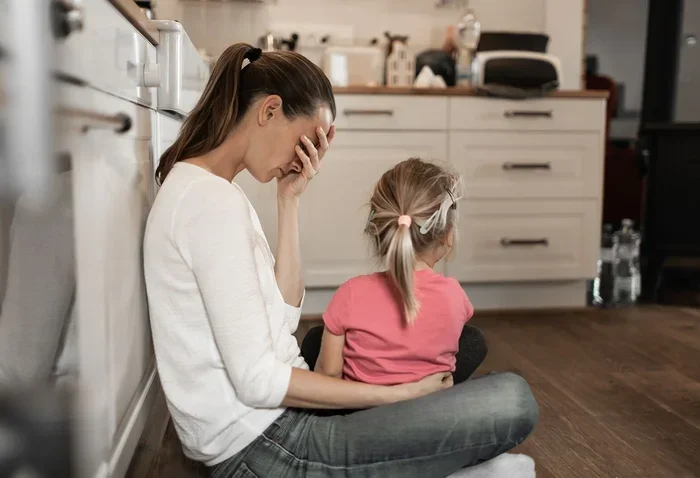
A troubled kid from a toxic home is a child who shows emotional, behavioral, or psychological struggles caused by living in a harmful family environment. Toxic homes often involve emotional abuse, neglect, or constant conflict that shapes a child’s development. Understanding this meaning helps parents, teachers, and caregivers recognize warning signs early. With the right support, these children can heal and build healthier futures. This guide covers what it means, how to spot the signs, and what you can do to help.
Key Takeaways
- A toxic home environment can deeply affect a child’s emotional and mental health in lasting ways.
- Common signs include behavioral changes, withdrawal, aggression, and difficulty forming relationships.
- Adverse childhood experiences (ACEs) are scientifically linked to long-term health and well-being outcomes.
- Early intervention and a supportive adult can make a huge difference in a child’s healing journey.
- Breaking the cycle of toxicity starts with awareness, education, and consistent emotional support.
- Physical activity and creative outlets can help children process emotions and build resilience.
- Professional help such as therapy is often essential for children dealing with deep trauma.
📑 Table of Contents
- What Does “Troubled Kid from Toxic Home” Actually Mean?
- Common Signs That a Child Is Struggling Due to a Toxic Home
- What Causes a Toxic Home Environment?
- How a Toxic Home Affects a Child’s Development
- How You Can Help a Troubled Child Heal
- Breaking the Cycle: Preventing Toxicity Across Generations
- Conclusion
What Does “Troubled Kid from Toxic Home” Actually Mean?
The phrase troubled kid from toxic home describes a child whose behavior, emotions, or mental health are negatively affected by growing up in a harmful family setting. A toxic home is not just about arguments or occasional stress. It refers to a persistent environment where a child feels unsafe, unsupported, or emotionally damaged.
When we talk about a troubled child, we mean a kid who may act out, withdraw, or struggle with daily life because of what they experience at home. This could include emotional abuse, physical neglect, constant criticism, or living with parents who have serious mental health or addiction issues. The home should be a safe place, but for these children, it often feels like the opposite.
Understanding the toxic home meaning is the first step toward helping these kids. Many people assume that children are resilient and will “just bounce back.” But research shows that ongoing exposure to a toxic family environment can reshape a child’s brain development, self-worth, and ability to trust others. The effects are real and often deep.
A troubled kid from a toxic home is not a label. It is a description of a child who needs help, understanding, and patience. Every child deserves a safe and loving space to grow. When that is missing, the consequences can show up in many different ways.
Why Does This Matter So Much?
Childhood is a foundational period. The experiences a child has between birth and age eight shape their worldview, their relationships, and even their physical health. A toxic home disrupts this foundation in serious ways. Kids who grow up in these environments often carry the weight of their childhood into adulthood.
Studies on adverse childhood experiences show that children exposed to ongoing household dysfunction are at higher risk for anxiety, depression, and even chronic diseases later in life. This is why recognizing the meaning behind a troubled kid from a toxic home is so important. It is not just about fixing behavior. It is about healing the root cause.
Common Signs That a Child Is Struggling Due to a Toxic Home
Children react to a toxic household in different ways. Some act out loudly, while others go quiet and withdraw. Both responses are signals that something is wrong. Here are the most common signs to watch for.
Behavioral Changes
A child who suddenly becomes aggressive, defiant, or destructive may be reacting to stress at home. They might start fights at school, refuse to follow rules, or lash out at peers. This behavior is often a cry for help, not just “bad kid” behavior.
Some children develop child behavior problems such as lying, stealing, or harming animals. These are serious red flags that should not be ignored. They often point to emotional pain that the child does not know how to express in healthy ways.
Emotional Withdrawal
On the other end of the spectrum, some children become extremely withdrawn. They may stop talking, lose interest in activities they once loved, or seem numb and detached. This kind of emotional neglect can be just as damaging as active abuse.
These children often appear fine on the outside but are struggling deeply inside. They may have trouble forming friendships or trusting adults. A troubled child who withdraws is often silently asking for someone to notice them and care.
Physical Symptoms
Believe it or not, a toxic home can cause real physical problems. Children may develop headaches, stomachaches, or sleep issues. They might eat too much or too little. These are the body’s way of responding to ongoing stress and fear.
Mental health in children is just as important as adult mental health. Yet it is often overlooked because people assume kids do not have real stress. They do. And the effects are measurable.
What Causes a Toxic Home Environment?
A toxic home does not happen by accident. It usually builds over time from a mix of factors that strain a family. Understanding the causes helps us approach the situation with empathy rather than judgment.
Parenting Styles That Create Toxicity
Some parents use harsh parenting styles that focus on fear and control rather than love and guidance. Authoritarian parenting, where rules are rigid and punishment is severe, can create a home filled with anxiety. Children in these environments learn to fear mistakes rather than learn from them.
Other parents may be emotionally unavailable. They provide food and shelter but offer little warmth, praise, or connection. This form of emotional neglect leaves children feeling invisible and unworthy of love.
Family Conflict and Dysfunction
Constant arguing between parents, sibling rivalry taken too far, or family members who undermine each other creates a dysfunctional family dynamic. Children caught in the middle often feel responsible for the conflict, even when it is not their fault.
In some homes, addiction, mental illness, or domestic violence create an atmosphere of fear and unpredictability. The child never knows what the day will bring. This constant state of alertness is exhausting and damaging to their developing brains.
Economic Stress and Its Impact
Poverty and financial stress can also contribute to a toxic household. Parents who are overwhelmed by debt, job loss, or housing instability may become irritable, absent, or emotionally distant. Children pick up on this stress, even when parents try to hide it.
How a Toxic Home Affects a Child’s Development
The effects of growing up in a toxic family environment go far beyond childhood. They can shape a person’s entire life trajectory. Understanding these impacts is crucial for anyone who wants to help.
Impact on Emotional Health
Children from toxic homes often struggle with emotional well-being well into adulthood. They may have difficulty identifying their own feelings or expressing them appropriately. Many develop anxiety disorders, depression, or post-traumatic stress.
They often have a deep-seated belief that they are not good enough. This low self-worth follows them through school, relationships, and careers. It can take years of work to undo these beliefs.
Impact on Relationships
A troubled kid from a toxic home often has a hard time forming healthy relationships. They may become people-pleasers who never say no. Others may push people away before they can be hurt. Some unconsciously recreate the toxic dynamics they grew up with.
Trust is a big issue. When the people who are supposed to keep you safe are the source of your pain, it is hard to trust anyone. This makes friendships, romantic relationships, and even professional connections very difficult.
Long-Term Physical Health Effects
Research from the adverse childhood experiences study shows that toxic childhoods are linked to heart disease, obesity, substance abuse, and early death. The body keeps score, as one psychologist put it. The stress of a toxic home gets stored in the body and shows up as health problems decades later.
How You Can Help a Troubled Child Heal
The good news is that healing is possible. A single caring adult can change the trajectory of a child’s life. Here is what you can do.
Create a Safe and Predictable Space
Children from toxic homes crave stability. Show up consistently. Keep your promises. Be the adult who does not yell, criticize, or abandon them. A safe home space does not need to be perfect. It just needs to be reliable and kind.
Sometimes, even small changes in a home routine can make a big difference. Regular meal times, a quiet bedtime ritual, or a weekly family activity can help a child feel grounded. If you are setting up a home for a child in your care, consider what elements make a home feel safe and intentional about including those.
Encourage Physical Activity and Movement
Exercise is a powerful tool for healing. Physical activity helps children release built-up tension and stress. It also boosts mood through natural endorphins. Even simple activities like walking, playing outside, or dancing can help a troubled child feel better.
Some families find that setting up a home workout space where kids can move freely helps them channel difficult emotions. The key is to make physical activity fun and pressure-free. Let the child choose what they enjoy. The goal is movement, not perfection.
Listen Without Judgment
One of the most powerful things you can do is simply listen. Let the child talk about their feelings without interrupting, correcting, or dismissing them. Say things like “I hear you” and “That sounds really hard.” Validation goes a long way.
Children from toxic homes are often told their feelings do not matter. When you take the time to truly listen, you send a message that they do matter. That message can be life-changing.
Seek Professional Support
Sometimes a child’s pain is too deep for friends and family to handle alone. A therapist who specializes in childhood trauma can provide tools and strategies that adults cannot. Therapy gives the child a safe space to process what they have been through.
Look for professionals who use evidence-based approaches like play therapy, cognitive behavioral therapy, or trauma-focused therapy. These methods are proven to help children heal from toxic home experiences.
Build Resilience Over Time
Resilience in children is not about being tough or not feeling pain. It is about having the tools and support to cope with hardship. You build resilience by showing up, staying consistent, and believing in the child even when they struggle to believe in themselves.
Every small positive interaction matters. A kind word, a shared laugh, a moment of patience. These add up over time. They rewrite the story the child tells themselves about who they are and what they deserve.
Breaking the Cycle: Preventing Toxicity Across Generations
One of the most important things we can do is stop the cycle. Many adults who grew up in toxic households unconsciously repeat the same patterns with their own children. Awareness is the first step toward change.
If you recognize toxic patterns from your own childhood, seek help. Therapy, parenting classes, and support groups can all help you learn new ways to raise children. You do not have to repeat the past. You can choose a different path.
Communities also play a role. Schools, churches, and neighborhood organizations can offer resources and support to families in crisis. When we invest in support for troubled youth, we invest in healthier futures for everyone.
Conclusion
A troubled kid from a toxic home is a child sending out a signal that they need help. The meaning behind that label is not about the child being broken or bad. It is about the environment they have been forced to grow up in. Toxic homes create wounded children, and wounded children need patient, consistent, and loving adults to help them heal.
Whether you are a parent, teacher, coach, or neighbor, you have the power to make a difference. Recognize the signs, offer support without judgment, and encourage professional help when needed. Every child deserves a chance to heal, grow, and thrive. The journey starts with understanding, and understanding starts with you.
Frequently Asked Questions
What is a troubled kid from a toxic home?
A troubled kid from a toxic home is a child who shows emotional, behavioral, or psychological struggles because of growing up in a harmful family environment. This can include abuse, neglect, addiction, or constant conflict at home.
What are the signs of a child living in a toxic home?
Common signs include sudden behavioral changes, aggression, withdrawal, sleep problems, physical complaints like headaches, and difficulty forming relationships. Some children become people-pleasers while others act out in destructive ways.
Can a child recover from a toxic home environment?
Yes, children can recover with the right support. A consistent, caring adult, therapy, and a stable home environment can help a child heal from even deep trauma. Resilience can be built over time with patience and love.
What causes a home to become toxic for children?
A toxic home is usually caused by a combination of factors such as harsh parenting styles, emotional neglect, constant family conflict, addiction, mental illness, or domestic violence. Economic stress can also contribute to a toxic household dynamic.
How does a toxic home affect a child long-term?
Long-term effects include anxiety, depression, difficulty with relationships, low self-worth, and even physical health problems. Research on adverse childhood experiences shows that toxic childhoods can impact health well into adulthood.
What can I do to help a troubled child?
You can create a safe and predictable space, listen without judgment, encourage physical activity, and seek professional help when needed. Even small acts of kindness and consistency can make a big difference in a child’s healing journey.