The Complete Guide to Smelt Fish and How to Cook Them
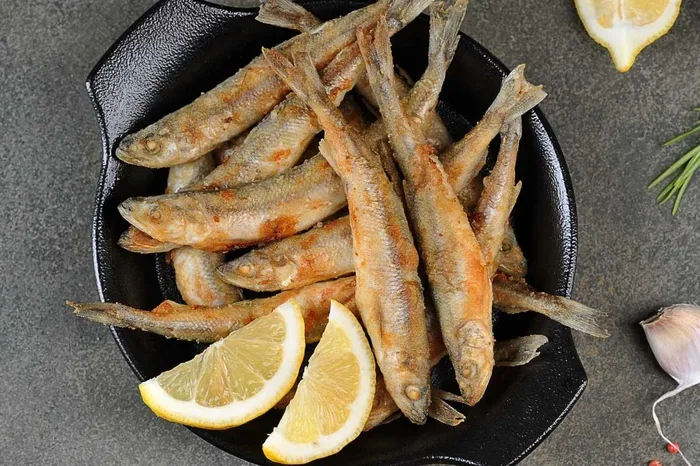
Smelt fish are small, slender fish that pack a big flavor punch. Whether you fry them whole, bake them, or grill them, cooking smelt fish is easier than you think. This guide covers everything from smelt fishing tips to crispy fried smelt recipes you can make at home.
Key Takeaways
- Smelt fish are small and versatile: These tiny fish can be cooked many ways, including frying, baking, and grilling.
- Catching smelt is easy: You can find them in coastal and freshwater areas, especially during seasonal runs.
- Proper preparation matters: Cleaning and gutting smelt quickly keeps them fresh and ready for cooking.
- Fried smelt is a classic: A light batter and hot oil create perfectly crispy fish.
- Smelt recipes are beginner-friendly: Even first-time cooks can achieve great results with simple techniques.
- Smelt fish are nutritious: They are rich in omega-3 fatty acids, protein, and essential vitamins.
📑 Table of Contents
What Is Smelt Fish?
So what exactly is smelt fish? These are small, slender fish that belong to the family Osmeridae. They typically grow between 6 and 12 inches long. Their bodies are thin and silver, giving them a sleek look. You can find them in both coastal saltwater and freshwater rivers.
Smelt fish are known for their mild, slightly sweet taste. Many people compare their flavor to sardines or anchovies. But they are milder and less oily. Their small size means they cook fast too. You can eat the entire fish — bones and all. This makes them a popular choice for whole fish cooking.
These fish are considered a seasonal fish in many regions. They run upstream to spawn during spring months. That’s when smelt fishing becomes most productive. Coastal communities have celebrated smelt runs for generations. It’s a tradition that brings families together.
Types of Smelt Fish
There are several types of smelt found around the world. Here are some of the most common ones:
- Rainbow smelt: Found in the Great Lakes and Atlantic coast. This is the most popular type for eating.
- Japanese smelt: Common in Asian waters. Often used in Japanese cuisine.
- Capelin: A close relative found in cold northern waters.
- Brook trout smelt: Found in freshwater streams across North America.
Each type has a slightly different flavor. But they all share that delicate, mild taste that makes smelt fish so appealing. No matter which type you choose, you’re in for a treat.
How to Catch Smelt Fish
Smelt fishing is a fun and rewarding activity. These small fish travel in large schools. That makes them easier to catch in bulk. But you still need the right approach. Let’s break it down.
Best Times to Catch Smelt
Timing is everything when you go smelt fishing. These fish are most active during spring. The spring spawn draws them close to shore. Here’s a quick look at seasonal patterns:
- Spring: The prime season. Smelt run upstream from February through May.
- Fall: A secondary run happens in some areas during autumn.
- Winter: Ice fishing for smelt is popular in northern states.
Water temperature plays a big role. Smelt prefer water between 40°F and 55°F. When conditions are right, you can catch them by the dozens.
Tools and Techniques
You don’t need fancy gear to catch smelt fish. Here’s what works best:
- Cast net: The most popular method for catching large numbers.
- Seine nets: Great for shallow water runs.
- Hook and line: Works well for casual fishing.
- Tip-up rigs: Perfect for winter ice fishing.
Many experienced anglers recommend using a cast net with a 3/8-inch mesh. This size catches smelt without harming them. Attach a weight to the net’s edge. Then throw it in areas where smelt gather near rocks or current breaks. Pull it back quickly to trap the fish.
Catch smelt responsibly. Always check local fishing regulations before you go. Some areas have size limits or seasonal restrictions. Respecting these rules keeps smelt fishing sustainable for everyone.
How to Prepare Smelt for Cooking
Once you have your smelt fish, proper preparation is key. Fresh smelt cooks best when cleaned quickly. Don’t let them sit too long. Here’s how to get them ready for the kitchen.
Cleaning Smelt
Cleaning smelt fish is simple. Follow these steps:
- Rinse the fish under cold water.
- Hold the fish firmly by the tail.
- Pull the head toward you to remove it. The entrails should come out too.
- Use your fingers or a small knife to remove the gills.
- Rinse the cavity again under cold water.
- Pat the fish dry with a paper towel.
Don’t worry about the fish bones. Smelt bones are soft and edible. They become crispy when fried. This is one reason fried smelt is so popular.
Storing Smelt
If you’re not cooking right away, store them properly:
- Refrigerate: Use within 24 hours for best freshness.
- Freeze: Wrap individually in plastic wrap. Store for up to 3 months.
- Ice: Layer cleaned smelt with ice in a cooler. Keeps them fresh for 1-2 days.
Always handle smelt preparation with clean hands. This prevents spoilage and keeps the fish safe to eat.
Marinating Smelt
A simple marinade adds great flavor. Here’s a quick option:
- Mix 1 tablespoon of lemon juice, 1 tablespoon of olive oil, and salt and pepper.
- Place cleaned smelt in a bowl.
- Pour the marinade over them.
- Let them sit for 15-30 minutes in the fridge.
This basic marinade works well before any smelt recipe. It enhances the natural flavor without overpowering it.
Best Ways to Cook Smelt Fish
Now for the fun part — cooking! There are many ways to prepare smelt fish. Each method brings out different qualities. Let’s explore the best options.
Fried Smelt (The Classic)
Fried smelt is the most popular method. It creates a crispy exterior with tender, flaky meat inside. Here’s how to do it right:
- Clean and dry your smelt fish thoroughly.
- Dust them lightly in flour or cornmeal.
- Heat oil to 350-375°F in a deep skillet or fryer.
- Fry the fish in small batches for 2-3 minutes per side.
- Remove and drain on paper towels.
- Season with salt immediately while hot.
The key to perfect crispy fish is hot oil. If the oil is too cool, the fish absorbs grease. Too hot, and the outside burns before the inside cooks. Use a thermometer to monitor temperature.
Some cooks prefer a light batter instead of dry flour. A simple mix of flour, cornmeal, egg, and cold sparkling water works beautifully. The batter creates an extra crunchy shell. It also seals in moisture.
Pan-Fried Smelt
Pan-fried fish is a great alternative to deep frying. It uses less oil and still delivers great flavor. Heat a skillet with butter or oil over medium-high heat. Place the smelt in the pan and cook for 3 minutes per side. The skin gets golden and crispy. Flip gently to keep the fish intact.
Baked Smelt
Baking is the healthiest option for smelt recipe lovers. Preheat your oven to 400°F. Place cleaned smelt on a lined baking sheet. Drizzle with olive oil, add garlic, lemon slices, and fresh herbs. Bake for 12-15 minutes. The fish is done when it flakes easily with a fork.
Grilled Smelt
Grilling adds a smoky twist. Use a grill basket to prevent small fish from falling through. Brush with oil and season well. Grill over medium heat for 3-4 minutes per side. Seafood lovers love the charred flavor grilled smelt delivers.
Smelt Fish Recipes You’ll Love
Ready to try some smelt recipes at home? Here are three crowd-pleasers that are simple and delicious.
Classic Beer-Battered Smelt
This recipe takes fried smelt to the next level. The beer batter creates an incredibly light and airy coating.
- 1 cup all-purpose flour
- 1 cup cold beer (lager works best)
- 1 egg, beaten
- 1 teaspoon baking powder
- Salt and pepper to taste
- Cleaned and dried smelt fish
Whisk the flour, beer, egg, and baking powder together until smooth. Season with salt and pepper. Dip each smelt into the batter. Drop into hot oil at 375°F. Fry until golden brown, about 2-3 minutes. Serve with tartar sauce and lemon wedges. This fish fry favorite never disappoints.
Lemon Herb Baked Smelt
This lighter recipe lets the natural flavor of the smelt fish shine through.
- Cleaned smelt fish
- 2 tablespoons olive oil
- 1 lemon, sliced
- Fresh dill and parsley
- 2 cloves garlic, minced
- Salt and pepper
Arrange smelt on a baking sheet. Drizzle with olive oil. Top with lemon slices, garlic, and herbs. Bake at 400°F for 12-15 minutes. This dish pairs perfectly with rice or a fresh salad. It’s a whole fish cooking method that’s both easy and elegant.
Smelt Tacos
Yes, tacos! This creative seafood dish is a hit at any gathering. Fry or bake the smelt until crispy. Flake them into small pieces. Warm up small tortillas. Top with shredded cabbage, diced tomatoes, a squeeze of lime, and your favorite salsa. The mild flavor of smelt works perfectly in tacos. Kids love them too!
Common Mistakes When Cooking Smelt
Even simple recipes can go wrong. Here are some common mistakes to avoid when cooking smelt fish.
- Not drying the fish: Wet smelt won’t get crispy. Always pat them dry before cooking.
- Using low oil temperature: Cool oil makes greasy breaded fish. Keep it at 350-375°F.
- Overcrowding the pan: Too many fish at once drops the oil temperature. Cook in small batches.
- Skipping the seasoning: Smelt taste best with proper seasoning. Salt, pepper, and lemon are essentials.
- Overcooking: Smelt are small and cook fast. Overcooked fish becomes dry and tough. Watch them closely.
Expert Insights
Professional chefs recommend a few extra tips for the best results. First, always use fresh smelt when possible. Freshwater fish and coastal fish taste best when they haven’t been sitting around. Second, don’t be afraid to experiment with spices. Smelt are mild enough to handle bold flavors. Try Cajun seasoning, Old Bay, or even a dash of chili powder. Third, serve smelt fish with acidic sides. Lemon, vinegar, and tartar sauce all cut through the richness of fried fish beautifully.
Chef Michael Ruhlman once noted that small fish like smelt are some of the most underappreciated edible fish in the market. They’re affordable, nutritious, and incredibly versatile. He encourages home cooks to embrace them more often. His advice? Keep it simple. Quality ingredients and proper technique do most of the work.
Health Benefits of Smelt Fish
Smelt fish aren’t just tasty — they’re also packed with nutrition. Here’s what makes them a smart choice for your diet:
- Omega-3 fatty acids: Smelt are rich in omega-3s. These support heart and brain health.
- High-quality protein: A small serving delivers a solid protein boost.
- Low in calories: A 3-ounce serving has roughly 100-130 calories.
- Vitamins and minerals: Smelt provide vitamin D, vitamin B12, calcium, and selenium.
- Low mercury: As a small fish, smelt tend to have very low mercury levels.
Because you eat the entire smelt fish, you get more calcium from the soft bones too. This makes them a great choice for bone health. Nutritionists often recommend smelt fish as a healthier alternative to larger predatory fish. They’re a wholesome seafood option the whole family can enjoy.
Conclusion
Smelt fish are a hidden gem in the world of seafood. They’re small, easy to catch, simple to clean, and fun to cook. Whether you prefer fried smelt, baked, grilled, or in tacos, there’s a smelt recipe for everyone. This guide covered everything from smelt fishing tips to cooking techniques and health benefits. Now you have all the knowledge you need to get started. Grab some smelt, try one of these recipes, and discover why so many people love this tiny fish. You might just find your new favorite meal.
Frequently Asked Questions
What does smelt fish taste like?
Smelt fish have a mild, slightly sweet flavor. They taste similar to sardines but are less oily. Many people enjoy them with lemon or tartar sauce. The taste is delicate and appealing even to those who don’t typically like fish.
Can you eat smelt fish whole?
Yes! You can eat smelt fish whole. Their bones are soft and edible. When fried, the entire fish becomes crispy and crunchy. Eating them whole is actually the traditional way to enjoy this seafood delicacy.
Where can I buy smelt fish?
You can find smelt fish at many seafood markets, especially near coastal areas. Some grocery stores carry them in the frozen section. During spring runs, you might also catch them yourself through smelt fishing. Freshwater and coastal fish suppliers often stock them seasonally.
What is the best way to cook smelt fish?
The most popular method is making fried smelt. A light batter and hot oil create perfectly crispy fish. However, baking and grilling are also excellent choices. The best method depends on your preference. For a quick weeknight meal, pan-fried smelt works wonderfully.
Are smelt fish high in mercury?
No. Smelt fish are small fish low on the food chain. They tend to have very low mercury levels compared to larger predatory seafood. This makes them a safe and healthy choice for regular consumption, including for children and pregnant women.
How do I freeze smelt fish for later use?
Clean and dry the smelt fish first. Wrap each fish individually in plastic wrap. Place them in a freezer bag and remove as much air as possible. They can be stored for up to 3 months. Thaw in the refrigerator overnight before cooking your favorite smelt recipe.