Small Potatoes That Pack Big Flavor And Rich Nutrition
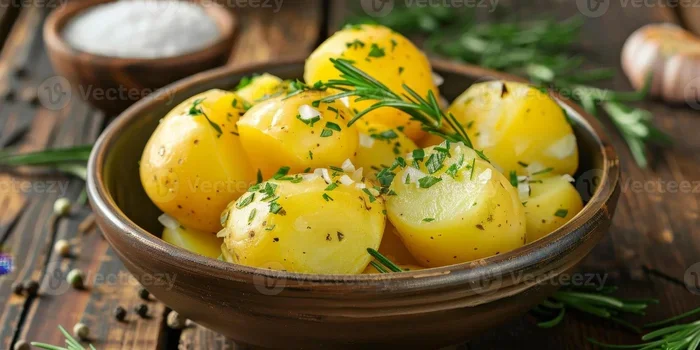
Small potatoes like fingerlings and baby potatoes deliver big flavor and impressive nutrition. They are rich in potassium, vitamin C, and fiber while staying low in calories. Whether you roast, boil, or mash them, these versatile spuds make every meal better and healthier.
Few foods surprise people as much as small potatoes do. These little spuds may look humble, but they deliver a burst of flavor and a stack of health benefits that rival any larger vegetable on your plate. If you have been overlooking them in the grocery aisle, it is time to give them a second look.
Small potatoes come in many shapes, colors, and sizes. From slender fingerlings to round baby potatoes, each variety brings something unique to the table. They roast beautifully, boil perfectly, and mash into creamy goodness. Best of all, they cook fast, which makes them ideal for busy weeknights.
Whether you are a seasoned cook or just starting out in the kitchen, small potatoes are one of the easiest ingredients to work with. They pair well with herbs, butter, garlic, and almost any protein you can name. Their natural creaminess means you often need less added fat to make them taste amazing. That alone makes them a smart choice for anyone watching their calorie intake.
Key Takeaways
- Small potatoes are nutrient-dense: They pack vitamins C and B6, potassium, and fiber into a low-calorie package.
- Many varieties exist: Fingerling, baby, and creamer potatoes each bring unique flavors and textures to your plate.
- Cooking methods matter: Roasting and boiling preserve the most nutrients while enhancing natural taste.
- They support heart health: The potassium and antioxidants in small potatoes help manage blood pressure and reduce inflammation.
- They are easy to prepare: Simple recipes make small potatoes perfect for busy weeknights and weekend meal prep.
- Small potatoes fit any diet: They work well in vegan, gluten-free, and low-carb-friendly meal plans.
📑 Table of Contents
- What Exactly Are Small Potatoes?
- Nutrition Profile Of Small Potatoes
- Health Benefits Of Eating Small Potatoes
- Best Ways To Cook Small Potatoes
- Delicious Recipes To Try At Home
- Common Mistakes To Avoid When Cooking Small Potatoes
- Choosing And Storing Small Potatoes
- Expert Tips For Getting The Most Out Of Small Potatoes
- Why Small Potatoes Deserve A Spot In Your Kitchen
What Exactly Are Small Potatoes?
Small potatoes are simply potatoes harvested before they reach full maturity. This early harvest gives them a thinner skin, a creamier texture, and a sweeter, more delicate flavor. Unlike their larger cousins, these little gems rarely need peeling, which saves time and keeps more nutrients intact.
The term covers several different types of potatoes. Each one has its own personality and best use in the kitchen. Let us break them down so you can pick the right kind for your next meal.
Fingerling Potatoes
Fingerlings are narrow and elongated, shaped like a finger. They have a firm, waxy texture that holds up beautifully when roasted or steamed. Their skin adds a nutty, earthy flavor that many people love. Common varieties include Russian Banana and Purple Peruvian fingerlings.
Baby Potatoes
Baby potatoes are small, round, and smooth. They have a thin, edible skin and a creamy white or yellow flesh. These are the most common type you will find in supermarkets. They work great in stews, salads, and roasted vegetable medleys.
Creamer Potatoes
Creamers are the tiniest of the bunch, usually no bigger than a golf ball. They are sweet, tender, and almost buttery when cooked. Many cooks use them whole in soups or side dishes because their size makes them perfect for one-bite bites.
Nutrition Profile Of Small Potatoes
Do not let their size fool you. Small potatoes are loaded with essential nutrients that support your body every day. A one-cup serving of cooked baby potatoes gives you a solid dose of vitamins and minerals without piling on extra calories.
Key Nutrients Found In Small Potatoes
- Potassium: Helps regulate blood pressure and supports proper muscle function.
- Vitamin C: Boosts your immune system and promotes healthy skin.
- Vitamin B6: Supports brain health and helps your body convert food into energy.
- Fiber: Aids digestion and keeps you feeling full longer.
- Antioxidants: Protect your cells from damage caused by free radicals.
- Iron: Helps carry oxygen through your blood to your organs.
- Magnesium: Supports bone health and helps muscles relax after exercise.
One of the best things about small potatoes is that most of the nutrition lives right under the skin. That is why leaving the skin on during cooking is such a smart move. The thin, tender skin of baby potatoes adds fiber and a satisfying crunch when roasted.
Compared to processed snacks or heavy starches, small potatoes are a much cleaner source of carbohydrates. They provide sustained energy without the sugar crash you get from refined foods. This makes them a favorite among athletes, busy professionals, and anyone who wants steady fuel throughout the day.
Health Benefits Of Eating Small Potatoes
Adding small potatoes to your diet can do more than just please your taste buds. These little vegetables offer real, measurable health benefits backed by nutrition science.
They Support Heart Health
The high potassium content in small potatoes helps balance sodium levels in your body. This balance is critical for maintaining healthy blood pressure. Over time, regular potassium intake from whole foods like potatoes can lower your risk of heart disease and stroke.
Additionally, the fiber in potato skins helps reduce cholesterol levels. A healthy gut microbiome also benefits from the resistant starch found in cooled cooked potatoes. This combination of nutrients works together to keep your cardiovascular system strong.
They Boost Immune Function
One serving of small potatoes provides about 30 percent of your daily vitamin C needs. Vitamin C is one of your body’s strongest defenders against infections. It helps your white blood cells work more efficiently and protects your cells from oxidative stress.
During cold and flu season, a warm bowl of potato soup made with baby potatoes can be both comforting and protective. Add some garlic and thyme, and you have a powerhouse meal that your immune system will thank you for.
They Aid Digestion
The fiber and resistant starch in small potatoes feed the good bacteria in your gut. A healthy gut microbiome is linked to better digestion, improved mood, and stronger immunity. These potatoes act as a natural prebiotic, helping the beneficial bacteria in your intestines thrive.
They Provide Sustained Energy
Because small potatoes contain complex carbohydrates, they release energy slowly into your bloodstream. This means no mid-afternoon crashes or energy dips. Athletes often include potatoes in their pre-workout meals for this exact reason. The steady fuel keeps you performing at your best for longer stretches.
Best Ways To Cook Small Potatoes
One of the reasons small potatoes are so popular is their incredible versatility. You can cook them in many different ways, and each method brings out a unique flavor and texture. Here are some of the best techniques to try at home.
Roasting
Roasting is hands down the most popular way to cook small potatoes. Toss them with olive oil, salt, pepper, and your favorite herbs. Then spread them on a baking sheet and roast at 400°F for about 25 to 30 minutes. The result is crispy golden exteriors with soft, creamy interiors.
Pro tip: Do not overcrowd the pan. Give each potato enough space so it can crisp up evenly. If you want extra flavor, toss them with rosemary, smoked paprika, or a sprinkle of parmesan cheese after roasting.
Boiling
Boiling is the simplest method and works wonderfully for salads and sides. Drop whole baby potatoes into salted boiling water and cook for 15 to 20 minutes until fork-tender. Drain and toss with butter, fresh dill, or a light vinaigrette.
Boiled small potatoes also make an excellent base for potato salads. Their creamy texture holds dressings beautifully without falling apart. Try adding mustard, celery, and a touch of smoked paprika for a classic side dish.
Sautéing
For a quick weeknight side, try sautéing sliced fingerling potatoes in a hot skillet. Use a bit of butter or olive oil and cook on medium-high heat for about 10 minutes. Stir occasionally until they turn golden and crispy on the edges.
Sautéed small potatoes pair perfectly with grilled chicken, salmon, or a fresh green salad. They cook in under 15 minutes, making them ideal for busy evenings when you want something homemade and satisfying.
Steaming
Steaming preserves the most nutrients compared to other cooking methods. Place whole baby potatoes in a steamer basket over boiling water and cook for 12 to 15 minutes. The result is tender, fluffy potatoes that retain their natural vitamins and minerals.
Steamed small potatoes make an excellent base for a healthy bowl. Top them with steamed broccoli, grilled shrimp, and a lemon-tahini drizzle for a nutritious and delicious meal.
Delicious Recipes To Try At Home
If you are ready to start cooking with small potatoes, here are three simple recipes that highlight their natural flavor. Each one takes less than 40 minutes from start to finish.
1. Garlic Herb Roasted Baby Potatoes
Toss halved baby potatoes with olive oil, minced garlic, fresh rosemary, salt, and black pepper. Roast at 400°F for 25 minutes until crispy and golden. Serve as a side dish with any protein of your choice.
2. Lemon Dill Potato Salad
Boil whole baby potatoes until tender, then toss with lemon juice, fresh dill, Greek yogurt, and a pinch of mustard. Chill for 30 minutes and serve cold. This salad is light, refreshing, and perfect for summer gatherings.
3. Pan-Seared Fingerling Potatoes With Thyme
Slice fingerling potatoes in half lengthwise. Sear cut-side down in a hot skillet with olive oil and fresh thyme. Cook for 4 to 5 minutes until the cut side is crispy and golden. Flip and cook for another 3 minutes. Finish with a squeeze of lemon juice and flaky sea salt.
These recipes prove that small potatoes can shine as the star of your plate. They are simple, satisfying, and full of the natural flavor that makes them so special.
Even in a compact kitchen, you can whip up delicious meals with these little gems. If you are dealing with limited space in your apartment, you might also want to check out tips on where to put an exercise bike in a small apartment to keep your living area organized and functional.
Common Mistakes To Avoid When Cooking Small Potatoes
Cooking small potatoes is straightforward, but a few common mistakes can affect your results. Avoid these pitfalls to get the best flavor and texture every time.
- Overcooking them: Small potatoes cook quickly. Start checking for doneness a few minutes early to avoid mushy results.
- Skipping the drying step: After boiling, let your potatoes dry slightly before roasting. Excess moisture creates steam instead of crispiness.
- Underseasoning: Because small potatoes have a delicate flavor, they benefit from generous seasoning. Do not be shy with salt, herbs, and spices.
- Using the wrong oil: Oils with low smoke points like extra virgin olive oil can burn at high roasting temperatures. Use regular olive oil or avocado oil instead.
- Peeling them unnecessarily: Most small potato varieties have thin, edible skins that add nutrition and texture. Leave the skin on whenever possible.
Choosing And Storing Small Potatoes
Picking the right small potatoes at the store makes a big difference in your cooking experience. Look for firm, smooth potatoes with no soft spots, green patches, or sprouts. The skin should feel tight and dry, not wrinkly or damp.
Store your potatoes in a cool, dark, and well-ventilated place. A pantry or cellar works perfectly. Avoid storing them in the refrigerator, as the cold converts starch into sugar and changes the texture. Properly stored, small potatoes can last for one to two weeks.
If you buy them in bulk, consider roasting a batch and freezing them for later use. Roasted small potatoes reheat beautifully in the oven or microwave, making them a convenient freezer staple for busy nights.
Expert Tips For Getting The Most Out Of Small Potatoes
Want to take your small potato game to the next level? Here are some tips from experienced home cooks and chefs.
Salt early. Adding salt to boiling water before you cook potatoes ensures even seasoning from the inside out. This simple step makes a noticeable difference in flavor.
Cook them whole when possible. Keeping small potatoes whole preserves their shape and texture. Halve or quarter them only when the recipe calls for it.
Let them cool before storing. If you are meal prepping, allow cooked potatoes to cool completely before refrigerating. This prevents condensation and keeps them from getting soggy.
Experiment with flavors. Small potatoes absorb seasonings beautifully. Try different spice blends like zaatar, curry powder, or Italian seasoning to keep meals exciting and varied.
Use the cooking water. If you boil potatoes, save the nutrient-rich water for use in soups or sauces. It adds a subtle potato flavor and extra vitamins to your dishes.
Why Small Potatoes Deserve A Spot In Your Kitchen
Small potatoes check every box for a healthy, delicious, and versatile ingredient. They are packed with essential nutrients like potassium, vitamin C, and fiber. They come in a wide variety of types that suit different cooking styles and flavor preferences. And they are incredibly easy to prepare, even for beginners.
Whether you roast them until crispy, boil them for a refreshing salad, or sauté them as a quick side dish, small potatoes never disappoint. Their natural creaminess and earthy flavor elevate any meal they touch. Plus, their nutritional profile makes them a smart choice for heart health, digestion, and sustained energy.
Next time you are at the grocery store, grab a bag of small potatoes and try one of the recipes above. You might just discover your new favorite vegetable. Their big flavor and rich nutrition make them a worthy addition to any kitchen, no matter your cooking skill level.
Start simple with roasted baby potatoes or a classic potato salad. As you grow more confident, experiment with different varieties and flavor combinations. The world of small potatoes is full of surprises, and your taste buds will thank you for exploring it.
Frequently Asked Questions
Are small potatoes healthier than regular potatoes?
Small potatoes and regular potatoes have similar nutritional profiles. However, because small potatoes are often cooked with their thin skins on, you get more fiber and nutrients per serving. Their smaller size also means they cook faster, which can help preserve more vitamins.
Can I eat small potatoes on a low-carb diet?
Small potatoes do contain carbohydrates, but they are complex carbs that digest slowly. In moderation, they can fit into a balanced low-carb meal plan. Pair them with protein and healthy fats to slow digestion and manage blood sugar levels.
What is the best way to store small potatoes?
Store small potatoes in a cool, dark, and dry place with good airflow. A pantry or basement works well. Keep them away from onions and direct sunlight, which can cause sprouting and spoilage faster.
Can I freeze cooked small potatoes?
Yes, you can freeze cooked small potatoes. Roast or boil them first, let them cool completely, and store them in an airtight container. They will keep for up to three months in the freezer and reheat well in the oven or microwave.
Do small potatoes have more flavor than larger ones?
Many people find that small potatoes have a sweeter, more concentrated flavor than larger varieties. Their thin skin adds a subtle earthiness, and their creamy texture makes them feel richer even without added butter or cream.
What are the best seasonings for small potatoes?
Small potatoes pair well with garlic, rosemary, thyme, paprika, and lemon zest. For a bolder flavor, try smoked paprika, cumin, or fresh herbs like dill and parsley. Salt and pepper are always a great base for any seasoning blend.
=== CONCLUSION ===
Small potatoes are truly a hidden gem in the world of everyday cooking. They bring big flavor, rich nutrition, and incredible versatility to any meal. From roasted fingerlings to creamy boiled baby potatoes, there is a preparation method for every taste and preference.
These little vegetables deliver potassium, vitamin C, fiber, and antioxidants in every bite. They support heart health, boost immunity, and provide steady energy throughout your day. Best of all, they are easy to cook, affordable, and available year-round at most grocery stores.
So next time you are planning your meals, make sure small potatoes are on your shopping list. Try a new recipe, experiment with a different variety, and enjoy the flavor and nutrition they bring to your table. Your body and your taste buds will both be glad you did.