How to Tenderize Steak for Juicy Flavor and Perfect Texture
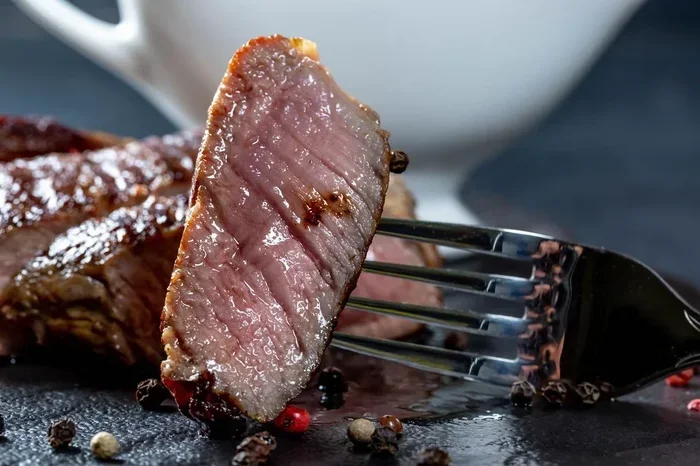
Tenderizing steak is the key to unlocking juicy flavor and perfect texture in every bite. Whether you prefer a thick-cut ribeye or a lean flank steak, the right tenderizing method transforms tough meat into a restaurant-quality meal at home. This guide covers the best techniques, from marinating and dry brining to mechanical tenderizing and smart cooking methods that guarantee a tender, flavorful steak every single time.
There is nothing quite like a perfectly cooked steak. The sizzle, the aroma, and that first juicy bite make all the effort worth it. But let us be honest, not every steak comes out of the package tender and ready to impress. Sometimes you end up with a cut that feels like chewing on a leather belt. That is where tenderizing steak comes in.
Tenderizing steak is not just a cooking trick, it is a game changer. Whether you are a beginner in the kitchen or a seasoned home cook, learning how to make your steak more tender unlocks a whole new level of flavor and texture. The good news is that you do not need fancy equipment or years of experience. A few simple techniques can turn even a tough, budget-friendly cut into something truly delicious.
In this guide, we walk you through every method you need to know. From marinating and dry brining to pounding, slicing, and cooking smart, you will have everything you need to serve a steak that melts in your mouth.
## Why Tenderizing Steak Makes All the Difference
Let us start with the basics. Why should you even bother tenderizing your steak? The answer comes down to texture and flavor.
Tough muscle fibers and connective tissues are naturally present in all beef. Some cuts have more of these than others. When you do not break them down before cooking, the steak can feel chewy and hard to enjoy. Tenderizing helps soften those fibers so each bite feels smooth, juicy, and satisfying.
Beyond texture, tenderizing also helps flavors penetrate deeper into the meat. A well-tenderized steak absorbs marinades, seasonings, and rubs much better. This means your steak tastes more flavorful from the inside out, not just on the surface.
### The Science Behind Steak Tenderness
Understanding a little bit of the science makes all the difference. Meat is made up of muscle fibers held together by connective tissue. The more a muscle is used during the animal’s life, the tougher it tends to be. That is why cuts from the shoulder or leg are naturally tougher than cuts from the loin or rib.
Heat, acid, salt, and physical force all help break down these fibers and connective tissues in different ways. The key is choosing the right method for the cut you are working with. A thick ribeye needs a different approach than a thin flank steak.
## Methods to Tenderize Steak
There are several ways to tenderize steak, and each method works best for specific situations. Let us go through them one by one so you can pick the right approach every time.
### Mechanical Tenderizing
Mechanical tenderizing uses physical force to break down the muscle fibers. This method is especially helpful for leaner cuts that tend to be tougher.
You can use a meat mallet or a tenderizing tool to pound the steak before cooking. Place the steak between two sheets of plastic wrap to prevent mess. Then gently pound from the center outward, working evenly across the surface.
Quick tip: Do not pound too hard. You want to soften the fibers, not turn the meat into mush. A few firm, even strikes do the job perfectly.
Another option is a blade tenderizer, which uses tiny blades to puncture and cut through the connective tissue. These tools are quick and effective, especially for thicker cuts.
### Marinating for Maximum Tenderness
Marinating is one of the most popular ways to tenderize steak. The acid in marinades helps break down the tough proteins in the meat, making it softer and more flavorful.
Great ingredients for a marinade include:
- Citrus juice, like lemon or lime
- Vinegar, such as apple cider or balsamic
- Yogurt or buttermilk
- Olive oil for moisture
- Garlic, herbs, and spices for flavor
The key is time. A marinade works best when the steak sits for at least 30 minutes, though tougher cuts benefit from a few hours or even overnight. Just be careful not to marinate too long, especially with strong acids. Over-marinating can make the texture mushy rather than tender.
Pro tip: If you are watching your calorie intake and following a plan like How To Use A Kettlebell For Weight Loss, a lean steak with a light marinade gives you a high-protein meal without excess fat.
### Dry Brining for Juicier Results
Dry brining is a simple method that works like magic. All you need is salt and time.
Here is how it works. Generously coat your steak with kosher salt and place it on a wire rack in the refrigerator. Leave it uncovered for at least one hour, or up to 24 hours for the best results.
The salt draws moisture out of the meat at first. Then, as the steak sits, that moisture gets reabsorbed along with the salt. This process breaks down some of the muscle proteins and helps the steak retain more juice during cooking. The result is a noticeably more tender and flavorful piece of beef.
### Cooking Techniques That Promote Tenderness
How you cook your steak matters just as much as how you prepare it before cooking. The right technique locks in moisture and keeps the meat tender.
Pan-searing is a classic method that creates a beautiful crust while keeping the inside juicy. Use a cast-iron skillet and get it ripping hot before adding the steak. A quick sear on each side followed by a brief rest in the pan does the trick.
Grilling is another great option. High, direct heat sears the outside fast, sealing in the juices. For thicker cuts, try a two-zone approach, searing over high heat and then moving to a cooler part of the grill to finish cooking gently.
Sous vide cooking gives you incredible control over the final texture. By cooking the steak in a precisely controlled water bath, you can hit the exact temperature for your preferred level of doneness every single time.
No matter which method you choose, let the steak rest for at least five to ten minutes after cooking. This allows the juices to redistribute throughout the meat, so they stay inside when you cut into it.
## Best Cuts of Steak for Tender Results
Not all steaks are created equal when it comes to tenderness. Some cuts are naturally more tender and require less work. Here is a quick look at popular options.
| Cut | Tenderness Level | Best Method |
|—–|—————–|————-|
| Ribeye | Very tender | Pan-sear or grill |
| Filet Mignon | Extremely tender | Pan-sear or sous vide |
| New York Strip | Tender | Grill or pan-sear |
| Flank Steak | Tougher | Marinate and grill |
| Skirt Steak | Tougher | Marinate and sear fast |
| Chuck Steak | Tough | Slow cook or pound |
If you are buying a naturally tougher cut, plan ahead. Give it extra time with a marinade or a dry brine. Mechanical tenderizing also helps these cuts shine.
## Common Mistakes That Make Steak Tough
Even with the best intentions, it is easy to make mistakes that leave your steak less tender than it should be. Here are the most common ones to avoid.
Skipping the rest period. Cutting into your steak right after cooking releases all the juices onto the cutting board. Always let it rest.
Overcooking the steak. Cooking past your desired doneness dries out the meat and makes it tough. Use a meat thermometer to check the internal temperature.
Not slicing against the grain. The grain refers to the direction of the muscle fibers. Cutting perpendicular to them shortens those fibers and makes each bite easier to chew.
Using the wrong cut for the method. A tough flank steak will not become tender just by pan-searing it quickly. It needs a marinade and high heat for a short time.
Over-marinating. Too much acid for too long breaks the meat down excessively, leading to a mushy texture instead of a tender one.
## Expert Tips for the Perfect Steak Every Time
Here are some extra tips from experienced cooks and food experts that take your steak game to the next level.
Bring your steak to room temperature before cooking. Take it out of the refrigerator about 30 minutes before it goes on the heat. This helps it cook more evenly throughout.
Season generously. Do not be shy with your salt and pepper. A well-seasoned steak has more flavor and a better crust.
Use a meat thermometer. This is the single best tool for avoiding overcooking. For medium-rare, aim for an internal temperature of about 130 to 135 degrees Fahrenheit.
Let the fat render. If your steak has a thick fat cap, start cooking fat-side down first. This renders the fat and adds flavor and moisture to the meat.
Keep it simple. You do not need a complicated recipe. Good meat, salt, pepper, heat, and time are all you need for an amazing steak.
## Key Takeaways
Key Takeaways
- Marinating is king: Acidic marinades with citrus, vinegar, or yogurt break down muscle fibers for a noticeably more tender steak.
- Dry brining works wonders: Simply salting your steak hours before cooking draws out moisture, which gets reabsorbed for a juicier result.
- Mechanical tenderizing helps tough cuts: Pounding or using a tenderizing tool physically breaks down the muscle fibers in leaner cuts.
- Resting your steak matters: Letting the meat rest after cooking keeps all those juices locked inside for a better bite.
- Cooking temperature is critical: Using a meat thermometer ensures you hit the perfect doneness without overcooking.
- Slice against the grain: This simple step makes any steak feel noticeably more tender when you eat it.
Key Takeaways
- Tenderizing steak transforms tough cuts into juicy, flavorful meals with minimal effort.
- Marinating with acidic ingredients like citrus, vinegar, or yogurt breaks down muscle fibers effectively.
- Dry brining with salt ahead of time draws out and reabsorbs moisture for a juicier result.
- Mechanical tenderizing through pounding or blade tools physically softens tough fibers.
- Cooking technique matters: proper searing, grilling, or sous vide methods preserve tenderness.
- Always rest your steak after cooking and slice against the grain for the best texture.
## Conclusion
Tenderizing steak is one of the simplest and most rewarding skills you can learn in the kitchen. It does not matter if you are working with a premium ribeye or a budget-friendly flank steak, the right technique makes a noticeable difference in every bite.
Start with the basics. Try dry brining your next steak and taste the difference. Experiment with a simple marinade. Learn to use a meat thermometer so you never overcook your steak again. These small changes add up to a big improvement in the quality of your meals.
The goal is not perfection on the first try. It is progress. Every steak you cook teaches you something new about your preferred texture, flavor, and method. Keep practicing, keep experimenting, and soon you will be serving steaks that rival your favorite restaurant.
If you are also looking to build a well-rounded fitness routine alongside your healthy eating habits, consider exploring how How To Use A Kettlebell For Weight Loss to complement your steak-centered high-protein diet. Pairing good nutrition with smart exercise creates the best results for your overall health.
## Frequently Asked Questions
What is the best way to tenderize a tough steak?
The best way depends on the cut. For tougher cuts like flank or skirt steak, a combination of marinating and mechanical tenderizing works extremely well. For naturally tender cuts like ribeye or filet mignon, a simple dry brine and proper cooking technique are all you need. The key is matching the method to the cut.
How long should I marinate my steak to tenderize it?
Most steaks benefit from at least 30 minutes of marinating, but tougher cuts do best with two to four hours. Avoid marinating for more than 24 hours, especially with strong acids like lemon juice or vinegar, as this can break down the meat too much and create a mushy texture.
Can I tenderize steak after it is cooked?
Not really. Tenderizing works best before cooking because it needs time to break down the muscle fibers and connective tissues. After cooking, you can still slice the steak against the grain to make it feel more tender, but the actual tenderizing process must happen beforehand.
Does pounding steak make it more tender?
Yes, pounding is a form of mechanical tenderizing that physically breaks down the muscle fibers. Use a meat mallet or a tenderizing tool and work gently from the center outward. This is especially effective for thinner cuts and tougher pieces of beef that benefit from a more uniform texture.
Is dry brining better than wet marinating?
Both methods have their strengths. Dry brining is simpler and enhances the natural beef flavor while improving moisture retention. Wet marinating adds more flavor variety through herbs, spices, and acidic ingredients. For the best results, try both and see which approach you prefer for different cuts of steak.
What temperature should I cook steak to keep it tender?
For the most tender result, aim for medium-rare to medium, which means an internal temperature of 130 to 140 degrees Fahrenheit. Overcooking dries out the meat and makes it tough. Always use a meat thermometer and let the steak rest for five to ten minutes after cooking to lock in the juices.
Frequently Asked Questions
What is how to tenderize steak?
how to tenderize steak is an important topic with many practical applications.