Signs Your Spouse Hates You
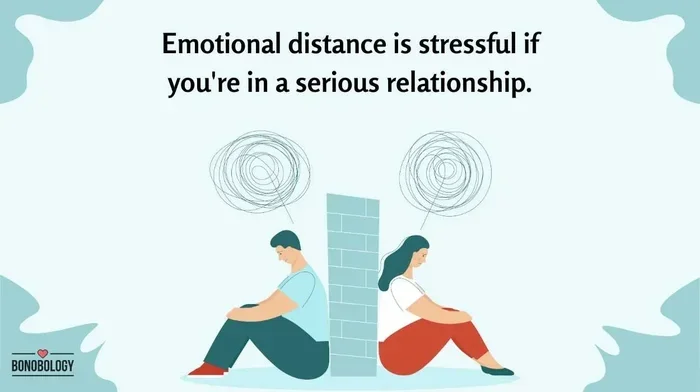
Recognizing the signs your spouse hates you is the first step toward understanding what is really happening in your marriage. These warning signs range from emotional withdrawal to open hostility, and they should never be ignored. If you notice persistent contempt, lack of affection, or constant criticism, your relationship may be in serious trouble. The good news is that awareness opens the door to change, whether through honest conversation or professional support.
Key Takeaways
- Emotional distance and silent treatment are among the earliest signs your spouse hates you.
- Contempt and constant criticism signal deep marital dissatisfaction that needs immediate attention.
- Physical avoidance and lack of affection often accompany emotional withdrawal in a toxic marriage.
- Walking on eggshells becomes a daily reality when your partner harbors resentment.
- Seeking marriage counseling is a proactive step when you notice multiple red flags.
- Protecting your mental health matters just as much as trying to fix the relationship.
📑 Table of Contents
- Understanding the Signs Your Spouse Hates You
- Emotional Withdrawal and the Silent Treatment
- Contempt, Criticism, and Constant Negativity
- Lack of Affection and Physical Avoidance
- Temporary Conflict vs. Deep Hatred: A Comparison
- Defensiveness and Stonewalling
- What You Can Do When You See These Signs
- Quick Tips for Navigating a Hostile Marriage
- Common Mistakes People Make
- Final Thoughts
Understanding the Signs Your Spouse Hates You
Every marriage goes through rough patches. Disagreements are normal. But when the negativity becomes constant and crushing, it is worth asking a hard question: do the signs your spouse hates you point to something deeper?
Marriage problems rarely appear overnight. They build slowly, like pressure in a sealed container. Often, one partner starts showing emotional distance long before any words are spoken. By the time the hostility becomes obvious, the damage may already be significant.
This article walks you through the most common relationship red flags that suggest deep-seated resentment. We will also explore what you can do about it. Whether you are looking for answers or preparing for a difficult conversation, understanding these signs is essential.
Emotional Withdrawal and the Silent Treatment
One of the most painful signs your spouse hates you is emotional withdrawal. This is not the same as needing alone time. It is a consistent pattern of shutting you out.
What Emotional Neglect Looks Like
Emotional neglect in a marriage can be subtle at first. Your partner stops asking about your day. They no longer share their own feelings. Conversations become transactional — only about logistics, bills, or the kids.
When you try to connect, you get the silent treatment. They give one-word answers. They look away. They physically leave the room. This kind of emotional withdrawal sends a clear message: you are not worth their time or energy.
Over time, this communication breakdown erodes trust. You start doubting yourself. You wonder if you are doing something wrong. The truth is, their behavior reflects their internal state, not your worth.
How Physical Stress Shows Up
Living with emotional distance takes a real toll on your body. Some people cope by throwing themselves into intense exercise — and jumping rope regularly can reveal how much physical strain emotional turmoil actually puts on your system. Others turn to overeating, insomnia, or anxiety. The point is, a hostile marriage affects your entire well-being.
Contempt, Criticism, and Constant Negativity
Contempt is often called the single biggest predictor of divorce. It goes beyond ordinary annoyance. When your spouse shows contempt, they look at you with disgust or superiority.
Recognizing Contempt in Marriage
Contempt shows up in small gestures. A sneer when you speak. An eye roll that speaks volumes. Sarcastic comments disguised as jokes. These are all forms of emotional abuse, even if they seem minor in the moment.
Constant criticism is another major warning sign. Your partner finds fault with everything — how you cook, how you parent, how you dress. Nothing you do is ever good enough. This relationship toxicity wears you down over time.
If you feel like you are walking on eggshells every single day, that is a clear indicator that something is deeply wrong. You should not have to feel afraid of your own spouse.
Lack of Affection and Physical Avoidance
Physical intimacy is a cornerstone of most romantic relationships. When your spouse pulls away from touch, it is one of the most telling signs your spouse hates you.
Why Affection Matters
Affection is not just about sex. It includes holding hands, hugging, sitting close on the couch, or a simple goodnight kiss. When these small gestures disappear, the emotional connection frays.
A partner who hates you will avoid all forms of physical closeness. They might pull away when you try to cuddle. They sleep on the opposite side of the bed. They make excuses to avoid physical contact altogether.
This kind of marital dissatisfaction is not always about anger. Sometimes it is about resentment building over months or years of feeling unheard or unappreciated.
Temporary Conflict vs. Deep Hatred: A Comparison
Not every disagreement means your spouse hates you. It helps to understand the difference between normal conflict and deeper hostility.
| Temporary Conflict | Signs of Deep Hatred |
|---|---|
| Arguing about specific issues | Contempt and disgust in every interaction |
| Cooling off after a fight | Persistent coldness that never lifts |
| Both partners try to resolve it | One partner refuses all communication |
| Affection returns after reconciliation | Complete lack of physical or emotional closeness |
| Both feel heard and respected | Walking on eggshells becomes the norm |
If you see yourself in the “deep hatred” column more often than not, it is time to take action. Ignoring these patterns will only make things worse.
Defensiveness and Stonewalling
Two more behaviors that signal deep trouble are defensiveness and stonewalling. Both are common in marriages where one partner has checked out emotionally.
The Cycle of Defensiveness
When you try to talk about problems, does your spouse immediately become defensive? They counter every point, deny any wrongdoing, or turn the conversation around to blame you. This passive aggressive behavior prevents any real resolution.
Stonewalling is even more damaging. Your spouse simply refuses to engage. They shut down completely during difficult conversations. They give you the silent treatment or leave the room. This is a form of emotional withdrawal that leaves you feeling isolated and powerless.
Together, defensiveness and stonewalling create a toxic cycle. You try to communicate. They shut you down. You feel unheard. The resentment grows. And the cycle repeats.
What You Can Do When You See These Signs
Discovering the signs your spouse hates you is painful. But awareness is the first step toward change. You have options.
Start with Honest Communication
Choose a calm moment to express how you feel. Use “I” statements instead of accusations. Say, “I feel disconnected from you,” rather than “You hate me.” This approach is less likely to trigger defensiveness.
Listen to their response without interrupting. Sometimes a spouse who seems hateful is actually crying out for help in the only way they know how.
Consider Marriage Counseling
If direct communication does not work, marriage counseling is a powerful next step. A trained therapist can help both of you identify the root causes of the hostility. They provide a safe space for honest conversation.
Many couples who feel hopeless have rebuilt their relationships with professional guidance. It is never too late to try — unless you have already exhausted every option and your well-being is at stake.
Protect Your Mental Health
While working on the relationship, do not neglect yourself. Surround yourself with supportive friends and family. Consider individual therapy to process your emotions. A spouse who hates you can erode your self-esteem if you let it.
Some people find that channeling their energy into a healthy routine helps them cope. For instance, spending time at the gym — even stopping to charge your phone on a Planet Fitness treadmill while you work out — can provide a small sense of normalcy and personal space during a turbulent time.
Know When It Is Time to Move On
Not every marriage can be saved, and that is okay. If your spouse shows no willingness to change, if the relationship toxicity is worsening, or if you feel unsafe, it may be time to consider your next steps. Your happiness and safety matter more than preserving a broken dynamic.
Sometimes the most loving thing you can do — for both yourself and your partner — is to walk away.
Quick Tips for Navigating a Hostile Marriage
- Document patterns: Write down specific incidents of hostility so you can identify trends over time.
- Set boundaries: Clearly communicate what behavior you will and will not accept.
- Avoid retaliating: Responding with contempt only deepens the wound.
- Stay grounded in self-care: Exercise, sleep, and nutrition matter more than ever during emotional stress.
- Seek support: Talk to a trusted friend, family member, or counselor. Do not isolate yourself.
Common Mistakes People Make
When you suspect your spouse hates you, it is easy to fall into traps that make things worse.
Mistake 1: Blaming yourself entirely. Your partner’s feelings are their responsibility. You are not the cause of their hatred, even if they try to convince you otherwise.
Mistake 2: Trying to fix everything alone. You cannot force your spouse to change. You can only control your own actions and responses.
Mistake 3: Ignoring the signs. Hoping the problem will go away on its own almost never works. The longer you ignore marriage problems, the deeper the resentment grows.
Mistake 4: Matching their hostility. Responding with anger or coldness mirrors the behavior you despise. It never leads to a positive outcome.
Mistake 5: Rushing to conclusions. Sometimes a spouse acts out because of external stressors — work pressure, health issues, or grief. Consider the full picture before making assumptions.
For those who do try to rebuild, consistency matters. Just like maintaining equipment requires regular attention — such as knowing when to schedule your treadmill sessions before or after other exercises — relationships require deliberate, consistent effort to stay healthy.
Final Thoughts
The signs your spouse hates you are not always obvious at first. They hide in small gestures, missed conversations, and cold silences. But over time, the pattern becomes impossible to ignore.
If you recognize yourself in this article, take a breath. You are not alone, and you are not broken. Understanding what is happening is the first step toward either healing your marriage or making a brave decision to move forward.
Whatever you choose, prioritize your well-being. You deserve a relationship built on respect, love, and mutual care.
Frequently Asked Questions
Can a marriage survive if one spouse hates the other?
It is possible, but it requires effort from both partners. If the spouse who hates you is willing to engage in honest communication and counseling, there is hope. However, if they refuse to acknowledge the problem or make any changes, survival becomes very difficult.
How do I know if my spouse truly hates me or is just going through a rough patch?
Look at the duration and intensity of the behavior. A rough patch is temporary and often linked to a specific stressor. If the hostility has been consistent for months and includes contempt, emotional withdrawal, and lack of affection, it is more than a rough patch.
Should I confront my spouse about the signs they hate me?
Yes, but choose your approach carefully. Use calm, non-accusatory language. Focus on how you feel rather than labeling their behavior. A heated confrontation can make things worse, while a thoughtful conversation can open the door to healing.
Is emotional abuse the same as a spouse hating you?
Not always, but they often overlap. Emotional abuse includes patterns of control, intimidation, and degradation. Hatred in a marriage can manifest as contempt, criticism, and withdrawal. Both are serious and deserve attention.
What if my children are witnessing the hostility between me and my spouse?
Children are deeply affected by marital conflict. If your kids are seeing the signs your spouse hates you, it is important to prioritize their emotional safety. Consider family therapy and ensure they know the conflict is not their fault.
When should I consider leaving the marriage?
If your spouse shows no willingness to change, if the toxicity is worsening, or if you feel unsafe, it may be time to consider separation. Trust your instincts and seek professional guidance to make the best decision for your life.