The Surprising Amount of Protein in Avocado Explained
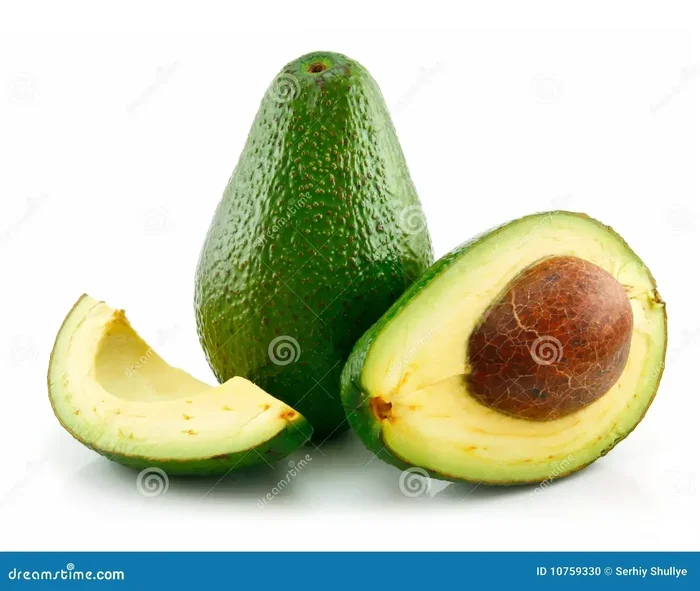
Avocado is packed with more protein than most people realize. This nutrient-dense fruit delivers healthy fats, fiber, and essential vitamins alongside its protein content. Learn how avocado protein can boost your daily nutrition and support your health goals.
When you think of protein in avocado, you probably picture a green, creamy fruit full of healthy fats. But here is the surprise: avocados actually contain a meaningful amount of protein too. Most people eat avocados for the fats and the taste. Few realize this superfood also helps you hit your daily protein goals.
Whether you are a vegan, a fitness lover, or just someone who wants to eat healthier, understanding avocado nutrition facts can change the way you look at this fruit. In this guide, we break down exactly how much protein is in avocado, what else it offers, and why it deserves a spot in your meals every single day.
Key Takeaways
- Avocado contains about 4 grams of protein per cup: making it a solid plant-based protein source for smoothies, salads, and meals.
- It offers healthy monounsaturated fats: which support heart health and help your body absorb vitamins more effectively.
- Avocado protein pairs well with other protein-rich foods: creating complete amino acid profiles for muscle building and recovery.
- The fruit is rich in fiber and potassium: aiding digestion, blood pressure control, and overall wellness.
- Adding avocado to your diet is simple: try it in smoothies, toast, salads, or as a butter substitute in baking.
📑 Table of Contents
- Why Avocado Is More Than Just a Healthy Fat
- Avocado Protein Content — The Numbers That Surprise You
- How Avocado Protein Compares to Other Protein Sources
- The Full Nutritional Profile of Avocado
- Health Benefits of the Protein and Nutrients in Avocado
- Easy Ways to Add More Avocado to Your Diet
- Conclusion
Why Avocado Is More Than Just a Healthy Fat
Avocados get a lot of love for their fat content. And for good reason. The healthy fats in avocado are some of the best you can eat. But the fruit is so much more than a fat source. It is a complete nutrition package that happens to include protein too.
Most fruits are known for their sugar content. Avocado stands out because it is low in sugar and high in beneficial nutrients. A single serving gives you vitamins, minerals, fiber, and yes, protein. This makes it one of the most nutrient-dense foods you can add to your plate.
The Role of Protein in Your Daily Diet
Protein is essential for building and repairing muscles. It also supports your immune system, helps with hormone production, and keeps you feeling full longer. Most adults need about 46 to 56 grams of protein per day, depending on their body size and activity level.
While avocado alone will not meet all your protein needs, it contributes in a meaningful way. Think of it as a supporting player in your overall protein intake. When you combine avocado with other protein-rich foods, you create a balanced and satisfying meal.
Avocado Protein Content — The Numbers That Surprise You
So, how much protein is actually in an avocado? Let us look at the numbers. A whole Hass avocado, which is the most common variety, contains about 4 grams of protein. A cup of sliced avocado, which is roughly half a fruit, gives you about 3 grams of protein.
Now, 4 grams might not sound like a lot. But consider this. Avocado is a fruit. Most fruits have very little protein. An apple has less than half a gram. A banana has about 1 gram. So when you compare avocado protein per serving to other fruits, avocado comes out way ahead.
For people following a plant-based diet, every gram of protein counts. Adding half an avocado to your salad or smoothie can push your protein intake in the right direction. It is a small addition with a real impact.
Avocado vs. Other Common Fruits
Let us put this into perspective. Here is a quick look at how avocado protein compares to other popular fruits:
- Avocado (1 whole): 4 grams of protein
- Banana (1 medium): 1.3 grams of protein
- Apple (1 medium): 0.5 grams of protein
- Orange (1 medium): 1.2 grams of protein
- Strawberries (1 cup): 1 gram of protein
As you can see, avocado is a clear winner when it comes to protein among fruits. It is not going to replace a chicken breast or a scoop of barbell protein powder. But it is a valuable addition to any diet focused on whole foods.
If you are someone who tracks your protein intake carefully, you might want to check the how much sugar is in a barbell protein bar as a comparison point for your daily nutrition planning. Understanding the full picture of your protein sources helps you make better choices throughout the day.
How Avocado Protein Compares to Other Protein Sources
Not all protein is created equal. Some sources are complete, meaning they contain all nine essential amino acids. Others are incomplete and need to be paired with complementary foods. So where does avocado stand?
Avocado contains all essential amino acids, but in small amounts. This makes it an incomplete protein source on its own. However, when you pair it with grains, legumes, or nuts, you create a complete amino acid profile. This is great news for anyone following a vegan protein sources lifestyle.
Best Protein Pairings with Avocado
Here are some easy combinations that boost the protein value of your avocado meals:
- Avocado and whole grain toast: The bread provides complementary amino acids that avocado lacks.
- Avocado and black beans: A classic combo that creates a complete protein meal.
- Avocado and eggs: Eggs add high-quality protein to balance out the healthy fats.
- Avocado and quinoa salad: Quinoa is a complete protein on its own, and avocado adds extra nutrients.
- Avocado and nuts: A handful of almonds or walnuts makes a protein-rich snack.
If you are looking for a convenient on-the-go option, many people turn to protein bars. You may want to compare your avocado-based meals to what you find in a barbell protein bar 2 to see how your whole-food choices stack up against processed alternatives.
For active individuals, protein needs go up. If you lift weights or do endurance training, you need more protein to recover. Adding avocado to your post-workout meals gives you protein, healthy fats, and electrolytes all at once. It is a smart, natural choice for anyone serious about fitness.
The Full Nutritional Profile of Avocado
Protein is just one piece of the puzzle. Avocado is loaded with other nutrients that make it a true superfood. Let us break down what else is inside this green powerhouse.
Healthy Monounsaturated Fats
The main fat in avocado is oleic acid, a monounsaturated fat also found in olive oil. These fats support heart health by reducing bad cholesterol levels. They also help your body absorb fat-soluble vitamins like A, D, E, and K more efficiently.
Dietary Fiber
A whole avocado contains about 10 grams of dietary fiber. That is roughly one-third of your daily recommended intake. Fiber supports healthy digestion, keeps blood sugar stable, and helps you feel full after meals. This makes avocado a great choice for anyone managing their weight or healthy eating goals.
Potassium and Vitamins
Avocado has more potassium than a banana. Potassium is crucial for maintaining healthy blood pressure and proper muscle function. The fruit is also rich in vitamins C, E, K, and several B vitamins. Each of these plays a unique role in keeping your body functioning at its best.
Antioxidants and Anti-Inflammatory Compounds
Avocado contains antioxidants like lutein and zeaxanthin, which support eye health. It also has anti-inflammatory properties that may help reduce inflammation in the body. These benefits add to the reasons why avocado health benefits go far beyond just protein.
Health Benefits of the Protein and Nutrients in Avocado
Now that you know what is inside avocado, let us talk about what all of those nutrients do for your body. The combination of protein, healthy fats, fiber, and vitamins creates a powerful synergy that supports multiple aspects of health.
Supports Muscle Building and Recovery
Protein is the building block of muscle. While avocado is not a high-protein food, the protein it does contain works alongside its other nutrients to support muscle recovery. After a tough workout, your body needs protein to repair muscle tissue. The healthy fats in avocado also help reduce inflammation, which speeds up recovery time.
If you are someone who enjoys strength training, you might already be familiar with the importance of post-workout nutrition. Adding avocado to a meal after exercise gives your body a steady supply of protein and fats without the heaviness of a large meal.
Promotes Heart Health
The monounsaturated fats in avocado have been shown to lower LDL cholesterol and raise HDL cholesterol. This is the kind of fat profile that cardiologists recommend. Combined with the potassium content, avocado supports healthy blood pressure and overall cardiovascular function.
Aids in Weight Management
Protein and fiber are two nutrients that promote satiety. They help you feel full and satisfied, which can reduce overall calorie intake. Avocado delivers both of these nutrients in a single food. Studies have shown that people who eat avocados regularly tend to have lower body weight and better nutrient intake overall.
Supports Brain Health
The healthy fats in avocado are also good for your brain. Your brain is about 60 percent fat, and it needs quality fats to function properly. The omega-3 fatty acids and monounsaturated fats in avocado support cognitive function, memory, and mood regulation.
Easy Ways to Add More Avocado to Your Diet
Now that you understand the protein and nutrition benefits of avocado, you probably want to eat more of it. The good news is that avocado is incredibly versatile. You can use it in sweet and savory dishes, snacks, and even desserts.
Simple Ideas for Daily Avocado Intake
- Breakfast: Spread mashed avocado on toast. Add a poached egg for extra protein.
- Lunch: Toss sliced avocado into a salad with mixed greens and grilled chicken.
- Snack: Eat half an avocado with a sprinkle of salt and pepper. Simple and satisfying.
- Smoothie: Blend half an avocado with spinach, banana, and protein powder for a creamy shake.
- Dinner: Use avocado as a topping for tacos, burrito bowls, or grilled fish.
- Baking: Replace butter with mashed avocado in brownies or muffins for a healthier twist.
If you are tracking your nutrition, you might also want to check out the how much sugar is in a barbell protein bar to understand how your avocado-based snacks compare to processed protein options in terms of sugar and overall nutrition.
How Much Avocado Should You Eat Per Day?
There is no strict rule, but most nutrition experts recommend half to one whole avocado per day. This amount gives you a good balance of protein, healthy fats, and fiber without going overboard on calories. A whole avocado has about 240 calories, so portion control matters if you are watching your intake.
For most people, half an avocado is a perfect serving size. It adds creaminess and nutrition to any meal without feeling excessive. Listen to your body and adjust based on your activity level and dietary goals.
Conclusion
The protein in avocado might surprise you, but it is just the beginning of what this fruit has to offer. With about 4 grams of protein per whole fruit, avocado holds its own among other whole foods. More importantly, it brings healthy fats, fiber, potassium, and a wide range of vitamins to the table.
Avocado is not a magic protein source. It is not meant to replace your chicken, eggs, or protein shakes. But it is a wonderful addition to any diet. Whether you are vegan, vegetarian, or just trying to eat cleaner, avocado fits right in.
The next time you slice open an avocado, remember that you are getting more than just healthy fats. You are getting a nutrient-dense food that supports your muscles, your heart, your brain, and your overall well-being. Make it a regular part of your meals, and your body will thank you.
Start small. Add half an avocado to your next meal. Notice how it makes you feel. Once you experience the benefits, you will wonder how you ever lived without it.
Frequently Asked Questions
How much protein is in a whole avocado?
A whole Hass avocado contains approximately 4 grams of protein. While this is not a high amount compared to meat or legumes, it is impressive for a fruit and contributes meaningfully to your daily intake.
Is avocado a complete protein source?
Avocado contains all nine essential amino acids, but in small amounts. It is considered an incomplete protein on its own. Pairing it with grains or legumes creates a complete amino acid profile for better nutrition.
Can I get enough protein from avocado alone?
No, avocado alone will not meet your daily protein needs. Most adults require 46 to 56 grams of protein per day. Use avocado as a supplement to your protein intake, not your sole source.
How does avocado protein compare to a protein bar?
A typical protein bar contains 15 to 30 grams of protein, while avocado provides about 4 grams per whole fruit. Protein bars are more concentrated, but avocado offers healthy fats and fiber that most bars lack.
What are the best ways to eat avocado for protein?
Pair avocado with protein-rich foods like eggs, beans, quinoa, or nuts. This creates balanced meals that maximize both protein content and amino acid completeness for better health outcomes.
Does the protein content change based on avocado size?
Yes, larger avocados contain more protein simply because they have more flesh. A small avocado might have 2 to 3 grams of protein, while a large one can have 5 grams or more. Always check the size when tracking your intake.