Prime Rib Cooking Time Per Pound for Perfect Results
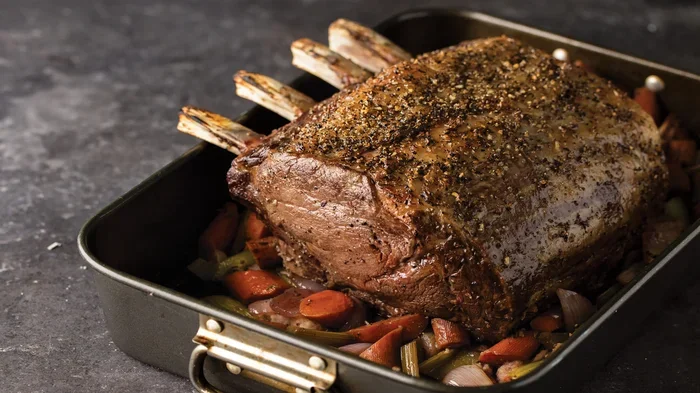
Prime rib cooking time per pound depends on your roast size, bone-in or boneless cut, and desired doneness. A bone-in prime rib typically needs 15-20 minutes per pound at 325°F, while boneless roasts cook slightly faster. Use a meat thermometer and always let your roast rest for 20-30 minutes before slicing for the juiciest results.
Cooking a prime rib roast can feel intimidating. You might wonder if you will overcook it or dry it out. The good news is that once you understand the basics, it becomes much simpler. Prime rib cooking time per pound is really the key number you need to get right.
Whether you are preparing a holiday dinner or a weekend feast, knowing how long to cook your roast makes all the difference. This guide walks you through everything step by step. We will cover weights, temperatures, bone-in versus boneless cuts, and the best methods for juicy, tender results. Let us dive in.
Key Takeaways
- Cooking Time Per Pound: Plan for 15-20 minutes per pound at 325°F for a bone-in prime rib roast.
- Internal Temperature Matters: Aim for 120°F for rare, 130°F for medium-rare, and 140°F for medium.
- Bone-In vs. Boneless: Bone-in roasts take longer but add more flavor and keep the meat juicier.
- Resting Is Essential: Let your prime rib rest for at least 20 minutes after cooking to lock in juices.
- Reverse Sear Method: Cooking low and slow then finishing with a hot sear gives the best crust and even doneness.
- Season Early: Salt your prime rib at least 24 hours ahead for deeper flavor and better crust.
- Use a Meat Thermometer: Never rely on time alone. A probe thermometer removes all guesswork.
📑 Table of Contents
- Understanding Prime Rib Cooking Time Per Pound
- Prime Rib Cooking Time Per Pound by Weight
- The Best Oven Temperature for Prime Rib
- How to Know When Prime Rib Is Done
- Resting Your Prime Rib: The Most Overlooked Step
- Common Mistakes to Avoid When Cooking Prime Rib
- Pro Tips for Perfect Prime Rib Every Time
- How Much Prime Rib Per Person?
- Final Thoughts on Prime Rib Cooking Time Per Pound
Understanding Prime Rib Cooking Time Per Pound
The basic rule for prime rib cooking time per pound is straightforward. At 325°F, a bone-in roast needs about 15 to 20 minutes per pound. A boneless roast cooks a bit faster, usually around 12 to 15 minutes per pound. But these numbers are just a starting point. Many factors can change your actual cook time.
What Affects Prime Rib Cooking Time?
Several things influence how long your roast takes. Let us break them down:
- Roast Weight: A larger roast takes longer overall but may cook slightly faster per pound because of how heat spreads through the meat.
- Bone-In vs. Boneless: The bone acts as insulation. A bone-in roast takes more time but often tastes better because the bone adds flavor.
- Desired Doneness: A rare roast needs less time than a well-done roast. Rare might need 15 minutes per pound, while well-done could need 25.
- Oven Type: Convection ovens cook faster than standard ovens. You may need to reduce time by about 25 percent.
- Starting Temperature: A roast taken straight from the fridge cooks slower than one brought to room temperature first.
- Roasting Pan and Rack: A heavy pan retains more heat and can speed up cooking slightly.
Prime Rib Cooking Time Per Pound by Weight
Here is a practical look at how long different sizes of prime rib take to cook. These numbers assume a bone-in roast at 325°F and aim for medium-rare.
- 3-4 Pounds: About 45 to 60 minutes total cook time.
- 5-6 Pounds: About 75 to 100 minutes total cook time.
- 7-8 Pounds: About 105 to 130 minutes total cook time.
- 9-10 Pounds: About 135 to 170 minutes total cook time.
- 10+ Pounds: Plan for 150 minutes or more, depending on your oven.
Always remember these are estimates. The real way to know your roast is done is with a meat thermometer. Insert it into the thickest part of the roast, away from the bone, for the most accurate reading.
Bone-In vs. Boneless Prime Rib: Which Cooks Faster?
A bone-in prime rib roast takes longer to cook than a boneless one. The bone slows down heat transfer to the center of the meat. But many cooks prefer bone-in because it keeps the meat more moist and adds a rich, savory flavor to the roast.
A boneless prime rib roast is easier to slice and cooks faster. If you are short on time, a boneless cut might be the better choice. Just keep in mind that boneless roasts can dry out faster, so watch the internal temperature closely.
Think of it this way. Just like knowing how to make time go faster on treadmill helps you push through a long workout, understanding your roast’s timing helps you stay patient and get the perfect result.
The Best Oven Temperature for Prime Rib
Most experts agree that 325°F is the sweet spot for cooking prime rib. This temperature allows the roast to cook evenly without drying out the outer layers. But some cooks prefer a different approach.
Low and Slow Method
The low and slow method uses a lower temperature, around 225°F to 250°F. This approach takes much longer but produces incredibly tender meat. A 7-pound roast might take 4 to 5 hours at 250°F. The low heat gently breaks down the connective tissue, making the meat fall-apart tender.
This method works well if you want to think about what to do on treadmill to pass time during a long cook, because the oven does the work for you. You just need to check the temperature occasionally.
High Heat Method (Reverse Sear)
The reverse sear method starts with a low oven temperature and finishes with a blast of high heat. You cook the roast at 225°F until it reaches about 115°F internally, then crank the oven to 450°F for 15 to 20 minutes to develop a beautiful crust.
This method gives you the best of both worlds. The meat stays juicy inside, and the outside gets a perfect sear. It is my personal favorite for a show-stopping prime rib.
Standard High Heat Method
Some recipes start with a high temperature of 450°F for the first 15 minutes, then drop it to 325°F. This initial blast of heat helps form a crust and locks in juices. After the sear, the roast cooks at a steady 325°F until it reaches the target temperature.
This method works well for smaller roasts under 5 pounds. Larger roasts benefit more from the low and slow or reverse sear approach.
How to Know When Prime Rib Is Done
Timing is only half the battle. The other half is knowing the internal temperature of your roast. This is where a meat thermometer becomes your best friend.
Prime Rib Internal Temperature Guide
Here is what your target temperatures should be for each level of doneness:
- Rare: 120°F to 125°F. The center will be bright red and cool.
- Medium-Rare: 130°F to 135°F. This is the most popular choice. The center is warm and red with a pink ring.
- Medium: 140°F to 145°F. The center is pink with little to no red.
- Medium-Well: 150°F to 155°F. Very little pink remains.
- Well-Done: 160°F and above. No pink at all, though this is not recommended for prime rib.
Remember that the temperature will rise 5 to 10 degrees after you take the roast out of the oven. This is called carryover cooking. So if you want medium-rare at 135°F, pull the roast out at 125°F to 130°F.
Why Timing Alone Is Not Enough
Relying only on the clock can lead to overcooked or undercooked prime rib. Every oven is different. Every roast is different. A meat thermometer takes the guesswork out of the equation completely. It is the single best tool you can own for cooking prime rib.
Resting Your Prime Rib: The Most Overlooked Step
One of the biggest mistakes home cooks make is cutting into the roast too soon. Resting time is just as important as cooking time. When you remove the roast from the oven, the juices inside are under high pressure. If you cut right away, those juices run out onto the cutting board instead of staying in the meat.
How Long Should Prime Rib Rest?
A good rule of thumb is to rest your prime rib for 20 to 30 minutes. A large roast of 8 pounds or more may need the full 30 minutes. During this time, the temperature will even out, and the juices will redistribute throughout the meat.
While your prime rib rests, you might find yourself thinking about when is the best time to do treadmill sessions for your fitness routine, because timing is important in both cooking and exercise.
Tent the roast loosely with aluminum foil during resting. Do not wrap it tightly, or you will trap too much steam and soften the crust.
Common Mistakes to Avoid When Cooking Prime Rib
Even experienced cooks can make mistakes with prime rib. Here are the most common ones and how to avoid them:
- Skipping the Salt: Salt your roast at least 24 hours before cooking. This draws out moisture, which then gets reabsorbed, creating a deeper flavor and better crust.
- Not Using a Thermometer: Relying on time alone is a recipe for inconsistency. A digital probe thermometer is worth every penny.
- Cooking at Too High a Temperature: High heat can burn the outside while leaving the inside raw. Stick to 325°F or lower for even cooking.
- Cutting Too Early: Resist the urge to slice right away. Give the roast the full resting time it deserves.
- Ignoring Carryover Cooking: Pull the roast off the heat early to account for the temperature rise during resting.
- Forgetting to Bring the Roast to Room Temperature: Take the roast out of the fridge 1 to 2 hours before cooking for more even results.
Pro Tips for Perfect Prime Rib Every Time
Want to take your prime rib to the next level? Here are some expert tips that make a real difference:
- Dry Brine Overnight: Apply kosher salt generously the night before. Place the roast uncovered in the fridge. This dries the surface and improves the crust.
- Use Fresh Herbs: A blend of rosemary, thyme, and garlic rubbed on the roast adds wonderful aroma and flavor.
- Sear Before Roasting: If you use the standard method, sear all sides of the roast in a hot skillet with olive oil before placing it in the oven.
- Let the Roast Speak: Every prime rib is different. Trust your thermometer more than any recipe’s time estimate.
- Save the Drippings: The juices left in the pan make an incredible gravy. Simply deglaze with beef broth and whisk in a little flour if you like it thicker.
- Slice Against the Grain: This makes each slice more tender and easier to chew.
How Much Prime Rib Per Person?
When planning your dinner, a good rule of thumb is to buy about 1 pound of bone-in prime rib per person. For boneless, plan for half a pound per person. If you are serving a crowd with big appetites, go with 1.5 pounds per person to be safe.
Keep in mind that the bone adds weight but not edible meat. A 7-bone standing rib roast (about 7 pounds) will typically serve 6 to 7 people comfortably. Plan for leftovers, because prime rib never tastes better than the next day in sandwiches or hash.
Final Thoughts on Prime Rib Cooking Time Per Pound
Prime rib cooking time per pound is your roadmap to a perfect roast. Bone-in cuts need about 15 to 20 minutes per pound at 325°F, while boneless roasts cook a bit faster. But numbers are just a guide. The real secret is using a meat thermometer, letting the roast rest properly, and taking your time with the process.
Cooking prime rib is not about rushing. It is about patience, good timing, and attention to detail. Follow the tips in this guide, and you will serve a prime rib that impresses everyone at your table. Happy cooking!
Frequently Asked Questions
How long does it take to cook a 5-pound prime rib?
A 5-pound bone-in prime rib roast takes about 75 to 100 minutes at 325°F, depending on your desired doneness. For medium-rare, aim for about 85 minutes and use a meat thermometer to check the internal temperature. Always account for carryover cooking when pulling the roast from the oven.
What is the best temperature to cook prime rib?
The best temperature for cooking prime rib is 325°F for a standard roast. For a more tender result, try the low and slow method at 225°F to 250°F. The reverse sear method starts low at 225°F and finishes at 450°F for a perfect crust. Choose the method that fits your schedule and preferences.
Should I cover prime rib with foil while cooking?
No, do not cover prime rib with foil while it cooks in the oven. Leaving it uncovered allows the heat to circulate evenly and helps form a delicious crust. You can tent it loosely with foil only during the resting period to keep it warm without steaming the surface.
How long should prime rib rest before slicing?
Prime rib should rest for at least 20 minutes, and up to 30 minutes for larger roasts. During resting, the juices redistribute throughout the meat, making each slice more moist and flavorful. Use a loose tent of aluminum foil to keep it warm without softening the crust.
Can I cook prime rib from frozen?
It is not recommended to cook prime rib from frozen. Thawing the roast in the refrigerator for 24 to 48 hours before cooking ensures more even cooking and better results. Cooking from frozen can lead to an overcooked exterior and a raw center. Always use a meat thermometer to check doneness.
How do I know if my prime rib is done without a thermometer?
Using the finger test is an old-school method, but it is not very reliable. Press the center of the roast with your finger and compare the firmness to the feel of your palm below your thumb. Rare feels soft, medium-rare feels springy, and well-done feels firm. However, a meat thermometer is far more accurate and takes all the guesswork out of cooking prime rib.