Pork Tenderloin Recipes That Will Change Your Dinner Game
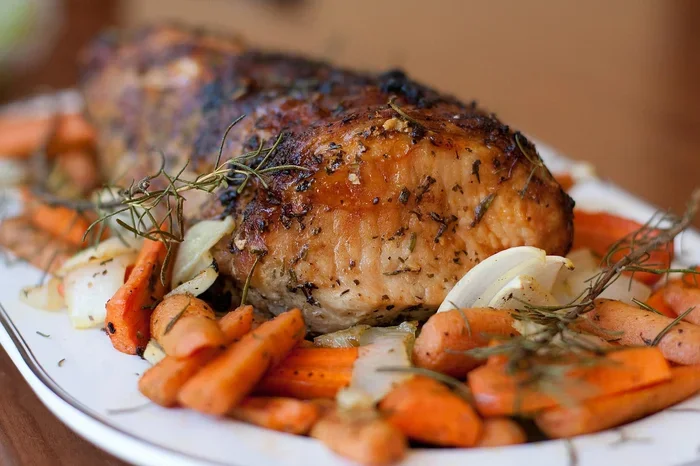
Pork tenderloin is one of the most versatile and underrated cuts of meat you can cook at home. These pork tenderloin recipes are simple, fast, and packed with flavor. Whether you are a beginner or a seasoned home cook, you will find something that works for your dinner table tonight.
Let me tell you something. Pork tenderloin might just be the best-kept secret in the meat aisle. It is lean, tender, and ridiculously easy to cook. Yet most people skip right past it and grab chicken breasts or ground beef instead. That is a huge missed opportunity. Once you try a few great pork tenderloin recipes, you will wonder why you ever settled for boring dinners. This cut of meat is a total game changer for weeknight meals and weekend feasts alike.
The beauty of pork tenderloin lies in its simplicity. You do not need fancy equipment or years of cooking experience. A basic oven, a skillet, and a few pantry staples are all you need. Whether you prefer something baked, pan-seared, or slow-roasted, the results are consistently delicious. In this guide, we will walk you through everything you need to know. From cooking tips and seasoning ideas to full recipes, you will have plenty of inspiration for your next meal.
Key Takeaways
- Pork tenderloin is incredibly easy to cook: It cooks fast, stays juicy, and works with almost any seasoning or cooking method.
- These recipes suit every skill level: From simple weeknight dinners to gourmet dishes, there is a recipe for everyone.
- Proper cooking temperature matters: Always aim for 145°F internally to get tender, safe, and flavorful results.
- Marinating adds big flavor: Even a quick 30-minute soak transforms a plain cut into something extraordinary.
- Pairing with the right sides elevates the meal: Roasted veggies, mashed potatoes, and fresh salads complement pork beautifully.
- Avoid common mistakes like overcooking: This is the number one reason pork turns dry and tough.
- Pork tenderloin fits any budget: It is affordable, feeds a family easily, and produces restaurant-quality results at home.
📑 Table of Contents
- Why Pork Tenderloin Is a Weeknight Hero
- How to Cook Pork Tenderloin Perfectly Every Time
- Easy Pork Tenderloin Recipes for Busy Nights
- Gourmet Pork Tenderloin Recipes for Special Occasions
- Best Side Dishes for Pork Tenderloin
- Common Mistakes to Avoid When Cooking Pork Tenderloin
- Key Takeaways
- Conclusion
Why Pork Tenderloin Is a Weeknight Hero
If you are tired of spending hours in the kitchen after a long day, pork tenderloin is your new best friend. This cut is naturally lean and free of heavy fat marbling. That means it cooks fast. Most pork tenderloin roasts take only 20 to 30 minutes in the oven. Compare that to a pork shoulder or a bone-in roast that needs hours. The time savings alone make it worth trying.
Another reason this cut shines is its mild flavor. Pork tenderloin absorbs seasonings beautifully. You can go smoky, spicy, sweet, or herbaceous. It adapts to whatever flavor profile you are craving. It also pairs well with almost any side dish. Roasted vegetables, rice, potatoes, fresh salads, and crusty bread all work wonderfully alongside it. That flexibility makes meal planning so much easier.
Let us talk about nutrition too. Pork tenderloin is one of the leanest cuts of pork available. A 3-ounce serving contains roughly 120 calories and about 3 grams of fat. It is also an excellent source of protein, B vitamins, and minerals like zinc and selenium. So you are not just saving time. You are also making a healthy choice for your family.
How Long Does Pork Tenderloin Take to Cook?
Cooking time depends on the method you choose. For oven roasting, plan on about 20 to 25 minutes at 400°F. Pan searing takes around 6 to 8 minutes total. Grilling usually requires 12 to 15 minutes over medium-high heat. Always use a meat thermometer. The pork tenderloin internal temp should reach 145°F for safe and juicy results. Let the meat rest for at least 5 minutes before slicing.
How to Cook Pork Tenderloin Perfectly Every Time
Cooking pork tenderloin perfectly is easier than you think. The key is understanding a few simple principles. Once you master these, you will never serve dry pork again. Here is what you need to keep in mind for every cook.
Step One: Trim and Prepare the Meat
Start by removing the silverskin. This thin, tough membrane on the surface can cause the meat to curl during cooking. Use a sharp knife to gently slide under it and pull it away. Next, pat the tenderloin dry with paper towels. Dry meat browns better and absorbs seasoning more effectively. This one simple step makes a noticeable difference in your final dish.
Step Two: Season Generously
Do not be shy with your seasoning. Pork tenderloin seasoning can be as simple as salt, pepper, garlic powder, and paprika. Or you can get creative with cumin, smoked paprika, rosemary, thyme, or brown sugar. A good rule of thumb is to season at least 30 minutes before cooking. Even better, marinate the meat overnight for deeper flavor penetration.
Step Three: Cook to the Right Temperature
This is the most important step. Overcooking is the number one mistake people make with pork tenderloin. The meat dries out quickly once it passes 150°F internally. Pull it off the heat at 145°F and let it rest. The temperature will continue to rise slightly during resting. This resting period also allows the juices to redistribute throughout the meat. The result is a juicy, tender bite every single time.
Step Four: Slice Against the Grain
When you are ready to serve, always slice against the grain. This shortens the muscle fibers and makes each piece easier to chew. Cut into medallions about half an inch thick. This technique works for all pork tenderloin recipes, whether you are serving roasted, grilled, or pan-seared meat.
Quick Tips for Perfect Pork Tenderloin
- Always brine or marinate for at least 30 minutes to keep the meat moist.
- Preheat your pan or oven before adding the meat for a good sear or even cook.
- Use a meat thermometer instead of guessing. It takes the stress out of cooking entirely.
- Let the meat rest for 5 to 10 minutes before cutting into it.
- Sear on high heat first to lock in juices and create a beautiful crust.
Easy Pork Tenderloin Recipes for Busy Nights
Not everyone has time to spend an hour in the kitchen after work. These easy pork recipes use pork tenderloin and come together in 30 minutes or less. They are perfect for weeknight dinner pork nights when you need something fast and satisfying.
1. Garlic Herb Baked Pork Tenderloin
This recipe is about as simple as it gets. Mix minced garlic, olive oil, fresh rosemary, thyme, salt, and pepper into a paste. Rub it all over the tenderloin. Place it in a baking dish and bake at 400°F for 22 to 25 minutes. The aroma alone will have your family in the kitchen before the timer goes off. Serve with roasted asparagus and you have a complete meal on the table.
2. Honey Mustard Pork Tenderloin
This one brings a sweet and tangy twist. Whisk together Dijon mustard, honey, apple cider vinegar, and a pinch of cayenne. Brush the mixture over the meat during the last 10 minutes of roasting. The glaze caramelizes beautifully and creates a sticky, flavorful crust. It pairs wonderfully with mashed sweet potatoes and green beans.
3. Pan-Seared Pork Tenderloin with Mushrooms
For days when you want something stovetop, this is your go-to. Season the tenderloin with salt and pepper, then sear it in a hot skillet with olive oil. Cook each side for about 3 minutes until golden brown. Remove the meat and sauté sliced mushrooms and shallots in the same pan. Add a splash of chicken broth and a knob of butter. Spoon the mushroom sauce over the sliced pork and serve immediately.
Gourmet Pork Tenderloin Recipes for Special Occasions
Sometimes you want to feel fancy at home. These pork tenderloin recipes take a little more effort but deliver restaurant-quality results. They are perfect for date nights, dinner parties, or when you just want to treat yourself.
1. Crusted Pork Tenderloin with Cranberry Sauce
Make a crust using chopped pecans, fresh thyme, Dijon mustard, and panko breadcrumbs. Press it firmly onto the seasoned tenderloin before roasting. The crust adds a wonderful crunch and nutty flavor. Serve alongside a homemade cranberry sauce with orange zest and a hint of cinnamon. This dish looks and tastes like something from a fine dining restaurant.
2. Pork Tenderloin Medallions with Red Wine Reduction
Slice the tenderloin into thick medallions and sear them in a hot cast iron skillet. Set the meat aside and deglaze the pan with a good red wine. Add beef broth, a bay leaf, and fresh thyme. Let the sauce reduce by half until it becomes rich and glossy. Pour it over the medallions and garnish with fresh parsley. This is a showstopper dish that impresses every time.
3. Asian-Inspired Pork Tenderloin with Ginger Glaze
Marinate the tenderloin in soy sauce, rice vinegar, fresh ginger, garlic, and sesame oil for at least two hours. Grill or roast until cooked through. Brush with a glaze made from honey, sriracha, and lime juice during the last few minutes of cooking. Serve over jasmine rice with steamed broccoli and sliced scallions. The flavors are bold, vibrant, and absolutely addictive.
Best Side Dishes for Pork Tenderloin
The right pork tenderloin sides can turn a simple meal into something memorable. You want flavors and textures that complement the lean, tender meat without overpowering it.
Roasted Root Vegetables
Toss carrots, parsnips, sweet potatoes, and red onion with olive oil, salt, and rosemary. Roast them alongside the pork for a hands-off side dish. The natural sweetness of the vegetables balances the savory pork perfectly.
Creamy Mashed Potatoes
Classic and comforting. Mashed potatoes are a timeless pairing for pork tenderloin. Add roasted garlic or a touch of horseradish for extra flavor. This side dish soaks up any pan sauce or gravy beautifully.
Fresh Arugula Salad
A light, peppery salad cuts through the richness of the pork. Toss arugula with lemon vinaigrette, shaved Parmesan, and toasted walnuts. This bright side adds a refreshing contrast to the hearty main course.
Quinoa and Roasted Vegetable Bowl
For a healthier option, serve the pork over a quinoa bowl with roasted zucchini, bell peppers, and chickpeas. Drizzle with a lemon-tahini dressing. This combination is nutritious, filling, and full of flavor.
Common Mistakes to Avoid When Cooking Pork Tenderloin
Even experienced cooks make mistakes with pork tenderloin from time to time. Learning what to avoid will save you from dry, disappointing results.
Mistake One: Overcooking the Meat
This is the biggest sin when it comes to cooking pork tenderloin. The lean nature of this cut means it has very little fat to keep it moist. Once the internal temperature exceeds 150°F, the meat starts to dry out quickly. Always pull it at 145°F and let it rest. A few extra minutes of resting makes a world of difference.
Mistake Two: Skipping the Rest Period
Cutting into the meat immediately after cooking releases all the juices onto the cutting board. That is flavor and moisture you lose. Give the pork tenderloin at least 5 minutes to rest before slicing. Tent it loosely with aluminum foil to keep it warm while it rests.
Mistake Three: Not Bringing the Meat to Room Temperature First
Cooking a cold tenderloin straight from the fridge leads to uneven cooking. The outside overcooks while the center stays underdone. Take the meat out 20 to 30 minutes before cooking. This small step ensures more even results throughout.
Mistake Four: Using Too Much Heat
High heat is great for searing, but too much heat during roasting can burn the outside before the inside is done. Roast at a moderate 400°F and use a thermometer to check doneness. Consistent, moderate heat gives you the best results.
Expert Tips from Professional Chefs
Professional chefs know that pork tenderloin is all about technique and timing. Chef Michael Ruhlman once said that the best pork tenderloin is the one you do not overthink. Keep it simple, trust a thermometer, and let the quality of the meat speak for itself. Another tip from Chef Thomas Keller is to always dry brine your pork. Just salt it and let it sit uncovered in the fridge for a few hours. This draws out moisture, which then gets reabsorbed along with the salt. The result is deeply seasoned, incredibly juicy meat.
Pork tenderloin also benefits from a quick sear before roasting. This creates a flavorful crust through the Maillard reaction. That golden-brown exterior adds texture and depth that you simply cannot get from slow roasting alone. Try to sear every side of the tenderloin for about 90 seconds before transferring it to the oven.
One more expert insight worth mentioning is the power of fresh herbs. Dried herbs work in a pinch, but fresh rosemary, thyme, sage, and oregano bring a brightness that dried versions simply cannot match. Add them during the last 10 minutes of cooking so they stay vibrant and fragrant. Your pork tenderloin will taste noticeably better with this small change.
Key Takeaways
- Pork tenderloin is incredibly easy to cook: It cooks fast, stays juicy, and works with almost any seasoning or cooking method.
- These pork tenderloin recipes suit every skill level: From simple weeknight dinners to gourmet dishes, there is a recipe for everyone.
- Proper cooking temperature matters: Always aim for 145°F internally to get tender, safe, and flavorful results.
- Marinating adds big flavor: Even a quick 30-minute soak transforms a plain cut into something extraordinary.
- Pairing with the right sides elevates the meal: Roasted veggies, mashed potatoes, and fresh salads complement pork beautifully.
- Avoid common mistakes like overcooking: This is the number one reason pork turns dry and tough.
- Pork tenderloin fits any budget: It is affordable, feeds a family easily, and produces restaurant-quality results at home.
Conclusion
Pork tenderloin deserves a much bigger spotlight in your kitchen. It is fast, healthy, versatile, and absolutely delicious when cooked right. Whether you are looking for a quick weeknight dinner pork solution or a showstopping dish for guests, these pork tenderloin recipes have you covered. The recipes range from simple garlic herb roasts to gourmet red wine reductions. There is something here for every taste and every occasion.
Start with the basics. Master the simple baked tenderloin. Once you feel confident, move on to the more advanced recipes. Before long, pork tenderloin will become your go-to cut for dinner. You will wonder why you ever spent money on takeout when a perfect roast was just 25 minutes away. Grab a tenderloin from your local grocery store this week and give one of these recipes a try. Your dinner table will thank you.
The best part is that these skills carry over to so many other dishes. Once you learn how to properly season, sear, and roast pork tenderloin, you can apply those techniques to other cuts and proteins. Your confidence in the kitchen will grow. You will start experimenting with new flavors, new marinades, and new side pairings. Cooking will become less of a chore and more of a joy. So grab your apron, preheat that oven, and let these pork tenderloin recipes inspire your next meal.
Frequently Asked Questions
What is the best way to cook pork tenderloin?
Baking and pan searing are the two most popular methods. Baking at 400°F for about 20 to 25 minutes gives you hands-off convenience. Pan searing works great for smaller cuts and adds a beautiful golden crust. Use a meat thermometer and pull the meat at 145°F for the best results.
How do I keep pork tenderloin from drying out?
The key is to not overcook it. Pull the tenderloin at 145°F and let it rest for at least 5 minutes. Marinating or brining the meat beforehand also helps retain moisture. Avoid cooking at too high a heat for too long, as this dries out the lean meat quickly.
Can I freeze cooked pork tenderloin?
Yes, you can freeze cooked pork tenderloin for up to three months. Wrap it tightly in plastic wrap and place it in a freezer-safe bag. Reheat gently in the oven or microwave to prevent the meat from drying out. Adding a little broth or sauce during reheating helps keep it moist.
What temperature should pork tenderloin be?
The safe internal temperature for pork tenderloin is 145°F, measured with a meat thermometer in the thickest part of the meat. This temperature ensures the pork is cooked through but still juicy. Let it rest for 5 minutes after cooking, and the temperature will rise slightly to a perfect 150°F.
How long does raw pork tenderloin last in the fridge?
Raw pork tenderloin stays fresh in the refrigerator for 3 to 5 days. If you are not planning to cook it within that timeframe, wrap it well and store it in the freezer for up to 6 months. Always thaw frozen pork in the refrigerator overnight for the safest results.
What are the best seasoning combinations for pork tenderloin?
Some of the best pork tenderloin seasoning combinations include garlic and rosemary, honey and mustard, smoked paprika and cumin, or ginger and soy sauce. You can also keep it simple with just salt, pepper, and olive oil. The mild flavor of tenderloin makes it a perfect canvas for any flavor profile you enjoy.
=== CONCLUSION ===
Pork tenderloin recipes are one of the easiest ways to elevate your everyday cooking. This lean, flavorful cut of meat is forgiving, fast, and endlessly adaptable. Whether you keep it simple with garlic and herbs or go all out with a red wine reduction, the results are always impressive. Start with the easy weeknight recipes and build your confidence from there. Before long, you will be experimenting with your own flavor combinations and creating signature dishes your family will love. The dinner game is officially changed.