Juicy Pork Tenderloin in Oven Made Easy at Home
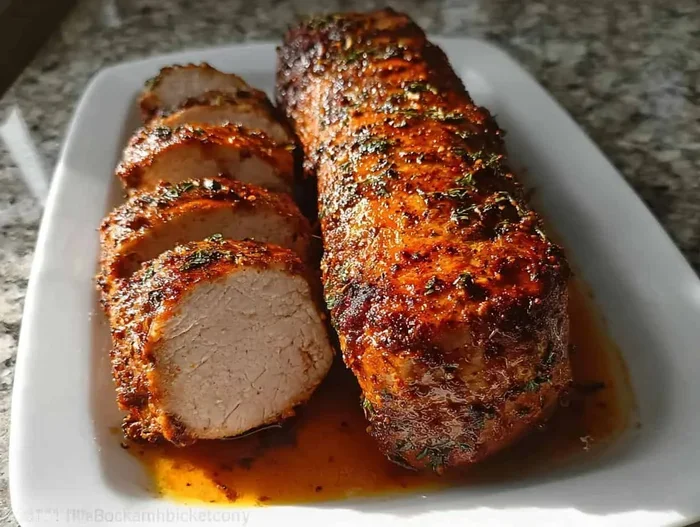
Cooking pork tenderloin in oven is one of the simplest ways to get a juicy, flavorful meal on the table. This guide walks you through every step, from seasoning and marinating to nailing the perfect internal temperature. Whether you are a beginner or a busy home cook, you will find tips here to make oven-baked pork tenderloin your go-to weeknight dinner.
There is something truly satisfying about pulling a perfectly cooked pork tenderloin out of the oven. The outside is golden and slightly crispy, while the inside stays moist and tender. It is one of those meals that feels special but takes almost no effort at all.
If you have been looking for a reliable pork tenderloin recipe that actually works, you are in the right place. This article covers everything you need to know about making juicy pork tenderloin in oven at home. From choosing the right cut to timing your bake perfectly, we have got you covered.
I remember the first time I tried cooking pork tenderloin in the oven. I was nervous about drying it out. But once I learned a few simple tricks, it became one of my favorite meals to make. The best part? It pairs beautifully with almost any side dish, from roasted vegetables to mashed potatoes.
Lean proteins like pork tenderloin are a great choice for anyone watching their calorie intake. For reference, a serving of pork tenderloin contains roughly 150 calories, which is comparable to the energy you might burn doing 100 kettlebell swings or a short cardio session. So not only is it delicious, but it also fits well into a healthy, balanced diet.
Key Takeaways
- Simple Prep: A few quality ingredients and minimal effort are all you need for a restaurant-worthy result.
- Right Temperature Matters: Cooking pork tenderloin to 145°F ensures it stays juicy and safe to eat.
- Resting Is Key: Letting the meat rest after baking locks in the juices and keeps it tender.
- Versatile Flavors: You can customize the seasoning to match any cuisine or taste preference.
- Quick Cooking Time: Most pork tenderloins are done in under 30 minutes, making them ideal for busy nights.
- Great for Weight Management: Lean pork tenderloin is high in protein and pairs well with an active lifestyle, similar to how walking on a treadmill can help with weight loss by burning extra calories.
📑 Table of Contents
- Why Pork Tenderloin Is Perfect for Oven Cooking
- Essential Ingredients for Flavorful Pork Tenderloin
- Step-by-Step Guide to Baking Pork Tenderloin
- Common Mistakes to Avoid
- Serving Suggestions and Side Dishes
- Storing and Reheating Leftovers
- Expert Tips for the Best Results
- Why This Recipe Works for Busy Weeknights
- Conclusion
Why Pork Tenderloin Is Perfect for Oven Cooking
Pork tenderloin is a lean, tender cut that comes from the muscle along the spine. Unlike fattier cuts, it cooks quickly and stays moist when you handle it correctly. This makes it an ideal choice for oven baking.
Here is why so many home cooks love this cut:
- Fast Cooking Time: Most tenderloins finish in 20 to 30 minutes.
- Minimal Fat: It is naturally lean, so you do not need to trim much.
- Even Shape: The uniform thickness helps it cook evenly throughout.
- Versatile Flavor: It takes on marinades and seasonings beautifully.
- Budget-Friendly: It is often more affordable than chicken breast or beef tenderloin.
When you bake oven pork tenderloin, you get consistent results every time. There is no need to stand over a hot stove or flip the meat. Simply season it, place it in the oven, and let it do the work for you.
Choosing the Right Pork Tenderloin
Not all pork tenderloins are created equal. When you are shopping, look for a cut that is pinkish-red with a thin layer of white fat. Avoid any that look gray or have a strong odor. The meat should feel firm but slightly moist.
Size matters too. A typical tenderloin weighs between one and two pounds. This size fits perfectly in most standard ovens and serves about four people. If you are cooking for a larger group, you can always buy two smaller tenderloins instead of one large one.
Essential Ingredients for Flavorful Pork Tenderloin
The beauty of pork tenderloin in oven recipes is that you do not need a long grocery list. A few simple ingredients can transform a plain cut into something extraordinary.
Base Seasonings
- Kosher salt
- Black pepper, freshly ground
- Garlic powder or minced fresh garlic
- Smoked paprika for a subtle smoky flavor
- Dried thyme or rosemary
Optional Flavor Boosters
- Olive oil or melted butter for moisture
- Honey or brown sugar for a touch of sweetness
- Mustard powder for a tangy kick
- Fresh herbs like parsley or cilantro for finishing
- Lemon zest for brightness
You do not need to use all of these. Pick two or three seasonings that match your taste. The goal is to enhance the natural flavor of the pork, not overpower it. Keep it simple, and you will be surprised how delicious the results can be.
Step-by-Step Guide to Baking Pork Tenderloin
Now let us get into the actual cooking process. Follow these steps for perfectly baked pork tenderloin in oven every single time.
Step 1: Preheat Your Oven
Set your oven to 400°F (200°C). Preheating is important because it ensures the meat starts cooking immediately when it goes in. This helps create a nice sear on the outside while keeping the inside juicy.
Step 2: Prepare the Tenderloin
Remove the pork tenderloin from the refrigerator about 20 minutes before cooking. Letting it come to room temperature helps it cook more evenly. Pat it dry with paper towels, then trim off any visible silver skin or excess fat.
Step 3: Season Generously
Mix your chosen dry seasonings in a small bowl. Drizzle a little olive oil over the tenderloin, then rub the seasoning blend all over the surface. Make sure you cover every side evenly. Press the spices gently into the meat so they stick well.
Step 4: Sear on the Stovetop (Optional but Recommended)
This extra step makes a big difference. Heat a skillet over medium-high heat with a bit of oil. Sear the tenderloin for about two minutes on each side until you get a golden-brown crust. This locks in juices and adds fantastic flavor.
Step 5: Transfer to the Oven
Place the seared tenderloin on a lined baking sheet or in an oven-safe dish. Put it in the preheated oven and bake for about 20 to 25 minutes. Use a meat thermometer to check the internal temperature. You are aiming for 145°F (63°C) in the thickest part.
Step 6: Rest Before Slicing
This is the step most people skip, and it is the most important. Remove the tenderloin from the oven and let it rest for at least five minutes. During this time, the juices redistribute throughout the meat, making every slice moist and flavorful.
Common Mistakes to Avoid
Even though pork tenderloin in oven is a forgiving dish, a few common mistakes can ruin the results. Here is what to watch out for.
Overcooking the Meat
This is the number one mistake. Pork tenderloin is lean, which means it dries out quickly once it passes the right temperature. Always use a meat thermometer. Pull the meat off the heat at 145°F and let carryover cooking bring it up a few more degrees during the resting phase.
Skipping the Rest Period
Cutting into the tenderloin right away releases all those hard-earned juices onto the cutting board. Give it at least five minutes. Trust the process. The wait is worth it.
Using Too Much Oil
A light coating of oil helps the seasonings stick, but too much can cause the meat to steam instead of roast. Use just enough to lightly coat the surface.
Not Letting the Meat Come to Room Temperature
Cold meat going into a hot oven cooks unevenly. The outside can burn while the inside stays underdone. Taking the tenderloin out 20 minutes early solves this problem easily.
Serving Suggestions and Side Dishes
The right sides can turn a simple pork tenderloin into a complete, memorable meal. Here are some ideas that pair wonderfully with oven-baked pork tenderloin.
- Roasted Root Vegetables: Carrots, parsnips, and sweet potatoes roast beautifully alongside the pork.
- Garlic Mashed Potatoes: Creamy and comforting, they soak up the pork juices perfectly.
- Fresh Green Salad: A light salad with a tangy vinaigrette balances the richness of the meat.
- Steamed Green Beans: Simple, healthy, and ready in minutes.
- Crusty Bread: Great for mopping up any sauce or juices on the plate.
For a complete weeknight meal, I like to roast a sheet pan of vegetables at the same time as the pork. The flavors meld together in the oven, and cleanup is a breeze. It is one of those easy pork dinner ideas that feeds the whole family without any fuss.
Storing and Reheating Leftovers
Pork tenderloin stores well and reheats nicely, making it a great option for meal prep. Let the cooked meat cool completely, then wrap it tightly in plastic wrap or foil. Store it in the refrigerator for up to four days.
To reheat, place the slices in a covered dish with a splash of broth or water. Heat at 300°F for about 10 to 15 minutes. The added moisture prevents the meat from drying out. You can also slice it cold and toss it into salads or wraps for a quick lunch the next day.
If you are interested in tracking your nutritional intake alongside your fitness routine, you might enjoy learning about how many calories you burn during different exercises. For example, did you know that 100 kettlebell swings can burn a significant number of calories? Pairing lean protein like pork tenderloin with regular exercise is a great way to maintain a balanced and healthy lifestyle.
Expert Tips for the Best Results
Here are a few pro tips that separate a good pork tenderloin from a great one:
- Brine for Extra Juiciness: Soak the tenderloin in a saltwater solution for one to two hours before cooking. This adds moisture and flavor deep into the meat.
- Use a Rack: Placing the tenderloin on a wire rack over a baking sheet allows hot air to circulate evenly around the meat.
- Let the Marinade Work: If you are using a wet marinade, leave the tenderloin in it for at least 30 minutes, or up to overnight for deeper flavor.
- Do Not Crowd the Pan: Give the tenderloin space in the oven so hot air flows freely around it.
- Slice Against the Grain: This shortens the muscle fibers and makes each bite more tender.
These small adjustments make a noticeable difference. Once you try them, you will not go back to your old ways. The pork will be more flavorful, more juicy, and more consistent every time you cook it.
Why This Recipe Works for Busy Weeknights
One of the best things about pork tenderloin in oven is how fast it comes together. From prep to plate, you are looking at roughly 45 minutes total. That includes the resting time, which you can use to set the table or toss together a quick salad.
Unlike slow-cooked meals that require hours of attention, this recipe asks very little of you. Season the meat, pop it in the oven, and wait. There is no stirring, no flipping, and no monitoring. It truly is hands-off cooking at its finest.
Plus, pork tenderloin is naturally low in fat and high in protein. It fits well into many diet plans, whether you are trying to build muscle, manage your weight, or simply eat cleaner. For those who are active, pairing a lean protein like this with regular exercise, such as walking on a treadmill to lose weight, creates a well-rounded approach to healthy living.
The versatility of this dish is another reason it shines on busy nights. You can change the seasonings to match any cuisine. Go Italian with herbs and lemon. Try a Mexican-inspired blend with cumin and chili powder. Or keep it classic with garlic and rosemary. The possibilities are endless.
Conclusion
Making juicy pork tenderloin in oven at home is easier than most people think. With the right seasoning, proper temperature, and a little patience during the resting phase, you can serve a restaurant-quality meal any night of the week. The lean protein cooks fast, pairs with almost any side, and stores well for leftovers.
Remember the key points: bring the meat to room temperature, season generously, bake at 400°F until it reaches 145°F internally, and always let it rest before slicing. These simple steps will transform your pork tenderloin recipe from average to outstanding.
Give this recipe a try tonight. You will be amazed at how something so simple can taste so incredible. Once you master the basics, you can experiment with flavors and make this dish your own. Happy cooking!
Frequently Asked Questions
How long does it take to cook pork tenderloin in the oven?
At 400°F, a one to two-pound pork tenderloin typically takes 20 to 25 minutes to cook. Always use a meat thermometer to check that the internal temperature reaches 145°F for safe eating.
What temperature should pork tenderloin be when done?
The USDA recommends cooking pork tenderloin to an internal temperature of 145°F (63°C). This ensures the meat is safe to eat while staying juicy and tender. Let it rest for five minutes after removing it from the oven.
Should I cover pork tenderloin with foil while baking?
No, you do not need to cover it. Baking uncovered allows the outside to develop a nice golden crust while the inside stays moist. If you find the outside browning too quickly, you can loosely tent it with foil for the last few minutes.
Can I marinate pork tenderloin overnight?
Yes, overnight marinating works great and adds deeper flavor. Just make sure to pat the meat dry before seasoning and baking. A wet marinade for too long can make the surface soggy, so 30 minutes to two hours is ideal for most marinades.
How do I know if pork tenderloin is cooked without a thermometer?
Press the thickest part of the tenderloin with your finger. It should feel firm but still have a slight give, similar to the base of your thumb when your hand is relaxed. Cutting into it, the inside should be white with just a hint of pink.
Can I freeze cooked pork tenderloin?
Yes, cooked pork tenderloin freezes well for up to three months. Wrap it tightly in plastic wrap and foil, or store it in an airtight container. Reheat gently in the oven at 300°F to keep it from drying out.