
Ounces to Cups How to Convert and Measure Like a Pro
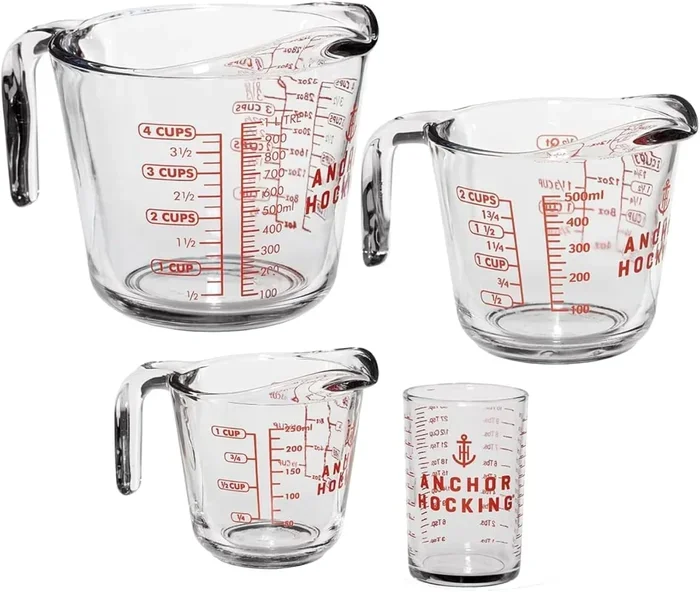
Converting ounces to cups is a simple kitchen skill that saves time and prevents recipe mistakes. This guide covers fluid ounces, dry ounces, and the exact conversion ratios you need for accurate measuring. Follow our tips and charts to measure like a professional chef every time.
Key Takeaways
- 8 fluid ounces equals 1 cup: This is the golden rule for liquid measurements in US cooking.
- Dry ounces vary by ingredient: Weight-to-volume conversions depend on the density of what you are measuring.
- Use the right tools: Liquid measuring cups for fluids and dry measuring cups for solids give the best results.
- A kitchen scale helps precision: When recipes call for ounces by weight, a scale is more accurate than volume.
- Know your measurement system: US customary and metric systems differ, so always check which one your recipe uses.
📑 Table of Contents
Ounces to Cups: The Complete Guide to Converting and Measuring
Cooking and baking should feel fun, not confusing. But when a recipe calls for ounces and all you have is a set of measuring cups, things get tricky fast. Converting ounces to cups is one of those small skills that makes a huge difference in the kitchen. Whether you are doubling a cookie recipe or halving a soup ingredient, knowing the right conversion keeps your food tasting great.
Here is the good news. The ounces to cups conversion is not as hard as it sounds. Once you understand the basic rules and a few simple tricks, you will never second-guess a measurement again. This guide walks you through everything you need to know. We will cover liquid ounces, dry ounces, and the best tools for the job.
Let us be real for a second. Many home cooks just eyeball measurements and hope for the best. That works sometimes. But if you want consistent results, accurate measuring is the way to go. Think of this article as your handy reference guide. Bookmark it. Share it. Use it every time you step into the kitchen.
Understanding Ounces and Cups
Before we dive into the math, let us clear up something important. The word “ounce” can mean two very different things. This confusion trips up a lot of people, even experienced cooks.
Fluid Ounces vs. Dry Ounces
A fluid ounce measures volume. It tells you how much space a liquid takes up. A dry ounce measures weight. It tells you how heavy something is. These are not the same thing. And confusing them can ruin a recipe.
For example, 8 fluid ounces of water equals 1 cup. But 8 dry ounces of flour does not equal 1 cup. Flour is lighter and fluffier, so it takes up more space. This is why understanding the difference matters so much.
Here is a quick breakdown:
- Fluid ounces (fl oz): Used for liquids like water, milk, and oil.
- Dry ounces (oz): Used for solid ingredients by weight, like flour, sugar, and butter.
- Cups: A volume measurement used for both liquids and dry ingredients.
When a recipe says “8 ounces,” check the context. Is it a liquid ingredient? Then it is probably fluid ounces. Is it a dry ingredient? Then it is weight ounces. This small detail changes everything.
The Basic Ounces to Cups Conversion
The most common conversion you will use is this one: 8 fluid ounces equals 1 cup. That is the foundation of nearly all liquid measuring in US cooking. It is simple, reliable, and easy to remember.
Quick Conversion Chart for Liquids
Keep this chart handy. It covers the most common liquid conversions you will encounter:
- 1 fluid ounce = 1/8 cup
- 2 fluid ounces = 1/4 cup
- 4 fluid ounces = 1/2 cup
- 6 fluid ounces = 3/4 cup
- 8 fluid ounces = 1 cup
- 16 fluid ounces = 2 cups (1 pint)
- 32 fluid ounces = 4 cups (1 quart)
These ratios work for water, milk, broth, oil, and most other liquids. Memorize the 8-to-1 rule and you can calculate the rest in your head. Need 12 fluid ounces? That is 1 and 1/2 cups. Need 20 fluid ounces? That is 2 and 1/2 cups.
If you are ever in doubt, liquid measuring cups are your best friend. They have clear markings for fluid ounces and cups right on the side. Just pour, look at the line, and you are good to go.
Converting Dry Ounces to Cups
Dry ingredients are a different story. Because they vary in weight and density, there is no single conversion that works for everything. One cup of flour weighs about 4.5 ounces. One cup of granulated sugar weighs about 7 ounces. One cup of butter is 8 ounces. See the pattern? Each ingredient has its own weight-to-volume ratio.
Common Dry Ingredient Conversions
Here are some typical conversions for popular dry ingredients:
- All-purpose flour: 1 cup = about 4.5 ounces
- Granulated sugar: 1 cup = about 7 ounces
- Brown sugar (packed): 1 cup = about 7.5 ounces
- Butter: 1 cup = 8 ounces (2 sticks)
- Rolled oats: 1 cup = about 3 ounces
- Coconut flour: 1 cup = about 4 ounces
Notice how much these numbers vary? That is exactly why using volume alone for dry ingredients can lead to inconsistent results. A cup of flour scooped loosely weighs less than a cup of flour packed tightly.
If you want to level up your baking, invest in a kitchen scale. Weighing ingredients in ounces gives you precision that measuring cups simply cannot match. Many professional bakers swear by this method.
Tools for Accurate Measuring
Having the right tools makes all the difference. You do not need a fancy setup, but a few key items will improve your accuracy right away.
Liquid Measuring Cups
These are the clear glass or plastic cups with a spout and measurement markings. They come in sizes like 1 cup, 2 cups, and 4 cups. Always use a liquid measuring cup for fluids. Set it on a flat surface and bend down to read the measurement at eye level. This prevents parallax errors that throw off your pour.
Dry Measuring Cups
These are the nested cup sets you fill and level off. Use them for dry ingredients like flour, sugar, and grains. Spoon the ingredient into the cup and sweep the excess off with a straight edge. Never scoop directly from the bag, because that packs the ingredient down and gives you too much.
Measuring Spoons
For small amounts, measuring spoons handle teaspoons and tablespoons. Remember that 3 teaspoons equal 1 tablespoon, and 16 tablespoons equal 1 cup. These little conversions come up more often than you think.
A Kitchen Scale for Precision
A digital kitchen scale removes all guesswork. You simply place your bowl on the scale, zero it out, and add ingredients until you hit the target weight in ounces. This method is faster, cleaner, and far more accurate than using cups and spoons. If you bake regularly, a scale is a game changer.
Tips for Measuring Like a Pro
Professional chefs and bakers follow a few simple habits that keep their measurements spot on. You can adopt these habits too.
Always Level Off Dry Ingredients
When using dry measuring cups, use the back of a knife to sweep off the excess. A heaping cup and a level cup are not the same thing. This one habit alone improves accuracy dramatically.
Read the Label Carefully
Check whether your recipe calls for fluid ounces or weight ounces. The label usually makes this clear. If a bottle says “8 fl oz,” that is a volume measurement. If a bag says “8 oz,” it could mean weight. Context is your guide.
Use Room Temperature Ingredients
Ingredients like butter, eggs, and milk measure differently at different temperatures. Cold butter is denser than room temperature butter. Let ingredients sit out for about 30 minutes before measuring if the recipe calls for it.
Do Not Pack Unless the Recipe Says To
Some ingredients like brown sugar need to be packed into the cup. Others like flour should be loose. Follow the recipe instructions for how to fill each measuring cup. This small detail changes the outcome of your dish.
Know Your Measurement System
The US uses the customary system where 1 cup equals 8 fluid ounces. The UK and other countries use the metric system where 1 cup is roughly 250 milliliters. If you are using a recipe from another country, check which system it follows before converting.
Common Mistakes to Avoid
Even experienced cooks make measuring errors. Here are the most common ones and how to fix them.
- Confusing fluid ounces with dry ounces: Always check whether the recipe refers to volume or weight.
- Scooping flour directly from the bag: This compacts the flour and adds up to 30% more than intended.
- Using a liquid cup for dry ingredients: Dry measuring cups are designed to be filled and leveled. Liquid cups are not.
- Not checking your scale calibration: An uncalibrated scale gives wrong readings. Check it regularly.
- Eyeballing measurements: It feels faster, but it leads to inconsistent results every time.
Avoiding these mistakes alone will improve your cooking and baking. Small details create big differences in the final dish.
Quick Tips for Everyday Measuring
Here are some practical tips you can use right away:
- Memorize the 8-to-1 rule for fluid ounces to cups.
- Keep a conversion chart taped inside your kitchen cabinet.
- Use a kitchen scale for any recipe that calls for precision.
- Measure over the bowl so nothing spills on your counter.
- Double-check your conversion before adding an ingredient to the mix.
These habits take seconds to follow but save you from costly mistakes. Consistency in measuring leads to consistency in cooking, and that is what makes recipes turn out right every single time.
One more thing worth mentioning. If you are tracking nutrition or following a fitness plan, measuring accurately matters there too. For instance, if you are counting calories from a kettlebell workout, knowing exactly how much fuel you consume is important. When you know your portions are right, you can focus on your health goals with confidence.
Conclusion
Mastering ounces to cups conversion is one of the easiest ways to improve your cooking and baking. The basic rule is simple: 8 fluid ounces equals 1 cup. Dry ingredients need a bit more attention because each one has a unique weight-to-volume ratio. Use the right tools, follow the tips in this guide, and you will measure with confidence every time.
Do not let confusing measurements slow you down in the kitchen. With a little practice and the right knowledge, you will be converting and measuring like a pro in no time. Start today. Your taste buds will thank you.
And remember, if you ever want to learn more about kitchen skills, there is always something new to discover. Whether you are measuring ingredients for a recipe or tracking your nutrition, accuracy is the foundation of great cooking. Keep practicing, keep learning, and most importantly, have fun with it.
Frequently Asked Questions
How many fluid ounces are in one cup?
There are 8 fluid ounces in 1 cup. This is the standard US conversion for liquid measurements. It applies to water, milk, oil, and most other liquid ingredients.
Does 1 cup of dry ingredients always weigh 8 ounces?
No. Dry ingredients vary in weight depending on their density. For example, 1 cup of flour weighs about 4.5 ounces, while 1 cup of sugar weighs about 7 ounces. Always check the specific ingredient conversion.
Can I use a kitchen scale instead of measuring cups?
Absolutely. A kitchen scale measures weight in ounces and is often more accurate than volume-based measuring. Many professional bakers prefer using a scale for consistent results every time.
What is the difference between US and metric cup measurements?
A US cup is 8 fluid ounces (about 237 milliliters). A metric cup is 250 milliliters. The difference is small but can matter in precision baking. Always check which system your recipe uses.
How do I convert ounces to cups for butter?
One cup of butter equals 8 ounces or 2 sticks. This is one of the easiest conversions because butter is sold in standardized stick sizes. Simply count the sticks to measure quickly.
Why is it important to level off dry measuring cups?
Leveling off ensures you use the exact amount the recipe calls for. A heaping cup can contain significantly more ingredient than a level cup, which throws off the ratio and affects the final result.


