
How to Cook Corned Beef Perfectly Every Single Time
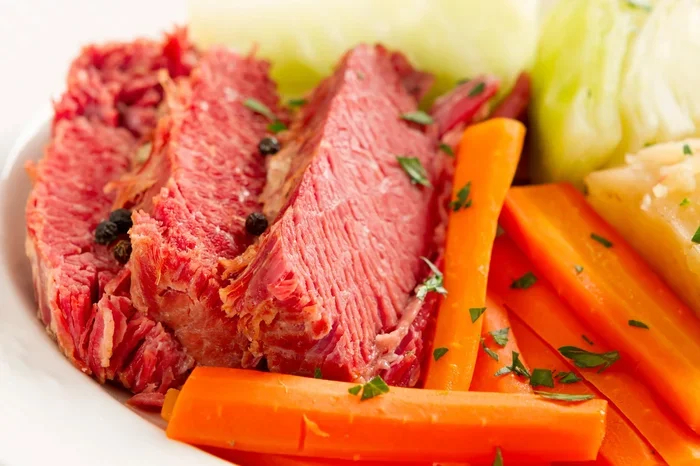
Learning how to cook corned beef at home is easier than you think. With the right cut, proper prep, and the best cooking method, you can serve up tender, juicy corned beef every single time. This guide covers everything from choosing the perfect brisket to slicing it just right for maximum flavor.
Cooking corned beef at home is simpler than most people think. With the right corned beef recipe and a little patience, you can serve up a tender, flavorful roast that everyone will love. This guide walks you through every step, from choosing the best cut at the store to slicing it perfectly for serving. Whether you prefer the stovetop, slow cooker, or pressure cooker method, you will find everything you need right here. Corned beef has been a comfort food staple for generations, and now you can master it in your own kitchen.
Corned beef has a rich history that spans centuries. It originated as a method of preserving meat before modern refrigeration existed. Irish immigrants brought the tradition to America, where it became a beloved part of many cultural cuisines. Today, corned beef remains a popular choice for holiday meals, family dinners, and casual weekend cooking.
The beauty of cooking corned beef at home is that you control every ingredient. You decide how salty or spicy it turns out. You choose the cooking method that fits your schedule. And you get to enjoy a meal that tastes far better than anything from a deli counter. This guide makes the process easy and approachable for cooks of all skill levels.
Key Takeaways
- Choose the right cut: A well-marbled corned beef brisket ensures tenderness and rich flavor.
- Soak or rinse before cooking: This step removes excess salt for a better-tasting result.
- Low and slow wins: Long cooking times break down the fibers for melt-in-your-mouth texture.
- Use a meat thermometer: Internal temperature of 190°F to 205°F guarantees perfect doneness.
- Slice against the grain: This simple step makes every bite more tender and enjoyable.
- Save the leftovers: Corned beef makes amazing sandwiches, hashes, and soups the next day.
📑 Table of Contents
- What Is Corned Beef?
- Choosing the Right Cut of Corned Beef
- How to Prepare Corned Beef Before Cooking
- Best Cooking Methods for Corned Beef
- How Long to Cook Corned Beef and When It Is Done
- Serving and Storing Corned Beef
- Common Mistakes to Avoid When Cooking Corned Beef
- Expert Tips for Perfect Corned Beef Every Time
What Is Corned Beef?
Corned beef is a salt-cured beef product, typically made from brisket. The name “corned” does not refer to corn. It comes from the large salt crystals, called “corns,” used in the curing process. The beef sits in a brine solution for days or weeks. This process infuses the meat with flavor and preserves it naturally.
Most corned beef you buy at the store is already cured. You will find it in the meat aisle, often packaged with a seasoning packet. The seasoning packet usually contains pink peppercorns, mustard seed, bay leaves, and coriander. You can use the seasoning as-is or customize it to your taste. Some people prefer to make their own corned beef seasoning blend for a fresher, more personalized flavor.
Choosing the Right Cut of Corned Beef
Not all corned beef cuts are the same. The two main types are the point cut and the flat cut. Each has its own qualities that affect the final dish. Understanding the difference helps you pick the best corned beef brisket for your needs.
Point Cut vs. Flat Cut
The flat cut, also called the first cut, is leaner and more uniform. It slices neatly and is great for sandwiches and corned beef deli meat leftovers. The point cut is fattier and more marbled. It has a thick layer of fat that melts during cooking, making it incredibly juicy and tender.
For beginners, the flat cut is easier to handle. It is more predictable and simpler to slice evenly. However, if you love rich, juicy meat, the point cut is worth the extra effort. Many butchers sell a “point” and “flat” separately. You can also find a “packer cut” that includes both. This gives you the best of both worlds on your corned beef roast.
What to Look for at the Store
When buying corned beef, look for a bright red or pink color. Avoid meat that looks gray or dull. The fat should be white and firm, not yellow or soft. A good corned beef brisket will feel firm but not hard. Check the package date to make sure it is fresh. If you see a lot of liquid in the package, that can mean the meat has been sitting too long.
How to Prepare Corned Beef Before Cooking
Preparation is one of the most important steps. Taking the time to prep your meat properly makes a huge difference in the final result. A little extra work here leads to much better flavor and texture.
Should You Rinse or Soak Corned Beef?
Many cooks debate whether to rinse corned beef before cooking. The answer depends on your taste preference. If you prefer a milder, less salty flavor, rinsing the meat under cold water helps. Some people even soak it in water overnight in the fridge to draw out extra salt.
If you like a bolder, saltier taste, you can skip the rinsing step entirely. Just pat the meat dry with paper towels before cooking. Either way works fine. It is all about what you enjoy. The corned beef curing process already adds plenty of flavor, so you really cannot go wrong either way.
Adding Extra Flavor to Your Corned Beef
You can boost the flavor of your corned beef by adding extra ingredients to the cooking liquid. Whole garlic cloves, fresh thyme, and a splash of apple cider vinegar all work beautifully. Some cooks add a brown sugar or honey for a touch of sweetness. Feel free to experiment with what you like. A few extra aromatics can turn a simple corned beef recipe into something truly special.
Best Cooking Methods for Corned Beef
There are several ways to cook corned beef. Each method brings out different flavors and textures. Here are the most popular approaches that home cooks love.
Stovetop Method
The stovetop method is the most traditional way to cook corned beef. Place the meat in a large pot and cover it with water. Add the seasoning packet or your own spices. Bring the water to a boil, then reduce the heat to a low simmer. Cover and let it cook for about 3 to 4 hours.
The key to a great stovetop corned beef is a gentle simmer. You do not want a rolling boil. A gentle bubble keeps the meat tender and prevents it from becoming tough. Check the water level occasionally and add more if needed. This hands-on method gives you the most control over the final result.
Slow Cooker Method
A corned beef slow cooker recipe is one of the easiest ways to make this dish. Simply place the meat in the crockpot, add your liquid and seasonings, and set it to low. Let it cook for 8 to 10 hours. The result is incredibly tender meat that falls apart easily.
The slow cooker method is perfect for busy days. You can set it in the morning and come home to a fully cooked meal. It is hands-off cooking at its best. The long, gentle heat breaks down the fibers beautifully. Many people say their slow cooker corned beef is the most tender they have ever made.
Pressure Cooker Method
If you are short on time, a corned beef pressure cooker is your best friend. It can cook corned beef in about 60 to 90 minutes. The high pressure forces moisture deep into the meat, making it tender and flavorful in a fraction of the time.
Corned beef made in a pressure cooker tastes just as good as the slow-cooked version. The meat retains its juices and absorbs the spices well. Just make sure you add enough liquid to the pot to build up pressure properly. This method is a game-changer for weeknight dinners.
Oven Roasting Method
Roasting corned beef in the oven is another great option. Place the meat in a roasting pan, add liquid, and cover tightly with foil. Cook at around 300°F for 3 to 4 hours. This method gives you a nice browned exterior while keeping the inside moist and juicy.
Oven roasting is great if you want to cook other dishes at the same time. You can roast vegetables alongside the meat and use the same oven. The even heat distribution helps the corned beef cook consistently from edge to center.
How Long to Cook Corned Beef and When It Is Done
Timing is crucial when cooking corned beef. Undercooked meat will be tough and chewy. Overcooked meat can become dry and crumbly. So how do you know when it is just right? Understanding your corned beef cooking time makes all the difference.
Internal Temperature Guide
The ideal corned beef internal temperature is between 190°F and 205°F. At this range, the collagen in the meat breaks down completely. This is what gives you that melt-in-your-mouth tenderness. Use a reliable meat thermometer to check the thickest part of the meat.
For stovetop and oven cooking, plan for about 3 to 4 hours. Slow cooker recipes typically take 8 to 10 hours on low. Pressure cooking cuts that time down to 60 to 90 minutes. Always let the meat rest for 10 to 15 minutes before slicing. This resting period allows the juices to settle back into the meat.
How to Tell If Corned Beef Is Done
There are a few signs that your corned beef is ready. The meat should be tender when you poke it with a fork. It should pull apart easily with gentle pressure. The internal temperature should read at least 190°F. The color should be a deep pink or red, not raw or brown. A properly cooked corned beef will feel firm but give way easily when pressed.
Serving and Storing Corned Beef
Once your corned beef is cooked, it is time to serve it. There are many classic ways to enjoy this dish. And if you have leftovers, there are plenty of ways to use them too. Corned beef leftovers are actually a gift because the flavors deepen overnight.
Classic Serving Suggestions
The most traditional pairing is corned beef and cabbage. Boil some cabbage wedges, potatoes, and carrots in the same cooking liquid for a complete meal. Other great sides include Irish soda bread, mustard sauce, and pickled beets. A warm, crusty loaf of bread pairs wonderfully with sliced corned beef too.
Corned beef also makes excellent sandwiches. Slice it thin and pile it onto rye bread with mustard and Swiss cheese. For a different twist, try making corned beef hash with diced potatoes and onions for breakfast. The crispy hash is a crowd-pleaser any time of day.
Storing Leftovers Properly
Leftover corned beef keeps well in the fridge for up to 5 days. Store it in an airtight container to maintain freshness. You can also freeze cooked corned beef for up to 3 months. Just make sure it is wrapped tightly to prevent freezer burn.
Reheat leftover corned beef gently to keep it moist. A low oven or a quick warm-up in a skillet works best. Avoid microwaving if possible, as it can dry out the meat quickly. Proper storage ensures you get the most out of every bite.
Common Mistakes to Avoid When Cooking Corned Beef
Even experienced cooks make mistakes with corned beef. Knowing what to avoid saves time, money, and frustration. Here are the most common pitfalls and how to steer clear of them.
Boiling Instead of Simmering
A hard boil will make your corned beef tough and stringy. Always bring the water to a boil first, then reduce the heat to a gentle simmer. Low and slow is the golden rule for tender corned beef. A violent boil breaks down the meat fibers too quickly and squeezes out the moisture.
Skipping the Soak
If you find your corned beef too salty, you may have skipped the soaking step. Soaking the meat in water for a few hours or overnight can significantly reduce the saltiness. This simple step can save an otherwise over-salted dish. Even a quick 30-minute rinse under cold water helps.
Slicing With the Grain
One of the biggest mistakes is slicing corned beef with the grain. Always cut against the grain for the most tender results. Look at the muscle fibers and slice perpendicular to them. This shortens the fibers and makes each bite easier to chew. Proper slicing turns a good corned beef into a great one.
Not Letting the Meat Rest
Resting the meat after cooking allows the juices to redistribute. If you slice too soon, the juices will run out and the meat will be drier. Give it at least 10 to 15 minutes of rest time before cutting. This small wait makes a noticeable difference in every slice of corned beef.
Expert Tips for Perfect Corned Beef Every Time
Want to take your corned beef to the next level? Here are some pro tips that make a real difference in flavor and texture.
Use the Cooking Liquid Wisely
The liquid you cook corned beef in is full of flavor. Save it! Use it to cook cabbage, potatoes, or rice. You can also use it as a base for soups or stews. It adds a rich, savory depth that store-bought broths cannot match. This is one of the best-kept secrets for making incredible corned beef dishes.
Let It Come to Room Temperature
Before cooking, let your corned beef sit at room temperature for about 30 minutes. This helps the meat cook more evenly. The center will not be cold when the outside is done. A simple step that leads to better results and more consistent corned beef every time you cook.
Add a Sweet Element
A small amount of brown sugar or honey in the cooking liquid balances the saltiness beautifully. It also helps create a lovely glaze on the outside of the meat. Try adding a tablespoon or two and see the difference for yourself. The sweetness complements the spices and makes your corned beef truly memorable.
Corned beef is a rewarding dish to make at home. With the right approach, you can serve a meal that impresses your family and friends. The key is patience, proper preparation, and attention to detail. Follow these tips, and your corned beef will turn out perfectly every single time.
Frequently Asked Questions
Can I use corned beef leftovers in new recipes?
Absolutely! Leftover corned beef is incredibly versatile. You can use it in sandwiches, soups, casseroles, and even pasta dishes. Corned beef hash is a classic way to repurpose leftovers for breakfast. The flavors actually improve overnight, so do not hesitate to save extra meat for the next day.
What is the best cut of corned beef for beginners?
The flat cut is the best choice for beginners. It is leaner, more uniform in shape, and easier to slice evenly. It also cooks more predictably, which reduces the chance of mistakes. Once you master the flat cut, you can try the fattier point cut for a richer experience.
How do I make corned beef less salty?
The easiest way to reduce saltiness is to soak the corned beef in water before cooking. You can do this for a few hours or overnight in the refrigerator. Rinsing the meat under cold water right before cooking also helps. If the finished dish is still too salty, adding a bit of sugar or vinegar to the cooking liquid can balance the flavor.
Can I cook corned beef from frozen?
It is not recommended to cook corned beef from frozen. Thawing it first ensures even cooking and better flavor absorption. Place the sealed package in the fridge for 24 to 48 hours to thaw safely. If you are in a hurry, you can thaw it under cold running water for a few hours.
What is the difference between corned beef and pastrami?
Both corned beef and pastrami start as cured beef brisket, but the preparation differs. Pastrami is typically rubbed with a spice blend and smoked, while corned beef is boiled or braised in its curing liquid. The smoking process gives pastrami a deeper, more complex flavor. Both are delicious in their own right.
How long does cooked corned beef keep in the fridge?
Cooked corned beef stays fresh in the refrigerator for up to 5 days when stored in an airtight container. Make sure it has cooled to room temperature before sealing it. For longer storage, you can freeze corned beef for up to 3 months. Always reheat leftovers gently to maintain moisture and texture.


