The Ultimate Guide to Medium Rare T Bone Steak Perfection
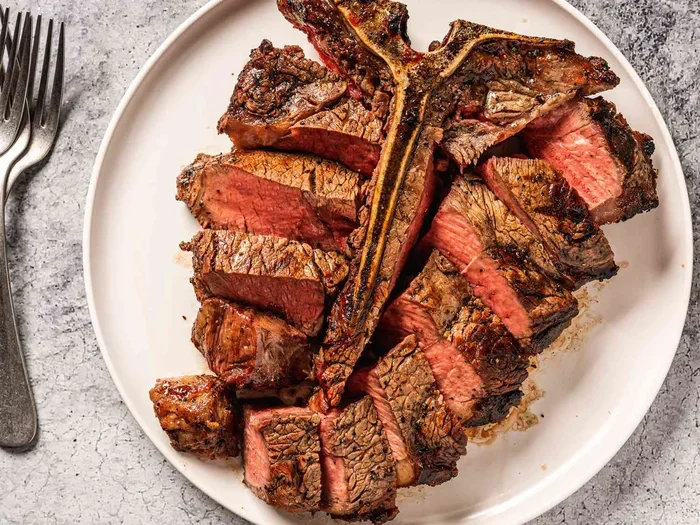
A medium rare t bone steak delivers the ideal balance of juicy tenderness and rich beef flavor that steak lovers crave. This guide covers everything from choosing the right cut and seasoning to mastering cooking temperature and rest time. You will learn proven techniques to achieve a perfect crust and a juicy pink center every single time.
Key Takeaways
- Pick the right steak: Look for a thick cut with good marbling for the best medium rare t bone steak results.
- Temperature is everything: Aim for an internal temp of 130-135°F for true medium rare perfection.
- Rest your steak: Letting the steak rest for 5-8 minutes keeps all those juicy juices locked in.
- Season simply: Salt, pepper, and garlic go a long way in letting the beef flavor shine.
- Use a cast iron skillet or grill: Both methods create an amazing crust that elevates the whole experience.
- Avoid common mistakes: Skip the common errors like cutting too early or cooking from cold fridge temp.
📑 Table of Contents
- Why Medium Rare T Bone Steak Is the Gold Standard
- Choosing the Best Medium Rare T Bone Steak
- How to Prep Your Medium Rare T Bone Steak
- Cooking Methods for Medium Rare T Bone Steak Perfection
- Temperature and Timing Guide for Medium Rare T Bone Steak
- Resting and Serving Your Medium Rare T Bone Steak
- Common Mistakes to Avoid When Cooking T Bone Steak
- Expert Tips for the Juiciest Medium Rare T Bone Steak
- Conclusion
Why Medium Rare T Bone Steak Is the Gold Standard
Few things in the kitchen rival the satisfaction of a perfectly cooked medium rare t bone steak. This cut combines two prized steaks in one. On one side of the bone sits the tender filet mignon. On the other side lies the rich, flavorful strip steak. Together they create a dining experience that is hard to beat.
The medium rare doneness level is where this steak truly shines. At this temperature, the meat stays juicy and tender while developing a deep, complex flavor. The center has a warm pink color that melts in your mouth. It is not too rare and not too well done. It is the sweet spot that steak enthusiasts chase.
Many people overcook their t bone steak and wonder why it tastes dry. The truth is that achieving medium rare requires a bit of attention and the right technique. But once you master it, you will never go back to a gray, overcooked steak again. This guide will walk you through every step with clear, practical advice.
What Makes the T Bone Special
The t bone steak gets its name from the T-shaped bone that runs through the center. This bone separates two different types of muscle meat. The smaller side is the tenderloin, which is buttery soft. The larger side is the strip loin, which has a bold, beefy taste. The bone also adds flavor during cooking as it radiates heat evenly through the meat.
When you cook a medium rare t bone steak correctly, the two textures complement each other beautifully. The tenderloin stays melt-in-your-mouth soft while the strip steak offers a satisfying chew. This contrast is what makes the t bone so special compared to other cuts.
Choosing the Best Medium Rare T Bone Steak
Picking the right steak at the butcher counter sets you up for success. Not all t bone steaks are created equal. A few key factors determine which cut will give you the best results when aiming for medium rare.
Look for Thickness and Marbling
Go for a steak that is at least 1.5 inches thick. Thicker cuts give you more control over the steak temperature and allow for a better crust without overcooking the center. Thin steaks tend to go from rare to overdone in seconds.
Marbling is just as important. Those thin white lines of fat running through the meat melt during cooking and keep the steak juicy. Look for even marbling throughout the steak. Avoid cuts with large chunks of external fat that do not distribute well.
Bone-In vs Boneless
A bone-in t bone steak is the traditional choice and for good reason. The bone acts as a heat conductor that cooks the meat more evenly. It also adds a deeper, richer flavor to the final dish. However, boneless t bone steaks can also work well if you prefer easier slicing.
For the best medium rare t bone steak experience, bone-in is the way to go. The bone gives you that classic presentation and helps regulate internal temperature during the cook.
How to Prep Your Medium Rare T Bone Steak
Proper preparation makes a huge difference in the final result. You do not need fancy ingredients or complicated steps. Just a few simple actions set the stage for a perfect steak.
Bring the Steak to Room Temperature
Take your steak out of the fridge 30 to 45 minutes before cooking. This lets the meat warm up evenly so it cooks more uniformly. A cold steak straight from the fridge will have a gray band of overcooked meat around the pink center. Nobody wants that when they are chasing medium rare perfection.
Season with Simple Ingredients
Keep it classic. Coarse salt and freshly ground black pepper are all you need for a great medium rare t bone steak. Apply the salt at least 15 minutes before cooking so it can draw out a bit of moisture and create a natural crust. Some people like to add garlic powder or a touch of smoked paprika for extra depth.
Avoid heavy marinades that mask the beef flavor. A good quality t bone steak does not need much help. Let the meat speak for itself.
Pat Dry Before Cooking
Use a paper towel to pat the steak dry on both sides. Moisture is the enemy of a good crust. A dry surface sears better and faster, giving you that beautiful brown crust that locks in the juices. This small step makes a big difference in your final result.
Cooking Methods for Medium Rare T Bone Steak Perfection
There are two main methods that deliver outstanding results for a medium rare t bone steak. Each has its own strengths and fans. Let us break them down so you can pick the one that fits your style.
Cast Iron Skillet Method
The cast iron skillet method is the go-to for many steak lovers. Here is how to do it.
- Heat your cast iron skillet over high heat until it is smoking hot.
- Add a high smoke point oil like avocado or grapeseed oil.
- Place the steak in the skillet and do not move it for 3 to 4 minutes. Let the crust form.
- Flip the steak and add a knob of butter, crushed garlic, and fresh thyme.
- Baste the steak with the melted butter for another 2 to 3 minutes.
- Check the internal temperature with a meat thermometer. You want 130-135°F for medium rare.
- Remove and let the steak rest on a cutting board.
This method gives you excellent control and creates a gorgeous crust. The butter basting adds richness and flavor that takes your medium rare t bone steak to the next level.
Grill Method
Grilling adds a smoky flavor that complements the beef beautifully. Use a two-zone fire setup with hot and cool areas on the grill.
- Sear the steak over the hot zone for 2 to 3 minutes per side.
- Move the steak to the cooler zone and close the lid.
- Cook until the internal temperature reaches 130-135°F.
- Remove and rest for at least 5 minutes before slicing.
The grill method works especially well for thicker cuts. The indirect heat allows the center to reach medium rare without burning the outside.
Reverse Sear Method
The reverse sear is a favorite for thick t bone steaks. You start low and slow in the oven and finish with a hot sear.
- Preheat your oven to 275°F.
- Place the steak on a wire rack over a baking sheet.
- Cook until the internal temp reaches about 110°F.
- Remove and sear in a screaming hot cast iron skillet for 1 to 2 minutes per side.
- Rest and serve.
This method gives you the most even medium rare temperature from edge to edge. It takes a bit longer but the results are outstanding.
Temperature and Timing Guide for Medium Rare T Bone Steak
Getting the temperature right is the single most important factor in cooking a medium rare t bone steak. A good meat thermometer is your best friend in the kitchen. Do not guess. Trust the numbers.
Internal Temperature Targets
For a perfect medium rare steak, pull the meat off the heat at 130-135°F. The temperature will rise 5 degrees during resting. This carryover cooking brings the final temp to 135-140°F which is the ideal medium rare range.
Here is a quick reference for doneness levels:
- Rare: 120-125°F (cool red center)
- Medium Rare: 130-135°F (warm pink center)
- Medium: 140-145°F (pink center)
- Medium Well: 150-155°F (slight pink)
- Well Done: 160°F+ (no pink)
Timing by Thickness
For a 1.5 inch thick t bone steak cooked in a cast iron skillet, plan for about 4 to 5 minutes per side. Thicker cuts may need an extra minute or two. Thinner steaks cook faster so keep a close eye on them.
The reverse sear method takes longer in the oven, usually 20 to 30 minutes depending on thickness. But the hands-off time is worth it for the even cook you get.
Resting and Serving Your Medium Rare T Bone Steak
Resting is not optional. It is a critical step that many people skip. When you cut into a hot steak right off the heat, all those juices run out onto the cutting board. You end up with a dry steak that does not live up to its potential.
Why Resting Matters
During cooking, the heat pushes the juices toward the center of the steak. When you let the meat rest, the juices redistribute evenly throughout. This means every bite stays moist and flavorful. A medium rare t bone steak needs at least 5 to 8 minutes of rest time. Use a cutting board with a juice groove to catch any runoff.
Slicing Tips
Always slice against the grain when cutting your steak. This breaks up the muscle fibers and makes each bite more tender. For a t bone steak, cut the strip side and the tenderloin side separately since they have different grain directions.
Use a sharp carving knife and cut slices about half an inch thick. This gives you the best balance of tenderness and flavor in every bite.
Pairing and Serving Suggestions
A great medium rare t bone steak pairs well with simple sides that do not compete with the beef. Try roasted asparagus, garlic mashed potatoes, or a crisp garden salad. A bold red wine like a Cabernet Sauvignon or Malbec complements the rich flavor perfectly.
Some people like to top their steak with a compound butter. A garlic herb butter melting over the hot meat adds an extra layer of richness that is hard to beat.
Common Mistakes to Avoid When Cooking T Bone Steak
Even experienced cooks make mistakes with steak. Here are the most common errors that prevent you from achieving medium rare perfection.
Starting from the Fridge
Cooking a cold steak straight from the refrigerator leads to uneven cooking. The outside overcooks while the center stays too cold. Always bring your steak to room temperature first. This is one of the easiest ways to improve your results.
Not Using a Thermometer
Guessing the doneness by time alone is unreliable. Every steak is different based on thickness, starting temp, and heat source. A simple instant-read thermometer removes all the guesswork and takes the stress out of cooking medium rare t bone steak.
Cutting Too Early
Resist the urge to cut into the steak to check the color. You will release all those hard-earned juices. Trust the thermometer and let the steak rest. Cutting early is the number one reason people end up with dry steak.
Skipping the Rest
We mentioned this already but it bears repeating. Skipping the rest period is a wasted opportunity. Those 5 to 8 minutes make the difference between a good steak and a great one.
Overcrowding the Pan
If you are cooking more than one steak, give each one space in the skillet. Overcrowding drops the temperature and creates steam instead of a sear. Cook in batches if needed. Your medium rare t bone steak deserves the full attention of that hot pan.
Expert Tips for the Juiciest Medium Rare T Bone Steak
Here are some pro tips that separate good steak from great steak. These small details make a big impact on your final plate.
First, invest in a good quality cast iron skillet. It holds heat better than any other pan and creates a superior crust. Season it well and never wash it with soap. A well-maintained cast iron skillet is a steak lover’s best tool.
Second, use unsalted butter for basting. This gives you control over the salt level. Combine it with fresh garlic and herbs for an restaurant-quality finish at home.
Third, do not be afraid of the heat. Many people cook steak at too low a temperature and end up with a gray, boiled texture. You need high heat for a proper sear. The sizzle when the steak hits the pan is a good sign.
Fourth, buy from a reputable butcher. The quality of the beef matters enormously. Look for USDA Prime or Choice grades with plenty of marbling. A great cut of beef needs very little help to shine.
Fifth, practice makes perfect. Your first attempt might not be flawless. Each time you cook, you will learn more about your equipment and your preferences. Keep a notebook of your times, temperatures, and results. You will improve quickly.
For those who also enjoy fitness and strength training, cooking a great steak after a workout like T-bar rows with a barbell makes for a rewarding post-exercise meal. The protein in steak helps with muscle recovery after intense back exercises.
When choosing between different cooking approaches, just like deciding between T-bar rows versus barbell rows, the best method is the one that fits your equipment and goals. Both cooking methods can deliver a perfect medium rare result.
Understanding steak doneness is similar to understanding exercise form. Just as barbell rows and T-bar rows are not the same even though they target similar muscles, medium rare is not the same as medium or rare even though they are all popular doneness levels. Each has its own distinct characteristics that suit different preferences.
Remember that mastering the medium rare t bone steak is a journey. Take your time, enjoy the process, and savor the results. The more you cook steak, the more confident you will become.
Conclusion
A perfectly cooked medium rare t bone steak is one of life’s great pleasures. With the right cut, proper seasoning, and attention to temperature, you can recreate restaurant-quality steak at home. The key is patience and precision. Bring the steak to room temperature, season simply, cook with high heat, and always let it rest before serving.
Use a meat thermometer and pull your steak at 130-135°F. Give it 5 to 8 minutes to rest. Slice against the grain and enjoy every bite. Once you nail the technique for medium rare t bone steak, you will wonder why you ever settled for anything less.
Now go fire up that grill or preheat your cast iron skillet. Your perfect steak is waiting. Happy cooking!
Frequently Asked Questions
What temperature is medium rare for t bone steak?
Medium rare t bone steak should reach an internal temperature of 130-135°F when measured with an instant-read thermometer. Remember that the temperature will rise about 5 degrees during resting, so pull the steak at 130°F for a final temp of 135-140°F.
How long should I rest a medium rare t bone steak?
Let your steak rest for at least 5 to 8 minutes after cooking. This allows the juices to redistribute throughout the meat so every bite stays moist and flavorful. Cutting too early releases all those juices onto the board.
Can I cook a medium rare t bone steak in the oven?
Yes, you can use the reverse sear method for oven cooking. Start at 275°F until the steak reaches about 110°F internally, then finish with a hot sear in a cast iron skillet for 1 to 2 minutes per side.
How thick should a t bone steak be for medium rare?
Aim for a steak that is at least 1.5 inches thick for the best results. Thicker cuts give you more control over the cooking process and help achieve an even medium rare doneness from edge to edge.
Should I marinate a t bone steak for medium rare?
No, a good quality t bone steak does not need a marinade. The marbling and natural beef flavor are enough. Simple salt and pepper applied before cooking lets the true flavor of the steak shine through.
What is the best pan for cooking medium rare t bone steak?
A cast iron skillet is the best choice for cooking t bone steak. It retains heat incredibly well and creates a superior crust on the outside while cooking the inside evenly to medium rare.