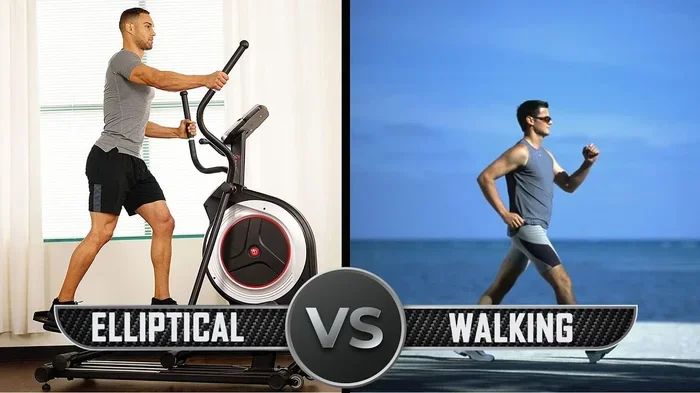
Is Using an Elliptical a Weight Bearing Exercise

Yes, using an elliptical is a weight bearing exercise that supports bone health and joint mobility. Unlike cycling, your feet stay on the pedals, so your skeleton bears your body weight throughout the workout. This makes the elliptical a great low impact cardio option for people who want to protect their joints while staying active.
Key Takeaways
- Ellipticals are weight bearing: Your body weight loads your bones and joints during every stride, helping maintain bone density.
- Low impact by design: The elliptical reduces stress on knees and hips compared to running, making it ideal for people with joint concerns.
- Great for bone health: Weight bearing exercise on an elliptical can help prevent osteoporosis and support long-term skeletal strength.
- Cardio and strength combined: You get a heart-pumping workout while also engaging your legs, core, and upper body.
- Not the same as non-weight bearing: Swimming and cycling remove weight from your joints, but the elliptical keeps you grounded.
- Adjustable resistance adds benefit: Increasing resistance on the elliptical boosts muscle engagement and bone loading even further.
📑 Table of Contents
- Is Using An Elliptical A Weight Bearing Exercise?
- Why Weight Bearing Exercise Matters for Bone Health
- Joint Health and the Elliptical
- How to Maximize the Weight Bearing Benefits of Your Elliptical
- Common Mistakes People Make on the Elliptical
- How the Elliptical Fits Into a Balanced Fitness Routine
- Final Thoughts
Is Using An Elliptical A Weight Bearing Exercise?
The short answer is yes. When you step on an elliptical machine, your feet stay in contact with the pedals. That means your legs, hips, and spine carry your full body weight the entire time you work out. This is what makes it a true weight bearing exercise.
Many people confuse weight bearing with high impact. They are not the same thing. Running is both weight bearing and high impact. The elliptical gives you the benefits of weight bearing without pounding your joints. This is a big reason why so many people choose it over a treadmill.
Understanding the difference between weight bearing and non-weight bearing exercise matters a lot. It affects your bone density, your joint health, and your overall fitness plan. Let us break it all down.
What Does Weight Bearing Actually Mean?
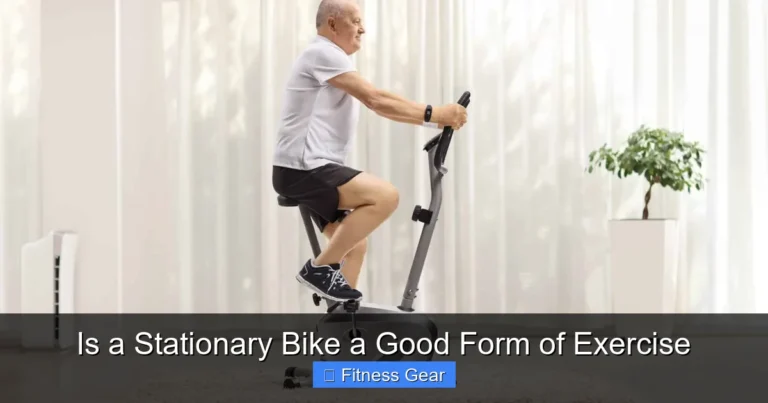
A weight bearing exercise is any activity where you support your body weight against gravity. Your bones and muscles do the work. Walking, dancing, stair climbing, and using an elliptical all count. Swimming and cycling, on the other hand, are non-weight bearing because the water or bike supports your weight.
Why does this matter for your body? Weight bearing activities stimulate bone growth. They tell your skeleton to stay strong. Without enough weight bearing exercise, bones can become weak over time. This is especially important as we age.
The elliptical keeps you in a standing position. Your feet push down on the pedals. Your bones absorb the force. That is the core mechanism that makes it weight bearing.
How the Elliptical Compares to Other Machines
Not all gym machines create the same weight bearing effect. Let us look at how the elliptical stacks up against some popular alternatives.
| Machine | Weight Bearing? | Impact Level | Best For |
|---|---|---|---|
| Elliptical | Yes | Low | Joint-friendly cardio and bone health |
| Treadmill | Yes | High | Bone loading and running training |
| Exercise Bike | No | Low | Cardio with zero joint load |
| Rowing Machine | Yes | Low | Full body and core engagement |
| Swimming Pool | No | None | Rehabilitation and zero gravity relief |
As you can see, the elliptical sits in a sweet spot. It provides weight bearing benefits like a treadmill but with much less stress on your joints. Many people who cannot run safely still get excellent results on an elliptical.
If you are comparing machines, you might also wonder how an elliptical stacks up against an exercise bike or a rowing machine. Each has unique strengths. But for pure weight bearing cardio, the elliptical is hard to beat.
Why Weight Bearing Exercise Matters for Bone Health
Your bones are living tissue. They respond to the demands you place on them. When you do weight bearing exercise regularly, your body builds denser, stronger bones. When you skip it, bone density can decline over time.
This is not just a concern for older adults. Young and middle-aged adults also benefit from weight bearing workouts. Building bone density early in life creates a reserve that protects you later on.
How the Elliptical Helps Prevent Bone Loss
Using an elliptical machine regularly places controlled stress on your bones. This stress triggers osteoblasts, the cells responsible for building new bone tissue. Over time, this process strengthens your skeleton from the inside out.
The elliptical is especially helpful because it is consistent. Unlike running, where each footstrike sends a sharp jolt through your body, the elliptical provides smooth, continuous resistance. Your bones get a steady signal to stay strong without the risk of sudden impact injuries.
For people worried about osteoporosis, the elliptical is one of the best choices. It delivers the benefits of a weight bearing exercise while keeping the risk of fractures very low.
Joint Health and the Elliptical
One of the biggest reasons people switch to the elliptical is joint protection. If you have bad knees, sore hips, or ankle issues, running on a treadmill can feel impossible. The elliptical gives you a way to stay active without making things worse.
The gliding motion of the elliptical keeps your feet on the pedals the entire time. There is no airborne phase. No landing. No jarring impact. Your joints still work, but they do so in a gentle, supported way.
Who Benefits Most from Elliptical Workouts?
Several groups of people benefit greatly from using an elliptical for their weight bearing exercise:
- People with knee pain: The smooth motion reduces strain on the knee joint.
- Older adults: It helps maintain bone density without fall risk.
- Overweight individuals: It burns calories while minimizing joint stress.
- Post-injury recovery: It allows you to stay active during healing.
- Runners looking for cross-training: It builds cardio fitness without extra impact.
Many people who struggle with traditional cardio find the elliptical to be a game changer. It lets them push their heart rate up while keeping their joints safe.
If you want to learn more about how effective the elliptical is for weight loss, check out our guide on how effective an elliptical machine is for weight loss.
How to Maximize the Weight Bearing Benefits of Your Elliptical
Simply stepping on the elliptical and going through the motions is fine. But if you want to get the most out of your weight bearing workout, a few adjustments make a big difference.
1. Stand Up Straight
Slouching on the elliptical reduces the load on your bones. Keep your back straight and your shoulders back. Imagine a string pulling the top of your head toward the ceiling. Good posture means your skeleton does the work it is supposed to do.
2. Use the Handlebars
Most ellipticals have moving handlebars. Pushing and pulling them engages your upper body. This turns a lower-body workout into a full-body exercise. Your arms, shoulders, and core all chip in, which increases the overall weight bearing demand on your body.
3. Increase Resistance Gradually
Higher resistance means your muscles and bones work harder. Start at a comfortable level and increase the resistance every few weeks. This progressive overload is the same principle that applies to strength training. Your bones will respond by becoming denser and stronger.
4. Add Interval Training
Alternating between high and low intensity intervals boosts the effectiveness of your workout. Try pushing hard for one minute, then recovering for two minutes. Repeat this cycle for 20 to 30 minutes. Intervals challenge your bones and muscles in new ways, which enhances the weight bearing benefits.
For more ideas on structuring your sessions, see our article on how long a good workout on an elliptical should be.
Common Mistakes People Make on the Elliptical
Even with the best intentions, it is easy to fall into bad habits. Here are some mistakes that reduce the weight bearing benefits of your elliptical workout:
- Leaning too much on the handlebars: This shifts weight off your legs and bones, reducing the load your skeleton bears.
- Skipping warm-ups: Cold muscles and joints respond poorly to sudden exercise. Always start slow.
- Using only low resistance: Your bones need challenge to grow stronger. If the resistance is too easy, the weight bearing effect decreases.
- Ignoring your posture: Slouching or hunching forward takes pressure off your spine and reduces bone-loading benefits.
- Doing the same routine every day: Variety keeps your body adapting. Mix up your speed, resistance, and stride length regularly.
Avoiding these mistakes ensures that every minute you spend on the elliptical counts toward your bone health and fitness goals.
How the Elliptical Fits Into a Balanced Fitness Routine
The elliptical is a fantastic tool, but it works best as part of a larger fitness plan. A well-rounded routine includes weight bearing exercise, strength training, and flexibility work.
Use the elliptical for your cardio sessions three to five times per week. Pair it with bodyweight exercises like squats and lunges for extra bone loading. Add stretching or yoga on rest days to keep your joints flexible and your muscles balanced.
Some people also enjoy comparing the elliptical to other machines. If you are curious about how it measures up against a treadmill, our article on which is better, a treadmill or an elliptical breaks it all down.
The beauty of the elliptical is its versatility. Whether you are a beginner just starting your fitness journey or an experienced athlete looking for low-impact cross-training, the elliptical delivers consistent weight bearing benefits every time you step on it.
Final Thoughts
So, is using an elliptical a weight bearing exercise? The answer is a clear and confident yes. It loads your bones, engages your muscles, and supports your joints all at the same time. It is one of the most accessible and effective ways to get the benefits of weight bearing exercise without the high impact of running.
Whether your goal is stronger bones, better heart health, or gentle weight management, the elliptical has you covered. Make it a regular part of your routine, use proper form, and gradually challenge yourself. Your body, especially your bones and joints, will thank you for years to come.
Start today. Step on that elliptical, stand tall, and let every stride build a stronger, healthier you.
Frequently Asked Questions
Is the elliptical considered a weight bearing exercise?
Yes, absolutely. Your feet remain on the pedals throughout the workout, so your bones and joints carry your body weight the entire time. This makes the elliptical a true weight bearing exercise that supports bone density and joint health.
How is the elliptical different from a non-weight bearing exercise?
Non-weight bearing exercises like swimming and cycling remove the load from your bones because the water or bike supports your body. The elliptical keeps you in a standing position, so your skeleton bears your weight and gets the benefits of bone-strengthening stress.
Can using an elliptical help prevent osteoporosis?
Yes. Regular weight bearing exercise on an elliptical stimulates bone-building cells and helps maintain bone density. While it is not a cure, it is one of the best low-impact ways to support long-term bone health and reduce the risk of osteoporosis.
Is the elliptical better than a treadmill for weight bearing exercise?
Both are weight bearing, but the elliptical is much easier on your joints. The treadmill involves repeated impact with each footstrike, while the elliptical provides smooth, continuous motion. If you want bone benefits without joint stress, the elliptical is often the better choice.
How often should I use the elliptical for bone health benefits?
Aim for at least three to five sessions per week, lasting 20 to 45 minutes each. Consistency matters more than intensity. Over time, regular weight bearing exercise on the elliptical will help maintain and even improve your bone density.
Does resistance level on the elliptical affect the weight bearing benefit?
Yes, it does. Higher resistance forces your muscles and bones to work harder, which increases the weight bearing effect. Start at a comfortable level and gradually increase resistance over several weeks to continuously challenge your skeletal system.