Is It Ok to Walk on a Treadmill Barefoot
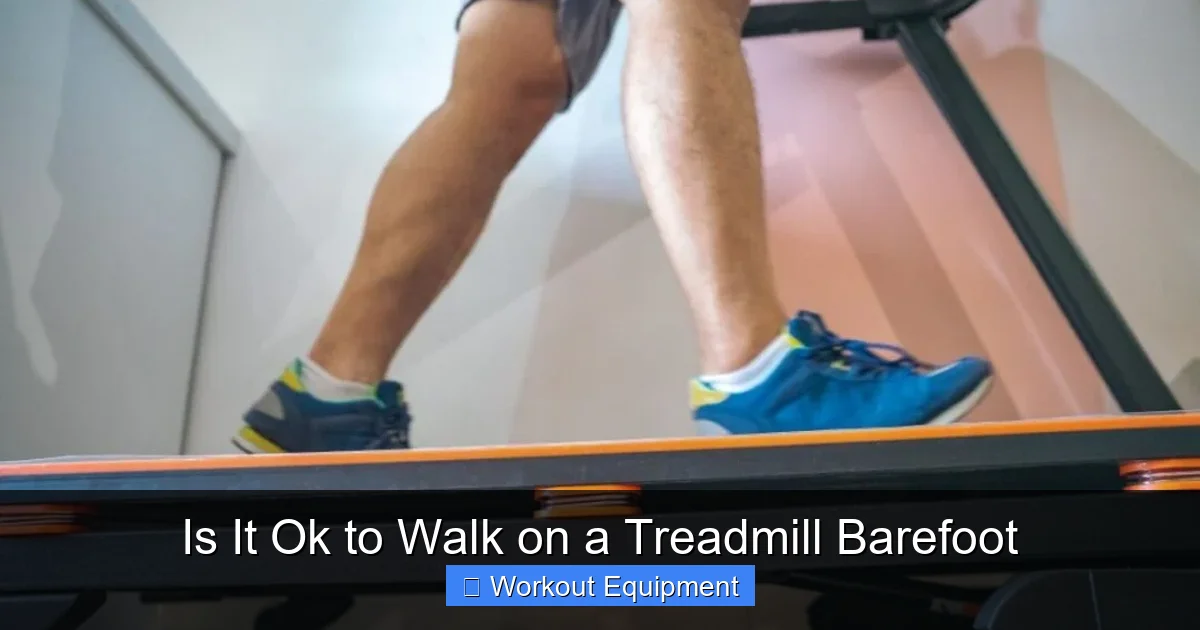
Walking on a treadmill barefoot carries significant risks like blisters, joint stress, and hygiene issues, but it also offers benefits such as improved gait and foot strength. The practice is generally not recommended for most people due to safety concerns. If you choose to do it, a gradual start, impeccable treadmill hygiene, and listening to your body are non-negotiable. For the vast majority, wearing proper footwear or considering minimalist shoes is the safest and most effective approach.
Key Takeaways
- High Injury Risk: Barefoot treadmill walking greatly increases the risk of blisters, abrasions, and joint impact injuries due to lack of cushioning and grip.
- Hygiene is Critical: Treadmills are germ hotspots. Direct skin contact exposes you to bacteria, fungi, and viruses from previous users.
- Potential Biomechanical Benefits: It can encourage a more natural gait and strengthen intrinsic foot muscles, but these are outweighed by risks for most.
- Not for Everyone: Individuals with diabetes, neuropathy, balance issues, or existing foot injuries should absolutely avoid barefoot treadmill use.
- Shoes are the Safer Standard: Proper athletic shoes provide essential cushioning, support, and traction, making them the recommended choice for nearly all users.
- A Minimalist Alternative: If seeking barefoot-like benefits, high-quality minimalist shoes offer a safer compromise with some protection and ground feel.
- Gradual Transition is Mandatory: If attempting barefoot walking, start with extremely short sessions (1-2 minutes) on a slow, flat belt to assess tolerance.
📑 Table of Contents
- The Allure and Anxiety of Bare Treads: An Introduction
- The Science of Slippery (and Sticky) Situations: Friction & Grip
- Biological Backlash: What Your Feet (and Body) Really Feel
- The Germ & Grime Gauntlet: Hygiene Hazards
- Who Should Absolutely Never Try It: Contraindications
- The Safer Path: How to Approach “Barefoot” Sensations Properly
- The Verdict: A Clear-Cut Conclusion for Most
The Allure and Anxiety of Bare Treads: An Introduction
You’re standing before your treadmill, the belt at a gentle, inviting speed. The thought strikes: what if I just… took my shoes off? The idea of walking barefoot on a treadmill stirs a curious mix of freedom and primal connection. It feels like the most natural way to move, stripping away the intermediary of a shoe to directly engage with the moving surface. Promises of better balance, stronger feet, and a more authentic gait float in your mind. But almost as quickly, a wave of anxiety follows. Is that a recipe for disaster? What about the blisters? The germs? The sheer weirdness of it?
This question—“Is it ok to walk on a treadmill barefoot?”—isn’t just a quirky curiosity. It taps into a broader cultural fascination with barefoot movement, inspired by practices like barefoot running and minimalist footwear. However, a treadmill is not a grassy field or a sandy beach. It’s a engineered, high-friction, continuously moving machine designed with the assumption that users will be wearing shoes. This fundamental mismatch is where the core of our exploration begins. We’re going to dissect the physiology, the practicalities, and the perils to give you a definitive, evidence-backed answer. Forget internet myths and personal anecdotes; we’re looking at the science of friction, biomechanics, and hygiene to help you make a safe, informed decision for your workout routine.
The Science of Slippery (and Sticky) Situations: Friction & Grip
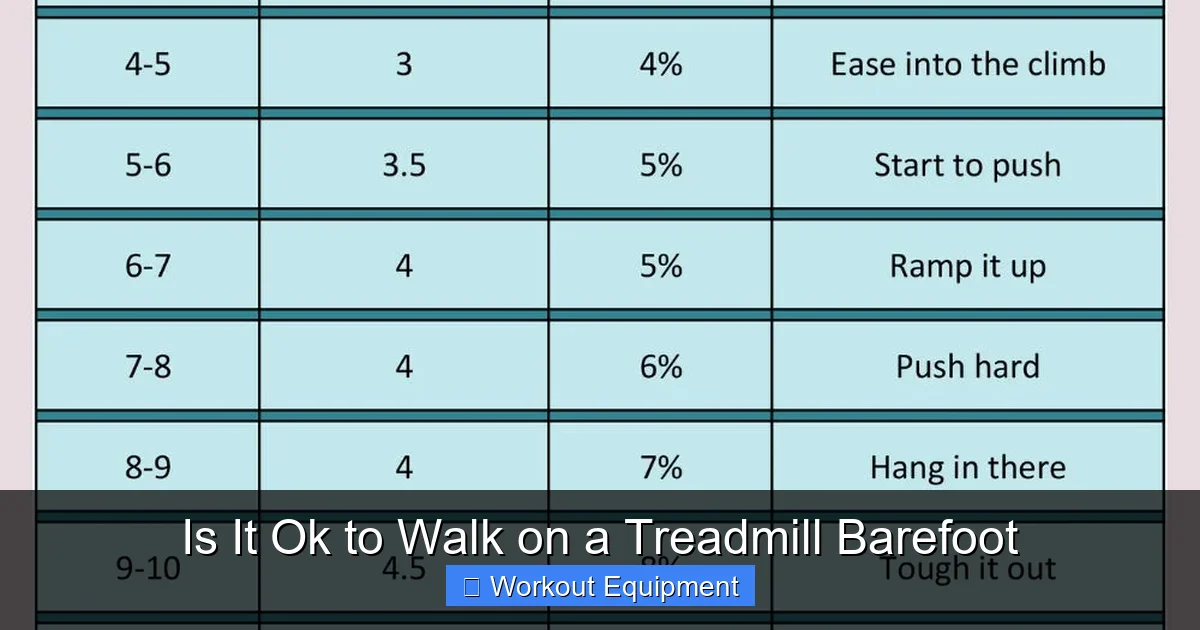
To understand the primary danger of barefoot treadmill use, we must first talk about friction—or the terrifying lack thereof. Treadmill belts are engineered for one thing: to grip the patterned sole of an athletic shoe. That rubber tread is a mechanical marriage. Your bare foot, however, is a different story. The skin on your sole, while tough in areas, is relatively smooth and can become moist with sweat very quickly.
Visual guide about Is It Ok to Walk on a Treadmill Barefoot
Image source: i.pinimg.com
The Sweat Factor: Your Hidden Enemy
Within minutes of starting your walk, your feet will begin to sweat. On a bare surface, this moisture acts as a lubricant. The result? A sudden, involuntary reduction in friction. Your foot can slide forward on the belt with startling speed while your body’s center of mass stays in place. This creates a violent shearing force. It’s the primary cause of the dreaded “treadmill face-plant” or a severe stumble that can twist an ankle or knee. Shoes wick away this moisture and their tread patterns are designed to channel it away, maintaining consistent grip.
Material Matters: Belt Texture vs. Skin
Most treadmill belts have a textured, sometimes bristled surface to enhance grip for shoes. To bare skin, this texture can feel abrasive almost immediately. It’s not designed for the delicate epidermis of your foot. This abrasion, combined with the sliding motion, is a perfect storm for painful blisters and raw, hot spots, especially on the balls of your feet and toes where pressure and friction concentrate.
Biological Backlash: What Your Feet (and Body) Really Feel
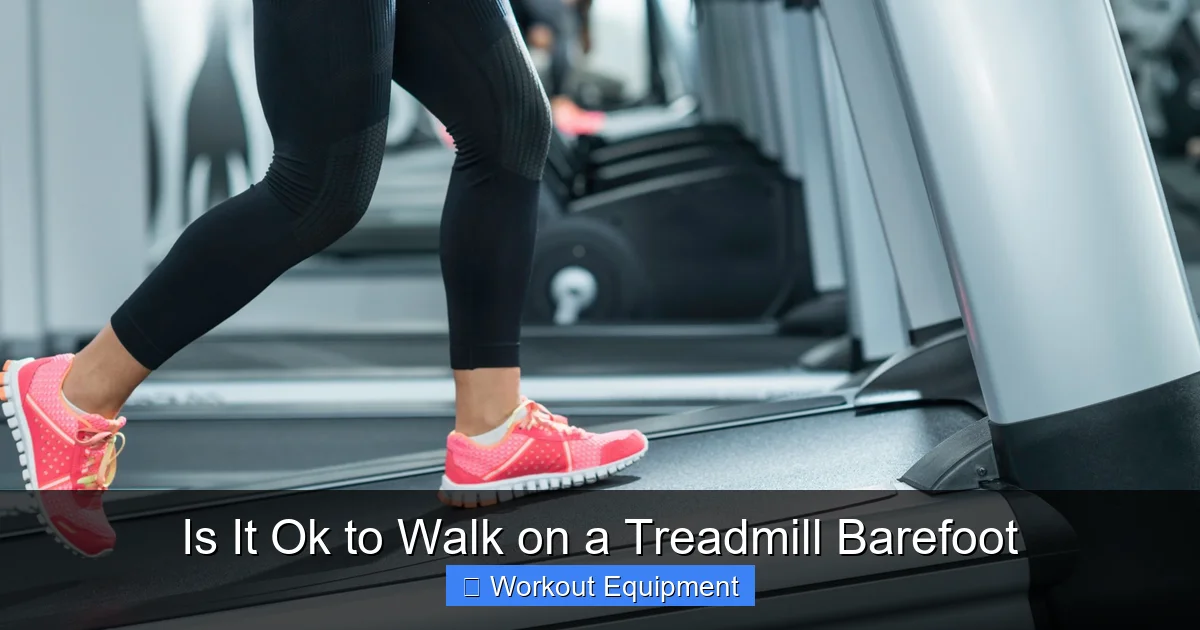
Let’s assume you master the grip issue, perhaps by keeping the speed very low. What happens biomechanically? Our feet evolved to walk on varied, natural terrain—dirt, grass, sand. A treadmill is a flat, rigid, and unyielding plane. Shoes are designed to absorb the repetitive shock of this impact. Without them, that shock travels directly into your skeletal system.
Visual guide about Is It Ok to Walk on a Treadmill Barefoot
Image source: scarysymptoms.com
The Joint Shockwave
With each heel strike (the common gait pattern even in walking), a force equivalent to 1-1.5 times your body weight travels up through your ankle, knee, and hip joints. A running shoe’s midsole acts as a damper, dissipating much of that energy. Your foot’s arch has some spring, but it’s not built for the constant, uniform compression of a treadmill. Over time, this can contribute to joint pain, exacerbate conditions like plantar fasciitis, or increase stress on the knee’s cartilage. For anyone with pre-existing arthritis or joint issues, this is a clear red flag.
Muscle Engagement: A Double-Edged Sword
Here’s the potential benefit: walking barefoot can activate the small, intrinsic muscles of your foot and lower leg that shoes often immobilize. This can lead to stronger feet and a more stable arch over the long term. However, this strengthening happens through controlled, progressive loading on varied terrain—not on a monotonous, high-repetition treadmill belt. Jumping straight into a 30-minute treadmill session barefoot is like trying to sprint before you can crawl. You’ll likely overuse and strain these very muscles, leading to fatigue, pain, and potential injury before any strengthening occurs.
The Germ & Grime Gauntlet: Hygiene Hazards
This is the most unequivocal, non-negotiable argument against barefoot treadmill use in shared or even private gyms. Think about the environment. A treadmill is a warm, slightly damp, high-traffic zone. People sweat on it, sometimes profusely. They may have athlete’s foot, plantar warts (caused by HPV), or other fungal and bacterial infections. Even if you clean your own home treadmill meticulously, the belt fabric can harbor microbes deep within its fibers.
Visual guide about Is It Ok to Walk on a Treadmill Barefoot
Image source: scarysymptoms.com
What’s Living on Your Belt?
Common culprits include Trichophyton fungi (athlete’s foot), Staphylococcus bacteria (which can cause serious skin infections), and the virus that causes plantar warts. These pathogens thrive in warm, moist environments. Direct skin contact with an infected surface is the primary transmission route. A blister or a tiny crack in your skin from friction is an open invitation for these organisms to invade. Is the potential for a painful, persistent foot infection worth the fleeting sensation of bare feet on a belt? For almost everyone, the answer is a resounding no.
The Cleaning Paradox
While you can and should wipe down the belt with disinfectant before and after use, this is a mitigation strategy, not a guarantee. Disinfectants need proper contact time to work, and the porous belt material can protect microbes. The only 100% effective barrier between your skin and the belt’s germ reservoir is a pair of socks and shoes. It’s a simple, effective layer of protection.
Who Should Absolutely Never Try It: Contraindications
For certain populations, barefoot treadmill walking isn’t just a bad idea—it’s a dangerous one that could have serious health consequences. If you fall into any of these categories, do not attempt it.
- Diabetes & Neuropathy: These conditions often cause reduced sensation (neuropathy) in the feet. You may not feel a developing blister, abrasion, or excessive heat from friction until it’s severe and infected. Poor circulation also means injuries heal slowly and can become life-threatening ulcers. A shoe is a vital protective shell.
- Balance Disorders or Vertigo: The lack of a stable, grippy interface with the belt can dramatically increase instability. A minor slip can lead to a bad fall, especially at higher speeds or inclines.
- Recent Foot or Ankle Injury: You are in a rehab phase. You need controlled, supported movement. Barefoot on a moving belt introduces unpredictable shear forces that can easily re-injure healing tissues.
- Severe Flat Feet or Overpronation: Without the structured support of a shoe, your arch may collapse excessively with each step, straining the plantar fascia and tibialis posterior tendon, leading to pain and injury.
- Any Open Wound, Blister, or Callus: This is an open door for infection from the belt’s germs. It will also be intensely painful and likely worsen with friction.
The Safer Path: How to Approach “Barefoot” Sensations Properly
If the idea of barefoot treadmill walking appeals to you because you want a more natural feel, better proprioception (your body’s sense of its position), or stronger feet, there is a dramatically safer and more effective path. It’s not about removing all protection; it’s about choosing smarter protection.
Embrace Minimalist Footwear
Minimalist shoes are the gold-standard compromise. They feature:
- Zero Drop: No height difference between heel and forefoot, promoting a mid-foot strike.
- Thin, Flexible Soles: Often just 3-8mm of material, allowing you to feel the ground while providing a crucial barrier against abrasion and pathogens.
- Wide Toe Box: Allows toes to splay naturally, improving balance and foot strength.
- Lightweight: No bulky heel counters or excessive cushioning.
Brands like Vivobarefoot, Merrell (Vapor Glove series), and Xero Shoes are excellent places to start. You can walk and even run on a treadmill in these, reaping many proprioceptive and strengthening benefits while eliminating the blister and germ risks.
The Gradual, Shod Transition (If You’re Determined)
If, after understanding all risks, you are still determined to try *truly* barefoot on your *own* meticulously clean home treadmill, you must follow a strict protocol:
- Start on a Slow, Flat Belt: 1.0 mph or slower. No incline.
- Time Limit: Begin with 60-90 seconds. That’s it. Stop before you feel any discomfort.
- Frequency: Wait at least 48 hours between attempts. This allows your skin and tissues to adapt without cumulative damage.
- Inspect Your Feet Daily: Look for any redness, blisters, or areas of thickening. This is your body’s feedback.
- Stop at the First Sign of Pain: Not “discomfort,” but sharp or lingering pain. This is a warning sign.
- Never Do It Post-Shower: Soft, waterlogged skin is incredibly vulnerable to abrasion.
This is a months-long adaptation process, not a one-time experiment. Even then, you accept the ongoing hygiene risk.
The Verdict: A Clear-Cut Conclusion for Most
So, is it ok to walk on a treadmill barefoot? For the overwhelming majority of people, in the vast majority of circumstances, the answer is no. The risks—severe blisters, joint stress, and serious bacterial/fungal infections—far outweigh the niche benefits of enhanced foot proprioception and muscle engagement. A treadmill is a piece of exercise equipment, not a sensory exploration tool. Its design philosophy assumes footwear.
The smart, safe, and healthy approach is to always wear clean, well-fitting athletic shoes designed for walking or running. They provide the necessary interface for grip, shock absorption, and hygiene. If you are drawn to the principles of barefoot movement, invest in a quality pair of minimalist shoes. This gives you the ground-feel and biomechanical advantages while acting as a critical shield against the unique hazards of the treadmill environment. Your feet are your foundation; protect them with the appropriate tool for the job. That tool is almost always a shoe.
Frequently Asked Questions
Can walking barefoot on a treadmill cause long-term damage?
Yes, potentially. The repetitive, high-impact shock without cushioning can contribute to stress fractures, exacerbate plantar fasciitis, and accelerate joint wear over time, especially if done regularly.
What about wearing just socks on a treadmill?
This is arguably more dangerous than bare feet. Socks provide almost zero grip on the belt, creating an extremely high risk of slipping and a violent fall. They also offer no protection from abrasion.
How often should a treadmill belt be cleaned if multiple people use it?
The belt and deck should be wiped down with an EPA-approved gym disinfectant after every single use, especially if users are barefoot or in socks. Deep cleaning of the belt’s internal components should follow the manufacturer’s schedule.
Are there any benefits to barefoot treadmill walking for athletes?
For highly disciplined athletes, very short, controlled barefoot sessions *might* improve foot muscle activation and gait awareness. However, these benefits are typically better and safer gained through barefoot drills on natural surfaces or via minimalist shoes during regular training.
My home treadmill is only used by me. Is it safer?
It eliminates the risk of *catching* an infection from others, but you still face the risks of blisters, joint stress, and slipping from your own sweat. The hygiene risk is lower but not zero, as environmental microbes exist.
What’s the single biggest reason to avoid barefoot treadmill walking?
The combination of unpredictable slipping from sweat-induced loss of friction and the high potential for acquiring a painful, stubborn foot infection from the belt’s surface makes it an unacceptable risk for nearly everyone.