How Long Should I Jump Rope for Beginner
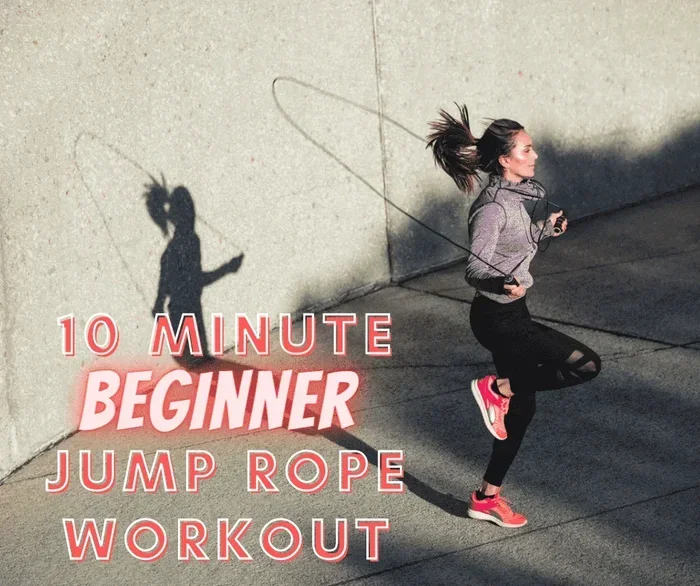
Jumping rope as a beginner starts with just 5 to 10 minutes per session. The right duration depends on your fitness level, goals, and endurance. This guide breaks down exactly how long you should jump rope as a beginner, with practical tips to build stamina safely and see real results.
Jumping rope is one of the simplest and most effective ways to get fit. You do not need a gym membership. You do not need fancy equipment. All you need is a rope and a small space. But here is the question most beginners ask: how long should I jump rope for beginner workouts?
The answer is not as simple as “do it for 30 minutes.” Your starting point depends on your current fitness level, your goals, and how your body responds to exercise. Some people can jump for 20 minutes right away. Others need to start with just 3 minutes. Both are perfectly fine. The key is to start where you are and build from there.
In this guide, we will walk you through everything you need to know about jump rope duration for beginners. You will learn how long to jump, how often to practice, and how to avoid the most common mistakes. By the end, you will have a clear plan to start your jump rope journey with confidence.
Key Takeaways
- Start Small: Beginners should begin with 5 to 10 minutes of jump rope per session to build a solid foundation.
- Build Gradually: Increase your duration by 2 to 3 minutes each week as your endurance improves.
- Listen to Your Body: Rest when you feel tired, and never push through pain or dizziness.
- Consistency Beats Intensity: Short daily sessions work better than long infrequent workouts.
- Use the Right Rope: A properly sized rope makes a huge difference in comfort and effectiveness.
- Mix It Up: Alternate between intervals and steady jumping to keep workouts fun and challenging.
📑 Table of Contents
- Why Duration Matters for Beginners
- How Long Should a Beginner Jump Rope Each Session
- Best Jump Rope Duration Based on Your Goals
- How Often Should Beginners Jump Rope
- Tips to Make Your Beginner Jump Rope Sessions Better
- Common Mistakes Beginners Make with Jump Rope Duration
- Expert Insights on Beginner Jump Rope Duration
- Conclusion
Why Duration Matters for Beginners
When you are just starting out, the length of your jump rope session matters a lot. Too little time and you will not see progress. Too much time and you risk injury or burnout. Finding the sweet spot is essential for long-term success.
Your body needs time to adapt to the impact of rope jumping. Your joints, muscles, and cardiovascular system all need a gentle introduction. This is why starting with a short beginner jump rope workout is so important. You build a base level of fitness before pushing yourself harder.
Also, the duration you choose should match your goals. Want to improve heart health? That requires a different approach than wanting to burn fat or build coordination. We will cover all of these scenarios below.
How Your Body Responds to Jumping Rope
Jumping rope is a high-impact cardio exercise. It raises your heart rate quickly. It engages your legs, core, arms, and shoulders all at once. For a beginner, this full-body effort can feel intense even after just a few minutes.
Your lungs and heart need time to adjust. Your muscles need time to handle the repeated impact. When you keep your initial sessions short, you give your body a chance to recover between workouts. This recovery time is when your fitness actually improves.
How Long Should a Beginner Jump Rope Each Session
The general recommendation for beginners is to start with 5 to 10 minutes per session. This applies to most healthy adults who are new to exercise. If 10 minutes feels too long, start with 5 minutes. If it feels too easy, try 12 minutes.
The goal of your first few weeks is not to burn maximum calories. The goal is to build the habit and develop basic coordination. Once you can jump comfortably for 10 minutes, you can start extending your sessions.
Week-by-Week Progression Plan
Here is a simple plan to follow during your first month:
- Week 1: Jump for 5 minutes, rest for 1 minute, repeat once. Total time: about 12 minutes.
- Week 2: Jump for 8 minutes with short breaks. Total time: about 15 minutes.
- Week 3: Jump continuously for 10 minutes. Total time: about 10 minutes.
- Week 4: Jump for 12 to 15 minutes with light breaks as needed.
Following this kind of progression helps you avoid sore joints and exhaustion. It also keeps you motivated because you can see real improvement every week.
Best Jump Rope Duration Based on Your Goals
Different goals call for different session lengths. Here is a breakdown of how long you should jump based on what you want to achieve.
| Goal | Recommended Duration | Frequency |
|---|---|---|
| General Fitness | 10 to 15 minutes | 3 to 4 times per week |
| Weight Loss | 15 to 20 minutes | 4 to 5 times per week |
| Cardio Endurance | 15 to 25 minutes | 3 to 5 times per week |
| Fat Burning | 20 to 30 minutes | 4 to 5 times per week |
| Coordination Practice | 5 to 10 minutes | Daily |
If your main goal is weight loss, you might want to aim for longer sessions over time. But remember, duration is only one piece of the puzzle. Diet, consistency, and recovery all play a role too.
For those specifically focused on fat loss, check out our detailed guide on how long you should jump rope to burn fat for a tailored approach. And if you are curious about how long it takes to see actual results from jumping rope, our article on how long it takes to see results covers that topic in depth.
How Often Should Beginners Jump Rope
Frequency is just as important as duration. As a beginner, jumping rope every single day might sound like a great idea. But your body needs rest days to recover and grow stronger.
A good starting schedule is 3 to 4 sessions per week. This gives you enough stimulus to improve your fitness while allowing your muscles and joints to recover. On rest days, you can take a walk or do some light stretching.
Signs You Are Jumping Too Much
Watch out for these warning signs that you might be overdoing it:
- Persistent soreness in your knees, ankles, or shins
- Feeling unusually tired even after resting
- Loss of motivation or dreading your workouts
- Joint pain that does not go away after a day of rest
- Feeling dizzy or lightheaded during sessions
If you notice any of these symptoms, take a break. Reduce your session length or skip a day or two. Recovery is not laziness. Recovery is part of the process.
Tips to Make Your Beginner Jump Rope Sessions Better
Jumping rope does not have to feel like a chore. With the right approach, it can be fun, energizing, and something you actually look forward to. Here are some practical tips to help you get the most out of each session.
Start with Intervals
Instead of jumping continuously, try interval training. Jump for 30 seconds, rest for 30 seconds. Repeat this cycle for 5 to 10 minutes. Intervals make the workout feel shorter and more manageable. They also boost your heart rate more effectively than steady jumping.
As you get more comfortable, you can extend the jumping intervals and shorten the rest periods. This is one of the best ways to build cardiovascular endurance without feeling overwhelmed.
Focus on Form First
Before you worry about how long you are jumping, focus on how you are jumping. Keep your posture upright. Land softly on the balls of your feet. Use your wrists to turn the rope, not your arms. Good form prevents injury and makes jumping feel easier.
If you are unsure about proper technique, start by practicing without the rope. Simulate the jumping motion to build rhythm and coordination. Then pick up the rope and apply what you have learned.
Choose the Right Equipment
Using the wrong rope can make your workout frustrating. A rope that is too long will drag on the ground. A rope that is too short will trip you up constantly. Make sure you get a rope that fits your height properly.
For beginners, a slightly weighted rope can be helpful. It gives you better feedback and helps you maintain a steady rhythm. If you are not sure what length to get, check out our guide on how long of a jump rope you should get for detailed sizing instructions.
Set a Timer and Track Your Progress
Use your phone or a simple timer to track how long you jump. Write down your times in a notebook or a fitness app. Seeing your progress over weeks and months is incredibly motivating.
You might notice that what felt impossible in week one becomes easy by week four. That is the power of consistent, progressive training. Tracking also helps you stay honest about your workout intensity and make smart adjustments.
Common Mistakes Beginners Make with Jump Rope Duration
Avoiding common pitfalls can save you from frustration and injury. Here are the most frequent mistakes beginners make when deciding how long to jump rope.
Starting Too Fast, Too Soon
One of the biggest mistakes is trying to jump for 30 minutes on day one. Your body is not ready for that. You will likely experience sore muscles, joint pain, and exhaustion. This kind of enthusiasm often leads to quitting within a week.
Respect the process. Start small and build up steadily. Remember that even 5 minutes of quality jumping is far better than 30 minutes of painful struggle that you never repeat.
Ignoring Rest Days
Some beginners think that every day should be a jump rope day. Rest days are essential. They allow your muscles to repair and your energy levels to recover. Without rest, you risk overtraining, which leads to injuries and stalled progress.
Skipping Warm-Ups and Cool-Downs
Jumping rope cold puts stress on your muscles and joints. Always spend 2 to 3 minutes doing light warm-up exercises before you start. This can include marching in place, arm circles, or gentle stretching.
After your session, cool down with slow walking and stretching. This helps your heart rate return to normal and reduces muscle soreness the next day.
Expert Insights on Beginner Jump Rope Duration
Fitness professionals generally agree that consistency is more important than duration. A short daily session will always beat a long session done once a week. The American Council on Exercise recommends that beginners start with low-impact cardio sessions of 10 to 15 minutes and gradually increase from there.
Many certified trainers also suggest combining jump rope with other forms of exercise. For example, you might jump rope for 10 minutes and then do some bodyweight exercises. This creates a well-rounded beginner workout routine that builds strength and cardio at the same time.
If you are looking for a complete beginner workout structure, our article on how long you should jump rope for a workout provides a detailed framework to follow.
For those interested in how jumping rope compares to other cardio exercises like biking, we also have a helpful comparison piece on how long you should bike for a good workout that can help you decide which activity fits your routine best.
Conclusion
So, how long should you jump rope as a beginner? The honest answer is: start with 5 to 10 minutes, three to four times a week. Keep it manageable. Keep it consistent. And most importantly, keep it enjoyable.
Your jump rope duration will grow naturally as your fitness improves. There is no need to rush. Every minute you spend jumping is a minute closer to better health, more energy, and stronger muscles. The best workout plan is the one you actually stick with.
Now that you know how to get started, grab your rope, set a timer, and give yourself the gift of movement. Your future self will thank you.
Frequently Asked Questions
Is 10 minutes of jump rope enough for a beginner?
Yes, 10 minutes is a great starting point for most beginners. It gives you a solid cardio workout without overwhelming your body. You can always add more time as your endurance improves.
How long should a beginner jump rope to lose weight?
For weight loss, aim for 15 to 20 minutes per session, four to five times a week. Combine this with a healthy diet for the best results. Consistency matters more than any single workout.
Can I jump rope every day as a beginner?
It is better to start with three to four days per week. This gives your body time to recover between sessions. Once you build a solid base, you can gradually increase to daily jumping if it feels comfortable.
What happens if I jump rope for too long as a beginner?
Jumping for too long too soon can lead to sore joints, muscle fatigue, and burnout. Your body needs time to adapt to the impact. Start short and increase your duration gradually to stay safe.
Should I jump rope before or after eating?
Wait at least 30 to 60 minutes after eating before jumping rope. Exercising on a full stomach can cause discomfort and nausea. A light snack 30 minutes before is usually fine if you need energy.
How do I know if my jump rope duration is right for me?
You should feel challenged but not exhausted. You should be able to breathe and talk during breaks. If you feel dizzy or in pain, shorten your session. The right duration is one you can sustain consistently.