Walking on a treadmill with just socks is generally a bad idea and poses significant safety and hygiene risks. Socks provide almost no traction, dramatically increasing your chances of a dangerous slip-and-fall accident. They also lack the support and cushioning your feet and joints need, potentially leading to pain or injury. Furthermore, sweaty socks create a slippery, unhygienic environment on the belt and deck. The solution is simple: wear proper athletic shoes designed for cardio machines. If shoes aren’t an option, use dedicated non-slip treadmill socks or socks with grips as a temporary, cautious alternative.
Key Takeaways
- Socks Alone Are Extremely Slippery: The fabric of socks has minimal friction against a treadmill’s smooth belt, making slips and falls a high probability, especially at any incline or speed.
- You Need Proper Footwear for Support: Athletic shoes provide crucial arch support, heel cushioning, and shock absorption that socks cannot, protecting your feet, ankles, knees, and hips from impact stress.
- Hygiene Suffers with Sock-Only Use: Sweat from your feet soaks into the belt and deck, creating a breeding ground for bacteria and fungus, and leaving an unpleasant odor for the next user.
- Dedicated “Treadmill Socks” Exist for a Reason: These are not regular socks; they have silicone or rubber grips on the sole and are made of moisture-wicking material, offering a safe, clean alternative when shoes aren’t possible.
- Shoes Protect the Treadmill: The soles of athletic shoes are designed to grip the belt without damaging it. Socks or bare feet can degrade the belt surface over time and transfer foot fungus to the machine.
- Barefoot is Also Not Recommended: While offering some grip, barefoot walking lacks all cushioning and support, risks burns from belt friction, and is a major hygiene violation in shared gyms.
[FEATURED_IMAGE_PLACEHOLDER]
📑 Table of Contents
- The Slippery Slope: Why Your Socks Are a Treadmill Hazard
- More Than a Slip: The Hidden Costs of Sock-Only Treadmilling
- What NOT to Wear: Sock Types to Avoid on the Treadmill
- The Right Tool for the Job: Proper Treadmill Footwear
- The Middle Ground: When Shoes Aren’t an Option
- Hygiene and Machine Care: Your Part in a Clean Gym
- Conclusion: Step into the Right Gear
The Slippery Slope: Why Your Socks Are a Treadmill Hazard
Let’s get right to it. Yes, it is bad to walk on a treadmill with just socks. In fact, it’s one of the riskiest things you can do on a cardio machine, second only to perhaps sprinting with your eyes closed. That cozy pair of cotton athletic socks might feel comfortable, but on the moving belt of a treadmill, they transform your feet into two potential projectiles. The primary, non-negotiable issue is traction.
Treadmill belts are engineered for one thing: to move smoothly under your foot. They are typically made of a durable, slightly textured rubber or PVC composite. This surface is designed to interact with the patterned rubber sole of a running shoe. A sock’s woven cotton or synthetic material has a very low coefficient of friction on this surface. The moment your foot pushes off to take a step, the belt can slide right out from under you. This isn’t a minor stumble; it’s a full, uncontrolled fall backward onto a hard, moving surface. The consequences range from a bruised tailbone and a sore head to far more serious injuries like sprains, fractures, or even head trauma. The risk multiplies with any increase in speed or incline, as the forces at play become greater.
The Science of the Slip
Think about trying to walk on a wet tile floor in socks. You take a step, your foot glides, and you wind up in an undignified heap. A treadmill belt, even when dry, behaves similarly under a socked foot. The belt’s continuous motion prevents you from regaining balance quickly. Unlike a static floor where you might catch yourself, the moving belt actively works against your stability. Your body’s natural gait cycle—heel strike, mid-stance, toe-off—is completely disrupted. The toe-off phase, which propels you forward, becomes the moment of maximum peril because that’s when you exert the most backward force against the belt. With no grip, that force simply sends your foot flying backward, yanking your body with it.
More Than a Slip: The Hidden Costs of Sock-Only Treadmilling
Even if you miraculously avoid a catastrophic fall, walking on a treadmill with socks is still a poor choice for several other critical reasons. It’s not just about the immediate risk; it’s about the long-term wear and tear on your body and your equipment.
Visual guide about Is It Bad to Walk on Treadmill with Socks
Image source: i.pinimg.com
The Joint Jarring Reality
Socks offer zero cushioning. Every time your foot strikes the belt, the impact shock travels directly up through your foot’s bones, into your ankle, knee, and hip joints. Athletic shoes are built with layers of foam and gel specifically to absorb and dissipate this shock. Without them, you’re essentially running or walking on a hard surface with nothing but a thin fabric barrier. Over time, this repetitive stress contributes to joint pain, exacerbates conditions like plantar fasciitis, and can lead to stress fractures, particularly in the metatarsals (the long bones in your foot). Your body’s natural shock absorbers—your arches and the pads of your feet—are not designed for the sustained, amplified impact of a treadmill session.
The Hygiene Nightmare
Now, let’s talk about the less glamorous, but equally important, issue: sweat and bacteria. Your feet are one of the sweatiest parts of your body, packed with hundreds of thousands of sweat glands. When you walk or run, your feet get hot and moist. With a shoe on, that moisture is largely absorbed by the shoe’s interior and wick away by your sock. Without a shoe, that sweat goes directly onto the treadmill belt. This creates a damp, warm environment perfect for bacteria and fungus like athlete’s foot to thrive. You’re essentially leaving a microbial trail on the machine. For anyone using the treadmill after you, they are now stepping into your sweat puddle. It’s unhygienic, unpleasant, and a surefire way to spread foot fungi and infections. Gyms have strict “no bare feet” policies for this exact reason; socks-only is just a slightly more absorbent version of the same problem.
What NOT to Wear: Sock Types to Avoid on the Treadmill
Not all socks are created equal, but when it comes to the treadmill, almost all are equally bad. Understanding which materials and styles to steer clear of is key.

Visual guide about Is It Bad to Walk on Treadmill with Socks
Image source: treadmillxpert.com
Cotton: The Worst Offender
Traditional cotton athletic socks are the absolute worst choice. Cotton absorbs sweat like a sponge but dries very slowly. This means your sock becomes a heavy, soggy, slippery mess during your workout. The saturated cotton loses any minimal grip it had, turning your foot into a wet bar of soap on the belt. It also promotes blisters due to increased friction in some areas and skin-on-skin contact in others. Furthermore, cotton retains odor, so your damp, sweaty sock will smell terrible and hold that smell against your skin.
Thick, Fuzzy, or “Boot Socks”
Those thick, plush socks designed for boots or winter wear are a hazard. Their bulkiness can alter your natural foot strike and gait, making you less stable. The fuzzy pile on the bottom acts like a tiny slip-n-slide, reducing what little friction a thinner sock might have. They also trap immense amounts of heat and sweat, accelerating the hygiene issue.
Dress Socks & Stockings
Made from nylon, silk, or other ultra-smooth synthetics, dress socks are the slipperiest of all. They have zero texture and are designed to slide effortlessly into dress shoes. On a treadmill, they are a guaranteed fall. They offer no cushioning, no support, and no grip. Their only potential use is as a demonstration of what not to do.
The Right Tool for the Job: Proper Treadmill Footwear
So, what should you wear? The answer is unequivocal: a proper pair of athletic shoes. But not just any old sneaker will do for optimal treadmill use.
Visual guide about Is It Bad to Walk on Treadmill with Socks
Image source: kingswaygym.com
Features of a Great Treadmill Shoe
Look for a shoe that prioritizes cushioning and forward motion. Running shoes are ideal, but many cross-trainers or “walking shoes” work well too. Key features include:
- Responsive Midsole: This is the foam layer between your foot and the sole. It should feel springy, not rock-hard or completely mushy. Brands like Hoka, Brooks, ASICS, and New Balance have proprietary cushioning technologies designed for impact absorption.
- Secure Fit: Your heel should not slip out when you walk. A snug midfoot lock is essential to prevent internal foot movement, which causes blisters and instability.
- Breathable Upper: Good airflow keeps your foot cooler and drier, managing sweat and improving comfort for longer sessions.
- Durable Outsole: The rubber tread pattern on the bottom should be designed for road or track use. It provides the necessary grip on the treadmill belt without being so aggressive that it damages the belt surface.
What About “Barefoot” or Minimalist Shoes?
This is a nuanced area. True barefoot shoes (like Vibram FiveFingers) or minimalist shoes with zero drop and ultra-thin soles are popular for some runners. However, for treadmill use, they come with caveats. They offer excellent ground feel and can strengthen foot muscles, but they provide no cushioning. The treadmill belt, while forgiving compared to concrete, still delivers significant impact. Using minimalist shoes on a treadmill requires a very strong, efficient gait and a gradual adaptation period to avoid injury. For most people, especially walkers and those new to exercise, a cushioned shoe is the safer, smarter choice.
The Middle Ground: When Shoes Aren’t an Option
There are rare scenarios where you might find yourself near a treadmill without proper shoes—a spontaneous hotel gym session, a forgotten pair at a friend’s house, a physical therapy clinic with specific protocols. In these cases, all is not lost, but you must proceed with extreme caution and the right gear.
Specialized Treadmill Socks are Your Only Sock-Based Solution
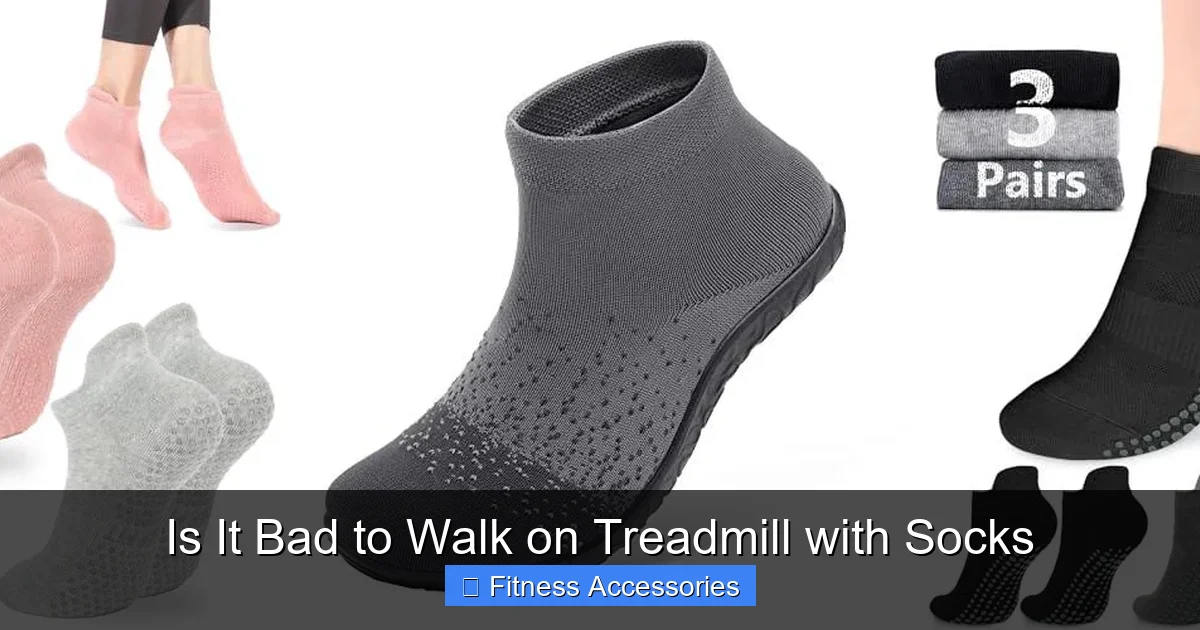
These are not your drawer’s ankle socks. Dedicated non-slip treadmill socks are a specific product category. They are characterized by:
- Silicone or Rubber Grips: The entire sole, and sometimes the heel, is covered in small, raised dots or patterns made of sticky silicone. These grips physically bite into the belt’s texture, providing traction.
- Performance Fabric: Made from moisture-wicking materials like nylon, polyester, or merino wool blends. They pull sweat away from the skin to the surface to evaporate, keeping your foot drier than cotton.
- Snug, Compression Fit: They fit like a second skin, preventing wrinkles or bunching that could cause blisters or hot spots.
- Arch Support (Sometimes): Some models incorporate light compression or a slight raised pattern to offer minimal arch support.
Brands like GripSox, Treadmill Socks, and various physiotherapy brands sell these. They are a fantastic tool for physical therapy patients, seniors doing gentle walking under supervision, or for those with specific foot conditions that make shoes painful. However, they are still a compromise. They do not offer the heel cushioning, arch support, or overall impact protection of a real shoe. Use them only for low-speed, flat-terrain walking, and stop immediately if you feel any slipping.
The “No-Shoe” Protocol for Shared Spaces
If you absolutely must use a treadmill in a gym, hotel, or apartment complex without shoes, you have a moral and hygienic obligation. First, check the facility’s posted rules—most explicitly forbid bare feet or socks. If allowed, you must wipe down the belt and deck thoroughly with a gym-provided disinfectant wipe before and after your use. Consider bringing your own wipe. This shows respect for other users and mitigates the hygiene risk as much as possible. Keep the session very short and at the lowest possible speed.
Hygiene and Machine Care: Your Part in a Clean Gym
Your choice of footwear (or lack thereof) has a direct impact on the treadmill’s longevity and the health of your community. This is a shared responsibility.
The Sweat and Grime Transfer
As discussed, sweaty socks or feet coat the belt and the motor compartment deck underneath with a film of salt, oils, and bacteria. This grime works its way into the belt’s seams and the deck’s surface. Over time, this can:
- Degrade the Belt Material: Accelerate wear and tear, causing the belt to become rough, cracked, or sticky.
- Clog the Motor and Rollers: Dust, hair, and sweat grime can be pulled into the motor housing, coating internal components, increasing friction, and leading to overheating, premature wear, and costly repairs.
- Create Odors: A “gym smell” is often bacteria breaking down sweat and organic matter in the machinery. Clean feet and shoes help combat this at the source.
The Simple Act of Cleaning
The best practice is to always wear clean, dry athletic shoes. After your workout, take an extra 30 seconds to wipe the belt and side rails with a disinfectant wipe. This removes your sweat and any bacteria you may have tracked in. If you used treadmill socks, wipe the belt down twice. For gym owners and managers, this article is a strong argument for enforcing a strict “athletic footwear only” policy and providing clear signage. For you, the user, it’s a simple act of courtesy that keeps the equipment running smoothly for everyone.
Conclusion: Step into the Right Gear
The question “Is it bad to walk on a treadmill with socks?” has a crystal-clear answer: Yes, it is bad. It’s dangerous, unhealthy, and damaging to the equipment. The comfort of a sock is a false economy that trades long-term joint health, personal safety, and communal hygiene for a moment of convenience. The risks of a slip-and-fall accident are real and serious. The cumulative impact on your joints is scientifically established. The hygiene implications are straightforward biology.
The solution is not complicated. Invest in a good pair of dedicated athletic shoes for your cardio workouts. If you’re walking at home, keep a pair by the treadmill. If you’re traveling, pack a pair of lightweight, packable walking shoes. If you’re in a situation where shoes are impossible, seek out certified non-slip treadmill socks as a strictly temporary and cautious measure, and always clean the machine afterwards. Your feet, your joints, and your fellow gym-goers will thank you. Respect the machine, respect your body, and always step onto the belt with the right footwear. That’s the true secret to a safe, effective, and enjoyable treadmill workout.
Frequently Asked Questions
Can I use regular athletic socks if I’m just walking slowly?
No. Even at slow speeds, the belt’s motion can catch the smooth fabric of a sock, especially during the push-off phase of your gait. The risk of slipping exists at any speed, and slow speeds do not eliminate the joint impact or hygiene issues.
Are “grip socks” or socks with rubber dots safe for treadmill use?
Only if they are specifically designed as non-slip treadmill socks with full-sole silicone grips. Fashion socks with a few decorative rubber dots are not sufficient. Even with proper grip socks, they should only be used for low-speed walking and are not a substitute for cushioned athletic shoes for running or high-incline walking.
What’s the biggest risk: slipping or joint damage from socks?
The acute risk of a slip-and-fall accident is the most immediate and dangerous, potentially causing traumatic injury. However, the chronic joint damage from repetitive impact without cushioning is a serious long-term consequence for frequent users. Both are severe reasons to avoid socks.
Is barefoot better than socks on a treadmill?
Barefoot provides slightly better traction than socks due to the skin’s natural grip, but it is not recommended. It offers zero cushioning, risks friction burns from the belt, and is a major hygiene violation. It also exposes you to all the same impact stresses. Barefoot is worse for hygiene and only marginally better for traction.
My gym has a “no shoes” policy on the mats. Does that apply to the treadmill?
Gym policies vary, but a “no shoes” rule on stretching mats does not typically extend to cardio equipment. Treadmills, ellipticals, and bikes almost universally require closed-toe athletic shoes for safety and hygiene. Check your gym’s specific rules, but assume shoes are mandatory for all machines.
Can I wear my indoor slippers or flip-flops on the treadmill?
Absolutely not. These offer no support, have slippery soles, and have loose, flimsy structures that can catch in the belt’s side rails or under the deck, causing a severe accident. They are even more dangerous than socks. Only secure, closed-toe athletic footwear is acceptable.