Is an Exercise Bike or Rowing Machine Better
The debate between an exercise bike and a rowing machine comes down to your fitness goals, joint health, and personal preferences. Both machines deliver excellent cardio workouts, but they target different muscle groups and offer unique benefits. This guide breaks down everything you need to know to make the best choice for your home gym.
Choosing between an exercise bike and a rowing machine can feel overwhelming. Both machines are popular, effective, and widely available. But they are not the same. Each one targets your body differently and suits different fitness levels.
If you are trying to decide which machine to add to your home gym, you are in the right place. This article breaks down everything you need to know. We will look at muscle engagement, calorie burn, joint impact, and overall fitness benefits. By the end, you will know exactly which machine fits your goals.
The question is an exercise bike or rowing machine better does not have a single answer. It depends on what you want to achieve. Let us dive in and explore both machines in detail.
Key Takeaways
- Exercise bikes focus on lower body muscles and are easier on the joints.
- Rowing machines provide a full-body workout engaging up to 86% of your muscles.
- Calorie burn can be higher on a rowing machine due to the involvement of more muscle groups.
- Joint health favors the exercise bike for people with knee or hip issues.
- Space and budget are important factors to consider before purchasing either machine.
- Your fitness goals should ultimately determine which machine you choose.
📑 Table of Contents
Exercise Bike or Rowing Machine: The Big Picture
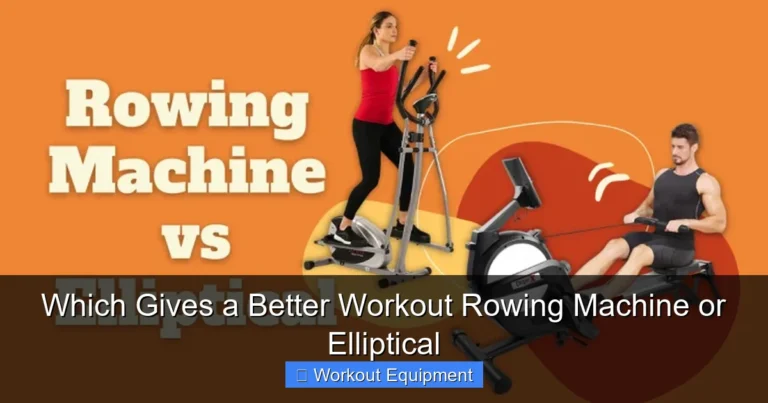
Both machines are excellent for cardio workouts. They get your heart pumping and help you burn calories. But the way they do that is quite different.
An exercise bike mimics the motion of cycling. You sit down and pedal against resistance. It is simple, effective, and easy to use. Most people can hop on an exercise bike and start working out within minutes.
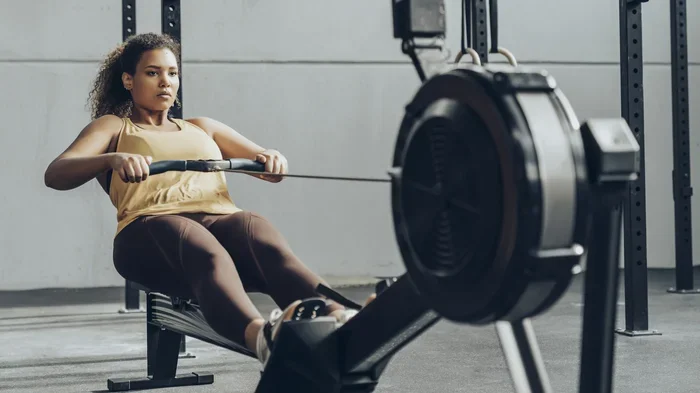
A rowing machine mimics the motion of rowing a boat. You push, pull, and glide back and forth. It involves your legs, arms, back, and core. This makes it a much more full-body movement. If you want to know what is better an exercise bike or rowing machine for overall muscle engagement, the rowing machine clearly wins.
How They Compare at a Glance
- Exercise Bike: Primarily targets legs and glutes. Low impact. Easy to learn. Great for steady-state cardio.
- Rowing Machine: Engages legs, arms, back, and core. Moderate impact. Slight learning curve. Great for dynamic full-body workouts.
Neither machine is better in every way. Each has strengths that make it the right choice for different people. Let us look closer at what each machine actually does to your body.
What Does Each Machine Target?
Understanding which muscles each machine works is key to making your decision. Your muscles respond differently depending on the equipment you use.
Muscles Worked by an Exercise Bike
An exercise bike primarily targets your lower body. Here are the main muscle groups it engages:
- Quadriceps: The front of your thighs do most of the work.
- Hamstrings: The back of your thighs help control the pedal stroke.
- Glutes: Your buttocks power each pedal push.
- Calves: Your lower legs stabilize and push through the motion.
Some exercise bikes also engage your core for stability. But the upper body stays mostly relaxed. If lower body toning and leg strength are your goals, an exercise bike is a solid pick.
Muscles Worked by a Rowing Machine
A rowing machine works far more muscles. In fact, it engages about 86% of your body’s muscles with each stroke. Here is a breakdown:
- Legs: Quadriceps, hamstrings, glutes, and calves power the drive phase.
- Core: Your abs and lower back stabilize your torso throughout the motion.
- Back: The latissimus dorsi and trapezius muscles pull the handle toward you.
- Arms: Biceps, shoulders, and forearms complete the pull.
This full-body engagement makes rowing machines fantastic for people who want a comprehensive workout. If you are curious about whether is a rowing machine better than an exercise bike for muscle activation, the answer is yes for overall body engagement.
Calorie Burn and Weight Loss Comparison
Most people who choose cardio equipment want to lose weight or stay fit. Calorie burn is a top priority. So which machine helps you burn more calories?
The answer depends on intensity, duration, and your body weight. But generally, rowing machines burn more calories per session. Here is why:
- More muscles working means your body needs more energy.
- Higher intensity is easier to achieve on a rowing machine.
- Full-body effort keeps your heart rate elevated.
For a 155-pound person exercising at moderate intensity for 30 minutes:
- Exercise bike: Burns approximately 260 calories.
- Rowing machine: Burns approximately 316 calories.
These numbers can vary based on resistance levels and effort. But the rowing machine tends to edge out the exercise bike for calorie burn. If you want to learn more about how these two compare for energy expenditure, check out our detailed breakdown of what burns more calories exercise bike or rowing machine.
Quick Tip: Maximize Calorie Burn
Try interval training on either machine. Alternate between high-intensity bursts and recovery periods. This boosts your metabolism and burns more calories in less time. You can apply this strategy to both an exercise bike and a rowing machine.
Joint Health and Impact on Your Body
Joint health matters a lot when choosing cardio equipment. Some machines are gentle on your knees, hips, and ankles. Others can put stress on vulnerable joints if used incorrectly.
Exercise Bike and Joint Impact
An exercise bike is one of the lowest impact cardio machines available. Your feet stay on the pedals, and there is no jumping or jarring motion. This makes it ideal for:
- People recovering from injuries.
- Those with knee or hip arthritis.
- Older adults looking for safe cardio options.
- Anyone who wants a gentle but effective workout.
Recumbent exercise bikes are especially joint-friendly because they provide back support and a wider seat. If joint comfort is your top concern, an exercise bike is hard to beat.
Rowing Machine and Joint Impact
A rowing machine is also low impact, but with a small caveat. The sliding seat and pulling motion are gentle on your knees. However, poor form can strain your lower back. Here are some important points:
- Proper technique is essential to avoid back injuries.
- Start with lower resistance until you master the form.
- Keep your back straight throughout every stroke.
When used correctly, a rowing machine is easy on the joints. But if you have existing back problems, consult a doctor before starting. You can also explore whether which is better a rowing machine or exercise bike for someone with joint concerns to get more tailored advice.
Common Mistake to Avoid
Many beginners use too much resistance too soon on a rowing machine. This leads to poor form and potential injury. Start light, focus on smooth strokes, and gradually increase resistance over time.
Which Machine Fits Your Fitness Goals?
This is the most important question to ask yourself. Your goals should guide your choice, not the other way around. Let us look at common fitness goals and which machine suits each one.
Goal: Weight Loss
If you want to drop pounds quickly, a rowing machine has the edge. It burns more calories per session and engages more muscles. That said, consistency matters more than the machine you choose. The best machine is the one you will actually use regularly.
Goal: Lower Body Toning
For shaping your legs and glutes, an exercise bike is the clear winner. It isolates and strengthens your lower body muscles effectively. You can adjust resistance to build more muscle or keep it light for endurance.
Goal: Overall Fitness and Endurance
If you want to improve your whole-body fitness, a rowing machine is excellent. It builds cardiovascular endurance while also strengthening your muscles. This makes it a great choice for people who want well-rounded results.
Goal: Rehabilitation or Gentle Exercise
For people returning from injury or surgery, an exercise bike is the safer option. It is low impact, easy to control, and gentle on recovering joints. A rowing machine can work too, but only with proper guidance and form.
Goal: Space and Budget
Both machines come in a wide range of prices. Basic exercise bikes are often more affordable than entry-level rowing machines. Rowing machines also tend to be longer, so they need more floor space. Measure your available area before buying.
Final Verdict: Which Should You Choose?
So, is an exercise bike or rowing machine better? The honest answer is that both are great. The right choice depends on your body, your goals, and your preferences.
Choose an exercise bike if you want:
- A simple, easy-to-use machine.
- Joint-friendly cardio with lower body focus.
- A compact option for smaller spaces.
- A great machine for beginners or rehab.
Choose a rowing machine if you want:
- A full-body workout that burns more calories.
- To build both strength and endurance together.
- A dynamic, engaging exercise routine.
- To challenge your entire body, not just your legs.
Some people even own both machines and alternate between them. This keeps workouts fresh and ensures you get balanced fitness benefits. Variety is one of the best ways to stay motivated long-term.
Ultimately, the best machine is the one that matches your lifestyle and keeps you coming back. Try both if you can. Many gyms have both options, so test them out before buying.
Whichever you choose, consistency is what drives results. Show up, work hard, and track your progress. Both an exercise bike and a rowing machine can help you reach your fitness goals. The decision is yours, and now you have all the information you need to make it confidently.
Frequently Asked Questions
Is an exercise bike or rowing machine better for beginners?
An exercise bike is generally easier for beginners. It is simple to use, has a low learning curve, and is gentle on your joints. You can start pedaling right away without worrying about technique. A rowing machine does require learning proper form, but it is still beginner-friendly once you get the hang of it.
Can I lose belly fat using either machine?
Spot reduction is a myth, but both machines help you burn overall body fat, including belly fat. A rowing machine burns slightly more calories per session, which can help create the calorie deficit needed for fat loss. Combine either machine with a healthy diet for the best results.
Which machine is quieter for apartment living?
An exercise bike is generally quieter than a rowing machine. The pedaling motion produces minimal noise, especially on magnetic bikes. Rowing machines can make some noise from the sliding seat and fan resistance. Magnetic rowing machines are quieter than air resistance models.
How long should I workout on each machine?
For general fitness, aim for 20 to 30 minutes per session. Beginners can start with 15 minutes and gradually increase. The American Heart Association recommends at least 150 minutes of moderate cardio per week. You can split this between an exercise bike and a rowing machine for variety.
Is a rowing machine bad for my back?
A rowing machine is not bad for your back when used with proper form. Keep your back straight, engage your core, and avoid rounding your lower back. Start with low resistance and focus on smooth strokes. If you have existing back issues, consult a doctor before starting a rowing routine.
Can I build muscle with an exercise bike or rowing machine?
A rowing machine builds more muscle because it engages your full body, including your arms, back, and core. An exercise bike mainly targets your lower body. For muscle building, increase resistance on either machine and consider adding strength training exercises to your routine.