Is a Rowing Machine Good Exercise for Seniors
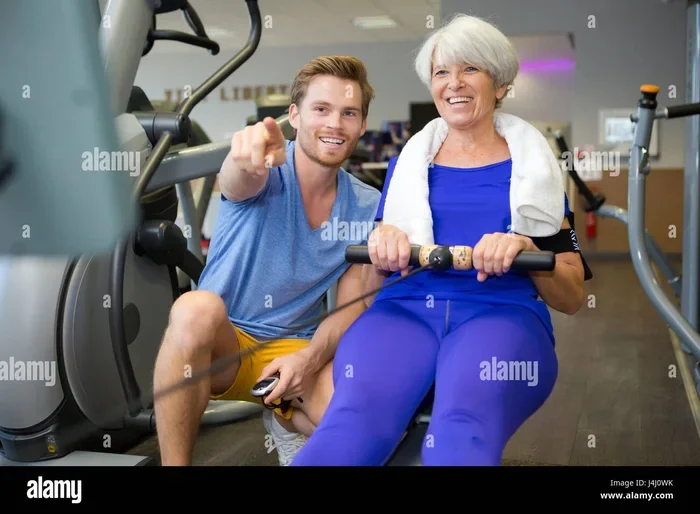
A rowing machine is one of the best low impact exercises for seniors because it works nearly every muscle group without stressing your joints. Regular rowing helps improve heart health, build strength, and boost balance, all from the comfort of home. This guide covers the key benefits, safety tips, and how to start a safe rowing routine for older adults.
Getting older does not mean you have to give up on staying active. In fact, finding the right kind of exercise becomes even more important as we age. Many seniors worry that workouts are too hard on their bodies. They fear joint pain, falls, or just not being able to keep up. That is where a rowing machine comes in. It offers a gentle yet powerful way to stay fit without putting stress on your knees, hips, or ankles.
If you are over 60 and looking for a safe, effective way to move your body, this article is for you. We will walk through every reason why a rowing machine can be a game changer for your fitness routine. You will learn about the health benefits, how to use one safely, and what mistakes to avoid. By the end, you will feel confident about giving rowing a try.
Key Takeaways
- Low Impact Workout: Rowing is gentle on joints, making it ideal for seniors with arthritis or mobility concerns.
- Full Body Exercise: It targets legs, arms, back, and core in one smooth movement.
- Heart Health: Regular rowing improves cardiovascular fitness and endurance.
- Safe and Accessible: With proper form and a slow start, seniors can row confidently at home.
- Weight Management: Rowing burns calories and supports healthy weight goals for older adults.
- Better Balance and Posture: Strengthening core and back muscles helps prevent falls.
📑 Table of Contents
Why a Rowing Machine Is Great for Seniors
A rowing machine is a seated exercise tool that mimics the motion of rowing a boat. You pull a handle toward your chest while pushing off with your legs. This creates a smooth, flowing movement that works your whole body. Unlike running or jumping, rowing puts very little pressure on your joints. That makes it one of the best options for older adults who want to stay active.
Here is why so many seniors are turning to this machine:
- Seated position: You are supported the entire time, which reduces the risk of falling.
- Adjustable resistance: You can go as slow or as fast as your body allows.
- Low impact: No jarring movements mean less stress on your knees and hips.
- Easy to learn: The basic motion is simple and natural once you get the hang of it.
- Home friendly: Many models fold up and store easily in a closet or corner.
If you have been searching for a workout that feels good and does good, a rowing machine deserves a spot in your home. For more on why this machine is a solid choice for older adults, check out our detailed guide on is a rowing machine a good workout for seniors.
Key Health Benefits of Rowing for Older Adults
Rowing is not just about staying active. It delivers real health benefits that matter every day. Let us break down the top reasons to consider adding this workout to your routine.
Improves Heart and Lung Health
Your heart is a muscle, and like any muscle, it gets stronger with regular use. Rowing is a great cardiovascular exercise that gets your blood pumping without being too intense. Studies show that aerobic exercise like rowing can lower blood pressure, improve circulation, and boost overall heart health. For seniors, this means more energy, better sleep, and a stronger body every day.
Builds Muscle Strength Safely
As we age, muscle mass naturally decreases. This is called sarcopenia, and it can make everyday tasks harder. Rowing works your legs, arms, shoulders, and back all at once. The smooth resistance helps build and maintain muscle without the risk of heavy lifting. Over time, you may notice it is easier to carry groceries, climb stairs, or get up from a chair.
Supports Joint Health and Mobility
One of the biggest advantages of a rowing machine is how gentle it is on your joints. The movement is fluid and controlled, which means there is no pounding or jarring. This makes it a popular choice for seniors dealing with arthritis or stiffness. Regular rowing can also improve your range of motion, helping you stay flexible and mobile.
Want to learn more about how rowing helps with joint comfort? Our article on is a rowing machine good for lower back pain covers this topic in depth.
Helps with Weight Management
Staying at a healthy weight becomes more challenging as we get older. A slower metabolism and less daily movement can lead to weight gain. Rowing burns a surprising number of calories for a seated exercise. A moderate 30 minute session can burn 200 to 300 calories depending on your intensity. Combined with a balanced diet, rowing can be a powerful tool for healthy weight management.
For seniors focused on shedding extra pounds, check out our guide on is a rowing machine good exercise for weight loss to see how it compares to other options.
Boosts Balance and Coordination
Falls are a serious concern for older adults. Strengthening your core and back muscles plays a big role in maintaining balance. The rowing motion engages your core throughout every stroke. Over time, this leads to better posture, improved stability, and greater confidence in your daily movements.
How to Use a Rowing Machine Safely
Safety always comes first, especially when starting a new exercise routine. The good news is that rowing is one of the safer machines you can use. But doing it the right way makes all the difference.
Start with a Warm Up
Before you hop on the machine, take five to ten minutes to loosen up your muscles. Try gentle arm circles, light stretching, or a short walk. Warming up helps your body ease into the movement and reduces the chance of strain.
Focus on Proper Form
Good form is the secret to a safe and effective rowing session. Here are the basic steps:
- Start with your knees bent and shins vertical. Grab the handle with both hands.
- Push off with your legs first, keeping your arms relaxed.
- Lean back slightly once your legs are almost straight.
- Pull the handle toward your lower chest with your arms.
- Reverse the motion slowly: arms extend, lean forward, then bend your knees to return to the start.
Move at a comfortable pace. Do not rush. The goal is smooth, controlled strokes. If anything feels painful, stop and rest.
Set the Right Resistance
Most rowing machines let you adjust the resistance level. For seniors, start at a lower setting. You should feel challenged but never strained. As your fitness improves, you can gradually increase the resistance. Think of it like turning up the volume slowly, not all at once.
Listen to Your Body
This is the most important tip of all. Your body knows what feels right and what does not. If you feel dizzy, short of breath, or any sharp pain, stop immediately. Take a break, drink water, and rest. There is no shame in going slow. Progress matters more than speed.
Common Mistakes Seniors Should Avoid
Even with the best intentions, it is easy to make mistakes when starting something new. Here are the most common ones and how to avoid them.
- Rounding your back: Keep your spine straight throughout the stroke. Slouching can lead to back discomfort over time.
- Using only your arms: The power comes from your legs first, not your arms. Think of it as a leg drive, not an arm pull.
- Going too fast: Speed does not equal better results. Focus on steady, controlled movements instead.
- Skipping cool down: Always end your session with gentle stretching. This helps your muscles recover and reduces soreness.
- Ignoring pain: Some discomfort is normal when you are new, but sharp or lasting pain is a warning sign. Do not push through it.
Avoiding these mistakes will help you get the most out of every session while staying safe and comfortable.
How Often Should Seniors Row?
Consistency is the key to seeing results. You do not need to row every day to benefit. For most seniors, three to four sessions per week is a great starting point. Each session can last anywhere from 10 to 30 minutes, depending on your fitness level.
Here is a simple weekly plan to follow:
- Monday: 10 minutes at a light pace
- Wednesday: 15 minutes with moderate resistance
- Friday: 20 minutes, gradually increasing intensity
- Sunday: 10 minutes of easy, relaxed rowing
As your body adapts, you can add more time or increase the frequency. The important thing is to build a habit that feels sustainable and enjoyable.
Rowing Machine vs Other Exercises for Seniors
There are many exercise options available for older adults. How does a rowing machine compare to the rest?
| Exercise Type | Impact Level | Muscles Worked | Good for Seniors? |
|---|---|---|---|
| Rowing Machine | Very Low | Full body | Yes |
| Treadmill Walking | Low to Medium | Legs, core | Yes, with caution |
| Stationary Bike | Very Low | Legs, glutes | Yes |
| Elliptical | Low | Full body | Yes |
| Weight Lifting | Medium | Targeted muscles | Yes, with guidance |
What makes the rowing machine stand out is that it combines a cardio workout with strength training in one smooth motion. You get the benefits of a full body workout without the high impact of a treadmill or the limited muscle engagement of a stationary bike.
Getting Started: What You Need
Starting your rowing journey is easier than you might think. Here is a quick checklist of what you need:
- A rowing machine: Look for one with adjustable resistance and a comfortable seat. Many affordable options work well for beginners.
- Supportive footwear: Wear shoes with good grip and cushioning.
- Water bottle: Stay hydrated before, during, and after your workout.
- Comfortable clothing: Wear loose, breathable clothes that let you move freely.
- A clear space: Make sure you have enough room around the machine to move safely.
You do not need fancy equipment or a gym membership. A simple setup at home is all it takes to start feeling the benefits of rowing.
Final Thoughts
A rowing machine is one of the best exercise choices for seniors who want to stay strong, healthy, and independent. It is gentle on your joints, works your whole body, and fits easily into any daily routine. Whether you are looking to improve your heart health, manage your weight, or simply move more confidently, rowing can help you get there.
The most important step is the first one. Start slow, focus on your form, and listen to your body. With consistency and patience, you will feel the difference. So go ahead, give it a try. Your future self will thank you.
Frequently Asked Questions
Is rowing safe for seniors with back problems?
Rowing can be safe for many seniors with back issues, but it is always best to consult your doctor first. The smooth, low impact motion of a rowing machine is generally easier on the back than high impact activities like running or jumping.
How long should a senior row each session?
Start with 10 to 15 minutes and gradually increase as your fitness improves. Most seniors find 20 to 30 minutes per session to be comfortable and effective. Quality and consistency matter more than duration.
Can rowing help seniors lose belly fat?
Rowing is a full body exercise that burns calories and helps reduce overall body fat, including belly fat. Combined with a healthy diet, regular rowing sessions can support your weight loss goals effectively.
Do I need any experience to use a rowing machine?
No experience is needed at all. The rowing motion is simple and intuitive. Start at a low resistance, focus on learning the proper technique, and you will be comfortable within a few sessions.
Is a rowing machine better than a treadmill for seniors?
For many seniors, a rowing machine is a better choice because it is seated, low impact, and works the full body. A treadmill involves more joint stress and a higher risk of falls. Both are good options, but rowing is often gentler on the body.
What resistance level should seniors use on a rowing machine?
Start with the lowest or lightest resistance setting. You should feel your muscles working but never strained or in pain. As your strength builds, you can slowly increase the resistance over several weeks.