Is a Banana a Berry You Will Be Shocked by the Answer
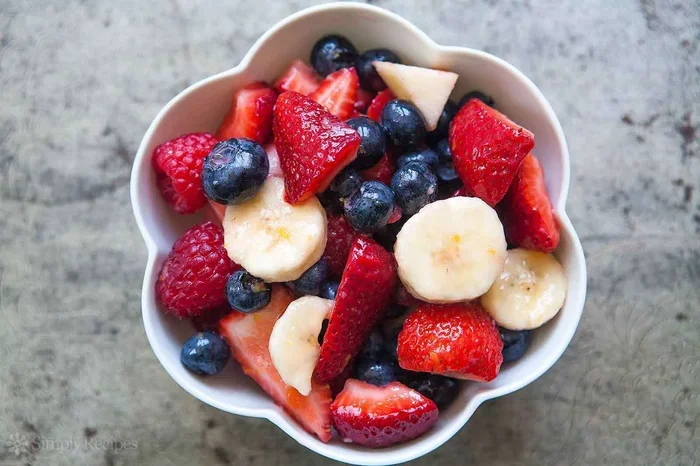
Yes, a banana is a berry — and that is not a joke. Botanically speaking, bananas meet every scientific requirement to be classified as a true berry, which shocks most people. The reason behind this surprising classification comes down to how the fruit develops from the flower and how seeds are embedded inside. Understanding what makes a banana a berry opens up a fascinating world of fruit science that changes how you see every fruit in your kitchen.
You probably never thought twice about whether a banana is a berry. It looks like a fruit. It tastes like a fruit. You peel it and eat it like a fruit. So why would anyone call it a berry?
Here is the wild part. Bananas are scientifically classified as berries. Not just any berry. A true berry by every botanical definition that exists. And once you understand why, you will never look at a banana — or a strawberry — the same way again.
This article breaks down the science behind fruit classification. You will learn what actually makes a berry a berry. You will discover which common fruits are not berries at all. And you will understand why the banana holds a special place in the botanical world.
Key Takeaways
- A banana is officially a berry according to botanical science, based on how it develops from a single ovary.
- True berries have three distinct layers — the exocarp, mesocarp, and endocarp — and bananas have all three.
- Many common fruits are not berries, including strawberries, raspberries, and blackberries, which surprises most people.
- The banana plant is technically a giant herb, not a tree, which adds to the fascinating nature of this fruit.
- Culinary classification differs from botanical classification, which is why bananas are treated as a fruit in cooking but a berry in science.
- Other surprising berries include grapes, avocados, and blueberries, showing how botanical definitions differ from everyday language.
- Bananas developed seedless fruit through domestication, but wild bananas still contain visible seeds inside the berry flesh.
📑 Table of Contents
- What Exactly Is a Berry in Botanical Terms?
- So Why Is a Banana Classified as a Berry?
- Common Fruits That Are NOT Berries
- The Science Behind Banana Development
- How Botanists Classify Fruits
- Why Does This Classification Matter?
- Other Surprising Fruits That Are Berries
- Key Takeaways
- Frequently Asked Questions
What Exactly Is a Berry in Botanical Terms?
Most people think of a berry as a small, round, juicy fruit. Blueberries. Strawberries. Raspberries. But in science, the definition is completely different. A botanical berry is a fleshy fruit that develops from a single flower with a single ovary. The entire ovary wall becomes the edible part of the fruit.
This means a true berry has three distinct layers. The outermost layer is called the exocarp. That is the skin or peel. The middle layer is the mesocarp. That is the fleshy part you eat. The innermost layer is the endocarp. That surrounds the seeds or seeds inside.
The Three Layers of a Berry
Let us break this down using a banana as the example. The yellow peel you throw away is the exocarp. The soft, sweet, white flesh is the mesocarp. And the tiny specks you find inside a banana are surrounded by the endocarp. Those tiny specks are the seeds. Even though modern bananas have tiny, undeveloped seeds, they are still there.
This three-layer structure is what separates true berries from other types of fruit. If a fruit does not have all three layers developing from a single ovary, it is not a true berry in the botanical sense.
Botanical fruit classification is based on anatomy and development, not on size, color, or taste. This is why the word berry means something completely different in a science lab than it does in your kitchen.
So Why Is a Banana Classified as a Berry?
Now that you know what a berry is, let us look at the banana specifically. A banana develops from a single flower with a single ovary. The ovary wall thickens and becomes the three layers we just discussed. The seeds are embedded inside the flesh. Everything checks out.
But here is where it gets even more interesting. Bananas are part of a group called true berries, also known as botanically classified berries. Other fruits in this group include grapes, tomatoes, blueberries, and even avocados. Yes, avocados are berries too.
Compare this to a strawberry. A strawberry develops from a flower with multiple ovaries. Each little seed on the outside of a strawberry is actually a separate fruit called an achene. The red fleshy part is not the ovary wall. It is the receptacle, which is the part of the flower that holds the ovaries. This makes a strawberry an aggregate accessory fruit, not a berry.
The same goes for raspberries and blackberries. Each tiny drupelet on a raspberry is its own fruit. They cluster together to form what looks like a single berry, but botanically, they are not berries at all.
Banana Plant Classification
Adding to the surprise, the banana plant itself is not a tree. It is a giant herb. The trunk is not made of wood. It is made of tightly wrapped leaf sheaths. So the banana grows on a giant herb plant and produces a true berry. That is a lot of botanical buzz packed into one fruit.
The banana fruit development process starts when the flower of the banana plant is pollinated. The ovary begins to swell. The outer layers form the peel. The inner layers form the edible flesh. Seeds develop inside if the banana is a wild variety. In cultivated bananas, the seeds remain tiny and sterile due to centuries of selective breeding.
Common Fruits That Are NOT Berries
Now for the part that really blows people’s minds. Many fruits you eat every day are not berries at all. Here is a list of fruits that are commonly mistaken for berries but do not meet the botanical definition.
Strawberries
Strawberries are accessory fruits. The red part is the receptacle, not the ovary wall. The actual fruits are the tiny yellow seeds on the outside. So despite the name, a strawberry is not a berry.
Raspberries and Blackberries
These are aggregate fruits. Each little bump on a raspberry is a separate drupe. They form from a single flower with multiple ovaries. That makes them aggregate fruits, not berries.
Cherries and Peaches
Cherries, peaches, plums, and apricots are all drupes. A drupe is a fruit with a fleshy outer layer and a hard stone or pit surrounding the seed. The pit is the endocarp. Drupes are a completely different category from berries.
Watermelon and Cantaloupe
These are pepos, which is a special type of berry with a hard rind. They are technically berries, but they belong to a subcategory called pepo. So watermelon is a berry, but a very unusual one.
The Science Behind Banana Development
Understanding how a banana grows helps explain why it is a berry. The banana plant produces a flower spike called a banana inflorescence. This tall structure emerges from the center of the plant and curves downward as the fruit develops.
Each section of the inflorescence can produce a cluster of bananas called a hand. A full bunch is called a bunch. Inside each banana fruit, you will find the three layers that define a true berry. The peel forms from the outer ovary wall. The flesh develops from the middle layer. And the tiny seeds sit in the innermost layer.
Wild bananas contain hard, black seeds that you can actually see and feel. They are not pleasant to eat. Over thousands of years, humans selected bananas that produced fewer and smaller seeds. Modern cultivated bananas, like the Cavendish variety, have seeds that are tiny, white, and undeveloped. They do not affect the eating experience.
The domestication of bananas is a fascinating story. Humans first cultivated bananas in Southeast Asia and Papua New Guinea thousands of years ago. Through careful selection, they promoted plants that produced sweeter, seedless, and larger fruit. This is why your grocery store banana looks nothing like a wild banana.
How Botanists Classify Fruits
Fruit classification in botany is based on anatomy, not appearance. Scientists look at several factors. They examine how the fruit develops from the flower. They study the number of ovaries involved. They analyze the layers of the fruit wall. And they look at how seeds are arranged inside.
This is why the same fruit can be called different things in different contexts. In a grocery store, a banana is a fruit. On a tree, a banana grows on a herb. In a science lab, a banana is a berry.
Botanical terminology can feel confusing at first. But once you understand the basic principles, it all makes sense. The key is to focus on the structure and development of the fruit, not on its size, color, or taste.
Here is a quick comparison to help clarify things.
- True Berry — develops from a single ovary, has three layers, seeds embedded in flesh. Examples: banana, grape, tomato, blueberry.
- Aggregate Fruit — develops from a single flower with multiple ovaries. Examples: raspberry, blackberry, strawberry.
- Multiple Fruit — develops from the ovaries of multiple flowers merged together. Examples: pineapple, fig, mulberry.
- Drupe — has a fleshy outer layer and a hard stone around the seed. Examples: cherry, peach, olive, coconut.
This table shows how diverse fruit categories can be. The banana fits neatly into the true berry category. And once you see it in context, the classification makes perfect sense.
Why Does This Classification Matter?
You might be wondering why any of this matters. Does it change the way you eat a banana? Not really. Does it change the way a banana tastes? Definitely not. But understanding fruit classification gives you a deeper appreciation for the natural world.
Botanical classification helps scientists understand plant relationships. It helps breeders develop new varieties. It helps nutritionists understand how different fruits compare. And it helps curious people like you learn something genuinely fascinating every single day.
Knowledge about fruit science also helps in agriculture. Farmers use botanical classification to understand pollination needs, growth patterns, and harvesting requirements. The more we know about how fruits develop, the better we can grow and care for them.
Next time someone tells you a banana is not a berry, you can confidently set them straight. You now know the science. You understand the layers. And you can explain why the botanical definition is what it is.
Other Surprising Fruits That Are Berries
The banana is not the only fruit that will surprise you. Here are some other common fruits that are technically berries.
- Grapes — a classic true berry with all three layers and seeds embedded in the flesh.
- Tomatoes — yes, a tomato is a berry. It develops from a single ovary with three distinct layers.
- Blueberries — despite the name, blueberries are true berries with seeds inside the fleshy fruit.
- Avocados — a single large seed surrounded by flesh, all developing from one ovary. A textbook berry.
- Bananas — the star of this article, a true berry with a peel, flesh, and embedded seeds.
The list goes on. Eggplants, goji berries, and even chili peppers are classified as berries. The botanical definition is much broader than everyday language suggests.
Key Takeaways
- A banana is officially a berry according to botanical science, based on how it develops from a single ovary.
- True berries have three distinct layers — the exocarp, mesocarp, and endocarp — and bananas have all three.
- Many common fruits are not berries, including strawberries, raspberries, and blackberries, which surprises most people.
- The banana plant is technically a giant herb, not a tree, which adds to the fascinating nature of this fruit.
- Culinary classification differs from botanical classification, which is why bananas are treated as a fruit in cooking but a berry in science.
- Other surprising berries include grapes, avocados, and blueberries, showing how botanical definitions differ from everyday language.
- Bananas developed seedless fruit through domestication, but wild bananas still contain visible seeds inside the berry flesh.
Frequently Asked Questions
Is a banana really a berry or just a fruit?
Yes, a banana is really a berry. In botanical science, a berry is defined by how the fruit develops from a single ovary and has three distinct layers. A banana meets every one of these criteria. So while it is a fruit in everyday language, it is specifically a true berry in scientific classification.
Why is a strawberry not a berry but a banana is?
A strawberry develops from a flower with multiple ovaries and its fleshy part comes from the receptacle, not the ovary wall. A banana develops from a single ovary with all three fruit layers forming from the ovary wall. This structural difference is why a banana is a berry and a strawberry is not.
Are bananas the only fruit that is also a herb?
No, bananas are not the only fruit that grows on a plant classified as an herb. But the banana plant is one of the most well-known examples. The banana plant lacks a woody trunk and is made of leaf sheaths, making it a giant herb. Its fruit is a true berry. This combination is what makes bananas so botanically interesting.
Do bananas have seeds inside them?
Yes, bananas do have seeds, but they are tiny and undeveloped in cultivated varieties. Wild bananas have large, hard black seeds. Modern bananas like the Cavendish have small white seed remnants embedded in the flesh. These seeds are vestigial and do not affect the eating experience.
Can the classification of fruits as berries change?
No, the botanical classification of a fruit does not change. Once a fruit is identified as a true berry based on its structure and development, that classification remains. However, new scientific discoveries can lead to reclassification of plant families or genera, which may shift how certain fruits are grouped.
What other everyday foods are actually berries?
Several everyday foods are technically berries. Tomatoes, grapes, blueberries, avocados, eggplants, and even chili peppers all qualify as berries under the botanical definition. This shows how different the scientific definition is from how we use the word berry in daily conversation.
The answer to whether a banana is a berry is a clear yes. Botanically, bananas meet every requirement to be classified as a true berry. They develop from a single ovary, have three distinct fruit layers, and contain seeds embedded in the flesh.
This classification is a perfect example of how science and everyday language can differ. The next time you peel a banana, remember that you are holding a true botanical berry. It is a small but fascinating fact that connects you to the broader world of plant science and fruit classification.
Understanding what makes a banana a berry gives you a new lens for looking at the fruits you eat every day. You will never think about strawberries, grapes, or tomatoes the same way again. And that is the real joy of learning something new about the world around you.