The Surprising Health Benefits of Curly Kale Every Day
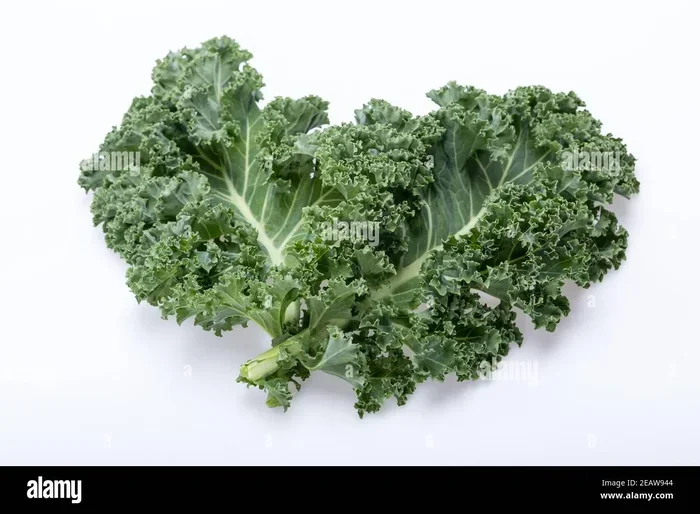
Curly kale is a nutrient-packed leafy green that delivers amazing health benefits every single day. This cruciferous vegetable is loaded with vitamins, minerals, and antioxidants that support your heart, bones, and immune system. Adding curly kale to your meals is one of the simplest ways to boost your overall wellness.
Key Takeaways
- Rich in Nutrients: Curly kale provides vitamins K, C, and A in every serving.
- Supports Heart Health: The fiber and antioxidants in curly kale help lower cholesterol.
- Boosts Bone Strength: Vitamin K and calcium in curly kale keep bones strong.
- Aids Digestion: The high fiber content promotes healthy digestion and gut health.
- Easy to Add to Meals: You can eat curly kale raw, cooked, or blended in smoothies.
- Anti-Inflammatory Properties: Curly kale helps reduce inflammation throughout the body.
- Supports Weight Management: Low in calories but high in nutrients, curly kale is perfect for weight control.
📑 Table of Contents
What Is Curly Kale and Why Is It So Popular?
Curly kale is a type of leafy green vegetable that belongs to the cruciferous vegetable family. It has ruffled, curly leaves and a tough, fibrous stem. People love it for its earthy flavor and impressive nutrient profile.
This nutrient-dense food has exploded in popularity over the last decade. You can find it in grocery stores, farmers markets, and smoothie shops everywhere. But what makes curly kale so special? The answer lies in its vitamins and minerals content.
Unlike some vegetables that lose their nutrients during cooking, curly kale holds up well. It stays packed with goodness whether you eat it raw or cooked. That makes it one of the most versatile leafy greens you can add to your plate.
Many people call curly kale a superfood, and for good reason. A single cup of raw curly kale gives you a powerful dose of nutrition with very few calories. It is truly one of the healthiest vegetables you can eat.
What Makes Curly Kale Different from Other Greens?
Not all leafy greens are created equal. Curly kale stands out because of its unique texture and nutrient density. Spinach is soft and mild. Lettuce is mostly water. But curly kale has a chewy, sturdy leaf that holds up to bold flavors.
It also contains more antioxidants than many other greens. These compounds help protect your cells from damage. Plus, curly kale is rich in chlorophyll, the green pigment that supports detox processes in your body.
The Nutritional Profile of Curly Kale
Let us take a closer look at what is inside curly kale. This vegetable is a true powerhouse of nutrition. One cup of raw curly kale (about 67 grams) contains:
- Vitamin K: Over 680% of your daily value
- Vitamin C: About 134% of your daily value
- Vitamin A: A significant portion of your daily needs
- Manganese: Supports bone health and metabolism
- Fiber: Promotes healthy digestion
- Iron: Helps carry oxygen through your blood
- Calcium: Important for strong bones and teeth
That is a lot of nutrition in just one small cup. Few vegetables can match this level of vitamins and minerals. This is why curly kale has earned its reputation as one of the world’s healthiest foods.
Antioxidants and Phytonutrients in Curly Kale
Beyond the basic vitamins, curly kale contains powerful antioxidants. These include quercetin and kaempferol. These compounds fight free radicals in your body. Free radicals can cause cell damage and lead to chronic diseases.
The anti-inflammatory properties of curly kale are also worth noting. Chronic inflammation is linked to many serious health problems. Eating curly kale regularly can help keep inflammation in check. This is one of the biggest reasons why health experts recommend cruciferous vegetables so often.
Top Health Benefits of Eating Curly Kale Every Day
Now let us get to the heart of the matter. What happens to your body when you eat curly kale every day? The benefits are truly surprising. Here is a closer look at what this leafy green can do for you.
1. Heart Health
Your heart works hard every day. Curly kale can help keep it healthy. The fiber in curly kale helps lower bad cholesterol levels. This is great news for your cardiovascular system.
Curly kale also contains potassium. Potassium helps regulate blood pressure. High blood pressure is a major risk factor for heart disease. By adding curly kale to your meals, you are giving your heart natural support.
The antioxidants in curly kale also protect your blood vessels. They reduce oxidative stress, which can damage artery walls. Over time, this can lower your risk of heart attacks and strokes.
2. Bone Strength
Strong bones are essential as you age. Curly kale is loaded with vitamin K. This vitamin plays a key role in bone metabolism. It helps your body use calcium properly to build and maintain bone density.
One cup of curly kale gives you more than six times the recommended daily intake of vitamin K. That is remarkable. Combined with the calcium and manganese it contains, curly kale is a bone-building superstar.
People who eat plenty of leafy greens like curly kale tend to have stronger bones. This is especially important for older adults who are at risk of osteoporosis.
3. Immune System Support
Your immune system is your body’s defense against illness. Curly kale gives it a natural boost. The vitamin C content is very high. Vitamin C helps your body produce white blood cells. These cells fight off infections and keep you healthy.
During cold and flu season, eating curly kale can be especially helpful. It also contains beta-carotene, which your body converts into vitamin A. Vitamin A keeps your skin and mucous membranes strong. These are your first lines of defense against germs.
4. Digestive Health
Healthy digestion is the foundation of overall wellness. Curly kale is rich in dietary fiber. Fiber keeps your digestive system running smoothly. It helps prevent constipation and promotes regular bowel movements.
The fiber in curly kale also feeds good bacteria in your gut. A healthy gut microbiome is linked to better immunity, mood, and even weight control. Eating curly kale is a simple way to support your gut health every day.
5. Anti-Inflammatory Effects
Inflammation is your body’s natural response to injury. But chronic inflammation is different. It can lead to arthritis, heart disease, and even cancer. Curly kale contains compounds that help reduce chronic inflammation.
The anti-inflammatory benefits come from antioxidants like kaempferol and quercetin. These compounds calm the immune system and prevent it from overreacting. Eating curly kale regularly can help keep your inflammation levels low.
6. Weight Management
If you are trying to manage your weight, curly kale is a great addition to your diet. It is very low in calories. One cup of raw curly kale has only about 33 calories. Yet it fills you up thanks to its high water and fiber content.
You can eat large portions of curly kale without worrying about excess calories. It is a perfect base for salads, a side dish, or a snack. The nutrient-dense food profile means you get more nutrition per calorie than almost any other vegetable.
How to Add Curly Kale to Your Daily Diet
Knowing the benefits is one thing. But how do you actually eat curly kale every day? The good news is that it is very easy to include in your meals. Here are some practical ways to enjoy it.
Raw in Salads
You can eat curly kale raw in salads. Just massage the leaves with a little olive oil and lemon juice. This softens the tough fibers and makes it more tender. Raw curly kale retains all of its vitamin C, which can be lost during cooking.
Try mixing curly kale with other greens, nuts, and a light vinaigrette. It makes a satisfying and crunchy salad base. You can also add raw curly kale to wraps and sandwiches.
Cooking Methods That Preserve Nutrients
Cooking curly kale is simple and delicious. Here are some great methods:
- Sautéing: Cook it in olive oil with garlic for about 5 minutes. This brings out a slightly sweet, nutty flavor.
- Steaming: Steam curly kale for 3 to 5 minutes. This preserves most of the vitamins.
- Baking: Make crispy kale chips by tossing leaves with olive oil and baking at 350°F for 10 to 15 minutes.
- Adding to soups: Stir curly kale into soups and stews during the last few minutes of cooking.
Avoid boiling curly kale for long periods. This can leach out water-soluble vitamins like vitamin C and B vitamins. Quick cooking methods are your best bet.
Smoothies and Juices
One of the easiest ways to eat curly kale every day is in a smoothie. Simply blend a handful of curly kale with fruit, yogurt, and a liquid of your choice. The sweetness of the fruit masks the earthy flavor of the kale.
You can also juice curly kale with apples, ginger, and lemons. This is a refreshing way to get your daily dose of vitamins and minerals. Just remember that juicing removes the fiber, so eat whole fruits and vegetables too.
Common Mistakes People Make with Curly Kale
Even though curly kale is great, some people make mistakes that reduce its benefits. Here are a few to watch out for.
Overcooking the Kale
Cooking curly kale too long destroys its nutrients and turns it mushy. Aim for just a few minutes of cooking. You want the leaves to be tender but still slightly chewy. This preserves the antioxidants and vitamins.
Not Washing It Properly
Curly kale grows close to the ground. Dirt and residue can hide in the ruffled leaves. Always wash curly kale thoroughly before eating. Soak it in cold water for a few minutes, then rinse well.
Eating Too Much Too Fast
Curly kale is healthy, but sudden large increases in fiber can cause bloating or gas. Start with small portions and gradually increase your intake. Your digestive system will adjust over time.
Expert Tips for Buying and Storing Curly Kale
Getting the most out of your curly kale starts at the store. Here is how to choose and keep it fresh.
How to Choose Fresh Curly Kale
Look for curly kale with deep green, crisp leaves. Avoid bunches with yellow or wilted leaves. The stems should be firm, not rubbery. Smaller leaves tend to be more tender and less bitter than large ones.
Organic curly kale is a great choice if you can find it. It reduces your exposure to pesticide residues. But conventional curly kale is still very nutritious and a better choice than not eating greens at all.
Best Storage Methods
Store curly kale in the refrigerator. Place it in a plastic bag with a paper towel to absorb excess moisture. This keeps it fresh for up to five days. Do not wash curly kale until you are ready to use it.
You can also freeze curly kale for longer storage. Blanch the leaves first, then place them in ice water. Dry them thoroughly and store in airtight containers. Frozen curly kale works great in soups and cooked dishes.
Conclusion
There you have it. The surprising health benefits of curly kale are hard to ignore. From supporting your heart and bones to boosting your immune system and aiding digestion, this leafy green delivers real results. It is one of the most nutrient-dense foods you can find in any grocery store.
Adding curly kale to your daily meals is simple and affordable. Whether you eat it raw in a salad, sauté it with garlic, blend it in a smoothie, or bake it into crispy chips, you are doing your body a favor. The cruciferous vegetable is packed with vitamins and minerals, antioxidants, and anti-inflammatory compounds that work together to improve your health.
Start small if you need to. Add a handful of curly kale to your next meal and notice how you feel. Over time, you may just wonder how you ever lived without this amazing leafy green in your kitchen. Your body will thank you for it.
Frequently Asked Questions
Is curly kale the same as regular kale?
Curly kale is the most common type of kale, but it is different from other varieties like lacinato or dinosaur kale. Curly kale has ruffled leaves and a slightly tougher texture. Each type has its own flavor and nutrient profile, but all are healthy choices.
Can I eat curly kale every day without any problems?
Yes, most people can eat curly kale every day safely. It is one of the healthiest vegetables you can consume. However, if you take blood thinners, talk to your doctor because the high vitamin K content can affect medication. Start with moderate amounts and see how your body responds.
What is the best way to cook curly kale to keep its nutrients?
Steaming and sautéing are the best methods to preserve nutrients in curly kale. Avoid boiling it for long periods. Quick cooking at high heat for a few minutes keeps the vitamins and antioxidants intact while making the leaves tender and delicious.
Does curly kale help with weight loss?
Curly kale can support weight loss because it is very low in calories but high in fiber and water content. This means it fills you up without adding excess calories. It is a great replacement for less nutritious foods in your diet.
Can children eat curly kale?
Yes, children can eat curly kale. It is packed with important nutrients for growing bodies. You can chop it finely and mix it into pasta, soups, or smoothies. The slightly bitter taste may take some getting used to, so try pairing it with sweet fruits in smoothies.
How does curly kale compare to spinach nutritionally?
Both curly kale and spinach are excellent leafy greens. Curly kale has more vitamin K and vitamin C, while spinach has more iron and folate. They are both nutrient-dense foods that offer unique benefits. Eating a variety of leafy greens gives you the best range of nutrients.