Is 20 Minutes on the Elliptical a Good Workout

Yes, 20 minutes on the elliptical can be a highly effective workout, but its success hinges entirely on intensity, consistency, and technique. For beginners or those with time constraints, it’s an excellent, low-impact way to boost cardiovascular health and burn calories. To see real results, you must push beyond a casual pace, focus on engaging your entire body, and pair it with a balanced diet and other forms of exercise. Short, high-effort sessions can be just as valuable as longer, steady-state ones when executed properly.
We’ve all been there. You have a busy schedule, and the only window you have to exercise is a tight 20-minute slot. You look at the sleek elliptical machine in the gym or in your home, and a familiar question pops into your head: “Is 20 minutes on the elliptical actually a good workout?” The short answer is a resounding yes, but with some very important caveats. The fitness world has long promoted the idea that you need to spend an hour or more sweating to see results. This outdated notion can prevent people with limited time from even starting. The truth is, quality and intensity matter far more than quantity. Twenty minutes on the elliptical, when approached with a strategic plan, can be a powerhouse of a workout that improves your heart health, burns calories, and boosts your mood. Let’s break down exactly how, why, and for whom those 20 minutes can be golden.
Key Takeaways
- Intensity Trumps Time: A vigorous 20-minute session is far more effective than a leisurely 40-minute one. Your effort level is the most critical factor.
- Heart Rate is Your Guide: Aim for 70-85% of your max heart rate during the bulk of your 20 minutes to maximize cardiovascular and fat-burning benefits.
- Consistency is Non-Negotiable: Twenty minutes daily or 4-5 times a week yields better long-term results than one long, infrequent session.
- Low-Impact, High-Benefit: The elliptical provides a full-body, joint-friendly workout ideal for injury recovery, arthritis sufferers, and cross-training.
- It’s a Tool, Not a Magic Bullet: For significant weight loss or muscle toning, combine elliptical work with strength training and nutritional adjustments.
- Form is Foundational: Poor posture and “coasting” render 20 minutes ineffective. Stand tall, push through heels, and actively use the arms.
- Progressive Overload Applies: Regularly increase resistance, speed, or incline to continue challenging your body and avoid plateaus.
📑 Table of Contents
- The Science of Short, Intense Workouts
- How to Maximize Your 20-Minute Elliptical Session
- Elliptical vs. Other 20-Minute Cardio Options
- Who Benefits Most from a 20-Minute Elliptical Routine?
- Common Mistakes That Waste Your 20 Minutes
- Designing Your Perfect 20-Minute Elliptical Plan
- The Bottom Line: Is It Good?
The Science of Short, Intense Workouts
For decades, the “fat-burning zone” myth suggested you had to exercise at a low, steady pace for 45+ minutes to tap into fat stores. Modern exercise science has largely debunked this. What matters more is the total energy expenditure and the afterburn effect, known as Excess Post-exercise Oxygen Consumption (EPOC). A shorter, more intense session creates a greater metabolic disturbance, meaning your body continues to burn calories at an elevated rate for hours after you’ve finished your 20-minute elliptical blast. High-Intensity Interval Training (HIIT) principles can be perfectly applied to the elliptical. By alternating between all-out sprints (30-60 seconds) and brief recovery periods, you can achieve profound cardiovascular and metabolic benefits in a fraction of the time of a traditional steady-state cardio session. So, the science is clear: 20 minutes is absolutely sufficient for a meaningful workout, provided you’re willing to work.
Understanding Caloric Burn in 20 Minutes
A common metric for judging a workout is “how many calories did I burn?” On an elliptical, a person weighing 155 pounds can burn approximately 270-335 calories in a 30-minute moderate session. Scaling this, a vigorous 20-minute effort could easily torch 180-225+ calories. However, this number is just a baseline estimate. Your actual burn depends on:
- Your Body Weight: Heavier individuals burn more calories performing the same work.
- Resistance & Incline: Cranking up the resistance dramatically increases energy demand.
- Speed & Effort: Moving quickly against resistance is the key driver of calorie expenditure.
- Engaging Your Upper Body: Using the moving handles actively recruits more muscle mass, boosting your metabolic rate.
Instead of obsessing over the machine’s calorie counter (which can be inaccurate), focus on perceived exertion and heart rate zones, which are more reliable indicators of your effort and physiological impact.
How to Maximize Your 20-Minute Elliptical Session
Twenty minutes is not a lot of time. There is no room for coasting. To make every second count, you need a game plan. The most effective 20-minute elliptical workouts follow a structured format that prioritizes intensity. Simply getting on and moving at a comfortable pace for 20 minutes is better than nothing, but it won’t lead to significant fitness gains or weight loss over time.

Visual guide about Is 20 Minutes on the Elliptical a Good Workout
Image source: healthconstitution.com.au
The HIIT Template for the Elliptical
This is the gold standard for a short, powerful workout. After a 2-3 minute warm-up at low resistance:
- Interval Block (14 minutes total): Perform 8-10 cycles of:
- Work Interval (45 seconds): All-out effort. Max out your resistance to a challenging level (7-9 on a scale of 1-10) and speed. Your legs should be burning, and you should be breathing heavily.
- Recovery Interval (60-75 seconds): Drop the resistance to 2-3 and slow your pace significantly. Catch your breath, but keep moving.
- Cool-down (3 minutes): Gradually reduce resistance and speed to a very slow walk to let your heart rate come down.
This format keeps your body guessing, maximizes EPOC, and prevents boredom. The total time is roughly 20 minutes, but the physiological impact is much larger.
The Steady-State “Climb” Alternative
If HIIT feels too daunting, a focused steady-state climb can also be highly effective. Set the elliptical to a high resistance (simulating a hill) and maintain a challenging but sustainable pace (RPE 7-8) for the entire 20 minutes. Focus on pushing through your heels, maintaining an upright posture, and using your arms powerfully. This builds muscular endurance in the legs and glutes while providing a solid cardiovascular stimulus. The key is that “sustainable” should still feel like hard work, not a stroll while scrolling through your phone.
Critical Form & Technique Tips
Poor form wastes energy and increases injury risk. Remember:
- Don’t Lean Forward: Keep your chest up, shoulders back and down. Engage your core. Leaning on the front console is a cardinal sin—it takes weight off your legs and reduces effectiveness.
- Full Range of Motion: Extend your legs completely without locking your knees. A shallow, quick motion is easier but provides less benefit.
- Drive Through Your Heels: Focus on pushing the pedal down and back with your heel to activate your glutes and hamstrings, not just your quadriceps.
- Use the Handles Actively: Pull and push with purpose. This turns the elliptical into a true full-body workout, engaging your back, chest, shoulders, and arms.
Elliptical vs. Other 20-Minute Cardio Options
Is the elliptical the best 20-minute machine? That depends on your goals and physical condition. Let’s compare it to two other popular time-crunched options: the treadmill and the stationary bike.

Visual guide about Is 20 Minutes on the Elliptical a Good Workout
Image source: i.ytimg.com
Elliptical vs. Treadmill
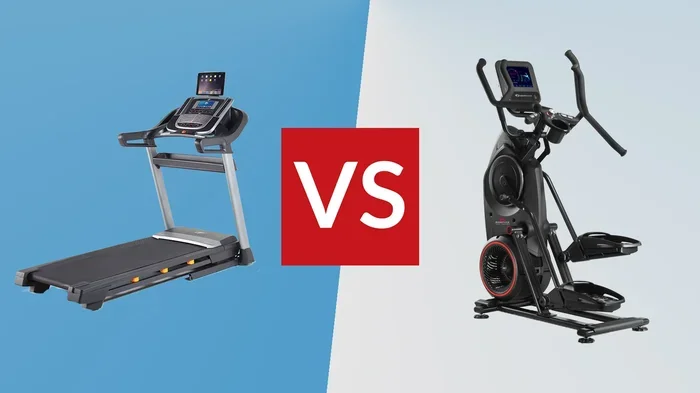
The treadmill is the classic cardio machine. A 20-minute run or brisk walk on an incline is fantastic for bone density (impact is beneficial here) and calorie burn. However, the elliptical’s major advantage is its zero-impact nature. If you have knee, hip, or back issues, or are recovering from an injury, the elliptical allows you to achieve a similar cardiovascular workout without the repetitive pounding. For pure, raw calorie burn in 20 minutes, a fast run on the treadmill might edge out the elliptical for many people, but the elliptical wins on joint longevity and total-body engagement.
Elliptical vs. Stationary Bike
A 20-minute spin on a stationary bike, especially on a spin bike, can be incredibly intense and leg-focused. It’s excellent for building quad and glute endurance and power. The elliptical provides a more balanced full-body workout by involving the arms and upper body more directly. The bike typically allows for higher resistance and power output (watts), making it slightly better for pure leg strength development. The elliptical offers a more upright, weight-bearing (though non-impact) position, which some may prefer. Both are excellent 20-minute tools; the choice comes down to preference and whether you prioritize upper body involvement (elliptical) or maximum leg power (bike).
Who Benefits Most from a 20-Minute Elliptical Routine?
This workout model isn’t for everyone in the same way, but it has a wide range of beneficiaries.

Visual guide about Is 20 Minutes on the Elliptical a Good Workout
Image source: i.pinimg.com
The Time-Poor Professional
If your day is packed from 9-to-5 with a long commute, carving out 20 minutes is psychologically and logistically easier than committing to an hour. This makes consistency—the most important factor for long-term health—actually achievable. You can do this first thing in the morning, during a lunch break, or as soon as you get home.
Beginners and Those with Weight Loss Goals
For someone new to exercise, 60 minutes can feel insurmountable and lead to burnout or injury. A 20-minute session is less intimidating and easier to recover from, allowing for daily or near-daily activity. This builds the crucial habit of regular movement. The calorie burn from a vigorous 20 minutes, when combined with a slight caloric deficit from diet, can contribute significantly to weight loss over weeks and months.
Injury Rehabilitation & Older Adults
The elliptical’s smooth, guided motion is a prescription for many physical therapists. It allows individuals with arthritis, tendonitis, or post-surgical limitations to maintain cardiovascular fitness and leg strength without stressing healing joints. For older adults concerned about osteoporosis, the weight-bearing (though non-impact) nature of the elliptical is preferable to the seated bike for maintaining bone density.
Cross-Training Athletes
Runners, cyclists, and soccer players often use the elliptical as an active recovery or cross-training tool. A 20-minute session on a rest day can promote blood flow to sore muscles without adding more impact stress. It maintains aerobic capacity while allowing the primary sport-specific muscles to recover.
Common Mistakes That Waste Your 20 Minutes
You have a limited window. Don’t sabotage it with these all-too-common errors.
Mistake 1: The “Zombie Zone” Workout
You get on, set the resistance to 3, and zone out while watching TV or scrolling social media for 20 minutes. Your heart rate barely rises above a resting pace. This is not a workout; it’s gentle movement. It’s better than sitting, but it will not improve fitness, build strength, or lead to weight loss. Solution: Use music with a driving beat, a podcast that engages you, or a pre-programmed interval workout on the machine. Your focus must be on your effort.
Mistake 2: Neglecting the Warm-Up and Cool-Down
Jumping straight into a hard interval or stopping abruptly is a recipe for dizziness, muscle strain, and poor performance. The first 2-3 minutes should gradually increase your heart rate and warm your muscles. The last 2-3 minutes should allow your heart rate to come down gradually. Skipping these eats into your precious 20 minutes of productive work and increases injury risk. Solution: Build these 3-minute buffers into your 20-minute plan. They are non-negotiable parts of the workout.
Mistake 3: Using Only Your Legs
Holding the stationary handles or placing your hands lightly on the moving ones while your arms do nothing is a massive missed opportunity. You’re cutting your calorie burn and muscle engagement by a significant margin. Solution: Consciously push and pull the handles with the same intensity as you push the pedals. Think of it as a simultaneous leg press and upper-body push/pull exercise.
Mistake 4: Sticking to the Same Routine
Your body adapts quickly. If you do the same 20-minute interval at the same resistance every day for a month, your progress will plateau. The workout will feel easier, and your results will stall. Solution: Follow the principle of progressive overload. Each week, try to add a little more: increase the resistance by one level, add an extra interval, or extend your high-intensity work phase by 5 seconds. Keep challenging your body.
Designing Your Perfect 20-Minute Elliptical Plan
Now, let’s put it all together into actionable plans based on your level and goal.
Plan A: The Beginner’s Foundation (First 4 Weeks)
Goal: Build habit, improve baseline fitness, learn form.
- Minutes 0-3: Warm-up. Resistance 3, comfortable pace. Focus on posture and full range of motion.
- Minutes 3-18: Steady-State Climb. Set resistance to a level that feels “challenging but doable” (5-6). Maintain a pace where you can speak in short phrases but not sing. Use your arms actively throughout.
- Minutes 18-20: Cool-down. Resistance 2, very slow pace. Let your heart rate drop.
Do this 3-4 times a week. Once this feels easy, move to Plan B.
Plan B: The Intermediate Fat-Torcher (Weeks 5+)
Goal: Maximize calorie burn and cardiovascular improvement.
- Minutes 0-3: Warm-up. Resistance 4, gradually increasing pace.
- Minutes 3-17: HIIT Intervals. Complete 7 cycles of: 45 seconds at Resistance 8-9 (all-out effort), 60 seconds at Resistance 3 (active recovery).
- Minutes 17-20: Cool-down. Resistance 2, slow pace.
Do this 4-5 times a week. For variety, swap one session for Plan C.
Plan C: The Strength-Focused Climber
Goal: Build leg and glute endurance and strength.
- Minutes 0-3: Warm-up.
- Minutes 3-20: The Never-Ending Hill. Set resistance to 7 or 8. Maintain a slow to moderate pace (you won’t be able to go fast). Focus on pushing through your heels and feeling the burn in your posterior chain. Your pace will be slow, but the resistance will be high. Keep your upper body working.
This is brutally effective for building muscular stamina. Do 2-3 times a week, on non-consecutive days.
The Bottom Line: Is It Good?
So, we return to the original question. Is 20 minutes on the elliptical a good workout? The definitive answer is: It can be, but only if you make it one. It is not a magic ticket to fitness on its own. It is a tool. A highly effective, accessible, low-impact tool, but a tool nonetheless. Its value is determined by the user’s effort, consistency, and integration into a broader lifestyle that includes proper nutrition, strength training (at least 2x per week), and recovery. For the person who can only spare 20 minutes, executing a high-intensity, full-body, focused session on the elliptical 4-5 times a week is an outstanding strategy for maintaining and improving health. It will strengthen your heart, burn significant calories, and build functional muscle in your legs and arms. It is a very good workout when treated with the respect and intensity it deserves. Stop worrying about the clock and start focusing on the burn. Those 20 minutes are yours to own.
Frequently Asked Questions
Can you lose weight with just 20 minutes on the elliptical?
Yes, you can contribute to weight loss with 20 minutes of vigorous elliptical work, but it must be combined with a caloric deficit from your diet. A single 20-minute session might burn 200+ calories, but consistent effort (4-5x/week) paired with healthy eating creates the deficit needed for fat loss over time.
Is 20 minutes on the elliptical enough to build muscle?
The elliptical can build some muscular endurance and tone in the legs, glutes, arms, and shoulders due to its resistance-based motion. However, it will not cause significant muscle hypertrophy (size increase). For true muscle building, you need dedicated strength training with heavier weights or resistance.
How often should I do 20 minutes on the elliptical?
For general health and fitness, aim for 4-5 sessions per week. This allows for adequate recovery while maintaining consistency. You can alternate between HIIT-style and steady-state climb days. Ensure you have at least 1-2 full rest days or active recovery days (like walking) per week.
Should I do the elliptical every day?
Not necessarily. While daily low-to-moderate intensity movement is great, performing vigorous 20-minute sessions every single day can lead to overuse injuries or burnout, especially for beginners. Listen to your body. 4-5 high-quality days is more effective than 7 mediocre, fatiguing ones.
Is the elliptical better than running for a 20-minute workout?
It depends on your priorities. Running typically burns more calories per minute and improves bone density due to impact. The elliptical is superior for those with joint issues, provides a better full-body workout, and has a lower injury risk. For a pure, high-intensity cardio shock in 20 minutes, a fast run might edge it out. For sustainable, joint-friendly, total-body work, the elliptical is an excellent choice.
Do I need to warm up and cool down for only 20 minutes?
Absolutely. A 2-3 minute warm-up prepares your cardiovascular system and muscles for work, reducing injury risk and improving performance. A cool-down helps your heart rate return to normal gradually and prevents blood pooling. These 3-minute buffers are essential parts of your 20-minute block, not optional extras.