How to Work Your Back Muscles with Dumbbells
Working your back muscles with dumbbells is one of the most effective ways to build strength, improve posture, and reduce back pain at home. This guide covers essential dumbbell exercises, proper form, and practical tips to target every part of your back. Whether you are a beginner or looking to switch up your routine, you will find everything you need right here.
Key Takeaways
- Dumbbells are versatile: You can target all major back muscles without a gym membership.
- Proper form matters most: It prevents injury and maximizes muscle engagement.
- Multiple exercises cover all back areas: From upper traps to lower lats, dumbbells deliver.
- Progressive overload drives results: Gradually increasing weight or reps builds muscle over time.
- Consistency beats intensity: A regular weekly routine beats occasional intense sessions.
- Back training boosts overall health: Strong back muscles improve posture, reduce pain, and enhance athletic performance.
📑 Table of Contents
Why Dumbbells Are Perfect for Back Workouts
Your back is one of the largest muscle groups in your body. It plays a role in almost every movement you make throughout the day. Dumbbells give you the freedom to train your back from every angle, whether you are at home or in a crowded gym.
Unlike machines, dumbbells let each side of your body work independently. This means you fix imbalances naturally. You also engage stabilizer muscles that machines often skip. The result is a more functional, stronger back.
If you have been searching for a simple way to build a powerful back, dumbbell back exercises are the answer. They require minimal equipment and deliver maximum results. Let us dive into the details.
Understanding Your Back Muscles
Before you start lifting, it helps to know what you are working. Your back is made up of several important muscle groups. Understanding them helps you train smarter.
The Latissimus Dorsi
Your lats are the wide muscles across your mid-back. They give your back its V-shaped look. Exercises like rows and pull movements target the lats directly. Strong lats improve pulling power and overall upper body strength.
The Trapezius
The traps run from your neck down to your mid-back. They help you shrug, rotate, and stabilize your shoulders. A well-developed trapezius adds thickness to your upper back.
The Rhomboids
These sit between your shoulder blades. They pull your shoulders back and help with posture. Weak rhomboids often lead to slouching and rounded shoulders.
The Erector Spinae
This group runs along your spine. It keeps your torso upright and stable. Strengthening these muscles helps prevent lower back pain and improves spinal health.
The Rear Deltoids
Your rear delts sit at the back of your shoulders. They assist in pulling movements and shoulder health. Many people neglect them, which leads to muscle imbalances.
Best Dumbbell Exercises for Your Back
Now let us get to the good stuff. These exercises target every major back muscle group. You can do them all at home with just a pair of dumbbells.
Bent-Over Row
The bent-over row with dumbbells is a back staple. It hits your lats, rhomboids, and traps all at once. Start with your feet shoulder-width apart. Hold a dumbbell in each hand and hinge at the hips. Keep your back flat and pull the weights toward your ribcage. Squeeze your shoulder blades at the top. Lower them slowly and repeat.
Tip: Keep your elbows close to your body. This increases back engagement and reduces arm involvement.
For a deeper dive into proper form and variations, check out our guide on how to do a bent-over row with dumbbells.
Single-Arm Dumbbell Row
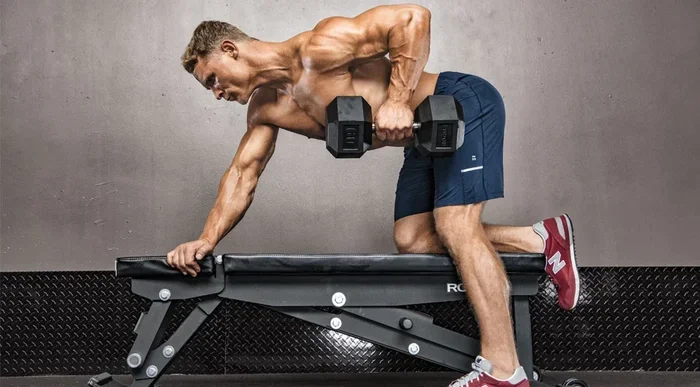
This exercise lets you focus on one side at a time. Place one hand and knee on a bench or chair. Hold a dumbbell in the other hand and pull it up to your hip. Rotate your torso slightly at the top. This hits the lats and rhomboids hard.
Quick Tip: Keep your core tight throughout the movement. This protects your lower back and keeps the tension on your target muscles.
Dumbbell Pullover
The pullover is a unique exercise that targets the lats and chest. Lie on your back on a bench or the floor. Hold one dumbbell with both hands above your chest. Lower it slowly behind your head, then pull it back up. This movement stretches and strengthens the lats in one motion.
Reverse Fly
Reverse flies work your rear delts and rhomboids. Bend forward at the waist with a dumbbell in each hand. Raise your arms out to the sides until they are parallel to the floor. Squeeze your shoulder blades together at the top. This exercise is a game-changer for posture.
Dumbbell Shrug
Shrugs isolate the upper traps. Hold dumbbells at your sides and simply shrug your shoulders up toward your ears. Hold for a second at the top, then lower slowly. This simple movement builds serious mass in your upper back.
Renegade Row
This is a combo exercise that works your back and core. Get into a plank position with a dumbbell in each hand. Row one dumbbell up to your hip, then switch sides. The unstable position forces your core and back to work together. It is one of the most efficient dumbbell back exercises you can do.
How to Build a Back Workout Routine
Knowing the exercises is only half the battle. You need a plan to put them together effectively. A well-structured routine ensures balanced development and steady progress.
Sample Beginner Routine
Start with this simple routine two to three times per week. Rest at least one day between sessions.
- Bent-Over Rows — 3 sets of 10 reps
- Single-Arm Dumbbell Rows — 3 sets of 8 reps per side
- Reverse Flies — 3 sets of 12 reps
- Dumbbell Shrugs — 3 sets of 15 reps
- Dumbbell Pullovers — 2 sets of 10 reps
Sample Intermediate Routine
Once you have built a foundation, increase the challenge.
- Bent-Over Rows — 4 sets of 10 reps
- Single-Arm Dumbbell Rows — 4 sets of 10 reps per side
- Renegade Rows — 3 sets of 8 reps per side
- Reverse Flies — 3 sets of 15 reps
- Dumbbell Shrugs — 4 sets of 12 reps
- Dumbbell Pullovers — 3 sets of 12 reps
Training Tips for Growth
Your back responds well to consistent training. Here are some proven tips to get the most out of your sessions.
- Focus on the mind-muscle connection. Think about your back muscles working during every rep.
- Use controlled reps. Avoid swinging the weights. Slow and steady builds more muscle.
- Increase weight gradually. Add a small amount of weight each week to keep progressing.
- Vary your grip. Wide grips target the lats more, while close grips engage the rhomboids.
- Rest adequately. Muscles grow during recovery, not during the workout itself.
For more guidance on building a complete home routine, visit our article on how to build muscle at home with only dumbbells.
Common Mistakes to Avoid
Even the best exercises can backfire if your form is off. Here are the most common mistakes people make when training their back with dumbbells.
Rounding Your Lower Back
Rounding your back during rows puts dangerous pressure on your spine. Always keep a slight arch in your lower back. Hinge at the hips and brace your core before each rep.
Using Too Much Weight
Heavy weights tempt you to cheat. You might start swinging or using momentum. This takes the work away from your back muscles. Choose a weight where you can complete all reps with proper form.
Shrugging Your Shoulders Up During Rows
Many people involuntarily shrug during rows. This shifts tension away from your back and toward your traps. Keep your shoulders down and pulled back throughout the movement.
Neglecting the Full Range of Motion
Partial reps limit your gains. Lower the weight fully and squeeze at the top. A complete range of motion stretches and contracts the muscles completely.
Skipping Warm-Ups
Jumping straight into heavy rows without warming up is a recipe for injury. Spend five to ten minutes doing light cardio and dynamic stretches first.
Benefits of Training Your Back with Dumbbells
Training your back goes far beyond looking good. The benefits touch every part of your daily life and fitness journey.
Improved Posture
Strong back muscles pull your shoulders back and align your spine. This reduces slouching and helps you stand taller. Good posture also makes you look more confident.
Reduced Back Pain
Weak back muscles often contribute to chronic pain. Strengthening them with dumbbell exercises supports your spine and relieves tension. Many people find their lower back pain decreases significantly within weeks.
Better Athletic Performance
Your back powers almost every pulling movement. Whether you are swimming, climbing, or playing sports, a strong back gives you an edge.
Balanced Muscle Development
Most people focus too much on their chest and arms. Training your back creates balanced upper body proportions. This also helps prevent injuries caused by muscle imbalances.
Increased Metabolism
Your back contains some of the largest muscles in your body. Training them burns significant calories and boosts your metabolism long after your workout ends.
If you want to target specific areas of your back, our article on how to train teres minor and major with dumbbells offers detailed guidance on the smaller but important back muscles.
How Often Should You Train Your Back?
The frequency depends on your fitness level and goals. For most people, training the back two to three times per week works well. This gives your muscles enough stimulus to grow while allowing proper recovery.
Beginners should start with two sessions per week. As you get stronger, you can add a third session. Always listen to your body. If you feel excessive soreness or fatigue, take an extra rest day.
For those looking to reduce back fat and tone the area, combining back exercises with overall fat loss strategies works best. You can learn more in our guide on how to get rid of back fat with dumbbells.
Final Thoughts
Working your back muscles with dumbbells is one of the smartest investments you can make in your fitness. You do not need a gym membership or expensive equipment. A pair of dumbbells and a solid plan are all you need.
Start with the basic exercises covered in this guide. Focus on form over everything else. Build your routine gradually and stay consistent. Your back will get stronger, your posture will improve, and your overall fitness will level up.
Remember, progress takes time. Celebrate small wins along the way. Every rep brings you closer to a stronger, healthier back. Now grab those dumbbells and get to work.
Frequently Asked Questions
Can I build a strong back with just dumbbells?
Absolutely. Dumbbells allow you to target every major back muscle group effectively. Exercises like rows, pullovers, and shrugs provide all the stimulation you need for growth and strength gains.
How long does it take to see results from back workouts?
Most people notice improved posture and strength within two to three weeks. Visible muscle changes typically appear after four to six weeks of consistent training combined with proper nutrition.
Are dumbbell back exercises safe for beginners?
Yes, they are very beginner-friendly. Start with lighter weights and focus on learning proper form. Gradually increase the weight as your technique improves and your muscles adapt.
How many back exercises should I do per workout?
Four to six exercises per session is ideal for most people. This covers all the major back muscles without overtraining. Focus on quality reps rather than quantity.
Can dumbbell back exercises help with back pain?
Yes, strengthening your back muscles supports your spine and reduces pain. However, if you have chronic or severe back pain, consult a healthcare professional before starting any new exercise program.
What weight dumbbells should I use for back exercises?
Choose a weight that challenges you by the last two reps of each set while maintaining proper form. For beginners, start light and increase gradually as your strength improves.