How to Work Out Your Abs with Dumbbells
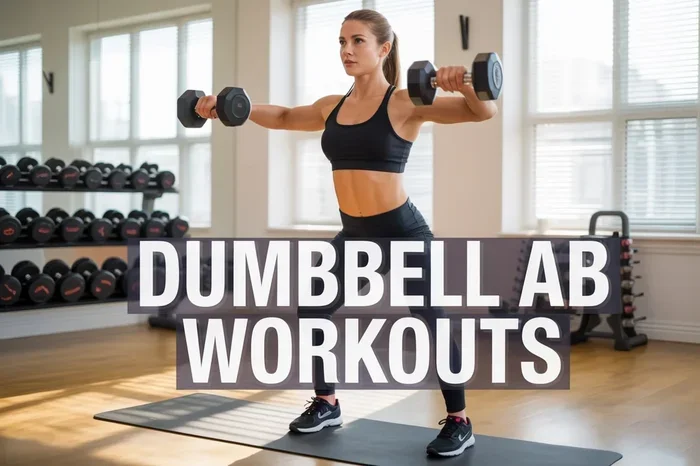
Discover how to work out your abs with dumbbells using simple, effective exercises you can do at home. This guide covers the best dumbbell ab exercises, proper form, common mistakes, and beginner-friendly routines. You will learn how to build a stronger core, burn belly fat, and get visible results with just a pair of dumbbells.
Want a stronger core without spending hours on crunches? Working out your abs with dumbbells is one of the smartest ways to build real muscle and definition. Dumbbells add resistance to classic ab movements, which forces your core to engage more deeply. The result? Better stability, a tighter midsection, and exercises that actually challenge you as you get stronger.
Many people think you need fancy machines or a gym membership to train your abs properly. That is not true at all. A simple pair of dumbbells and a small space are all you need. Whether you are a complete beginner or someone looking to switch up your routine, this guide covers everything you need to know about dumbbell ab exercises. Let us get into it.
Key Takeaways
- Dumbbells add resistance to ab exercises: This makes your core work harder and builds muscle faster than bodyweight alone.
- You do not need a gym: Most dumbbell ab exercises can be done at home with minimal space and equipment.
- Form matters more than weight: Using the right technique prevents injury and targets your abs more effectively.
- Consistency beats intensity: Training your abs 3 to 4 times per week with good form delivers better results than overdoing it.
- Combine exercises for full core coverage: Mix movements that target upper abs, lower abs, and obliques for balanced development.
- Pair ab work with fat loss: Doing cardio and eating well helps reveal your abs faster alongside your dumbbell routine.
📑 Table of Contents
Why Dumbbells Are Great for Ab Workouts
Your core does more than just look good. It stabilizes your spine, supports your posture, and helps you move better in everyday life. Adding dumbbells to your ab routine takes your training to the next level. Here is why this works so well.
Added Resistance Builds More Muscle
Bodyweight ab exercises are great for beginners. But at some point, your muscles adapt and the exercises become easier. Dumbbells add external resistance, which forces your abs to work harder. This extra challenge leads to more muscle growth and better definition over time.
Think about it this way. A regular crunch targets your abs, but holding a dumbbell across your chest makes every rep count more. Your muscles have to push against the extra weight. That is how you build real strength and size in your core.
You Can Target Every Part of Your Core
Your core is not just one muscle. It includes your upper abs, lower abs, obliques, and deep stabilizing muscles. Dumbbell exercises let you hit all of these areas with different movement patterns. Rotational moves target your obliques. Weighted crunches focus on your upper abs. And certain standing movements engage your lower abs and hip flexors.
Dumbbells Make Exercises More Functional
One of the best things about using dumbbells for your abs is that the movements translate to real life. Carrying, twisting, and pressing with weight while engaging your core mimics how your body actually moves during sports, lifting, and daily activities. This is called functional training, and it makes you stronger in everything you do.
The Best Dumbbell Exercises for Abs
Now let us look at the specific exercises that deliver results. Each movement targets a different area of your core. Try mixing them into a routine for a full ab workout with dumbbells.
1. Dumbbell Crunch
Lie on your back with your knees bent. Hold a dumbbell against your chest with both hands. Lift your shoulders off the floor by contracting your abs. Lower slowly back down. This is a classic weighted crunch that hits your upper abs hard.
Tip: Do not pull on your neck. Let your abs do all the work. Start with a lighter weight and increase as you get stronger.
2. Dumbbell Side Bend
Stand tall with a dumbbell in one hand. Let it hang at your side. Slowly bend to the side, lowering the dumbbell toward your knee. Return to the starting position. This exercise targets your obliques and helps create a tapered waistline.
Do both sides equally. If you feel a stretch on one side, check your form. You want controlled movement, not a fast swing.
3. Dumbbell Russian Twist
Sit on the floor with your knees bent and feet slightly lifted. Hold a dumbbell with both hands. Twist your torso to the right, then to the left. Each twist counts as one rep. This rotation exercise fires up your obliques and deep core muscles.
Tip: Keep your back straight throughout the movement. The twist should come from your torso, not your arms.
4. Weighted Leg Raises
Lie on your back and hold a dumbbell between your feet. Keep your legs straight and lift them up toward the ceiling. Lower them slowly without touching the floor. This lower ab exercise is tough but incredibly effective.
If this is too hard at first, bend your knees slightly. As you build strength, straighten your legs and increase the weight gradually.
5. Dumbbell Plank Row
Get into a plank position with each hand on a dumbbell. Keep your body straight and core tight. Lift one dumbbell off the ground and pull it toward your hip. Lower it and repeat on the other side. This dumbbell plank row works your abs, back, and shoulders at the same time.
Tip: Try not to let your hips rotate. Keep everything stable. This is a full-body move that demands serious core control.
6. Standing Dumbbell Wood Chop
Stand with your feet shoulder-width apart. Hold a dumbbell with both hands above one shoulder. Swing it diagonally across your body and down toward the opposite knee. This dynamic movement works your entire core and improves rotational power.
Tip: Use a moderate weight. The goal is control and smooth motion, not speed. Feel your obliques working with every rep.
How to Build a Dumbbell Ab Routine
Having great exercises is only half the battle. You also need a plan. A well-structured dumbbell abs routine ensures you train your core evenly and consistently.
Beginner Routine (3 Days Per Week)
If you are just starting out, keep it simple. Here is a routine you can follow:
- Dumbbell Crunch — 3 sets of 12 reps
- Dumbbell Side Bend — 3 sets of 10 reps per side
- Dumbbell Russian Twist — 3 sets of 12 reps total
- Weighted Leg Raises — 3 sets of 8 reps
Rest for 60 seconds between sets. Focus on feeling your abs contract with every rep. This routine is perfect for building a foundation and learning proper form.
Intermediate Routine (4 Days Per Week)
Once the beginner routine feels easy, you can level up:
- Dumbbell Plank Row — 3 sets of 10 reps per arm
- Standing Dumbbell Wood Chop — 3 sets of 12 reps per side
- Dumbbell Crunch — 3 sets of 15 reps
- Dumbbell Russian Twist — 3 sets of 15 reps
- Weighted Leg Raises — 3 sets of 12 reps
Rest 45 seconds between sets. This routine adds more volume and challenges your core from multiple angles.
How to Progress Over Time
The key to getting stronger is progressive overload. This means gradually making your exercises harder. You can do this by:
- Increasing the weight of your dumbbells
- Adding more reps each week
- Adding more sets to your routine
- Slowing down the tempo of each rep
- Reducing rest time between sets
You do not need to change everything at once. Pick one or two of these methods and apply them every few weeks. This steady progression keeps your muscles challenged and growing.
Common Mistakes to Avoid
Even the best exercises can fail if you make mistakes. Here are the most common errors people make when training their abs with dumbbells.
Using Too Much Weight Too Soon
This is the number one mistake. Heavy dumbbells feel impressive, but they often lead to bad form. When your form breaks down, your hips and back take over the work. Your abs stop doing the job they are supposed to do. Start with a weight you can control and increase gradually.
Rushing Through Reps
Speed does not equal results when it comes to ab work. Fast, jerky movements use momentum instead of muscle. Slow down and focus on the squeeze at the top of each rep. A controlled 2-second lift and 2-second lower works far better than rushing through 20 sloppy reps.
Neglecting Your Lower Abs
Many people focus only on upper ab exercises like crunches. But your lower abs are just as important for a balanced core and flat stomach. Exercises like leg raises and reverse crunches target this often-neglected area. Make sure your routine includes movements for the entire core.
Skipping Warm-Ups
Your abs are muscles too, and they need to be prepared for work. A quick warm-up with some light stretching or a few bodyweight crunches gets blood flowing to the area. This reduces the risk of strain and helps you perform better during your weighted ab exercises.
How to Get the Most Out of Your Ab Workouts
Training your abs with dumbbells is only one piece of the puzzle. To see real results, you need to think about the bigger picture.
Pair Your Routine with Fat Loss
Strong abs are built in the gym, but visible abs are revealed through diet and overall body fat reduction. If you want to see your abs, focus on eating a balanced diet with a slight calorie deficit. Cardio and dumbbell workouts together help burn fat and reveal the muscle underneath. Adding exercises like how to get rid of belly fat with dumbbells can complement your ab routine and accelerate results.
Train Your Whole Body
Your abs work as part of a larger system. They support every movement you make. Building muscle at home with only dumbbells ensures you develop your entire body, which in turn makes your core stronger and more defined. Do not isolate your abs completely. Compound movements like rows, presses, and squats all engage your core and boost your ab training.
Rest and Recovery Matter
Your muscles grow when you rest, not when you work them. Give your abs at least one full day of recovery between sessions. Sleep well and eat enough protein to support muscle repair. Overtraining your core can lead to fatigue and even injury, so listen to your body and take rest days seriously.
Expert Tips for Faster Results
Here are some insider tips from fitness professionals that can help you get the most from your dumbbell ab training:
- Breathe properly: Exhale as you contract your abs and inhale as you return to the starting position. Proper breathing increases core engagement significantly.
- Mind-muscle connection: Before each set, take a moment to mentally focus on your abs. Think about the muscle contracting. This simple trick improves activation.
- Use a mat: A workout mat protects your back and makes floor exercises more comfortable. This lets you focus on form instead of discomfort.
- Track your progress: Keep a log of your weights, reps, and sets. Seeing improvement on paper keeps you motivated and helps you plan your next steps.
- Stay consistent: Results do not happen overnight. Stick with your routine for at least 4 to 6 weeks before judging your progress.
Final Thoughts
Working out your abs with dumbbells is one of the most efficient ways to build a strong, defined core at home. You do not need expensive equipment or a gym membership. A pair of dumbbells, a small space, and a consistent plan are all it takes. The exercises in this guide target every part of your core, from upper abs to obliques to lower abs.
Focus on proper form, start with manageable weights, and progress gradually. Combine your dumbbell ab routine with good nutrition and overall fitness, and you will see real changes. The most important step is the one you take today. Grab your dumbbells, pick a few exercises from this guide, and get started. Your stronger core is waiting.
Frequently Asked Questions
Can I build visible abs with dumbbells alone?
Yes, dumbbells are excellent for building ab muscle. However, visible abs also require a low body fat percentage. Combine your dumbbell ab exercises with a healthy diet and some cardio for the best results. Consistency is the key factor that determines whether your abs become visible.
How often should I train my abs with dumbbells?
Training your abs 3 to 4 times per week is ideal for most people. Your core muscles recover faster than larger muscle groups, so you can train them more frequently. Just make sure you are not overtraining. Listen to your body and take rest days when needed.
What weight dumbbell should I use for ab exercises?
Start with a lighter weight that allows you to complete all reps with proper form. For most beginners, 5 to 10 pounds works well. As you get stronger, gradually increase the weight. The goal is to feel challenged by the last few reps of each set without sacrificing your form.
Are dumbbell ab exercises better than bodyweight exercises?
Dumbbell exercises add resistance, which can accelerate muscle growth and strength gains. However, bodyweight exercises are still valuable, especially for beginners. The best approach is to use both. Start with bodyweight movements and add dumbbells as you progress.
How long does it take to see results from dumbbell ab workouts?
Most people notice improved core strength within 2 to 3 weeks. Visible changes in ab definition typically take 4 to 8 weeks of consistent training combined with proper nutrition. Individual results vary based on your diet, body fat percentage, and how consistently you train.
Can beginners do dumbbell ab exercises safely?
Absolutely. Beginners should start with light weights and focus on learning proper form. Many dumbbell ab exercises are very beginner-friendly. If you are new to working out, consider starting with a basic routine and gradually increasing the intensity over several weeks.