How to Use the Rowing Machine in Gym
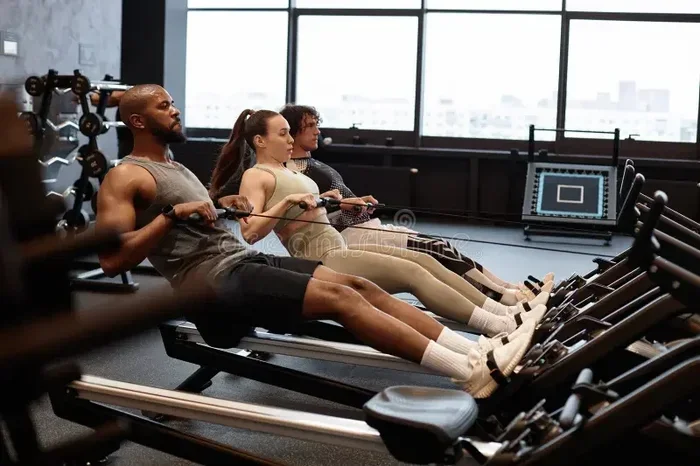
Using the rowing machine in gym is one of the best ways to build full-body strength and burn serious calories. This guide covers proper setup, technique, common mistakes, and workout plans so you can row with confidence from your very first session. Whether you are a beginner or returning to the machine, you will find actionable tips to improve your form and results.
The rowing machine in gym settings has become one of the most popular pieces of cardio equipment. It offers a full-body workout that builds muscle and burns fat at the same time. Unlike treadmills or bikes, the rowing machine engages about 86 percent of your muscles in every stroke. That makes it incredibly efficient for people who want maximum results in minimum time.
Many people walk up to a rowing machine at the gym, hop on, and start pulling without a clue about proper form. This leads to poor results and sometimes even injury. The good news is that learning to use the rowing machine correctly is not complicated. With a few simple adjustments and a basic understanding of the rowing stroke, you can transform your gym sessions. This guide walks you through everything you need to know to use a rowing machine at the gym with confidence and skill.
Whether you are brand new to indoor rowing or you have been using the machine for a while but want to refine your technique, this article has you covered. We will break down setup, form, common mistakes, and workout plans step by step. By the end, you will know exactly how to make every stroke count toward your fitness goals.
Key Takeaways
- Proper setup matters: Adjusting foot straps, damper settings, and seat position prevents injury and boosts performance.
- Master the rowing stroke: The drive and recovery phases are the foundation of efficient gym rowing technique.
- Avoid common mistakes: Shallow strokes, overgripping the handle, and rounding your back reduce results and increase injury risk.
- Follow structured workout plans: Interval training, steady-state rows, and endurance sets keep your gym sessions effective and fun.
- The rowing machine works your entire body: Legs, back, arms, and core all engage during a proper stroke.
- Track your progress: Monitoring split time, stroke rate, and calories helps you stay motivated and measure improvement.
📑 Table of Contents
What Is a Rowing Machine and Why Use It at the Gym?
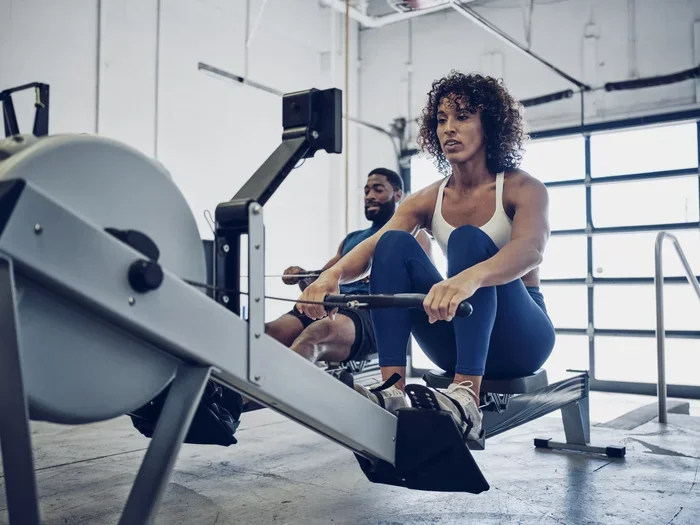
A rowing machine simulates the motion of rowing a boat. It provides a low-impact, high-intensity cardio rowing workout that is gentle on your joints. At the gym, rowing machines sit alongside treadmills, ellipticals, and bikes. But the rower stands out because it delivers both cardiovascular and strength training benefits in one movement.
When you row, you push with your legs, pull with your arms and back, and engage your core throughout the entire motion. This makes the rowing machine a full-body workout tool. Most gym goers choose the rower because it burns a high number of calories in a short amount of time. A 30-minute session can burn between 250 and 400 calories depending on your intensity and body weight.
Another big reason people love the rowing machine at the gym is its versatility. You can use it for warm-ups, steady-state cardio, high-intensity interval training, or endurance building. It fits into almost any workout routine. Plus, many gyms now offer indoor rowing classes, which adds a social and motivating element to your training.
Who Should Use the Rowing Machine?
Almost anyone can benefit from using the rowing machine in gym settings. Beginners looking for a simple way to start exercising will find it approachable. Experienced athletes use it for cross-training and conditioning. People recovering from joint injuries appreciate the low-impact nature of rowing. And anyone focused on weight loss or muscle building can use the rower to complement their routine. If you want to properly use a rowing machine for beginners, the beauty is that the learning curve is gentle. You can start slow and build up intensity over time.
How to Set Up the Rowing Machine Correctly
Before you start rowing, taking a minute to set up the machine properly makes a huge difference. A correct setup protects your body and helps you generate more power with each stroke. Here is exactly what to check before you begin.
Adjust the Foot Straps and Foot Placement
Start by sitting on the seat and placing your feet in the foot plates. The straps should go across the widest part of your feet. When you grab the handle and lean forward slightly, your shins should be vertical or just slightly past vertical. If your feet feel loose, tighten the straps so your feet stay secure during the drive phase.
Set the Damper Correctly
The damper controls how much air flows into the flywheel. Many people think a higher damper setting means a harder workout. That is not quite right. The damper is more like a gear shift than a resistance dial. A setting of 3 to 5 works well for most people. Setting it too high makes the stroke feel heavy and tiring too quickly. Setting it too low makes it feel easy and unproductive. Find a setting where the flywheel spins smoothly and you can maintain a steady rhythm.
Check the Seat and Handle Position
The seat should glide freely along the rail without sticking. Grab the handle and make sure it moves smoothly through your hands. The handle grip should be relaxed, not white-knuckled. Wrap your thumbs around the handle and keep your wrists flat. A relaxed grip reduces tension in your forearms and lets your bigger muscle groups do the work.
Once your setup is complete, you are ready to learn the actual rowing technique. If you want a more detailed walkthrough of the basics, check out this guide on how to use a rowing machine at the gym for additional tips on getting started.
Proper Rowing Machine Technique and Form
The rowing stroke has two main phases: the drive and the recovery. Understanding and practicing both of these will dramatically improve your efficiency on the machine. Think of it like pedaling a bicycle but with your whole body.
The Drive Phase
The drive is the power part of the stroke where you move backward. It happens in three steps that many coaches call the “legs, back, arms” sequence:
- Legs push first: Press through your heels and extend your legs while your arms stay relaxed and extended forward.
- Back swings open: Once your legs are nearly straight, lean your torso back slightly from the hips. Keep your core tight.
- Arms pull last: Pull the handle toward your lower chest. Keep your elbows close to your body and squeeze your shoulder blades together.
The Recovery Phase
The recovery is the return part of the stroke where you move forward. It reverses the drive sequence in the opposite order:
- Arms extend first: Push the handle away from your body while your legs stay bent.
- Back leans forward: Hinge at the hips and lean your torso forward over your shins.
- Knees bend: Slide the seat forward toward the foot plates as your knees bend. Keep the movement smooth and controlled.
The key to efficient rowing is making the recovery slower than the drive. A good rhythm is a quick drive and a slow, controlled recovery. This pattern keeps your heart rate up and your muscles working effectively. For more in-depth guidance on mastering the stroke, you can also explore how to properly use a rowing machine for beginners to build a strong foundation from day one.
Common Rowing Form Cues to Remember
- Reach forward with your arms first.
- Keep your back straight and core engaged.
- Drive with your legs before pulling with your arms.
- Keep your wrists flat and relaxed.
- Breathe naturally, exhaling during the drive.
Common Mistakes to Avoid on the Rowing Machine
Even experienced gym goers make mistakes on the rowing machine. Knowing what to avoid saves you from injury and helps you get better results faster.
Rushing the Recovery
The most common error is moving too fast during the recovery phase. When you rush forward, you lose control and your form breaks down. The recovery should feel relaxed and deliberate. Slow it down and you will notice a big difference in your endurance and power output.
Overgripping the Handle
Death-gripping the handle creates unnecessary tension in your hands, forearms, and shoulders. This wastes energy and can lead to hand blisters and wrist pain. Hold the handle firmly but lightly. Think of it as holding a small bird, not crushing it.
Rounding Your Back
Rounding your upper back during the drive puts stress on your spine and reduces the power of your stroke. Keep your chest lifted and your shoulders pulled back slightly throughout the movement. A neutral spine is your best friend on the rower.
Using Only Your Arms
Some people treat the rowing machine like an arm puller. But the legs generate about 60 percent of the power. If you only pull with your arms, you will fatigue quickly and miss out on the incredible full-body workout the rower provides. Remember the sequence: legs, back, arms.
Avoiding these mistakes will help you get the most out of your rowing machine during every gym session. For additional strategies to maximize your results, this article on how to get the most out of your rowing machine offers valuable insights.
Rowing Machine Workout Plans for Gym Goers
Now that you know how to set up and row with proper form, it is time to put it all together with structured workouts. Different goals call for different approaches. Here are three effective rowing machine workout plans you can try at the gym.
Beginner Steady-State Row
This workout builds your base endurance and helps you get comfortable on the machine:
- Warm-up: 5 minutes at a light pace (stroke rate of 18-22).
- Main set: 15-20 minutes at a moderate, steady pace (stroke rate of 24-26).
- Cool-down: 5 minutes at a slow pace, gradually reducing intensity.
Focus on maintaining smooth, consistent strokes throughout. This workout is perfect for building confidence and aerobic fitness.
Interval Training for Fat Loss
Interval training on the rower burns a high number of calories and boosts your metabolism long after your workout ends:
- Warm-up: 5 minutes easy rowing.
- Work intervals: 1 minute of hard rowing (stroke rate of 28-32), followed by 1 minute of easy recovery rowing.
- Repeat: 8-10 rounds.
- Cool-down: 5 minutes easy rowing.
This type of workout is excellent for people looking to use the rowing machine to lose weight. The high-intensity bursts push your body to burn more fuel and build cardiovascular endurance.
Endurance Challenge
For those who want to test their stamina, try this longer session:
- Warm-up: 5 minutes easy rowing.
- Main set: 30-40 minutes at a consistent, moderate pace (stroke rate of 22-26).
- Cool-down: 5 minutes easy rowing.
During this workout, focus on keeping your form solid even when you start to fatigue. Good form at the end of a long session is what separates good rowers from great ones.
Quick Tips for Gym Rowing Sessions
- Always warm up for at least 5 minutes before starting intense work.
- Use the machine’s display to track your split time and stroke rate.
- Stay hydrated, especially during longer sessions.
- Cool down and stretch your legs, back, and shoulders after rowing.
- Do not hold your breath during the drive phase, breathe naturally.
If you are interested in adding the rowing machine to a weight loss routine specifically, you can find detailed guidance on how to use the rowing machine to lose weight for more tailored advice.
Benefits of Using the Rowing Machine at the Gym
The rowing machine offers a wide range of benefits that make it a must-have in any gym routine. Here is why you should consider making it a regular part of your training.
Full-Body Muscle Engagement
Rowing works your quads, hamstrings, glutes, core, back, shoulders, and arms all at once. No other cardio machine recruits as many muscle groups simultaneously. This makes every minute on the rower incredibly efficient.
Low Impact on Joints
Unlike running on a treadmill, rowing is a seated, low-impact exercise. Your feet stay in contact with the foot plates, and there is no jarring impact on your knees or ankles. This makes the rower an excellent choice for people with joint sensitivities or those recovering from injuries.
Improved Cardiovascular Health
Regular rowing strengthens your heart and lungs. Over time, you will notice improved endurance, lower resting heart rate, and better overall cardiovascular fitness. These benefits carry over into every other area of your fitness and daily life.
Calorie Burning Power
Because the rowing machine engages your entire body, it burns more calories per minute than many other cardio machines. Combined with a healthy diet, regular rowing sessions can support significant weight loss and body composition improvements.
Mental Health and Stress Relief
Rhythmic, repetitive motion like rowing has a calming effect on the mind. Many people find that a rowing session helps clear their head, reduce stress, and improve their mood. It is a moving meditation that benefits both body and brain.
The benefits of the rowing machine are clear and compelling. Whether your goal is to build fitness, lose weight, or simply add variety to your gym routine, the rower delivers. To wrap up, let me reinforce the most important points you should remember as you head to the gym next time.
Final Thoughts
Learning how to use the rowing machine in gym is a skill that pays off for the rest of your fitness journey. From proper setup to mastering the rowing stroke, every detail matters. Focus on form first, then build intensity gradually. Avoid the common mistakes we covered, and follow structured workout plans to keep your sessions productive and enjoyable.
The rowing machine is one of the most underrated pieces of equipment in any gym. Once you learn to use it correctly, you will wonder how you ever worked out without it. Start with the basics, stay consistent, and watch your strength, endurance, and results grow over time. Your body will thank you for every stroke.
Frequently Asked Questions
Is the rowing machine good for beginners?
Yes, the rowing machine is excellent for beginners. It is low-impact, easy to learn, and works your entire body. Start with light sessions and focus on proper form before increasing intensity. Most people feel comfortable on the rower after just a few sessions.
How long should I use the rowing machine for in a gym session?
For beginners, 15 to 20 minutes is a great starting point. As you build endurance, you can extend sessions to 30-45 minutes. The key is consistency and maintaining good form throughout. Quality of each stroke matters more than total time on the machine.
Does the rowing machine help you lose weight?
Yes, rowing burns a significant number of calories and engages multiple muscle groups at once. This makes it a powerful tool for weight loss when combined with a balanced diet. A 30-minute moderate rowing session can burn 250 to 400 calories depending on your body weight and intensity level.
What muscles does the rowing machine work?
The rowing machine works your legs, glutes, core, back, shoulders, and arms. It is one of the few exercises that engages both the upper and lower body simultaneously. The legs generate the most power, while the back and arms complete the stroke.
How often should I use the rowing machine at the gym?
Using the rowing machine 3 to 5 times per week is a solid routine for most people. You can alternate between steady-state rows and interval training for variety. Listen to your body and allow rest days for recovery, especially when starting out.
Should I use a high or low damper setting on the rowing machine?
A damper setting between 3 and 5 is ideal for most gym users. Higher settings make the flywheel feel heavier, but they do not necessarily make your workout harder. A moderate setting allows you to maintain a smooth, sustainable rhythm without tiring out too quickly.