How Much Time on Rowing Machine to Lose Weight

Want to melt fat on a rowing machine? Find out the optimal minutes per session, intensity tricks, and weekly schedules that guarantee results. Follow this friendly guide and start shedding pounds today.
Key Takeaways
- Understanding How Much Time On Rowing Machine To Lose Weight: Provides essential knowledge
📑 Table of Contents
- Introduction: Rowing Your Way to a Leaner Body
- 1. The Science Behind Rowing and Calorie Burn
- 2. Determining Your Ideal Rowing Duration
- 3. Weekly Rowing Plans for Different Goals
- 4. Maximizing Fat Loss: Intensity, Technique, and Recovery
- 5. Nutrition: The Other Half of the Equation
- 6. Tracking Progress and Staying Motivated
- Conclusion: Your Personalized Rowing Blueprint
Introduction: Rowing Your Way to a Leaner Body
Imagine a workout that hits your legs, core, back, and arms—all at once—while you sit comfortably on a sliding seat. That’s the magic of a rowing machine. It’s low‑impact, easy on the joints, and can torch calories faster than many cardio options. If you’ve ever wondered, “How much time on a rowing machine to lose weight?” you’re not alone. The answer isn’t a one‑size‑fits‑all number; it blends minutes, intensity, frequency, and diet.
In this guide we’ll break down the science, share practical weekly plans, and give you tips to keep the sweat flowing without burning out. By the end, you’ll know exactly how many minutes to row each day, how to structure your workouts, and what nutrition tweaks will supercharge your results.
1. The Science Behind Rowing and Calorie Burn
How rowing burns calories
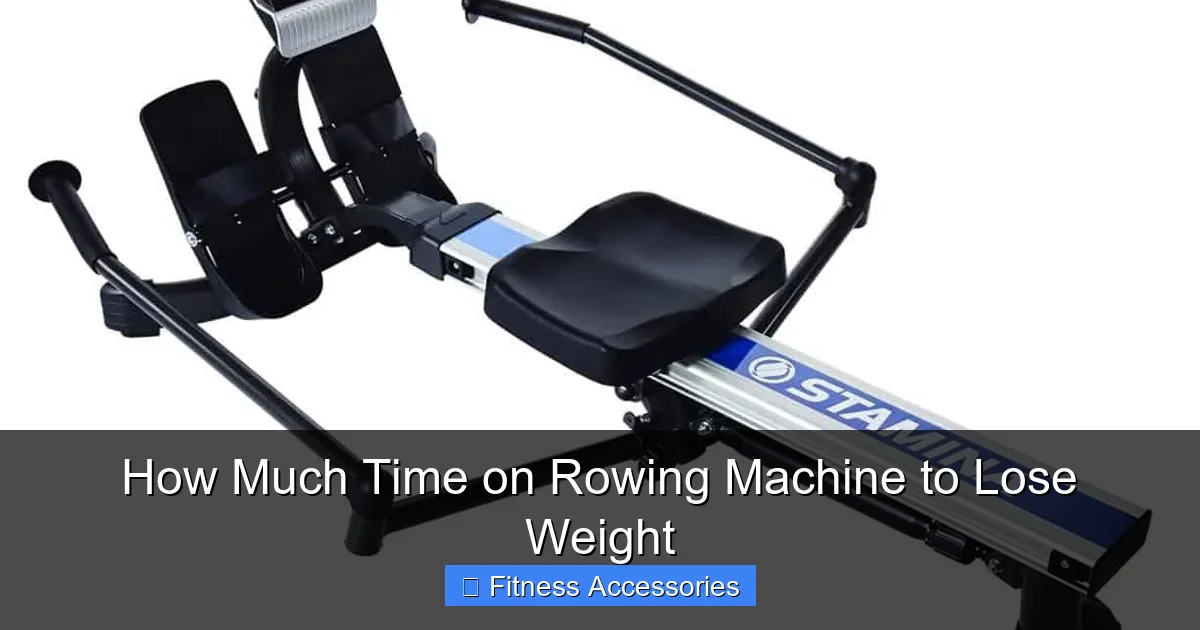
Rowing is a full‑body, aerobic exercise that also builds strength. When you pull the handle, you engage the quadriceps, glutes, hamstrings, core, lats, and biceps. This muscle recruitment increases your metabolic rate during and after the workout—known as the afterburn effect or excess post‑exercise oxygen consumption (EPOC).
Visual guide about How Much Time on Rowing Machine to Lose Weight
Image source: rowingmachineking.com
Calorie estimates by intensity
- Light rowing (50‑60% of max HR): ~200‑300 kcal per 30 min for a 155‑lb person.
- Moderate rowing (60‑75% HR): ~300‑450 kcal per 30 min.
- High‑intensity rowing (75‑90% HR or HIIT): 450‑650 kcal per 30 min.
These numbers vary with weight, age, and fitness level, but they give a solid baseline. The key takeaway: the harder you push (within safe limits), the more calories you burn in less time.
2. Determining Your Ideal Rowing Duration
Baseline recommendation: 30‑45 minutes
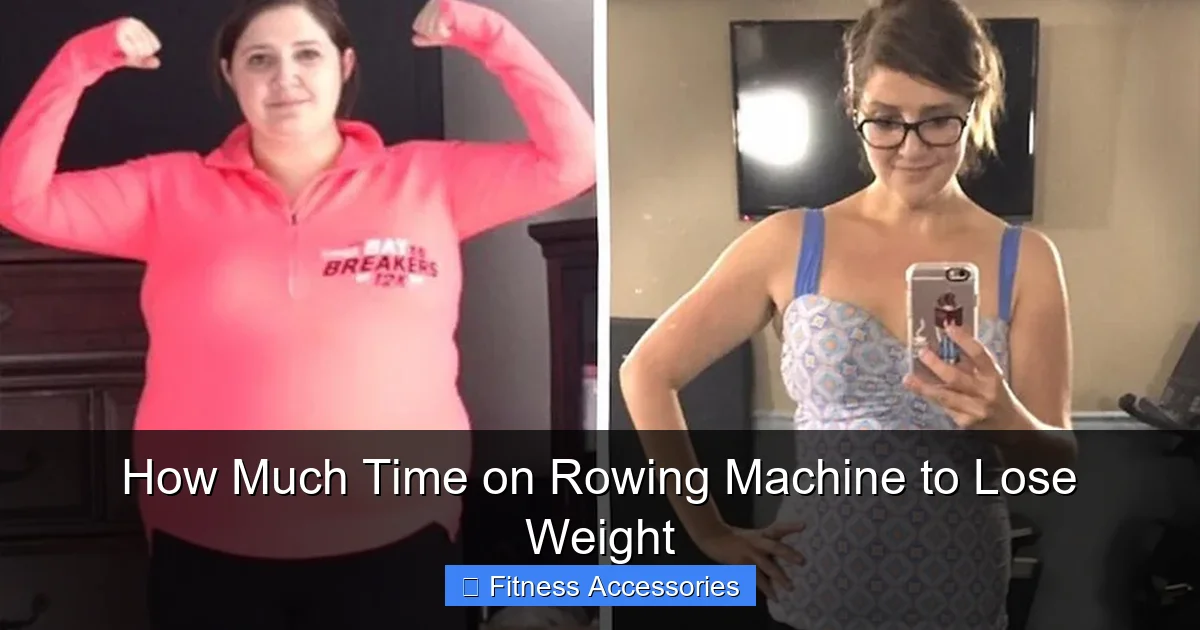
For most beginners aiming to lose weight, a **30‑minute** steady‑state session 5‑6 days a week creates a calorie deficit of roughly 1,500‑2,200 kcal per week—enough to drop about 0.5 lb of fat.
Visual guide about How Much Time on Rowing Machine to Lose Weight
Image source: trimmedandtoned.com
When to extend to 45‑60 minutes
If you’re already comfortable rowing for 30 minutes and want to accelerate loss, add 10‑15 minutes at a moderate pace. This pushes your weekly burn past 2,500 kcal, translating to 0.75 lb of fat loss per week.
HIIT shortcuts: 15‑20 minutes
High‑intensity interval training (HIIT) on a rower can produce similar or greater calorie burn in half the time. A typical 20‑minute HIIT session (e.g., 40 sec sprint, 20 sec rest, repeat) can burn 300‑400 kcal, plus a strong afterburn that lasts up to 24 hours.
Personal factors to consider
- Current fitness level: Start with 15‑20 minutes if you’re new, then build.
- Injury history: Keep sessions shorter and focus on technique.
- Time availability: Fit in a 20‑minute HIIT if you’re busy.
- Weight‑loss goal speed: Faster loss = longer or more intense sessions.
3. Weekly Rowing Plans for Different Goals
Plan A – Beginner Fat‑Loss (3 weeks)
- Monday: 20 min steady‑state (55% HR max)
- Tuesday: Rest or light walk
- Wednesday: 20 min steady‑state
- Thursday: 15 min HIIT (30 s sprint/30 s easy)
- Friday: 20 min steady‑state
- Saturday: 30‑min moderate row (65% HR max)
- Sunday: Rest
Result: ~1,200‑1,500 kcal weekly deficit + diet = ~0.3‑0.5 lb loss.
Plan B – Intermediate (4 weeks)
- Mon‑Fri: 30 min moderate row (65‑70% HR max)
- Sat: 20 min HIIT (45 s sprint/15 s rest)
- Sun: Active recovery (light yoga or walk)
Result: ~2,200‑2,800 kcal deficit → ~0.6‑0.8 lb loss per week.
Plan C – Advanced / Fast Track (6 weeks)
- Mon‑Wed‑Fri: 45 min high‑intensity row (70‑80% HR max)
- Tue‑Thu: 20 min HIIT (30 s sprint/30 s rest)
- Sat: 60 min steady‑state (steady 65% HR max)
- Sun: Full rest
Result: 3,200‑3,800 kcal weekly deficit → 1‑1.2 lb loss per week (still healthy if paired with balanced nutrition).
4. Maximizing Fat Loss: Intensity, Technique, and Recovery
Master the rowing stroke
Good form prevents injury and ensures you engage the right muscles. The stroke has four phases: catch, drive, finish, and recovery. Keep your back straight, push with the legs first, then lean back slightly, and finally pull the handle to your chest.
Use heart‑rate zones
Invest in a simple chest strap or wrist monitor. Aim for 70‑85% of your max heart rate during moderate sessions and 85‑95% during HIIT bursts. This keeps you in the “fat‑burn” and “cardio” zones where calorie burn peaks.
Incorporate interval variations
- Pyramid intervals: 1‑min sprint, 1‑min rest, 2‑min sprint, 2‑min rest, etc.
- Tabata style: 20 s all‑out, 10 s rest, repeat 8 times.
- Power strokes: Every 5 minutes, add a 30‑second burst at 90% effort.
Recovery is non‑negotiable
Muscles need time to rebuild. Schedule at least one full rest day per week and consider active recovery (light cycling, walking, or stretching) on other low‑intensity days.
5. Nutrition: The Other Half of the Equation
Calorie deficit basics
Weight loss occurs when you consume fewer calories than you burn. A safe deficit is 500‑750 kcal per day, leading to 1‑1.5 lb loss per week. Use a tracking app to log meals and ensure you’re not overeating “healthy” foods.
Macronutrient balance for rowers
- Protein: 0.8‑1 g per lb body weight to preserve muscle.
- Carbs: 2‑3 g per lb for energy, especially on high‑intensity days.
- Fats: 0.3‑0.4 g per lb, focusing on omega‑3s for joint health.
Pre‑ and post‑workout fueling
Eat a small carb‑protein snack (e.g., banana + nut butter) 30‑60 min before rowing. After the session, replenish with a protein shake or Greek yogurt + berries within 45 min to aid recovery.
6. Tracking Progress and Staying Motivated
Metrics that matter
- Weight: Weekly weigh‑ins, same time of day.
- Body measurements: Waist, hips, thighs every two weeks.
- Rowing data: Distance, split time, and calories per session.
- Heart‑rate trends: Lower resting HR over weeks signals improved fitness.
Tools and apps
Most rowing machines come with Bluetooth connectivity. Pair them with apps like Kinomap, ErgData, or MyFitnessPal to log sessions automatically.
Motivation hacks
- Set micro‑goals (e.g., “Row 5 km this week”).
- Reward yourself with non‑food treats (new workout gear, massage).
- Join an online rowing community for challenges.
Conclusion: Your Personalized Rowing Blueprint
There’s no magic number that works for everyone, but the research is clear: 30‑45 minutes of moderate rowing or 15‑20 minutes of high‑intensity intervals, performed 5‑6 days a week, creates a sustainable calorie deficit for weight loss. Pair this routine with a modest nutrition plan, track your progress, and adjust intensity every few weeks. Stick to the schedule, respect recovery, and you’ll see the scale move while gaining strength, endurance, and confidence.
So, grab that rowing machine, set your timer, and start rowing toward a healthier you. Remember, consistency beats perfection—row a little every day, and the results will follow.
Frequently Asked Questions
How many minutes should a beginner row to start losing weight?
Start with 15‑20 minutes of steady‑state rowing 3‑4 times a week. Focus on proper form, then gradually increase to 30 minutes as fitness improves.
Is HIIT better than steady‑state rowing for weight loss?
HIIT burns more calories in less time and boosts afterburn, but steady‑state is easier to maintain for beginners. A mix of both yields the best results.
Can I row every day and still lose weight?
Yes, if you keep intensity moderate and listen to your body. Include at least one light or active‑recovery day to prevent overtraining.
Do I need to count calories if I’m rowing regularly?
Counting helps ensure you stay in a calorie deficit. Even a rough estimate of daily intake plus rowing calories can keep you on track.
What heart‑rate zone should I aim for during rowing?
Target 70‑85% of max heart rate for moderate sessions and 85‑95% for HIIT bursts. This maximizes fat burning while staying safe.
How soon will I see results on the scale?
Most people notice a 0.5‑1 lb loss per week if they maintain a 500‑750 kcal daily deficit and row consistently.