How to Pick the Right Size Jump Rope
Choosing the correct jump rope size is the key to a smooth, efficient workout. This guide walks you through simple measurement methods, rope types, and sizing charts so you can pick the right size jump rope without guesswork. Whether you are a beginner or a seasoned athlete, finding the perfect fit will improve your rhythm, reduce tripping, and make every session more productive.
Jumping rope is one of the simplest and most effective workouts you can do. But here is the thing most people overlook — how to pick the right size jump rope makes a huge difference in your results. A rope that does not fit your body will cause tripping, wasted energy, and frustration. On the other hand, a properly sized rope feels like an extension of your arms. It spins smoothly, keeps perfect rhythm, and lets you focus on the workout itself.
Whether you are just starting out or you have been jumping rope for years, getting the size right is step one. In this guide, we will walk you through every method, tip, and trick you need to find your perfect fit. No guesswork. No complicated tools. Just simple, actionable steps you can follow right now.
Key Takeaways
- Proper sizing prevents tripping: A rope that is too long or too short will slow you down and cause frustration during your workout.
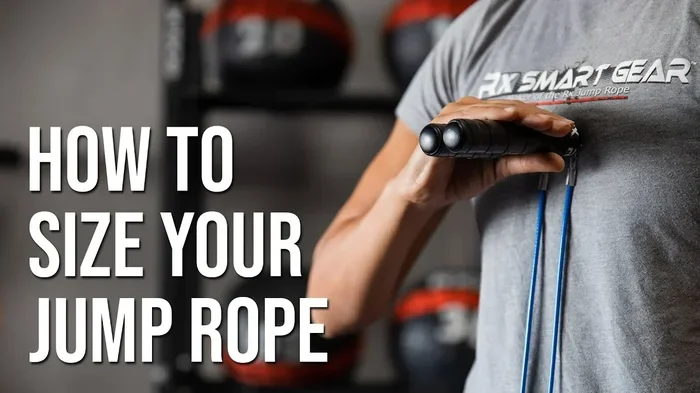
- Measure using the chest method: Stand on the center of the rope and pull the handles up — the tops should reach your armpits or chest for the best fit.
- Different rope types need different lengths: Speed ropes, weighted ropes, and basic ropes all have slightly different ideal sizing guidelines.
- Your skill level matters: Beginners should go slightly longer for easier control, while advanced users prefer a shorter rope for faster rotations.
- Adjustability is your friend: Many modern ropes allow you to cut and adjust the length, giving you room to fine-tune your fit.
- Wrong size leads to common mistakes: Using an improperly sized rope can cause wrist strain, poor cardio performance, and frequent interruptions.
📑 Table of Contents
Why Rope Size Matters So Much
The size of your jump rope directly affects your workout quality. When the rope is the correct length, it clears the ground with ease. Your wrists stay relaxed. Your jumps stay consistent. But when the rope is too long or too short, everything falls apart.
A rope that is too long drags on the ground. You have to jump higher just to get it past your feet. This wastes energy and throws off your timing. A rope that is too short catches the floor too early. You will trip constantly and develop bad habits to compensate.
Correct jump rope length also protects your joints. A properly sized rope means less strain on your wrists, shoulders, and knees. You can jump longer without fatigue. Your cardio sessions become more effective. Over time, this adds up to better fitness gains and fewer injuries.
The Science Behind Rope Length
Your rope length should match your body proportions. Taller people need longer ropes. Shorter people need shorter ones. This is not just about comfort — it is about physics. The rope needs to clear the ground by a small margin while rotating at a speed that matches your cadence.
When you size a jump rope correctly, the cable creates a perfect arc. The handles stay at your sides. The rope sweeps the floor in a smooth, controlled circle. This is what separates a frustrating workout from a flowing, enjoyable one.
How to Measure for Your Jump Rope
Measuring for the right rope is easier than you think. You do not need any special tools. Just your body, the rope, and a few simple methods. Here are the most reliable ways to find your ideal length.
Method One: The Chest Test
This is the most popular method for how to measure a jump rope for your height. Follow these steps:
- Stand on the center of the rope with both feet.
- Pull the handles straight up along your body.
- The tops of the handles should reach your armpits or upper chest.
If the handles go past your shoulders, the rope is too long. If they do not reach your chest, the rope is too short. This method works for most people and gives a reliable starting point.
Method Two: The Step-Over Test
Another great way to check your fit is the step-over test. Stand on the middle of the rope and step over it. Grab both handles and pull them upward. The rope should feel snug but not tight. You should be able to jump comfortably without the rope dragging.
This method is especially useful if you are between sizes or if you are trying to decide between two lengths. It gives you a physical feel for what works best for your body.
Method Three: The Handle-to-Floor Measurement
For a more precise approach, measure from the floor to the top of the handles while standing on the rope’s center. Most people need a rope length that is about 3 to 4 feet longer than their height. However, this varies based on rope type and personal preference.
Some athletes prefer to adjust the jump rope length based on their workout style. Speed jumpers like a slightly shorter rope. Power jumpers and those doing double unders often prefer a longer rope for more control.
Different Types of Jump Ropes and How Size Affects Each
Not all jump ropes are the same. Different rope types serve different purposes, and each has its own ideal sizing rules. Understanding these differences helps you choose the right rope for your goals.
Speed Ropes
Speed ropes are thin, lightweight cables designed for fast rotations. They are popular among jump rope for beginners and advanced athletes alike. Because the cable is thin, it cuts through the air quickly. This means you need a slightly shorter rope than you would with a thicker cable.
For speed ropes, the handles should reach about mid-chest when you stand on the center. Speed rope sizing is tighter because the rope spins so fast. Even a small difference in length can affect your rhythm and timing.
Weighted Ropes
Weighted ropes have thicker cables or added weight in the handles. They are designed for strength training and building endurance. Because the cable is heavier, it moves more slowly. You typically need a slightly longer weighted rope to maintain smooth rotation.
If you are using a weighted jump rope sizing guide, add a few extra inches compared to a standard speed rope. The extra weight creates more momentum, so a longer rope helps you keep a steady pace without tiring out your arms too quickly.
Basic and Beaded Ropes
Basic ropes and beaded ropes are great for casual fitness and learning proper form. These ropes are thicker and more durable. They are also more forgiving when it comes to sizing. A basic rope can be a few inches off and still work fine.
Beaded ropes are often used by kids and beginners because they are easy to handle. The beads provide visual feedback as the rope spins. When choosing a beaded rope, follow the chest test method for the most accurate fit.
Common Mistakes When Choosing Rope Size
Even experienced jumpers make sizing mistakes. Knowing what to avoid saves you time and keeps your workouts on track. Here are the most common errors people make when picking a jump rope.
Choosing Based on Height Alone
Your height is important, but it is not the only factor. Your arm length, wrist position, and workout style all matter. Two people who are the same height might need different rope lengths based on their body proportions and fitness goals.
For example, someone with longer arms may need a slightly longer rope even if they are average height. Always test the rope before committing to a size. Do not just rely on a chart without trying it out.
Ignoring Adjustability
Many modern jump ropes come with adjustable cables. This feature is a game-changer. It lets you fine-tune the length after you have tested it. If you buy a fixed-length rope and it turns out to be wrong, you may be stuck with a rope you cannot use.
Always look for ropes that allow you to adjust the length of a jump rope easily. Cut the cable a little longer than you think you need. You can always trim it shorter, but you cannot add length back.
Buying the Wrong Rope for Your Skill Level
Beginners should start with a slightly longer rope. This gives you more room to learn proper timing and footwork. As you improve, you can shorten the rope for faster rotations and more advanced tricks.
Advanced jumpers often make the mistake of buying a rope that is too short for learning new skills. A slightly longer rope gives you a buffer while you practice. You can always adjust it down once you have mastered the basics.
Quick Tips for Finding Your Perfect Fit
Here are some fast, practical tips to help you find the right size every time. Bookmark these for future reference.
- Always measure after a warm-up. Your body changes slightly when you are warm and loose. Measure your jump rope fit when you are ready to work out, not when you are cold and stiff.
- Wear your workout shoes. Shoe thickness affects how high you stand on the rope. Measure with the shoes you plan to jump in for the most accurate result.
- Test the rope before cutting. If your rope is adjustable, test it at the recommended length first. Jump for a few minutes and see how it feels before making any permanent adjustments.
- Consider your workout goals. Speed training needs a shorter rope. Endurance training works better with a slightly longer rope. Double unders and advanced tricks require precise sizing.
- Ask for help at the store. If you are buying in person, ask a store associate to help you test the rope. Many shops have display ropes you can try on the spot.
Final Thoughts on Picking the Right Size
Finding the perfect jump rope size is simpler than most people think. You do not need expensive tools or complicated calculations. A few simple measurements and a little testing go a long way. The right rope transforms your workout from frustrating to fun.
Remember that how to pick the right size jump rope is a personal process. Your ideal length depends on your height, body proportions, rope type, and fitness goals. Take the time to measure correctly. Test the rope thoroughly. Adjust as needed. The effort you put into finding the right fit pays off in every jump.
Once you have the correct size, everything clicks. The rope flows smoothly. Your rhythm improves. Your workouts become more efficient and enjoyable. That is the power of proper sizing. Do not skip this step — it is the foundation of every great jump rope session.
Start with the chest test method today. Grab your rope, stand on the center, and pull the handles up. Check the fit. Make any adjustments. And then get ready to enjoy a workout that feels natural and effortless. The right rope makes all the difference.
Frequently Asked Questions
What happens if my jump rope is too long?
A rope that is too long will drag on the ground and force you to jump higher than necessary. This wastes energy, slows down your rhythm, and can lead to poor jumping form. You will also trip more often, which can be discouraging for beginners. If your rope is too long, simply shorten it using the adjustability features or trim the cable.
Can I use the same jump rope for different types of workouts?
Yes, but you may need to adjust the length depending on the workout. Speed training usually requires a shorter rope, while endurance or strength workouts benefit from a slightly longer rope. Many adjustable ropes make it easy to switch between lengths. Test your rope at different lengths to find what works best for each style.
How do I know if my jump rope is the right size for double unders?
For double unders, you typically need a slightly longer rope than your standard fit. This gives the rope more time to pass under your feet twice per jump. Stand on the center of the rope and pull the handles up to your chest or slightly above. If you are following a how to size a jump rope for double unders guide, this is the starting point you want.
Should children use a different rope sizing method?
Yes, children’s ropes should be sized with extra care because their bodies are still growing. Use the same chest test method but allow a little extra length for growth and coordination development. Beaded ropes are especially good for kids because they are durable and provide visual feedback. Always let children test the rope before finalizing the size.
What is the best way to adjust a jump rope that is too long?
If your rope has an adjustable mechanism, simply release the lock, pull the cable to the desired length, and re-secure it. If the rope is not adjustable, you will need to cut the cable and reattach the end cap. Always measure twice before cutting, and leave a little extra length so you can fine-tune the fit later.
Does rope material affect the right size?
Yes, the material matters. Thin speed ropes need to be slightly shorter than thick beaded ropes because they rotate faster and cut through the air more easily. Weighted ropes need extra length to maintain smooth momentum. When you are learning about how to pick the right size jump rope, always consider the material and type of cable you are using.
=== INTERNAL LINKS ===
Once you have found the perfect fit, you may want to learn how to adjust the length of your jump rope for even better precision. If you are just starting out, check out our guide on how to know what size jump rope to get for more detailed sizing charts. For those looking to improve their skills, our article on how to do the criss-cross jump rope trick will help you take your coordination to the next level.