How to Make Your Yoga Mat Not Slippery
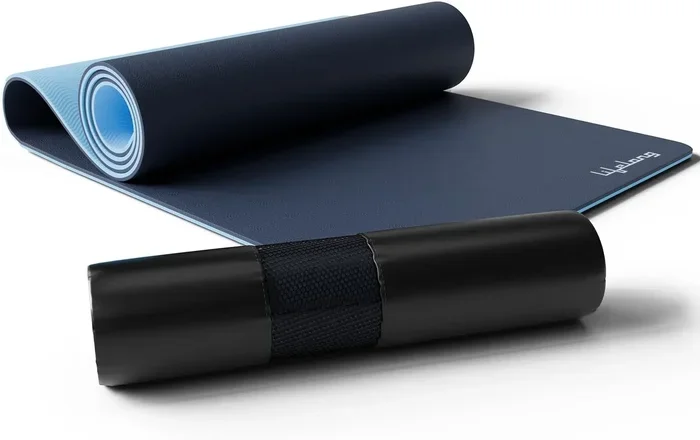
Making your yoga mat not slippery is easier than you think. Whether you deal with sweat, dust, or a brand-new mat that feels slick, there are proven methods to restore your yoga mat grip and keep you safe during every pose.
Nothing ruins a yoga session faster than sliding around on a slippery yoga mat. You settle into a pose, shift your weight, and suddenly your hands or feet start to move. It is frustrating, distracting, and honestly a bit scary when you are in a balancing position.
If you have ever wondered how to make your yoga mat not slippery, you are in the right place. This guide covers every method that actually works. From simple cleaning routines to DIY grip solutions, you will find practical steps you can start using today. Let us get your mat feeling secure again.
A good yoga mat grip is about more than just comfort. It keeps you safe. When your mat holds firm, you can focus on your breath and alignment instead of worrying about slipping. This is true whether you practice gentle yoga or intense hot yoga sessions.
Key Takeaways
- Clean your mat regularly: Sweat and dirt build-up are the top causes of a slippery yoga mat surface.
- Use natural grip enhancers: Baking soda, salt, and essential oils can dramatically improve traction.
- Choose the right mat type: TPE and rubber mats offer better grip than PVC in most cases.
- Break in your new mat: New mats need time and conditioning to reach their full grip potential.
- Try grip socks or gloves: These accessories add an extra layer of stability during practice.
- Store your mat properly: Rolling it correctly and keeping it dry prevents long-term slipperiness.
📑 Table of Contents
Why Your Yoga Mat Becomes Slippery
Understanding the cause is the first step to fixing the problem. Most people deal with a slippery mat for one of a few common reasons. Once you know what is behind it, you can pick the best solution.
Sweat and Body Oils
This is the number one culprit. During a workout, your body releases sweat and natural oils. These substances sit on the surface of your mat and create a thin film. The result? Your hands and feet slide around instead of gripping the surface.
Hot yoga makes this even worse. The heat increases sweat production, which means more residue builds up fast. If you notice your mat getting slick mid-session, sweat is likely the main issue.
Dust and Dirt Buildup
Even in a clean home, dust settles on your mat over time. Every time you unroll it, tiny particles stick to the surface. This layer of dust acts like a lubricant. It reduces the friction between your skin and the mat.
mats used outdoors or in studios collect even more debris. Dirt, sand, and small bits of lint can all make a once-grippy mat feel smooth and slick.
New Mat Residue
Brand new mats often come with a chemical coating or manufacturing residue. This layer makes the mat feel smooth and slippery. It is not dirt. It is leftover material from the production process. You need to remove this before your mat will grip properly.
Wrong Mat Material
Not all mats are created equal. PVC mats, for example, can feel very smooth when new. TPE and natural rubber mats usually offer better texture right out of the box. If you keep choosing a slippery yoga mat, the material itself might be the problem.
How to Clean Your Mat for Better Grip
Regular cleaning is the foundation of a non-slip yoga mat. When you remove sweat, oils, and dirt, you restore the natural texture of the surface. Here are the most effective cleaning methods.
Use a Yoga Mat Cleaner Spray
Store-bought mat sprays work well, but you can also make your own. A simple spray with water and a few drops of tea tree oil does a great job. Spritz the surface, wipe it down with a damp cloth, and let it air dry.
For a deeper clean, try a DIY yoga mat spray with essential oils. This keeps your mat fresh and adds a light layer of grip-enhancing properties.
Baking Soda Paste Method
Baking soda is a natural abrasive and odor absorber. Mix a small amount with water to form a paste. Gently scrub it into the mat surface with a soft cloth. Rinse thoroughly and let it dry completely before rolling it up.
For more details on this method, check out our guide on how to clean a yoga mat with baking soda. It is one of the simplest and most effective ways to restore grip.
Washing Your Mat in the Machine
Some mats are machine washable. Use cold water on a gentle cycle with mild detergent. Avoid hot water and harsh chemicals. They can break down the material and actually make it worse.
After washing, hang your mat to dry. Do not put it in the dryer. Heat can warp or damage the surface. Once it is completely dry, unroll it and check the grip.
Quick Wipe-Down After Every Session
Get into the habit of wiping your mat after each use. A quick rinse with water and a light soap removes sweat before it has a chance to build up. This small habit makes a huge difference over time.
DIY Grip Solutions for a Slippery Mat
If cleaning alone does not solve the problem, you can add grip directly to the mat surface. These DIY methods are affordable and very effective.
Salt and Water Solution
Mix coarse salt with water in a spray bottle. Lightly mist the surface of your mat. The salt creates a textured layer that improves traction. Let it dry completely before using the mat. This method works especially well for mats that feel smooth and factory-coated.
Rosin or Grip Powder
Rock climbers use rosin to improve their grip, and it works great on yoga mats too. Apply a thin layer to your hands and feet before stepping onto the mat. It absorbs moisture and adds instant traction. This is a favorite trick among people who practice hot yoga.
Grip Socks and Gloves
If you do not want to change the mat itself, grip accessories are a great option. Yoga grip socks have silicone dots on the bottom that add friction. Similarly, grip gloves keep your hands from sliding during poses like downward dog or plank.
These accessories are especially helpful if you share a mat or practice on a surface that is hard to control. They give you an extra layer of mat stability without any mess.
Tennis Ball Massage Trick
Here is a clever trick. Roll a tennis ball over the surface of your mat with moderate pressure. The texture of the ball gently roughens the mat surface and removes any slick residue. It is a quick fix that takes less than two minutes.
How to Choose a Non-Slip Yoga Mat
Sometimes the best solution is to start with a better mat. If your current mat is old, damaged, or made from poor materials, no amount of cleaning will fix it completely.
Material Matters
Natural rubber mats offer excellent grip right out of the box. TPE mats are also a great choice. They are eco-friendly and provide good traction. PVC mats are the least grippy, especially when new. If you want a non-slip yoga mat, avoid PVC if possible.
Thickness and Texture
Thicker mats can sometimes feel less stable because they compress more under your weight. A medium-thick mat (around 5mm) balances comfort and grip. Look for mats with a textured surface or raised patterns. These designs increase friction and keep you grounded.
Break In Your New Mat
Even the best yoga mat grip needs a break-in period. New mats often feel slippery for the first few uses. You can speed this up by washing the mat with mild soap and water several times. This removes the manufacturing residue and softens the surface.
For a detailed walkthrough on this process, read our article on how to break in a new Manduka yoga mat. The same techniques work for most mat brands.
Preventing Slippage During Practice
Good mat care is only half the battle. How you use and position your mat also affects slip resistance.
Align Your Mat Properly on the Floor
Make sure your mat lies flat on the ground. Wrinkles and folds create uneven surfaces that cause slipping. If your mat keeps curling at the edges, try techniques to get your yoga mat to lay flat. A flat mat distributes your weight evenly and grips the floor better.
Keep Your Hands and Feet Dry
Towel off your hands and feet before you start practicing. A quick wipe with a dry towel removes excess moisture. This simple step alone can dramatically reduce slipping during poses.
Use a Yoga Towel
A yoga towel placed over your mat adds an extra layer of absorbency. It soaks up sweat and keeps your contact points dry. Many yoga towels have a non-slip backing that grips the mat underneath. This is especially useful during intense or hot yoga sessions.
Check Your Floor Surface
Sometimes the problem is not your mat. Hardwood floors and tiles can be slippery on their own. If your mat slides on the floor, consider using a mat towel underneath or a non-slip mat pad. These accessories anchor your mat in place and improve overall stability.
Common Mistakes That Make Your Mat Slippery
Avoid these common errors that silently ruin your mat grip over time.
- Using harsh chemicals: Bleach and strong detergents strip the mat surface of its natural texture. Always use mild soap or a dedicated yoga mat cleaner.
- Skipping regular cleaning: Even if your mat looks clean, invisible oil buildup reduces grip. Clean your mat at least once a week.
- Storing your mat wet: Rolling up a damp mat encourages mold and bacteria growth. It also breaks down the material faster. Always dry your mat completely before storing.
- Using the wrong products: lotion or oil on your hands before yoga transfers to the mat and makes it slick. Always practice with clean, dry skin.
- Ignoring wear and tear: Over time, mats lose their texture. If your mat is old and smooth no matter what you do, it might be time for a replacement.
Expert Tips for Long-Lasting Mat Grip
Experienced yogis know that maintaining grip is an ongoing process. Here are some expert-level tips that make a real difference.
- Rotate your mats: If you practice frequently, having two mats and rotating them gives each one time to fully dry between sessions.
- Condition rubber mats: Natural rubber mats benefit from occasional conditioning with a tiny amount of coconut oil. It keeps the surface supple and grippy.
- Practice barefoot: Shoes and socks reduce your natural grip on the mat. Practicing barefoot gives you the best contact and traction.
- Keep your nails trimmed: Long nails can catch on the mat surface and reduce your ability to grip. Short, clean nails help you maintain better contact.
- Refresh your mat monthly: A deep clean once a month removes buildup that daily wiping misses. This keeps your mat performing at its best.
For more advice on keeping your practice space safe, learn how to stop your yoga mat from being slippery with targeted methods that address the root causes of slippage.
Conclusion
Now you know exactly how to make your yoga mat not slippery. The key is a combination of regular cleaning, smart DIY solutions, and good practice habits. Whether you use a simple salt spray, invest in a better mat, or just make sure to dry your hands before class, every step counts.
A non-slip yoga mat gives you the confidence to focus on your practice. You stop worrying about where your next hand placement will be and start flowing through poses with ease. Take care of your mat, and it will take care of you.
Start with one or two of the tips above. Build a routine that works for you. Your future self will thank you every time you step onto a mat that holds firm and keeps you grounded.
Frequently Asked Questions
Why does my new yoga mat feel slippery?
New mats often have a manufacturing residue or chemical coating that makes the surface slick. Washing the mat several times with mild soap removes this layer and reveals the natural grip underneath.
What is the best homemade yoga mat grip solution?
A salt and water spray is one of the most effective DIY solutions. Mix coarse salt with water in a spray bottle, mist the mat lightly, and let it dry completely. This creates a textured surface that improves traction.
How often should I clean my yoga mat to prevent slipping?
You should wipe down your mat after every use and do a deeper clean at least once a week. Regular cleaning removes sweat, oils, and dirt that reduce your mat’s grip over time.
Can grip socks replace a non-slip yoga mat?
Grip socks add friction and help, but they work best as a supplement to a good mat. They are especially useful on very smooth floors or when using a shared mat at a studio.
Does mat thickness affect how slippery it feels?
Yes, thicker mats can feel less stable because they compress more under your weight. A medium-thick mat (around 5mm) offers the best balance of comfort and grip for most practitioners.
What type of yoga mat has the best grip?
Natural rubber and TPE mats generally offer the best grip. They have a textured surface that holds firm even when wet. PVC mats tend to be the slipperiest, especially when new.