Simple Ways How to Make Eggs for a Perfect Breakfast
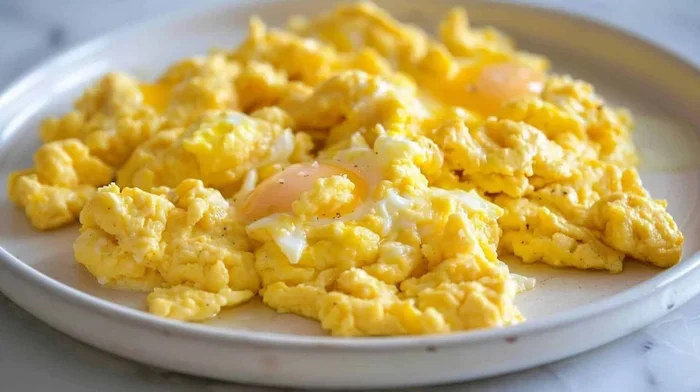
Learning how to make eggs the right way transforms your morning routine into something quick, delicious, and nutritious. Eggs are the ultimate breakfast staple that cook in minutes and pair with almost anything. Whether you prefer scrambled, boiled, fried, or poached, this guide covers every method so you can start your day with a protein-packed meal that keeps you full and energized.
Key Takeaways
- Multiple Cooking Methods: You can learn how to make eggs scrambled, boiled, fried, poached, and as omelettes with simple techniques.
- Quick and Easy: Every egg recipe in this guide takes under 10 minutes, making it perfect for busy mornings.
- Protein-Packed Fuel: Eggs provide high-quality protein that keeps you full and focused throughout the morning.
- No Special Equipment Needed: You only need a pan, a pot, and a few basic ingredients to cook great eggs.
- Avoid Common Mistakes: Low heat, proper timing, and fresh eggs make a huge difference in taste and texture.
- Versatile Breakfast Base: Eggs pair well with toast, vegetables, cheese, and herbs for endless variety.
📑 Table of Contents
- Why Eggs Are the Best Breakfast Choice
- How to Make Scrambled Eggs the Right Way
- How to Make Boiled Eggs Perfect Every Time
- How to Make Fried Eggs with Golden Edges
- How to Make Poached Eggs for an Elegant Breakfast
- How to Make an Omelette in Just Minutes
- Eggs and an Active Morning Routine
- Quick Egg Breakfast Ideas for Busy Mornings
- Common Mistakes to Avoid When Cooking Eggs
- Conclusion
Why Eggs Are the Best Breakfast Choice
There is a reason eggs have been a breakfast staple for centuries. They are cheap, fast, and packed with protein that fuels your entire morning. When you learn how to make eggs properly, you open the door to a world of quick and satisfying meals. Unlike sugary cereals or processed breakfast foods, eggs give you real nutrition that keeps you full for hours.
Eggs also contain important vitamins like B12, D, and choline. These nutrients support brain health, energy levels, and muscle function. A simple egg breakfast can do wonders for your focus and mood before work or school. Best of all, you do not need any fancy cooking skills to get great results.
Whether you are a complete beginner or someone who wants to level up your egg game, this guide has you covered. We will walk through every popular method step by step. By the end, you will know exactly how to make eggs that taste restaurant-quality right in your own kitchen.
How to Make Scrambled Eggs the Right Way
Scrambled eggs are probably the most popular way to cook eggs at home. They are simple, fast, and incredibly versatile. But there is a big difference between rubbery scrambled eggs and fluffy, creamy ones. The secret is all in the technique and heat control.
Step-by-Step Scrambled Eggs
Start by cracking two to three eggs into a bowl. Add a small splash of milk or cream if you like a softer texture. Beat the mixture with a fork until the yolks and whites are fully combined. Do not overbeat. A few streaks of white are perfectly fine.
Place a non-stick pan on low to medium heat. Add a small pat of butter or a drizzle of oil. Let it melt and spread across the pan. Pour in the egg mixture and let it sit for a few seconds without touching it.
Now gently push the eggs from the edges toward the center with a spatula. Keep doing this slowly. The key to fluffy scrambled eggs is patience. Low heat creates a creamier result. High heat makes them dry and tough.
Remove the pan from the heat just before the eggs look fully set. They will continue cooking on the hot surface. Season with salt and pepper right at the end. Serve immediately with toast or fresh herbs.
Tips for Perfect Scrambled Eggs
- Use low heat throughout the entire cooking process.
- Stir gently and slowly for larger, fluffier curds.
- Add a tablespoon of cream cheese at the end for extra richness.
- Fresh eggs give a better color and flavor than older ones.
- Salt at the very end to prevent the eggs from becoming watery.
How to Make Boiled Eggs Perfect Every Time
Boiled eggs are the ultimate grab-and-go breakfast. You can prep them the night before and grab them on your way out the door. They are also incredibly nutritious and make a great addition to salads and sandwiches.
Soft Boiled vs Hard Boiled
The difference between soft boiled and hard boiled eggs comes down to timing. Soft boiled eggs have a runny yolk that is perfect for dipping toast. Hard boiled eggs have a fully set yolk that is great for meal prep.
For soft boiled eggs, bring a pot of water to a gentle boil. Carefully lower the eggs in using a spoon. Cook for exactly six minutes. Transfer them to an ice bath right away. The shell will peel off easily, and the yolk will stay beautifully runny.
For hard boiled eggs, start with cold water in the pot. Bring it to a full boil, then cover and remove from the heat. Let the eggs sit for ten minutes. Transfer to ice water for five minutes before peeling. This method prevents the green ring from forming around the yolk.
Quick Tips for Boiled Eggs
- Use eggs that are a week old. They peel much easier than fresh eggs.
- Add a teaspoon of vinegar to the water. This helps if any shells crack.
- Always use an ice bath. It stops the cooking and makes peeling simple.
- Store boiled eggs in the fridge for up to five days.
How to Make Fried Eggs with Golden Edges
Fried eggs are a classic breakfast that never gets old. A perfectly fried egg has crispy, golden edges and a runny yolk that flows when you cut into it. It sounds fancy, but it is one of the easiest ways how to make eggs for breakfast.
Start with a cold non-stick pan. Add butter or oil and turn the heat to medium-low. Let the fat heat up slowly. Crack the egg gently into the pan. You want the white to set around the edges while the yolk stays liquid in the center.
Do not touch the egg. Let it cook undisturbed for about three minutes. If you prefer a crispy edge, tilt the pan and spoon the hot butter over the white. This technique is called basting and it cooks the top without flipping.
For over-easy or over-hard eggs, flip gently with a spatula. Cook for 30 seconds for over-easy or one minute for over-hard. Season with salt and pepper right when the egg is done. Serve immediately on toast or alongside bacon and toast.
Fried eggs are also a great base for a breakfast sandwich. Place them on a warm English muffin with cheese and a slice of tomato. It is a simple meal that feels indulgent and satisfying.
How to Make Poached Eggs for an Elegant Breakfast
Poached eggs might look intimidating, but they are easier than you think. A poached egg has no shell and a delicate, silky white wrapped around a runny yolk. They are stunning on top of avocado toast or a bed of fresh greens.
Fill a saucepan with about three inches of water. Add a splash of white vinegar. Bring the water to a gentle simmer, not a rolling boil. The simmering water helps the white set around the yolk without breaking apart.
Crack the egg into a small bowl or ramekin first. This gives you more control when you slide it into the water. Use a spoon to create a gentle whirlpool in the water. Drop the egg into the center of the whirlpool. The swirling motion wraps the white neatly around the yolk.
Let the egg cook for about three to four minutes. Lift it out with a slotted spoon and place it on a paper towel to drain. Season with salt, pepper, and a drizzle of olive oil. Serve right away on toast or salad.
The vinegar helps the white coagulate faster. Do not skip this step if you are a beginner. Once you master the poached egg, you will want to make it a regular part of your breakfast rotation.
How to Make an Omelette in Just Minutes
An omelette is one of the most satisfying ways how to make eggs for a full breakfast. It is essentially a folded scrambled egg with fillings inside. You can customize it with whatever you have in the fridge. Cheese, vegetables, ham, mushrooms, and herbs all work wonderfully.
Crack two or three eggs into a bowl and beat them well. Heat a non-stick pan over medium heat and add a knob of butter. Pour in the eggs and let them sit for a few seconds. Use a spatula to push the set edges toward the center, tilting the pan so the runny egg flows to the gaps.
Once the eggs are mostly set but still slightly wet on top, add your fillings to one half. Fold the other half over the fillings with the spatula. Let it cook for another 30 seconds. Slide the omelette onto a plate and serve immediately.
A French-style omelette is even softer and creamier. The technique is the same, but you cook it on lower heat and fold it more gently. The result is a silky, custard-like texture that melts in your mouth. It takes a little practice, but it is worth the effort.
Eggs and an Active Morning Routine
If you start your morning with exercise, eggs are the perfect fuel. A protein-rich egg breakfast helps your muscles recover after a workout and keeps your energy steady throughout the morning. Whether you prefer running or cycling, eggs give your body the nutrients it needs to perform at its best.
Many people who want to make a treadmill work without a key enjoy a quick egg breakfast before their morning run. Eggs are easy to digest and provide sustained energy without weighing you down. You can eat boiled eggs the night before or scramble fresh eggs in just a few minutes.
For those who prefer indoor workouts, eggs pair perfectly with an active morning routine. If you are someone who makes a bicycle into a stationary bike at home, a protein-packed egg breakfast gives you the power to push through a tough session. The combination of eggs and morning exercise creates a healthy habit that supports your fitness goals.
Eggs are also great for people who want to make running on treadmill less boring by pairing it with a delicious pre-workout meal. A simple egg breakfast can turn your morning workout into something you actually look forward to. The fuel from eggs keeps you focused and motivated from the first mile to the last.
Quick Egg Breakfast Ideas for Busy Mornings
Not every morning gives you time to cook a full breakfast. That is where meal prep and quick ideas come in handy. Here are some simple ways to enjoy eggs even on your busiest days.
- Egg Muffins: Whisk eggs with chopped veggies and cheese. Pour into a muffin tin and bake. Grab two on your way out the door.
- Egg and Toast Soldiers: Soft boiled eggs with strips of toast for dipping. It takes five minutes and feels like a café breakfast.
- Overnight Egg Jar: Mix raw eggs with milk, cheese, and herbs in a jar. Refrigerate overnight. Microwave for one minute in the morning.
- Egg Wrap: Scramble eggs and wrap them in a tortilla with salsa and spinach. It is portable and filling.
- Egg Fried Rice: Use leftover rice and scramble an egg into it. Add soy sauce and green onions for a fast savory breakfast.
These ideas prove that learning how to make eggs opens up endless possibilities. You never have to eat the same boring breakfast twice. With a little planning, you can have a nutritious and tasty egg meal any morning of the week.
Common Mistakes to Avoid When Cooking Eggs
Even though eggs are simple, small mistakes can ruin the result. Here are the most common errors people make and how to fix them.
- Using High Heat: High heat makes eggs rubbery and dry. Always cook eggs on low to medium heat for the best texture.
- Adding Salt Too Early: Salt draws moisture out of the eggs. Wait until the very end to season for a firmer, creamier result.
- Using a Dirty Pan: A dirty or scratched non-stick pan causes eggs to stick. Make sure your pan is clean and well-seasoned.
- Overcrowding the Pan: Cook no more than two or three eggs at a time. Overcrowding leads to uneven cooking and mushy texture.
- Skipping the Rest: Let scrambled eggs rest off the heat for 30 seconds. They continue cooking and become creamier.
- Using Old Eggs for Poaching: Fresh eggs hold their shape better in poaching water. Use the freshest eggs you can find for poached eggs.
Avoiding these mistakes will instantly improve your egg cooking. Once you get the heat and timing right, everything else becomes second nature.
Conclusion
Learning how to make eggs is one of the most useful skills you can develop in the kitchen. Eggs are affordable, nutritious, and incredibly versatile. From fluffy scrambled eggs to silky poached eggs, every method is simple once you know the basics.
Start with the techniques in this guide and practice them a few times. You will soon find your favorite way to cook eggs and build your own breakfast routine around it. The beauty of eggs is that they work for any taste, any diet, and any schedule.
Make eggs a regular part of your morning and notice the difference in your energy and focus. A perfect breakfast does not have to be complicated. Sometimes the simplest meal is the best one. So grab some eggs, turn on the stove, and enjoy a breakfast that truly fuels your day.
Frequently Asked Questions
What is the healthiest way how to make eggs for breakfast?
Boiled and poached eggs are considered the healthiest methods because they do not require added fat. They retain all the natural nutrients and are easy to digest. Scrambled eggs with a small amount of butter are also a healthy choice when cooked on low heat.
How long do eggs take to cook for breakfast?
Most egg cooking methods take between three and ten minutes. Scrambled eggs take about four minutes, fried eggs take three minutes per side, and boiled eggs take six to ten minutes depending on how done you want the yolk. Omelettes take about five minutes from start to finish.
Can I meal prep eggs for the week ahead?
Yes, boiled eggs are the best option for meal prep. You can cook a batch on Sunday and store them in the fridge for up to five days. Egg muffins and overnight egg jars are also great make-ahead options that save time on busy weekday mornings.
Why do my scrambled eggs come out rubbery?
Rubberiness usually happens when the heat is too high or you cook the eggs for too long. Always use low to medium heat and remove the pan from the heat just before the eggs look fully set. They will continue cooking from the residual heat in the pan.
What can I add to eggs to make them more filling?
Adding cheese, vegetables, avocado, or a side of whole grain toast makes eggs more filling. Protein-rich additions like ham or smoked salmon also help. The key is to pair eggs with fiber and healthy fats to keep you satisfied longer.
Is it safe to eat runny eggs for breakfast?
Runny eggs are safe when you use fresh, pasteurized eggs and cook the whites fully. The yolk can stay runny while the white is completely set. Always buy eggs from reputable sources and store them properly in the refrigerator to reduce any food safety risk.