How to Jump the Rope Like a Boxer
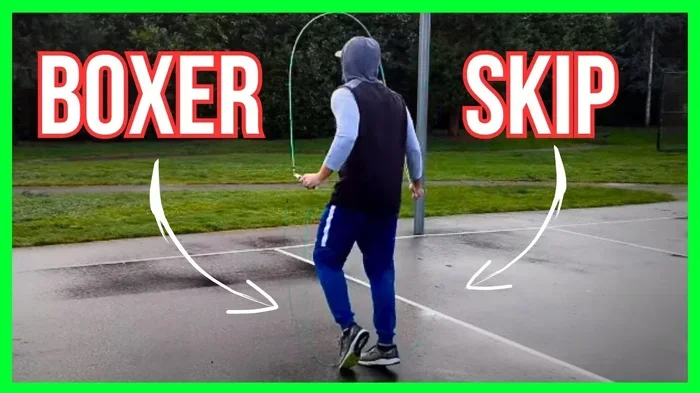
Jumping rope like a boxer is one of the most effective ways to build cardio endurance, agility, and coordination. This guide breaks down the exact techniques, footwork drills, and routines that professional fighters use to stay in peak shape. Whether you are a beginner or a seasoned athlete, you will find actionable steps to level up your jump rope game like a true boxer.
Few training tools deliver the same results as a simple jump rope. When you watch a boxer in the gym, one of the first things you will notice is the rope spinning under their feet. It is fast, rhythmic, and almost hypnotic. But there is a reason behind it. Jumping rope builds the kind of fitness that translates directly into the ring. It sharpens your timing, improves your footwork, and creates an engine of endurance that keeps you going round after round.
If you have ever wanted to jump the rope like a boxer, you are in the right place. This guide covers everything from choosing the right rope to mastering advanced techniques. You will learn the exact drills boxers use, how to structure a session, and the mistakes that hold most people back. Let us get into it.
Key Takeaways
- Boxers use jump rope as a core training tool to build stamina, rhythm, and quick feet.
- The right rope length and type make a huge difference in your speed and comfort.
- Basic techniques like the boxer step and alternating foot tap mimic actual boxing movement patterns.
- Double unders and criss-cross tricks take your coordination and timing to the next level.
- Consistent practice with structured routines delivers real results in your boxing conditioning.
- Avoiding common mistakes like jumping too high or using the wrong rope saves you time and injury risk.
- Jump rope complements your whole boxing workout and pairs well with other conditioning exercises.
📑 Table of Contents
Why Boxers Jump Rope
Boxing is one of the most demanding sports on the planet. Fighters need endurance, speed, power, and coordination all at once. Jump rope checks every single one of those boxes. It is no coincidence that nearly every professional fighter includes rope jumping in their daily routine.
Here is why boxers love it so much:
- Cardiovascular endurance: Jumping rope raises your heart rate fast and keeps it elevated. This builds the stamina you need to go the distance in a fight.
- Footwork and agility: The small, quick movements required to jump rope mirror the footwork boxers use to move around the ring.
- Hand-eye coordination: Timing the rope with your jumps trains your brain and body to work together seamlessly.
- Low impact on joints: Compared to running, jumping rope is easier on your knees and ankles when done correctly.
- Rhythm and timing: A boxer needs a natural sense of rhythm. Jump rope develops this instinctively.
- Convenience and portability: You can carry a jump rope anywhere and train almost anywhere.
The beauty of boxing jump rope training is that it works your entire body. Your calves, quads, glutes, core, shoulders, and arms all get involved. It is one of the most efficient full-body exercises you can do. And the best part? You can see real improvements in just a few weeks of consistent practice.
How Jump Rope Builds Fighter Fitness
Professional fighters rely on fighter fitness tools that translate directly to performance in the ring. Jump rope fits this perfectly. When you jump rope, you are not just exercising. You are training your body to move with precision and speed. The constant bouncing builds fast-twitch muscle fibers in your lower legs. This is the same muscle fiber type that powers a quick dodge or a sudden pivot.
Boxers also use jump rope to develop their cardio endurance. In a fight, rounds can last three minutes or more. Your heart and lungs need to keep up. Jump rope conditioning prepares you for exactly that kind of sustained effort. Many boxers do three to five rounds of jump rope during a single training session, with each round lasting two to three minutes.
The Right Jump Rope for Boxing
Not all jump ropes are created equal. If you want to jump the rope like a boxer, you need the right equipment. Using the wrong rope can slow you down, cause frustration, and even lead to injury. Let us look at what makes a jump rope ideal for boxing training.
Speed Ropes vs. Weighted Ropes
Most boxers use a speed rope. These are lightweight, thin cables that spin fast with minimal effort. They let you rotate the rope quickly, which is essential for advanced techniques like double unders. Speed ropes typically have a thin cable made of plastic-coated wire or bare cable, with lightweight plastic or rubber handles.
Weighted ropes are thicker and heavier. They add resistance to your workout, building more strength in your shoulders and arms. Some boxers use weighted ropes during warm-ups to activate their muscles. However, for speed and agility training, a speed rope is the go-to choice.
Here is a quick comparison:
| Feature | Speed Rope | Weighted Rope |
|---|---|---|
| Best for | Speed and agility | Strength building |
| Cable weight | Light and thin | Heavy and thick |
| Spin speed | Very fast | Slower |
| Ideal for beginners | Yes | Moderate |
| Boxing use | Primary training tool | Warm-up or supplementary |
How to Find the Right Rope Length
The length of your rope matters more than you might think. A rope that is too long will drag on the ground and slow you down. A rope that is too short will constantly hit your head. To find the right length of jump rope, stand on the middle of the cable with one foot. Pull the handles up toward your armpits. The handles should reach roughly your armpits or just below them.
If you are serious about boxing training, make sure you adjust the length of your jump rope to match your height. Most speed ropes come with adjustable cables, so you can easily customize the fit. For more detailed guidance on this, you can check out our guide on how to adjust the length of a jump rope.
Essential Boxing Jump Rope Techniques
Now that you have the right rope, it is time to learn the techniques. Boxers do not just bounce up and down randomly. They use specific patterns that build different skills. Let us walk through the essential techniques every boxer-in-training should master.
The Basic Bounce
Start here. The basic bounce is the foundation of everything. Stand with your feet shoulder-width apart. Hold the handles loosely at your sides. Keep your elbows close to your body. Use your wrists to rotate the rope, not your arms. Jump just enough to clear the rope by an inch or two. Land softly on the balls of your feet.
Keep your knees slightly bent. Your core should be engaged. Breathe steadily. This sounds simple, but nailing the basic bounce sets you up for every other technique. Spend at least five minutes on this before moving to anything more advanced.
The Boxer Step
The boxer step is exactly what it sounds like. You shift your weight from one foot to the other in a rhythmic pattern. Think of it like the basic stance a boxer uses when moving around the ring. Your feet stay close to the ground, and you alternate weight between your left and right foot.
This technique builds rhythm and endurance. It also trains the exact footwork patterns boxers use during a fight. Try alternating: left foot taps, right foot taps, left foot taps, right foot taps. Keep a steady pace and focus on smooth transitions. The boxer step is one of the most practical jump rope footwork drills you can do.
The Alternating Foot Tap
Similar to the boxer step, the alternating foot tap involves lifting one knee slightly while hopping on the other foot. It mimics the motion of running in place but with much more control. This drill improves your coordination and builds endurance in your lower legs.
Start slow. Focus on keeping the rope spinning at a consistent speed. As you get more comfortable, pick up the pace. The alternating foot tap is excellent for building the kind of quick, light footwork that boxers rely on.
Double Unders
Once you have the basics down, double unders are the next big challenge. A double under means the rope passes under your feet twice in a single jump. This requires a faster rope rotation and a slightly higher jump. Double unders are a staple of advanced boxing conditioning and are used by fighters at every level.
To get started, make sure you size a jump rope for double unders properly. The rope needs to be the right length so it clears your head when you jump higher than usual. Use your wrists to whip the rope faster. Do not use your arms. The power comes from quick wrist flicks. Start with just a few successful double unders and build from there.
For more tips on mastering this skill, check out our article on how to size a jump rope for double unders.
Criss-Cross Technique
The criss-cross is a flashy but highly effective technique. You cross your arms in front of your body while the rope is spinning, creating an X pattern. This requires excellent timing and coordination. It also works your shoulders and arms in a different way than standard jumping.
Start by mastering the basic bounce and boxer step first. Once those feel automatic, try crossing your hands in front of you. The timing is the tricky part. You need to cross your arms at the exact right moment for the rope to pass under your feet. It takes practice, but once you get it, the criss-cross adds a new dimension to your boxing jump rope training.
Want a deeper dive into this technique? Read our guide on how to do the criss-cross jump rope trick.
Boxing Jump Rope Footwork Drills
Footwork is the backbone of boxing. Your ability to move quickly, change direction, and maintain balance determines how effective you are in the ring. Jump rope is one of the best tools for developing boxing footwork because it forces you to stay light on your feet.
Lateral Hops
Stand with your feet together. Jump side to side over the rope, keeping your movements small and controlled. This drill builds lateral agility, which is crucial for slipping and sidestepping punches. Keep your weight on the balls of your feet and stay low.
Forward and Backward Hops
This drill mimics advancing and retreating in a fight. Jump forward a few inches, then jump backward. Keep the rope spinning continuously. The goal is to move smoothly in both directions without tripping. This builds the kind of forward-backward movement that boxers use to control distance.
Single-Leg Hops
Jump on one foot for 30 seconds, then switch to the other foot. This builds explosive power in each leg individually. It also highlights any strength imbalances you might have. Strong, balanced legs are essential for a boxer who needs to move quickly in all directions.
These drills pair perfectly with your jump rope sessions. They turn a simple cardio exercise into a full agility training workout. For ideas on how long to structure your sessions, check out our guide on how long to jump rope for a good workout.
How to Build a Boxing Jump Rope Routine
Having a structured routine is the key to making real progress. Random jumping might feel good, but a planned session delivers better results. Here is how to build a routine that works.
Warm-Up Phase (3-5 Minutes)
Start with light bouncing using the basic bounce technique. Keep your pace moderate and focus on finding your rhythm. This is your body’s transition into the workout. You can also add some light stretching for your calves, ankles, and shoulders during this phase.
Skill Work Phase (5-10 Minutes)
This is where you focus on specific techniques. Spend two minutes on the boxer step. Then try two minutes of alternating foot taps. Move on to double unders if you are ready. The goal is to practice with purpose, not just to keep the rope spinning.
Conditioning Phase (10-15 Minutes)
This is the heart of your session. You want to push your cardiovascular system. Try intervals: 30 seconds of fast jumping, 30 seconds of rest. Repeat for 10 rounds. Or do steady-state jumping for three to five minutes at a high pace. The conditioning phase is where jump rope for boxing endurance really comes together.
Cool-Down Phase (3-5 Minutes)
Slow your pace down gradually. Return to the basic bounce at a low intensity. Follow this with some gentle stretching for your legs, hips, and shoulders. Cooling down helps your muscles recover and reduces soreness.
For a structured approach to building your overall routine, you might want to check out our article on how to find the right length of jump rope to make sure your equipment is dialed in from the start.
Sample Weekly Routine
Here is a simple weekly plan to get you started:
- Monday: 15 minutes of basic techniques and skill work
- Tuesday: 20 minutes of interval conditioning
- Wednesday: Rest or light stretching
- Thursday: 15 minutes of footwork drills and double unders
- Friday: 20 minutes of steady-state cardio jumping
- Saturday: 15 minutes of technique practice with new tricks
- Sunday: Full rest
Consistency beats intensity every time. Even 15 minutes a day of focused jump rope work will transform your fitness over time. The key is to show up and put in the work.
Common Mistakes to Avoid
Even the most enthusiastic beginners make mistakes when learning to jump the rope like a boxer. Being aware of these pitfalls helps you progress faster and avoid injury.
Jumping too high. Your jumps should be no more than one to two inches off the ground. Excessive height wastes energy and slows you down. Keep those hops small and efficient.
Using the wrong rope length. An improperly sized rope will constantly trip you up. Make sure you take the time to measure and adjust your rope correctly.
Tensing your shoulders. Many beginners grip the handles too tightly and raise their shoulders toward their ears. This wastes energy and leads to quick fatigue. Keep your shoulders relaxed and let your wrists do the work.
Landing on your heels. Always land on the balls of your feet. Heel striking sends shock through your joints and reduces your ability to move quickly.
Skipping warm-ups. Jumping straight into fast rope work without warming up increases your risk of calf strains and ankle injuries. Take five minutes to prepare your body.
Neglecting rest days. Your muscles need time to recover and grow stronger. Overtraining leads to burnout and injury. Build rest days into your routine and trust the process.
Quick Tips for Better Results
- Keep your eyes forward, not down at your feet.
- Use a mirror to check your posture during practice.
- Practice barefoot on a soft surface to improve foot strength.
- Listen to music with a steady beat to help maintain rhythm.
- Record yourself occasionally to spot form issues.
- Stay hydrated, especially during longer sessions.
Final Thoughts
Learning to jump the rope like a boxer is a journey, not a destination. It takes time, patience, and consistent effort. But the rewards are well worth it. You will build endurance that lasts through entire rounds. Your footwork will become quicker and more precise. Your coordination will sharpen in ways that carry over into every part of your boxing training.
Start with the basics. Master the basic bounce and the boxer step. Then gradually add new techniques as your confidence grows. Stay patient with yourself. Every great fighter started somewhere, and the jump rope was likely part of their journey.
Grab your rope, find your rhythm, and commit to the process. The boxers you admire all started with a simple rope and a willingness to put in the work. Now it is your turn.
Frequently Asked Questions
How long does it take to learn to jump rope like a boxer?
Most people can learn the basic techniques within two to four weeks of consistent practice. Advanced moves like double unders may take one to two months. Your progress depends on how often you train and how much focus you put into proper form.
What type of jump rope do professional boxers use?
Professional boxers typically use speed ropes with thin cables and lightweight handles. These ropes spin fast and allow for quick, precise movements. Some boxers also use weighted ropes during warm-ups to build shoulder and arm strength.
Can jumping rope replace running for boxing cardio?
Jumping rope can absolutely replace running for boxing cardio. In fact, many boxers prefer it because it also develops footwork, coordination, and rhythm. A 15-minute jump rope session can be just as effective as a 30-minute run for building cardiovascular endurance.
How many calories does boxing jump rope burn?
A 155-pound person can burn approximately 300 to 500 calories in 30 minutes of jump rope training. The exact number depends on your intensity level, body weight, and the techniques you use. High-intensity intervals burn even more calories.
Is jumping rope safe for beginners with no boxing experience?
Yes, jumping rope is safe and accessible for beginners. Start with the basic bounce and keep your sessions short. Focus on using proper form and wearing supportive shoes. As your coordination improves, you can gradually introduce more advanced techniques.
How often should I practice boxing jump rope techniques?
Three to five sessions per week is ideal for most people. Each session should last 15 to 30 minutes. Allow at least one rest day between sessions to let your muscles recover. Consistency is far more important than session length.