How to Do Squats with Dumbbells for Glutes
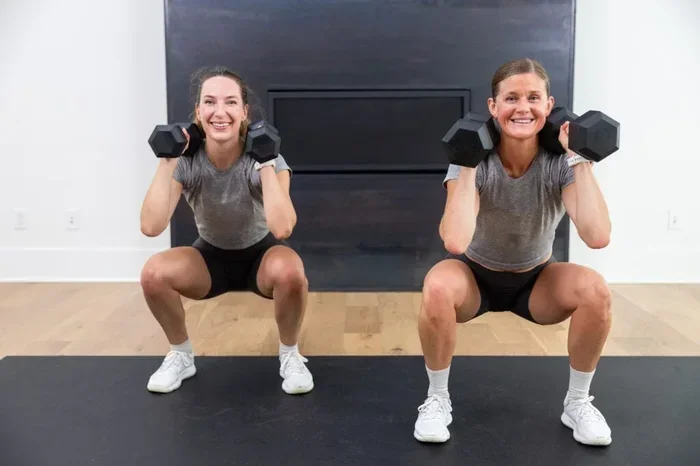
Squats with dumbbells for glutes are one of the most effective lower body exercises you can do at home. This guide covers proper form, key variations, common mistakes, and a beginner-friendly routine to help you build stronger, rounder glutes. Whether you are new to training or looking to refine your technique, these tips will take your glute workouts to the next level.
If you want to build a stronger, rounder backside, squats with dumbbells for glutes should be at the top of your list. This exercise is simple, effective, and works wonders whether you are training at home or in a gym. You do not need fancy equipment. A pair of dumbbells and some space are all you need.
Dumbbell squats are a compound movement that targets your glutes, quads, and hamstrings all at once. Unlike bodyweight squats, adding dumbbells increases resistance. This means your muscles work harder. The result? Faster glute development and stronger legs overall. Many fitness experts consider dumbbell squats a staple for anyone serious about lower body training.
In this guide, you will learn everything you need to know. We will cover proper form step by step. You will discover the best squat variations to maximize glute engagement. We will also highlight common mistakes and share a simple routine you can follow. By the end, you will have all the tools to perform dumbbell squats for glutes with confidence and precision.
Key Takeaways
- Dumbbell squats target your glutes, quads, and hamstrings for a complete lower body workout.
- Proper form is essential to maximize glute activation and prevent injury.
- Variations like sumo squats and goblet squats shift the focus directly to your glute muscles.
- Common mistakes like knee cave and leaning forward reduce results and increase injury risk.
- A consistent routine with progressive overload delivers visible glute growth over time.
📑 Table of Contents
- Why Squats with Dumbbells Are Great for Glutes
- How to Perform the Basic Dumbbell Squat with Proper Form
- Best Dumbbell Squat Variations for Glute Growth
- Common Mistakes That Limit Your Glute Activation
- How to Build a Dumbbell Squat Routine for Results
- Expert Tips to Maximize Glute Development
- Quick Tips for Better Dumbbell Squats
- Conclusion
Why Squats with Dumbbells Are Great for Glutes
Squats are often called the king of lower body exercises. And for good reason. When you add dumbbells to the movement, you increase the challenge for your muscles. Your glutes, in particular, benefit from the added resistance. Here is why dumbbell squats are so effective for glute building.
They Activate Multiple Muscle Groups
Dumbbell squats are a compound exercise. This means they work several muscles at the same time. Your glutes, quadriceps, hamstrings, and core all engage during every rep. This full-body activation makes your workouts more efficient. You get more done in less time.
Compared to isolation exercises like leg curls, squats build functional strength. You train your muscles to work together. This translates to better performance in everyday movements like walking, climbing stairs, and lifting objects. For anyone who wants real-world strength, dumbbell squats for glutes are a must.
They Allow Progressive Overload
One of the biggest advantages of using dumbbells is the ability to increase weight over time. This concept is called progressive overload. It is the key to muscle growth. As your glutes adapt to a certain weight, you simply add more. This keeps your muscles challenged and growing.
With bodyweight squats alone, progressive overload is harder to achieve. Dumbbells solve this problem easily. You can start light and gradually increase. This makes dumbbell squats suitable for both beginners and advanced lifters. The flexibility is a huge benefit for long-term training.
They Are Convenient and Accessible
You do not need a gym membership to do dumbbell squats for glutes. A pair of dumbbells and a small space at home is enough. If you are just starting out, check out our guide on how to workout with dumbbells at home for beginners to get started. This convenience means you can train consistently, which is the most important factor for building muscle.
Consistency beats perfection. Having a workout you can do at home removes barriers. You are more likely to stick with a routine that fits your lifestyle. Dumbbell squats make that easy.
How to Perform the Basic Dumbbell Squat with Proper Form
Getting the form right is the most important part of any exercise. Poor form leads to poor results and potential injuries. Follow these steps carefully to get the most out of every rep.
Step-by-Step Setup
- Stand with your feet shoulder-width apart. Point your toes slightly outward, about 15 to 30 degrees. This natural foot position helps your hips move freely.
- Hold a dumbbell in each hand. Let your arms hang at your sides with palms facing your thighs. If you prefer, you can hold one dumbbell with both hands at your chest for a goblet squat position.
- Engage your core. Tighten your abdominal muscles as if bracing for a light punch. This protects your lower back throughout the movement.
- Keep your chest up and shoulders back. Maintain a neutral spine. Do not round your upper back or lean too far forward.
Executing the Squat
- Initiate the movement by pushing your hips back. Think of sitting down into a chair. Your hips should move first, not your knees.
- Bend your knees as you lower your body. Keep your knees tracking over your toes. Do not let them cave inward.
- Descend until your thighs are parallel to the floor. If your mobility allows, go slightly below parallel for a deeper glute stretch.
- Drive through your heels to stand back up. Squeeze your glutes at the top of the movement. Exhale as you rise.
Breathing Tips
Breathing properly during squats is often overlooked. Inhale as you lower your body. Exhale as you push back up. This rhythmic breathing pattern helps maintain intra-abdominal pressure. It supports your spine and gives you more power through each rep.
If you want to refine your squat technique further, our article on how to do a proper squat with kettlebell covers detailed form cues that apply equally to dumbbell squats. The movement patterns are very similar.
Best Dumbbell Squat Variations for Glute Growth
Doing the same squat every day can lead to plateaus. Changing your stance, angle, or load shifts the focus to different parts of your glutes. Here are the best dumbbell squat variations to build bigger, stronger glutes.
Sumo Squat
The sumo squat uses a wide stance with toes pointed outward. This variation places extra emphasis on the inner glutes and adductors. To perform a sumo squat, stand with your feet wider than shoulder-width. Hold a dumbbell with both hands at the center of your chest. Lower your body straight down, keeping your knees aligned with your toes. The wider stance makes it easier to feel the glute burn.
Goblet Squat
The goblet squat is excellent for beginners learning dumbbell squats for glutes. Hold one dumbbell vertically at your chest with both hands. The weight in front of your body encourages an upright torso. This makes it easier to maintain proper form. Goblet squats also help improve squat depth, which increases glute activation.
Bulgarian Split Squat
This single-leg variation is a game-changer for glute development. Place one foot on a bench behind you and hold a dumbbell in each hand. Lower your body until your back knee nearly touches the floor. Bulgarian split squats address muscle imbalances between legs. They also require more balance and core engagement, making them highly effective for overall lower body strength.
Dumbbell Squat to Press
For a full-body challenge, try combining the squat with an overhead press. Hold dumbbells at shoulder height. Squat down, then as you rise, press the dumbbells overhead. This compound movement boosts calorie burn and engages your shoulders and core. It is a great way to add intensity without adding extra exercises.
Common Mistakes That Limit Your Glute Activation
Even with the best intentions, small mistakes can hold back your progress. Here are the most common errors people make with dumbbell squats for glutes and how to fix them.
Knees Caving Inward
Also known as knee valgus, this happens when your knees collapse inward during the squat. It reduces glute activation and puts stress on your knee joints. To fix this, actively push your knees outward as you descend. You can also place a resistance band just above your knees to reinforce proper tracking.
Leaning Too Far Forward
Leaning forward shifts the work away from your glutes and onto your lower back. Keep your chest up and your core tight throughout the movement. If you find yourself leaning too much, the dumbbells may be too heavy. Reduce the weight and focus on form first.
Not Going Deep Enough
Shallow squats limit the range of motion and reduce glute stimulation. Aim to lower your hips until your thighs are at least parallel to the floor. Deeper squats stretch the glutes more, which leads to greater muscle activation over time. If you have limited mobility, work on hip flexibility gradually.
Rushing the Reps
Speed kills results when it comes to glute training. Rushing through reps reduces time under tension. Your muscles need that tension to grow. Slow down each rep. Take two to three seconds to lower yourself and one to two seconds to rise. This controlled tempo makes a huge difference.
How to Build a Dumbbell Squat Routine for Results
Knowing how to squat properly is only half the equation. You also need a smart routine to see real results. Here is how to structure your dumbbell squat workouts for glute growth.
Beginner Routine
If you are new to dumbbell squats for glutes, start with this simple routine:
- Goblet Squats: 3 sets of 10 to 12 reps
- Basic Dumbbell Squats: 3 sets of 10 to 12 reps
- Rest: 60 to 90 seconds between sets
- Frequency: 2 to 3 times per week
Focus on learning the movement pattern before adding weight. Mastering form first prevents injuries and builds a solid foundation.
Intermediate Routine
Once you are comfortable with the basic squat, progress to this routine:
- Sumo Squats: 3 sets of 10 to 12 reps
- Dumbbell Squats: 3 sets of 8 to 10 reps (heavier weight)
- Bulgarian Split Squats: 3 sets of 8 to 10 reps per leg
- Rest: 90 seconds between sets
- Frequency: 3 times per week
Advanced Routine
For experienced lifters looking to maximize glute growth:
- Dumbbell Squat to Press: 4 sets of 8 reps
- Sumo Squats: 3 sets of 10 reps
- Bulgarian Split Squats: 3 sets of 10 reps per leg
- Rest: 2 minutes between sets
- Frequency: 3 to 4 times per week
Remember to increase the weight gradually. Adding 5 to 10 pounds every one to two weeks is a solid approach. This principle of progressive overload drives continuous muscle growth.
Expert Tips to Maximize Glute Development
Beyond just squatting, a few extra strategies can supercharge your glute results. These tips come from years of training and coaching experience.
Focus on the Mind-Muscle Connection
Before each set, take a moment to think about your glutes. Actively squeeze them as you stand up. This mental focus increases muscle recruitment. Studies show that mind-muscle connection can enhance muscle activation by up to 20 percent. It is a simple habit that delivers real results.
Pair Squats with Complementary Exercises
Squats are fantastic, but pairing them with other glute-focused movements creates a well-rounded routine. Hip thrusts with dumbbells are an excellent complement to squats. They isolate the glutes and provide a strong contraction at the top of the movement. For more ideas, check out our guide on how to do hip thrusts at home with dumbbells. Adding hip thrusts alongside your squat routine targets the glutes from multiple angles for balanced development.
Do Not Skip Warm-Ups
Warming up before squats prepares your muscles and joints. Start with 5 to 10 minutes of light cardio. Follow that with bodyweight squats or glute bridges. A proper warm-up increases blood flow and reduces injury risk. It also improves your performance during the working sets.
Prioritize Recovery
Muscles grow during rest, not during the workout. Give your glutes at least 48 hours between squat sessions. Sleep 7 to 9 hours per night. Eat enough protein to support muscle repair. A protein-rich diet with whole foods fuels recovery and growth. Without proper recovery, your progress will stall.
Quick Tips for Better Dumbbell Squats
- Wear flat shoes or squat barefoot for better ground contact and stability.
- Place your feet slightly wider than shoulder-width for greater glute engagement.
- Use a mirror or record yourself to check your form from the side.
- Hold a dumbbell at your chest if you struggle with balance during standard squats.
- Add a pause at the bottom of each squat to eliminate momentum and increase time under tension.
Conclusion
Squats with dumbbells for glutes are one of the most effective exercises you can do for lower body strength and muscle building. They are simple, versatile, and incredibly efficient. Whether you are a beginner or an experienced lifter, dumbbell squats deliver results when performed with proper form and consistency.
Start with the basic squat and master the form. Then explore variations like sumo squats, goblet squats, and Bulgarian split squats to keep challenging your muscles. Avoid common mistakes, follow a structured routine, and pair your squats with complementary exercises for the best results.
The key to building great glutes is patience and consistency. Stick with your routine, progressively increase the weight, and trust the process. Your hard work will pay off with stronger, more defined glutes that look and feel great. Now grab those dumbbells and get to work!
Frequently Asked Questions
What weight dumbbells should I use for squats targeting glutes?
Start with a weight that allows you to complete 10 to 12 reps with good form. For most beginners, this means 10 to 20 pounds per dumbbell. As you get stronger, gradually increase the weight. The right weight challenges your muscles without compromising your form. If you can easily complete all reps, it is time to go heavier.
How often should I do dumbbell squats for glutes?
Training your glutes 2 to 4 times per week is ideal for most people. This frequency allows enough stimulus for muscle growth while giving your muscles time to recover. Listen to your body. If you feel sore or fatigued, take an extra rest day. Consistency over time matters more than any single workout.
Can dumbbell squats replace barbell squats for glute building?
Dumbbell squats can be very effective for glute building, especially for home workouts. While barbell squats allow heavier loading, dumbbell squats offer more freedom of movement and are easier to learn. They are also safer for beginners. For many people, dumbbell squats are a perfectly effective alternative to barbell squats for glute development.
Why do I feel my quads more than my glutes during squats?
This usually happens when your stance is too narrow or you are leaning too far forward. Widening your stance and pointing your toes slightly outward shifts more work to the glutes. Also, focus on pushing your hips back rather than just bending your knees. A deliberate hip hinge engages the glutes more effectively during the movement.
Are dumbbell squats safe for people with knee pain?
Dumbbell squats can be safe for people with mild knee pain when performed with proper form. Keep your knees tracking over your toes and avoid letting them cave inward. Start with bodyweight squats to build strength before adding dumbbells. If you have chronic or severe knee pain, consult a healthcare professional before starting any new exercise program.
What is the difference between dumbbell squats and goblet squats for glutes?
The main difference is hand placement and load position. In a dumbbell squat, you hold one weight in each hand at your sides. In a goblet squat, you hold one dumbbell vertically at your chest. Goblet squats encourage a more upright torso, which can feel easier for beginners. Both variations effectively target the glutes when performed with proper depth and form.