How to Do Barbell Squats Without Hurting Your Neck
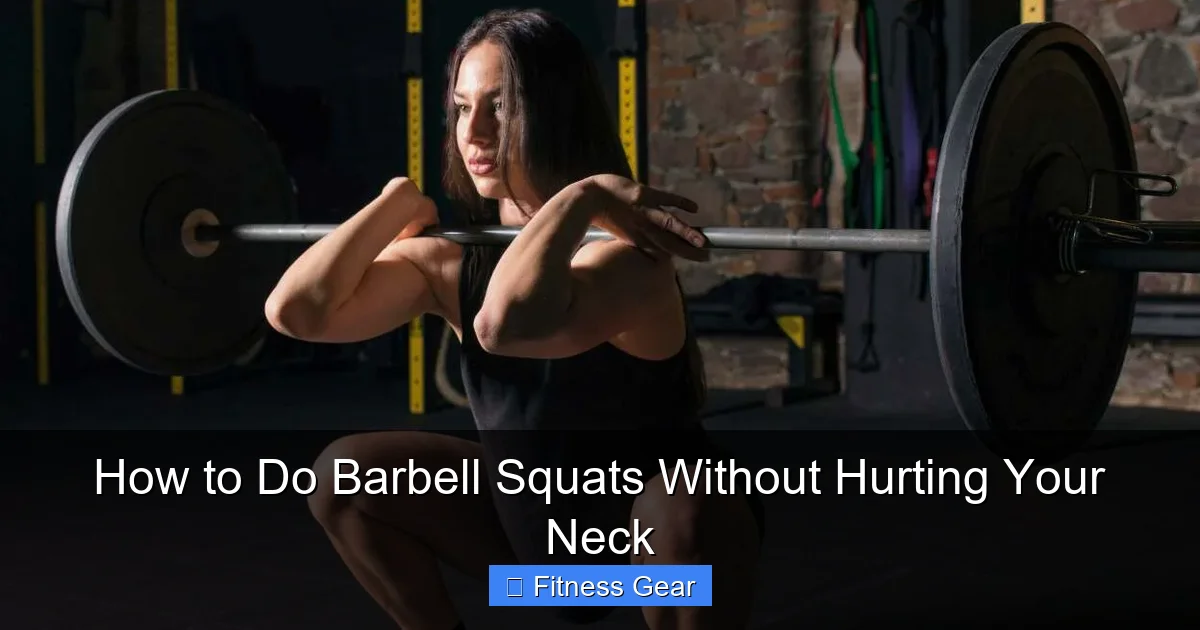
Barbell squats can be a powerhouse move, but a sore neck can ruin the benefits. This guide shows you step‑by‑step how to set up, brace, and execute the lift so your neck stays comfortable and strong. Follow the practical tips and avoid common mistakes for safer, more effective squats.
Key Takeaways
- Proper bar placement matters: Choose a high‑bar or low‑bar position that aligns with your shoulder anatomy to reduce neck strain.
- Neck alignment is crucial: Keep the cervical spine neutral and avoid excessive extension or flexion during the lift.
- Strong upper‑back muscles protect the neck: Build a solid thoracic rack by training rows, face pulls, and scapular retractions.
- Use supportive gear wisely: A well‑fitted squat pad or collar can lessen pressure on the neck without compromising form.
- Warm‑up smartly: Dynamic neck and shoulder mobility drills prepare the cervical spine for the load.
- Progress incrementally: Add weight slowly and listen to your body to keep neck discomfort at bay.
- Know when to stop: Persistent pain signals a technique flaw or injury—seek professional advice immediately.
📑 Table of Contents
- Introduction: Why Your Neck Matters in the Barbell Squat
- 1. Understanding the Anatomy: Neck, Shoulders, and the Bar Path
- 2. Preparing Your Body: Warm‑Up and Mobility Routines
- 3. Choosing the Right Bar Position
- 4. Mastering the Setup: Positioning Your Body Before the Lift
- 5. Executing the Squat: Technique Steps to Protect Your Neck
- 6. Common Mistakes That Lead to Neck Pain—and How to Fix Them
- 7. Complementary Exercises to Strengthen the Neck‑Supporting Muscles
- Conclusion: Squat Strong, Squat Safe, Keep Your Neck Happy
Introduction: Why Your Neck Matters in the Barbell Squat
When you think about barbell squats, the first things that usually come to mind are quads, glutes, and a strong core. Rarely do we focus on the neck, yet many lifters report neck soreness after a heavy set. The truth is simple: the neck is part of the kinetic chain that stabilizes the bar and helps you keep a tight torso.
If you’ve ever felt a twinge in the cervical spine after squatting, you’re not alone. The good news is that with a few adjustments you can keep the bar in place, protect your neck, and still lift heavy. In this article, we’ll walk through the anatomy, the common mistakes, and the step‑by‑step method for how to do barbell squats without hurting your neck. By the end, you’ll have a toolbox of tips you can apply right away.
1. Understanding the Anatomy: Neck, Shoulders, and the Bar Path
1.1 The Cervical Spine Basics
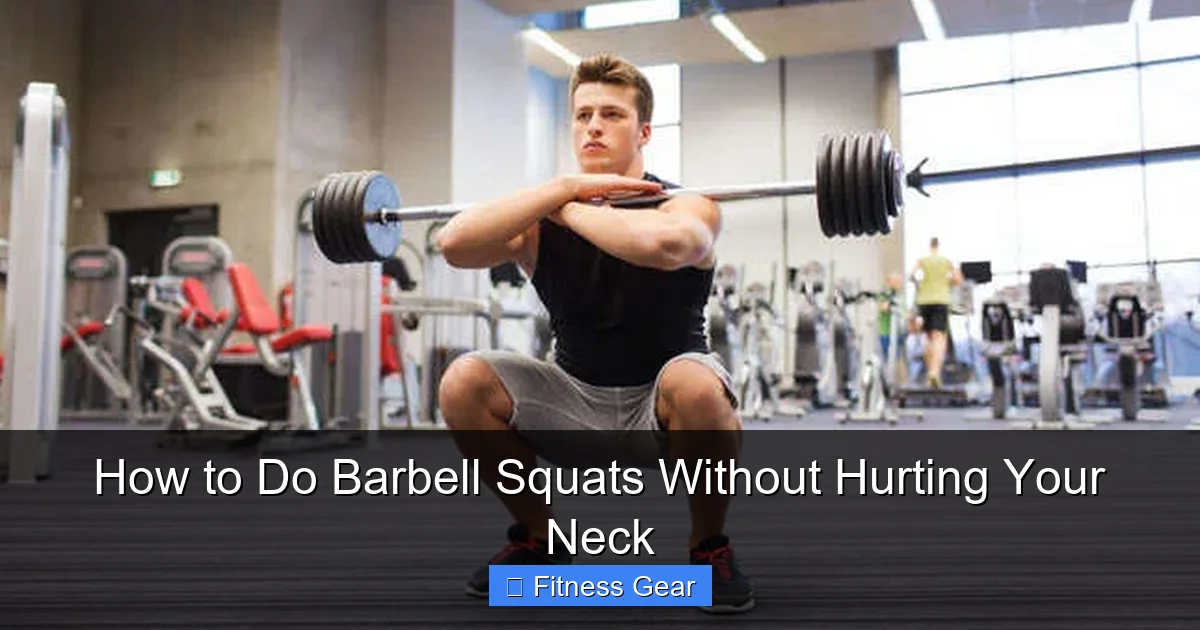
The cervical spine consists of seven vertebrae (C1‑C7) that support the head and allow a wide range of motion. Unlike the thoracic spine, it has a natural lordotic curve (a gentle inward bend). When you squat, the neck should maintain this curve, not flatten or over‑extend.
Visual guide about How to Do Barbell Squats Without Hurting Your Neck
Image source: i.kinja-img.com
1.2 How the Bar Interacts with Your Upper Body
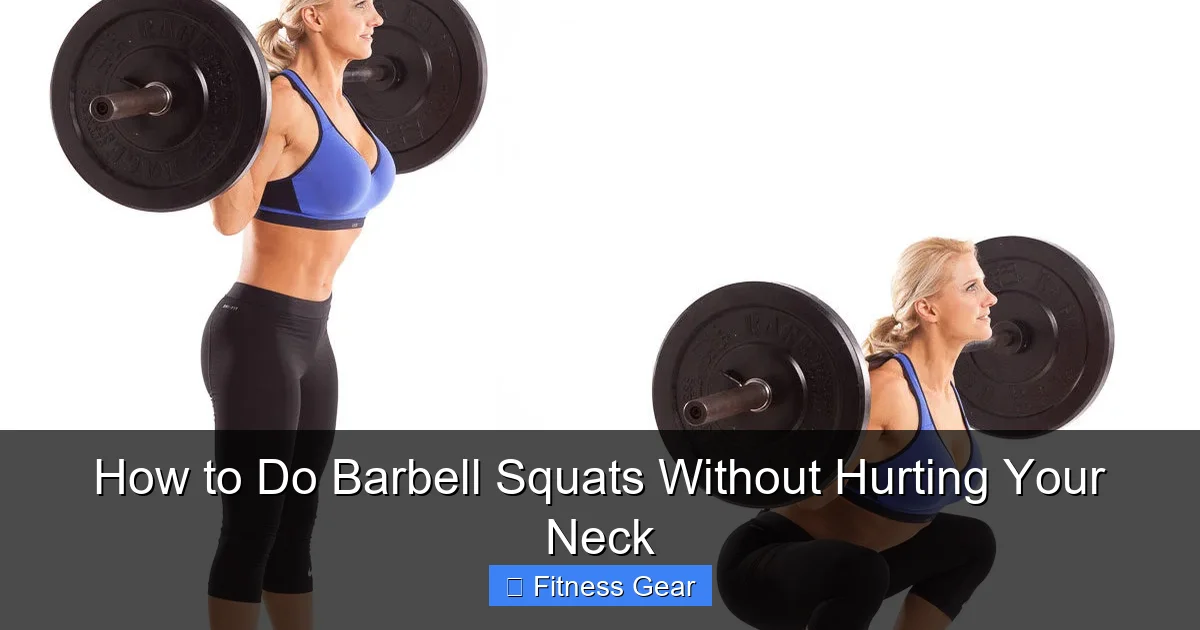
During a squat, the bar rests on either the trapezius (high‑bar) or the rear deltoids and posterior deltoid‑torso junction (low‑bar). Both positions create a “shelf” that the neck helps to stabilize. If the shoulders are weak or the bar sits too high, the neck compensates, leading to strain.
1.3 The Role of the Upper‑Back Muscles
Strong rhomboids, traps, and rear delts create a rigid “rack” for the bar. When these muscles are underdeveloped, the lifter may arch the neck to keep the bar from slipping, which is a recipe for pain.
2. Preparing Your Body: Warm‑Up and Mobility Routines
2.1 Dynamic Neck Warm‑Ups (2‑3 minutes)
- Neck circles: Slowly rotate your head clockwise for 5 reps, then counter‑clockwise.
- Chin tucks: Pull your chin toward your chest, hold 2 seconds, repeat 10 times.
- Side‑to‑side flexion: Tilt ear toward shoulder, hold 2 seconds each side, 10 reps.
2.2 Shoulder and Thoracic Mobility
Open your chest and improve scapular control with band pull‑aparts, face pulls, and thoracic extensions over a foam roller. A mobile thoracic spine reduces the urge to “crank” the neck.
Visual guide about How to Do Barbell Squats Without Hurting Your Neck
Image source: julielohre.com
2.3 Activation Drills for the Upper Back
Before loading the bar, perform 2 sets of 8‑10 reps of banded rows or scapular push‑ups. This primes the muscles that will act as a stable platform for the bar.
3. Choosing the Right Bar Position
3.1 High‑Bar vs. Low‑Bar: Which Is Safer for Your Neck?
High‑bar squats place the bar on the upper traps, requiring a more upright torso. This often feels more natural for lifters with limited shoulder mobility and can reduce neck strain. Low‑bar squats shift the bar lower, demanding a stronger posterior chain but also a tighter upper‑back lock. If you have a history of neck pain, start with high‑bar and only experiment with low‑bar once your upper‑back is solid.

Visual guide about How to Do Barbell Squats Without Hurting Your Neck
Image source: starlinehealthcare.com
3.2 Adjusting the Bar Height
Use the rack’s “J‑hooks” to set the bar at a height where you can comfortably unrack without standing on tip‑toes. A bar that’s too low forces you to lift with a forward head position; too high makes you reach up, extending the neck.
3.3 Using a Squat Pad or Bar Collar
A thin, high‑density squat pad can cushion the bar and reduce pressure on the cervical spine. If you prefer a bar collar, make sure it’s snug but not so tight that it compresses the neck muscles.
4. Mastering the Setup: Positioning Your Body Before the Lift
4.1 Foot Placement
Place your feet shoulder‑width apart or slightly wider, toes pointed 15‑30 degrees outward. This stance allows a natural hip hinge and prevents you from compensating with the neck.
4.2 Creating a Solid “Shelf” with Your Upper Back
- Pull your shoulder blades together (retraction).
- Push your elbows slightly forward (protraction) to lock the bar.
- Take a deep breath, brace your core, and keep the chest up.
Think of your upper back as a shelf; the bar should sit securely without you having to “hold” it with your neck.
4.3 Head Position: The Neutral Gaze
Look straight ahead or slightly upward, keeping the cervical spine in its natural curve. Avoid looking down at the floor or excessively upward at the ceiling—both create neck flexion or extension.
5. Executing the Squat: Technique Steps to Protect Your Neck
5.1 The Descent (Eccentric Phase)
- Initiate the movement by pushing the hips back, as if sitting into a chair.
- Keep the knees tracking over the toes.
- Maintain the neutral neck position; imagine a string pulling the crown of your head toward the ceiling.
5.2 The Bottom Position
Aim for a depth where your hip crease is below the top of your knee (parallel or deeper) while still preserving a neutral spine. If you feel your neck starting to round, pause, reset your upper‑back tension, and rise.
5.3 The Ascent (Concentric Phase)
- Drive through the heels and mid‑foot.
- Extend the hips and knees simultaneously.
- Keep the chest up and the neck neutral; avoid “chewing” on the bar.
5.4 Breathing and Bracing
Inhale deep into the belly (diaphragmatic breath) before you descend, hold the breath (Valsalva) while you pass the sticking point, then exhale as you finish the ascent. This intra‑abdominal pressure also supports the cervical spine.
6. Common Mistakes That Lead to Neck Pain—and How to Fix Them
6.1 Over‑Extending the Neck (“Looking Up” Too Much)
Solution: Place a small mirror or a piece of tape on the wall at eye level. Train yourself to keep the gaze forward.
6.2 Letting the Bar Roll Forward
Solution: Strengthen the upper back with rows and reverse flyes. Practice “pause squats” on a box to reinforce the shelf.
6.3 Using Too Much Weight Too Soon
Solution: Follow the “2‑2‑2 rule”: increase load by no more than 2 kg (5 lb) per session for the first two weeks, then reassess.
6.4 Poor Rack Height
Solution: Adjust the J‑hooks so you can step into the squat without hopping. The bar should be at mid‑chest height for high‑bar, slightly lower for low‑bar.
6.5 Ignoring Neck Mobility Restrictions
Solution: Incorporate nightly neck stretches (e.g., doorway pec stretch, thoracic rotations) to maintain range of motion.
7. Complementary Exercises to Strengthen the Neck‑Supporting Muscles
7.1 Face Pulls
3 sets of 12‑15 reps with a rope attachment. Emphasize external rotation to build rear‑deltoid and upper‑trap strength.
7.2 Scapular Pull‑Ups
Hang from a bar, keep arms straight, and pull shoulder blades down and together. 3 × 10 reps improves scapular stability.
7.3 Farmer’s Walks
Carry heavy dumbbells or kettlebells for 30‑60 seconds. This trains core rigidity and upper‑back tension, indirectly supporting the neck.
7.4 Neck Isometrics (Advanced)
If you have no existing neck issues, perform gentle isometric holds: press your forehead into your hands for 5 seconds, then release. Do 3 sets each direction.
Conclusion: Squat Strong, Squat Safe, Keep Your Neck Happy
Barbell squats are a cornerstone of strength training, but they don’t have to come with neck pain. By understanding the anatomy, warming up properly, selecting the right bar position, and mastering a neutral‑neck technique, you can lift heavier and feel better. Remember to progress gradually, listen to your body, and incorporate supportive exercises into your routine.
Apply the steps outlined in this guide the next time you load the bar, and you’ll discover a smoother, more comfortable squat experience. Your neck will thank you, and your gains will keep climbing.
Frequently Asked Questions
Can I use a neck brace while squatting?
A neck brace can provide temporary support, but it may also limit natural movement and weaken surrounding muscles. Focus on proper technique first; use a brace only if recommended by a medical professional.
Is a low‑bar squat more risky for the neck than a high‑bar squat?
Low‑bar squats place the bar lower, requiring a tighter upper‑back lock, which can increase neck tension if the back isn’t strong enough. Beginners often find high‑bar safer for neck health.
How often should I train my upper back to protect my neck?
Include upper‑back work 2‑3 times per week, mixing pulling movements (rows, pull‑ups) with face pulls and scapular drills. Consistency builds the shelf that shields the neck.
What if I still feel pain after fixing my form?
Persistent pain may indicate an underlying issue such as a cervical disc problem or muscle strain. Stop squatting and consult a physical therapist or physician for evaluation.
Do foam rollers help with neck pain from squats?
Foam rolling the thoracic spine and upper traps can relieve tension that pulls on the neck. Avoid direct neck rolling; focus on surrounding areas to improve overall posture.
Can I squat with a safety bar instead of a straight bar to protect my neck?
A safety (cambered) bar shifts the load forward and can reduce stress on the cervical spine for some lifters. Try it with lighter weight first to see if it feels more comfortable.