How to Do a Back Row with Dumbbells
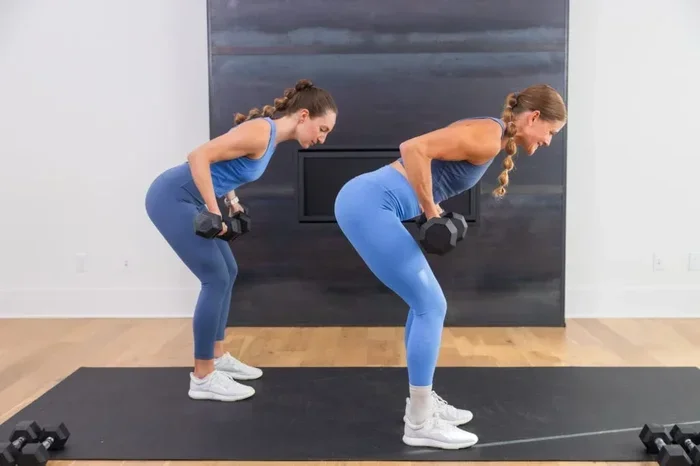
How To Do A Back Row With Dumbbells is an essential topic that provides valuable insights.
Key Takeaways
- Targeted Muscles: The back row with dumbbells primarily works your lats, rhomboids, traps, and rear delts, with secondary engagement of your biceps, forearms, and core.
- Simple Setup: You only need a pair of dumbbells and a flat surface to perform this exercise anywhere.
- Proper Form Is Key: Keep your back straight, core tight, and shoulders down throughout every rep to avoid injury and maximize results.
- Multiple Variations Exist: Try single-arm, two-arm, renegade, or chest-supported rows to target your back from different angles.
- Common Mistakes to Avoid: Do not round your back, use momentum, shrug your shoulders, or rotate your torso during the movement.
- Scales for All Levels: Beginners can start light and progress to heavier weights and advanced variations over time.
- Consistency Wins: Train your back at least twice a week with controlled reps and gradual weight increases for the best results.
📑 Table of Contents
- What Is a Back Row with Dumbbells?
- Muscles You Will Work
- How to Do a Back Row with Dumbbells: Step-by-Step
- Common Mistakes to Avoid
- Variations of the Back Row with Dumbbells
- Benefits of the Back Row with Dumbbells
- Tips for Getting the Most Out of Your Rows
- How to Program the Back Row with Dumbbells
- Conclusion
What Is a Back Row with Dumbbells?
A back row with dumbbells is a pulling exercise where you lift a dumbbell toward your torso while bent over. It works several muscles in your upper and mid-back. The movement is a type of compound exercise, meaning it hits multiple muscle groups at once. You can do it with one arm at a time or both arms together.
This exercise is popular because it is easy to learn and highly effective. You do not need a bench or a machine. A flat surface and a pair of dumbbells are enough. The back row with dumbbells fits into almost any workout plan, from full-body routines to split routines focused on the upper body.
There are many ways to perform the dumbbell row. Each version targets slightly different muscles or shifts the emphasis. But the core movement stays the same. You pull the weight toward your hip while keeping your back straight and your core tight.
Why the Dumbbell Row Matters
Rows are essential for building a balanced physique. Most people push too much and pull too little. The back row with dumbbells fixes that imbalance. It strengthens the muscles you use every day for pulling, lifting, and carrying. Strong back muscles also protect your spine and improve your overall posture.
Muscles You Will Work
The back row with dumbbells hits several key muscle groups. Understanding which muscles work helps you train smarter. Here is a breakdown of the main muscles involved.
Primary Muscles
- Latissimus Dorsi (Lats): These are the large muscles on the sides of your back. They give your back its width and power during each pull.
- Rhomboids: Located between your shoulder blades, these muscles help pull your shoulders back. They are key for good posture.
- Trapezius (Upper and Mid): The traps run along your neck and upper back. They stabilize your shoulders during the row.
- Rear Deltoids: The back part of your shoulders gets worked as you pull the dumbbell up. This helps build rounder, fuller shoulders.
Secondary Muscles
- Biceps: Your arms help pull the weight. The biceps get a good workout as a secondary mover.
- Forearms: Your grip holds the dumbbell throughout the movement. This builds forearm endurance and strength.
- Erector Spinae: These muscles run along your spine. They keep your back straight and stable during the exercise.
- Core Muscles: Your abs and obliques work hard to keep your torso steady. This adds a bonus core benefit.
If you want to target the smaller muscles around your shoulder blades, you can also explore how to train teres minor and major with dumbbells for more focused work on the rotator cuff area.
How to Do a Back Row with Dumbbells: Step-by-Step
Proper form is the most important part of the back row with dumbbells. Bad form leads to injury and poor results. Follow these steps carefully to get the most out of every rep.
Step 1: Set Up Your Position
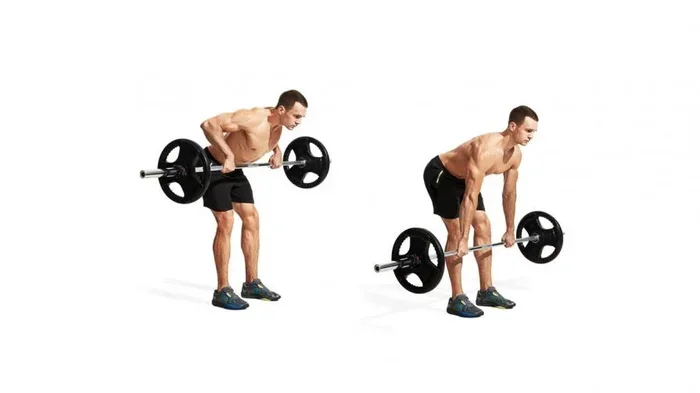
Stand with your feet shoulder-width apart. Hold a dumbbell in each hand. Hinge at your hips and bend your knees slightly. Your torso should be parallel to the floor or just slightly above. Keep your back straight and your chest up. Look at the floor a few feet in front of you. This is your starting position.
Step 2: Initiate the Pull
Without moving your torso, pull the dumbbells toward your hips. Lead with your elbows. Squeeze your shoulder blades together at the top of the movement. Think about trying to touch your elbow to the ceiling. Hold the squeeze for one second at the top.
Step 3: Lower the Weight Slowly
Extend your arms fully and lower the dumbbells back to the starting position. Control the weight on the way down. Do not let gravity pull the dumbbells quickly. A slow negative increases muscle time under tension. This leads to better growth and strength gains.
Step 4: Repeat for Reps
Perform 10 to 15 reps for 3 to 4 sets. Rest 60 to 90 seconds between sets. Focus on feeling your back muscles work, not your arms. If your arms are burning before your back, the weight is too light or your mind-muscle connection needs work.
Quick Tip: If you are new to this movement, start with a lighter weight. Master the form first. You can always add more weight later. The back row with dumbbells rewards patience and consistency.
Breathing During the Row
Breathe out as you pull the dumbbell up. Breathe in as you lower it. Never hold your breath. Proper breathing keeps your core stable and your energy steady throughout the set.
Common Mistakes to Avoid
Even simple exercises have common errors. The back row with dumbbells is no different. Here are the mistakes to watch out for.
Mistake 1: Rounding Your Back
Rounding your back puts pressure on your spine. Keep your torso flat and your core tight throughout the movement. If your back starts to round, stop and rest. It is better to do fewer reps with good form than more reps with bad form.
Mistake 2: Using Momentum
Swinging the dumbbell or using your body to pull the weight up takes the work away from your back. Control every rep. If you need to swing to finish a set, the weight is too heavy.
Mistake 3: Shrugging Your Shoulders
Lifting your shoulders toward your ears shifts the work to your traps and away from your lats. Keep your shoulders down and back. Focus on squeezing your shoulder blades together, not lifting them up.
Mistake 4: Rotating Your Torso
Twisting your body during the row shifts the load unevenly. Keep your hips and shoulders square. Move only at the elbow joint. Your torso should stay still like a plank.
Mistake 5: Partial Reps
Only pulling the dumbbell halfway shortchanges your muscles. Go through the full range of motion. Fully extend at the bottom and fully squeeze at the top. Complete reps give you the best results.
Doing back rows with dumbbells with clean form also supports your overall posture and can complement efforts to get rid of back fat with dumbbells by building the muscle underneath for a tighter, stronger appearance.
Variations of the Back Row with Dumbbells
Once you master the basic form, you can try different variations. Each one adds a new challenge or shifts the focus slightly.
Single-Arm Dumbbell Row
This is the most popular variation. You row one arm at a time. Place one hand and one knee on a bench for support. This allows you to use more weight and focus on each side independently. It is great for fixing strength imbalances between your left and right sides.
Two-Arm Dumbbell Row
You hold a dumbbell in each hand and row both arms together. This version works both sides of your back simultaneously. It is a great warm-up or finisher. Use lighter weight and focus on the squeeze at the top.
Renegade Row
This is a challenging full-body exercise. You start in a push-up position with your hands on the dumbbells. Row one dumbbell up while stabilizing your body. Then switch sides. This builds core strength, balance, and back muscle all at once.
Chest-Supported Dumbbell Row
You set an incline bench to about 30 to 45 degrees. Lie your chest against the bench and row the dumbbells. This removes your lower back from the equation. It is a great option if you have lower back issues or want to isolate your back muscles more purely.
For a broader understanding of pulling movements, you can also explore how to do a bent over row with dumbbells which covers a closely related technique with additional angles and tips.
Benefits of the Back Row with Dumbbells
The back row with dumbbells offers many benefits beyond just building muscle. Here is why you should make it a regular part of your routine.
1. Builds a Wider, Stronger Back
Rows are one of the best exercises for adding width to your back. The back row with dumbbells targets the lats and upper back. Over time, your back will look fuller and more defined. You will also notice real strength gains in daily activities.
2. Improves Posture
Most people sit at desks all day. This tightens the chest and weakens the back. Rows counteract that imbalance. Strengthening your upper back pulls your shoulders back. You stand taller and feel more confident.
3. Increases Grip Strength
Holding dumbbells during rows builds your grip. Strong grip strength helps in other exercises like deadlifts and pull-ups. It also carries over into real-life tasks like carrying groceries or opening jars.
4. Enhances Core Stability
Your core works hard to keep your torso stable during the row. This builds functional core strength without doing extra ab work. A strong core protects your spine and improves athletic performance.
5. Works Multiple Muscles at Once
The back row with dumbbells is a compound movement. It saves time by hitting your back, shoulders, arms, and core in one exercise. This makes it efficient for people with busy schedules.
6. Scales Easily for All Fitness Levels
You can adjust the weight to match your strength level. Beginners start light and progress over time. Advanced lifters can add variations or increase the load. The dumbbell row grows with you.
Tips for Getting the Most Out of Your Rows
Here are practical tips to boost your back row with dumbbells performance and results.
- Focus on the mind-muscle connection. Think about your back muscles working, not your arms. Visualize squeezing your shoulder blades together with each rep.
- Use a slow and controlled tempo. Take 2 to 3 seconds on the pull and 2 to 3 seconds on the release. This maximizes muscle tension and growth.
- Train your back twice a week. For best results, include rows in your routine at least two times per week. Give your muscles 48 hours of rest between sessions.
- Pair rows with pushing exercises. Do a row right after a push-up or bench press. This creates a balanced workout for your chest and back.
- Progress gradually. Add weight or reps each week. Small, consistent increases lead to big gains over time.
- Warm up your back first. Do light stretches or band pull-aparts before you start rowing. This prepares your muscles and reduces injury risk.
- Consider shoulder health. If you want extra shoulder work alongside your rows, check out shoulder shrugs with dumbbells for additional rear delt and trap development.
Expert Insight: Many lifters make the mistake of choosing too much weight on rows. This leads to cheating and poor form. Pick a weight where you can complete all reps with clean technique. Your back muscles should feel the burn, not your lower back or arms.
How to Program the Back Row with Dumbbells
Knowing how to include the back row with dumbbells in your routine is just as important as doing the exercise correctly. Here are a few ways to add it to your weekly plan.
Full-Body Routine
Include 3 sets of 12 reps at the end of your full-body workout. This hits your back after compound movements like squats and deadlifts. It works well as a finisher because you can use moderate weight and focus on form.
Upper/Lower Split
Place the dumbbell row in your upper body day. Do 4 sets of 10 reps. Pair it with bench presses and shoulder presses. This creates a balanced push-pull workout for your upper body.
Push-Pull-Legs Split
Rows belong in your pull day. Combine them with pull-ups, lat pulldowns, and face pulls. Do 3 to 4 sets of 8 to 12 reps. This gives your back plenty of volume for growth.
Conclusion
The back row with dumbbells is a simple, effective, and essential exercise for anyone who wants a stronger back. It builds muscle, improves posture, and enhances overall functional strength. You do not need a gym membership or expensive equipment. A pair of dumbbells and the right form are all you need.
Start with the basic two-arm or single-arm row. Master the technique. Then explore the variations to keep challenging yourself. Focus on form over weight. Progress slowly and consistently. Your back will thank you for it.
Add the dumbbell row to your routine this week. You will feel the difference in your posture, strength, and confidence. The back row with dumbbells is a movement that delivers real results. Give it the attention it deserves and watch your back transform.
Frequently Asked Questions
What weight should I use for the back row with dumbbells?
Start with a weight you can control for 10 to 15 reps with perfect form. As you get stronger, increase the weight gradually. The right weight challenges your muscles without compromising your technique.
Can I do the back row with dumbbells every day?
It is best to give your back muscles 48 hours of rest between sessions. Training them twice a week is ideal for most people. Daily training can lead to overuse injuries and stalled progress.
Is the single-arm dumbbell row better than the two-arm version?
Both have their benefits. The single-arm row lets you focus on each side independently and use more weight. The two-arm row is great for warming up and hitting both sides at once. Try both and see what works best for your goals.
How does the back row with dumbbells compare to barbell rows?
Dumbbell rows allow a greater range of motion and reduce spinal compression. Barbell rows let you lift heavier weight overall. Both are excellent exercises. Dumbbells are often safer and better for beginners, while barbells suit more advanced lifters.
Can the dumbbell row help with back fat?
Exercise alone does not spot-reduce fat. However, the back row with dumbbells builds muscle underneath, which can improve the appearance of your back over time. Pair it with a healthy diet and overall fat loss plan for the best results.
What is the best time to do dumbbell rows in my workout?
Place rows in the middle or back of your workout. They work best after your compound lifts but before isolation exercises. This ensures your back muscles are fresh enough for proper form while still being pre-activated from earlier movements.