How to Cook Cornish Hens Perfectly Every Single Time
Learn how to cook cornish hens perfectly every single time with this complete, foolproof guide. You will discover the best techniques for preparing, seasoning, and roasting these small whole birds so they come out juicy and full of flavor. Whether you are cooking for a special dinner or a cozy weeknight meal, this cornish hen recipe will give you amazing results every time.
Cornish hens are one of the most elegant and delicious proteins you can prepare at home. They are small, tender, and incredibly easy to cook. Many people think these little birds are only for fancy dinners or holiday meals. But the truth is, you can make them any night of the week.
In this guide, we will walk you through everything you need to know about how to cook cornish hens perfectly. From selecting the best birds at the store to choosing the right cooking method, we have got you covered. By the end, you will feel confident enough to make roasted cornish hens like a professional chef.
The best part? Cooking cornish hens is much simpler than most people think. These birds cook faster than a full-sized chicken, which makes them perfect for busy weeknights. They also look impressive on the plate, so you get the wow factor without the stress.
Key Takeaways
- Pick the right size birds: Choose cornish hens that are 1 to 2 pounds each for the best cooking results and even heat distribution.
- Dry brine for juiciness: Salting your hens ahead of time helps them stay moist and flavorful throughout the cooking process.
- Roast at high heat: Cooking at 425 to 450 degrees Fahrenheit gives you crispy skin and tender meat every time.
- Use a meat thermometer: The internal temperature should reach 165 degrees Fahrenheit in the thickest part of the thigh.
- Rest before serving: Letting the hens rest for 10 minutes after cooking keeps the juices locked inside the meat.
- Pair with simple sides: Roasted vegetables, garlic mashed potatoes, and fresh salads complement cornish hens beautifully.
📑 Table of Contents
What Are Cornish Hens and Why Cook Them?
A Cornish hen is a small young chicken, typically weighing between 1 and 2 pounds. Despite the name, they are not actually from Cornwall. They are a crossbreed developed in the United States. The small size makes them perfect for individual servings, which is why many people love serving them for dinner parties.
One of the biggest advantages of whole cornish hens is the cooking time. Because they are so small, they cook much faster than a regular chicken. A whole Cornish hen takes about 45 to 60 minutes in the oven, while a full chicken can take over an hour and a half. This makes them ideal for weeknight dinners when you want something special without spending all evening in the kitchen.
Cornish hens also have a delicate, tender texture that many people prefer over larger chickens. The meat is lean but juicy when cooked properly. Their small bones add flavor to the dish, especially when you roast them with herbs and butter.
Why Choose Cornish Hens Over Regular Chicken
There are several reasons to choose Cornish hens for dinner over a standard chicken. First, they are perfect for portion control. Each bird serves one person, so there is no need to carve and share. This makes plating easy and elegant.
Second, they cook faster, which saves energy and time. Third, they look stunning as a presentation piece. When you place a golden, crispy Cornish hen on a plate with a sprig of rosemary, it instantly feels like a restaurant-quality meal.
How to Prepare Cornish Hens for Cooking
Proper preparation is the secret to amazing cornish hen recipes. Taking a few extra minutes before cooking makes a huge difference in the final result. Follow these steps to get your birds ready.
Selecting the Best Cornish Hens
When you shop for Cornish hens, look for birds that are plump and have smooth, unbroken skin. The skin should be a pale pinkish-white color with no dark spots. Choose birds that feel firm to the touch, not soft or slimy. A fresh Cornish hen should have a mild, clean smell.
For the best results, buy birds that are about 1 to 1.5 pounds each. Birds that are too large may not cook evenly, while birds that are too small can dry out quickly. If you are cooking for two people, one bird per person is the perfect portion size.
Thawing Frozen Cornish Hens
If you buy frozen Cornish hens, you need to thaw them properly. The safest method is to place them in the refrigerator 24 hours before you plan to cook. This slow thaw keeps the meat safe and maintains its quality.
You can also thaw them in cold water if you are short on time. Put the hens in a sealed plastic bag and submerge them in cold water. Change the water every 30 minutes. A frozen hen usually thaws in about 2 to 3 hours using this method.
Prepping the Birds
Once your hens are thawed, remove the giblets and neck from the cavity. Rinse the birds inside and out under cold running water. Pat them dry thoroughly with paper towels. This step is important because dry skin crisps up much better in the oven.
After drying, you can leave the hens whole or spatchcock them for faster, more even cooking. To spatchcock a Cornish hen, use kitchen shears to cut along both sides of the backbone. Press down on the breastbone to flatten the bird. This technique reduces cooking time by about 10 to 15 minutes.
Best Cooking Methods for Cornish Hens
There are several ways to cook Cornish hens, and each method brings out different flavors and textures. Let us explore the most popular techniques so you can choose the one that works best for you.
Roasting Cornish Hens in the Oven
Roasting is the most classic and popular way to cook Cornish hens. It is simple, hands-off, and produces beautifully crispy skin. To roast Cornish hens, preheat your oven to 425 degrees Fahrenheit.
Place the prepared hens in a baking dish or roasting pan. Add a small amount of liquid to the bottom of the pan, such as chicken broth or white wine. This creates steam that keeps the meat moist. Roast for 45 to 60 minutes, or until the skin is golden brown and crispy.
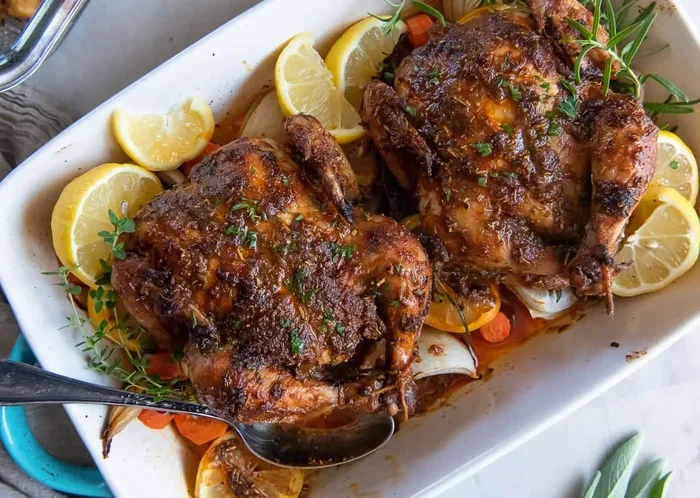
For extra flavor, stuff the cavity with lemon halves, garlic cloves, and fresh herbs like thyme and rosemary. The herbs infuse the meat with a wonderful aroma as the hens roast. Baste the birds with pan juices every 15 minutes for the best results.
Grilling Cornish Hens
Grilled Cornish hens have a smoky, charred flavor that is absolutely delicious. To grill them, preheat your grill to medium-high heat, around 400 to 450 degrees. Make sure the grates are clean and lightly oiled to prevent sticking.
Grill the hens breast-side down first for about 10 minutes. Then flip them over and cook for another 10 to 15 minutes per side. The total cooking time is usually around 30 to 45 minutes depending on the size of the bird. Keep the grill lid closed as much as possible to maintain consistent heat.
Grilling cornish hens works especially well when you marinate them first. A simple marinade of olive oil, lemon juice, garlic, and herbs adds incredible flavor. Just make sure to pat the hens dry before placing them on the grill for the best sear.
Pan-Searing and Finishing in the Oven
This method gives you crispy skin on the stovetop and perfectly cooked meat in the oven. Start by heating a cast-iron skillet over medium-high heat with a tablespoon of oil. Sear the Cornish hens breast-side down for about 5 minutes until the skin turns golden brown and crispy.
Then transfer the skillet to a preheated oven at 400 degrees Fahrenheit. Finish cooking for about 20 to 25 minutes. This two-step method produces restaurant-quality skin with tender, juicy meat inside.
Seasoning and Flavor Ideas for Cornish Hens
One of the best things about cooking cornish hens is that they pair beautifully with so many different flavors. You can keep it simple or go bold with your seasoning. Here are some ideas to get you started.
Classic Herb Butter
The most popular way to season Cornish hens is with herb butter. Mix softened butter with minced garlic, fresh parsley, thyme, rosemary, and a pinch of salt and pepper. Gently loosen the skin over the breast and spread the butter directly onto the meat. Rub the remaining herb butter all over the outside of the bird.
This method adds incredible richness and flavor. The butter bastes the meat as it cooks, keeping it juicy and tender. The herbs create a beautiful aroma that fills your kitchen with a wonderful smell.
Lemon and Garlic
For a lighter, brighter flavor, try a lemon and garlic seasoning. Combine olive oil, fresh lemon juice, minced garlic, salt, and black pepper. Marinate the hens for at least 30 minutes, or up to overnight in the refrigerator for the best flavor.
Roast the hens as usual, and place lemon slices inside the cavity. The citrus cuts through the richness of the meat and adds a refreshing brightness to every bite. This combination works especially well with grilled Cornish hens.
Asian-Inspired Flavors
If you want to try something different, go for an Asian-inspired marinade. Mix soy sauce, sesame oil, rice vinegar, honey, ginger, and garlic. Marinate the hens for at least 2 hours before cooking. This creates a savory, slightly sweet flavor profile that is completely different from traditional herb-roasted hens.
Brush the marinade on the hens during the last 10 minutes of cooking for a beautiful glaze. Garnish with sesame seeds and sliced green onions for a stunning presentation.
How to Know When Cornish Hens Are Done
Cooking time can vary depending on the size of your birds and the method you use. But the most reliable way to check for doneness is with a meat thermometer.
The cornish hen internal temperature should reach 165 degrees Fahrenheit in the thickest part of the thigh. Insert the thermometer into the meat, avoiding the bone, for an accurate reading. The juices should run clear when you cut between the leg and the body.
If you do not have a meat thermometer, you can check by piercing the thigh with a fork. The juices should flow clear, not pink. The leg should also move freely in the socket when the bird is fully cooked.
How long to cook cornish hens depends on several factors. A whole, unstuffed hen at 425 degrees usually takes 45 to 60 minutes. Spatchcocked hens cook faster, around 35 to 45 minutes. Always let the hens rest for at least 10 minutes after cooking. This allows the juices to redistribute, making the meat even more tender and flavorful.
Common Mistakes to Avoid
One of the biggest mistakes people make is overcooking Cornish hens. Because they are small, they can go from perfectly done to dry very quickly. Always use a meat thermometer and pull the birds out as soon as they reach 165 degrees.
Another mistake is skipping the drying step. If the skin is wet before roasting, it will not crisp up properly. Always pat the hens completely dry with paper towels before seasoning and cooking.
Do not skip the resting period either. Cutting into the hens immediately after cooking lets all the juices escape, leaving the meat dry and less flavorful. Give them 10 minutes of rest, and you will notice a big difference in texture.
Serving Suggestions and Side Dishes
Cornish hens for dinner pair wonderfully with a variety of side dishes. Because the birds are small and elegant, you want sides that complement without overwhelming them. Here are some great options.
Roasted vegetables are a natural pairing. Toss carrots, potatoes, Brussels sprouts, or asparagus with olive oil, salt, and pepper, and roast them in the same oven while the hens cook. The vegetables soak up the drippings and develop incredible flavor.
Garlic mashed potatoes are another classic choice. The creamy, buttery potatoes balance the crispy, savory skin of the hens perfectly. For something lighter, try a fresh garden salad with a simple vinaigrette.
Rice pilaf or wild rice also makes an excellent base for serving Cornish hens. The nutty flavor of wild rice complements the tender meat beautifully. You can also serve the hens over a bed of warm couscous or quinoa for a quick and healthy option.
For a special touch, garnish the plate with fresh herbs like parsley or thyme. A drizzle of pan jus or lemon butter sauce adds a restaurant-quality finish to your homemade meal.
Storing and Reheating Leftover Cornish Hens
If you have leftovers, store them properly to enjoy them later. Place cooked Cornish hens in an airtight container and refrigerate within two hours. They will keep in the fridge for up to three days.
To reheat, use the oven or a skillet rather than the microwave. The microwave can make the skin soggy and the meat rubbery. Reheat in the oven at 325 degrees for about 15 to 20 minutes, or until warmed through. A skillet on medium-low heat also works well for reheating individual portions.
You can also shred leftover Cornish hen meat and use it in salads, sandwiches, or soups. The tender meat rehydrates beautifully when added to broth-based dishes. This is a great way to get a second meal out of your original dinner.
Learning how to cook cornish hens opens up a world of delicious and elegant meal options. These small birds are forgiving, flavorful, and perfect for almost any occasion. With the right preparation and cooking technique, you will achieve juicy, crispy results every single time. Start with the basics, experiment with different seasonings, and soon you will have a signature cornish hen recipe that your whole family loves.
The beauty of Cornish hens is that they are simple enough for a Tuesday dinner yet impressive enough for a dinner party. Once you master the basic roasting method, you can get creative with flavors and presentations. Try new herb combinations, experiment with different marinades, and discover what you enjoy most.
Remember to always use a meat thermometer, let your hens rest before serving, and pair them with sides that complement their delicate flavor. Follow these tips, and you will be cooking perfect Cornish hens like a pro in no time.
Frequently Asked Questions
What is the best way to cook Cornish hens?
Roasting in the oven is the most popular and reliable method. Preheat your oven to 425 degrees Fahrenheit, season the hens well, and roast for 45 to 60 minutes. This method gives you crispy skin and juicy meat with minimal effort.
How long does it take to cook a Cornish hen?
A whole Cornish hen typically takes 45 to 60 minutes at 425 degrees Fahrenheit. Smaller birds may be done in 40 minutes, while larger ones might need up to 70 minutes. Always use a meat thermometer to check for doneness.
Should I cover Cornish hens while roasting?
No, you should roast Cornish hens uncovered. This allows the skin to crisp up and turn golden brown. Covering them traps steam and prevents the skin from getting crispy, which is one of the best parts of the dish.
Can I freeze cooked Cornish hens?
Yes, you can freeze cooked Cornish hens. Let them cool completely, then wrap them tightly in plastic wrap and foil or place them in an airtight freezer bag. They will keep in the freezer for up to three months. Reheat in the oven for the best results.
What temperature should Cornish hens reach inside?
The internal temperature of Cornish hens should reach 165 degrees Fahrenheit in the thickest part of the thigh. This is the safe temperature recommended by food safety guidelines. Always check with a meat thermometer for accuracy.
Can I stuff Cornish hens before cooking?
Yes, you can stuff Cornish hens for extra flavor. Popular stuffing options include lemon halves, garlic cloves, fresh herbs, and butter. Just keep in mind that stuffing may add a few extra minutes to the cooking time.
=== CONCLUSION ===
How to cook cornish hens is a skill that anyone can learn with a little practice. These small, tender birds are perfect for elegant dinners, family meals, or special occasions. Follow the preparation steps, choose your favorite cooking method, and season them well for the best results.
Remember to use a meat thermometer, let the hens rest before serving, and pair them with delicious sides. Whether you prefer classic herb-roasted hens or something more adventurous like a lemon garlic or Asian-inspired flavor, Cornish hens will never disappoint. Start cooking today and enjoy the wonderful taste of perfectly prepared Cornish hens at home.