How to Cook a Filet Mignon in Oven for Juicy Results
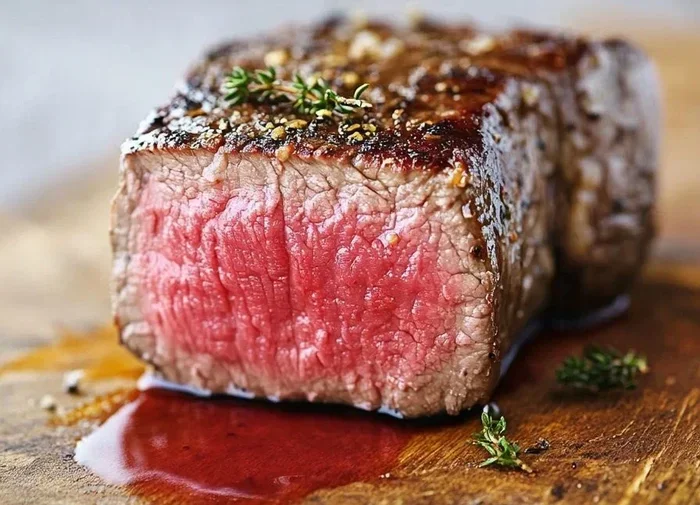
Cooking a filet mignon in the oven is easier than you think, and the results are restaurant-quality every time. This guide walks you through everything from choosing the right cut to pulling it off the heat at the perfect moment. You will learn how to cook a filet mignon in oven using simple tools and proven techniques that guarantee a juicy, tender steak. Whether you are a beginner or a seasoned home cook, these steps will elevate your beef cooking game.
Key Takeaways
- Room temperature matters: Always let your filet mignon sit out for 30 to 45 minutes before cooking for even heat distribution.
- Sear first, then oven finish: The sear-and-finish method creates a beautiful crust while keeping the inside perfectly pink.
- Use a meat thermometer: Internal temperature is the most reliable way to hit your desired level of doneness every single time.
- Rest your steak: Letting the filet mignon rest for 5 to 10 minutes after cooking keeps all those juices locked inside.
- Quality ingredients make a difference: Use good butter, fresh herbs, and a hot oven-safe skillet for the best results.
- Timing is flexible: Adjust cooking times based on steak thickness and your preferred level of doneness.
📑 Table of Contents
- Why Oven-Cooked Filet Mignon Is Worth Every Effort
- What You Need Before You Start
- Step-by-Step Guide to Cooking Filet Mignon in the Oven
- Perfecting the Sear and Oven Finish
- How to Know When Your Filet Mignon Is Done
- Serving and Pairing Your Filet Mignon
- Common Mistakes to Avoid
- Expert Tips for Restaurant-Quality Steak at Home
- Quick Tips for Perfect Filet Mignon
- Conclusion
Why Oven-Cooked Filet Mignon Is Worth Every Effort
Few things in the kitchen feel as special as a perfectly cooked filet mignon. This cut of beef is known for being tender, lean, and incredibly flavorful. When you learn how to cook a filet mignon in oven, you open the door to restaurant-quality meals right in your own home.
The oven method works so well because it gives you control. You get a gorgeous, caramelized crust from a hot skillet and then a gentle, even cook in the oven. This sear-and-finish approach is the secret that steakhouses have used for decades. The best part? You do not need fancy equipment or years of experience to pull it off.
Many people think cooking a thick steak is intimidating. But once you understand the basics of oven-baked steak, you will wonder why you ever ordered out. This guide breaks everything down into simple, actionable steps. By the end, you will feel confident enough to make this dish for guests, date night, or a well-deserved treat for yourself.
The Appeal of Beef Tenderloin
Filet mignon comes from the beef tenderloin, which is the most tender cut of beef available. It is naturally low in fat, which means it cooks faster than fattier steaks like ribeye or strip loin. This also means it can dry out quickly if you are not careful. That is exactly why the oven method is so valuable. It lets you cook the steak gently after getting a great sear, reducing the risk of overcooking.
If you are following a high-protein diet or training hard, maybe you are focused on meals like those in how to get in shape on a treadmill routines. Filet mignon is an excellent protein source that fits perfectly into an active lifestyle. It provides essential nutrients without excess fat, making it a smart choice for health-conscious eaters who still want flavor.
What You Need Before You Start
Before you begin, gather everything you need. Having your tools and ingredients ready makes the whole process smoother and more enjoyable. Here is your checklist.
Equipment
- Oven-safe skillet: A cast iron skillet is the gold standard. It holds heat beautifully and creates an even sear.
- Meat thermometer: This is the single most important tool for cooking steak. It removes all the guesswork.
- Tongs: You will use these to flip the steak without piercing it.
- Aluminum foil: This helps you rest the steak and keep it warm.
- Cutting board: A sturdy board makes slicing easier and safer.
Ingredients
- Two filet mignon steaks, about 1.5 to 2 inches thick
- Kosher salt and freshly ground black pepper
- Two tablespoons of olive oil or avocado oil
- Two tablespoons of unsalted butter
- Two cloves of garlic, smashed
- Fresh thyme or rosemary sprigs
You do not need a long ingredient list to make a great filet mignon. Simplicity is the beauty of this dish. The quality of your beef and the freshness of your herbs do most of the heavy lifting. If you are preparing a travel-friendly version of this meal, you might also appreciate tips on how to pack a yoga mat in a suitcase if you are heading to a vacation rental with a kitchen, since meal prep on the go is always easier when you have the right tools packed.
Step-by-Step Guide to Cooking Filet Mignon in the Oven
Now for the part you have been waiting for. Here is the complete process for how to cook a filet mignon in oven and get juicy, tender results every time. Follow these steps closely and you will be amazed at the outcome.
Step 1: Bring the Steak to Room Temperature
Remove your filet mignon from the refrigerator about 30 to 45 minutes before cooking. This is a step many people skip, but it matters a lot. When a cold steak hits a hot pan, the outside cooks much faster than the inside. By letting the meat warm up, you get a more even cook from edge to center.
Pat the steaks dry with paper towels. Moisture is the enemy of a good sear. The drier the surface, the better the crust will be. Season both sides generously with kosher salt and black pepper.
Step 2: Preheat Your Oven
Set your oven to 400°F (200°C). While it is heating up, place your oven-safe skillet on the stove over medium-high heat. Let the pan get hot for about two to three minutes. You want it ripping hot before the steak touches it.
A hot pan is essential for the Maillard reaction, which is the chemical process that creates that beautiful brown crust. Do not rush this step. A properly heated skillet makes all the difference between a good steak and a great one.
Step 3: Sear the Steaks
Add your oil to the hot skillet. Once it shimmers, carefully place the filet mignon in the pan. You should hear a loud sizzle right away. If you do not, the pan is not hot enough.
Let the steak cook untouched for about two to three minutes on the first side. Resist the urge to move it around. Then flip it using tongs and sear the other side for another two minutes. You can also sear the edges for about 30 seconds each to get a uniform crust all around.
Step 4: Add Butter and Aromatics
After searing, reduce the heat slightly and add the butter, garlic, and herbs to the skillet. As the butter melts, tilt the pan slightly and use a spoon to baste the steak with the melted butter, garlic, and herb mixture. This butter basting technique adds incredible flavor and helps cook the top of the steak gently.
Continue basting for about 30 seconds. Then transfer the entire skillet into the preheated oven.
Step 5: Finish in the Oven
Place the skillet with the steaks into the oven. The cooking time depends on the thickness of your steaks and your preferred level of doneness. Here is a general guide:
- Rare: 6 to 8 minutes (internal temp of 120°F)
- Medium Rare: 8 to 10 minutes (internal temp of 130°F)
- Medium: 10 to 12 minutes (internal temp of 140°F)
- Medium Well: 12 to 14 minutes (internal temp of 150°F)
These times are approximate. Always rely on your meat thermometer for accuracy. Every oven is different, and steak thickness varies. The thermometer takes the guesswork out completely.
Step 6: Rest the Steak
Once the steak reaches your target temperature, remove the skillet from the oven. Transfer the steaks to a cutting board and cover them loosely with aluminum foil. Let them rest for 5 to 10 minutes.
Resting is not optional. When you cut into a hot steak immediately, the juices run out onto the plate instead of staying in the meat. During resting, the juices redistribute throughout the steak, making every bite moist and flavorful. This is one of the most important steps in the entire process of how to cook a filet mignon in oven.
If you are an active person who enjoys fitness routines like how to use a rowing machine in the gym, you already understand the importance of recovery. Resting your steak is the culinary equivalent of letting your muscles recover after a tough workout. It makes the final result so much better.
Perfecting the Sear and Oven Finish
The sear-and-finish method is the backbone of great oven-cooked steak. Let us dive deeper into why this technique works so well and how you can master it.
Why Searing Matters
Searing does not seal in juices, despite what many people believe. What it does is create flavor. The Maillard reaction produces hundreds of complex flavor compounds when proteins and sugars on the surface of the meat react at high heat. This is what gives your filet mignon that deep, rich, brown crust that looks and tastes incredible.
For the best sear, make sure your skillet is truly hot before the steak goes in. You can test this by flicking a few drops of water onto the pan. If they dance and evaporate immediately, you are ready. If they just sit there and bubble slowly, give the pan more time.
Choosing the Right Oil
Not all oils are created equal when it comes to high-heat cooking. Olive oil has a relatively low smoke point, which means it can burn at the temperatures needed for a great sear. Avocado oil is a better choice because it has a higher smoke point and a neutral flavor. You can also use clarified butter or ghee for an extra layer of richness.
The Role of the Oven-Safe Skillet
Using an oven-safe skillet eliminates the need to transfer the steak between pans. This keeps the cooking process seamless and ensures no heat is lost. Cast iron is the best material for this because it retains heat exceptionally well. If you do not have cast iron, a stainless steel skillet also works well.
Avoid nonstick pans for searing steak. They do not get hot enough to create a proper crust, and the high heat can damage the nonstick coating over time.
How to Know When Your Filet Mignon Is Done
Knowing when your steak is done is the difference between a perfect meal and a disappointing one. There are three main methods for checking doneness, and one is clearly the best.
Using a Meat Thermometer
This is the most reliable method. Insert the thermometer into the thickest part of the steak, going into the center but not touching the bone or the bottom of the pan. Here are the target temperatures for doneness:
- Rare: 120°F to 125°F
- Medium Rare: 130°F to 135°F
- Medium: 140°F to 145°F
- Medium Well: 150°F to 155°F
- Well Done: 160°F and above (not recommended for filet mignon)
Remember that the temperature will rise about 5 degrees as the steak rests. This is called carryover cooking, and it is why you should pull the steak off the heat a few degrees below your target temperature.
The Touch Test
If you do not have a meat thermometer, you can use the touch test. Press the center of the steak with your finger and compare the firmness to the flesh below your thumb:
- Rare: Feels like the base of your thumb when your hand is relaxed
- Medium Rare: Feels like the base of your thumb when you touch your thumb to your index finger
- Medium: Feels like touching your thumb to your middle finger
- Well Done: Feels like touching your thumb to your pinky
The touch test takes practice, and it is not as precise as a thermometer. If you are serious about cooking steak, invest in a good instant-read thermometer. It will transform your beef cooking guide experience instantly.
Serving and Pairing Your Filet Mignon
Once your filet mignon has rested and you are ready to serve, the presentation and pairing matter just as much as the cooking itself. Here are some ideas to make your meal feel complete and special.
Slicing Tips
Always slice your filet mignon against the grain. This shortens the muscle fibers and makes each bite more tender. Cut slices about half an inch thick for the best balance of texture and flavor.
For a thick cut steak like filet mignon, slicing against the grain is even more important because the fibers can be long and noticeable. A few extra seconds of attention here makes a big difference in the eating experience.
Best Side Dishes
- Roasted garlic mashed potatoes
- Sautéed green beans with lemon
- Creamy spinach or kale
- Roasted asparagus with parmesan
- A simple side salad with vinaigrette
Wine Pairings
Filet mignon pairs beautifully with red wine. A medium-bodied red like Pinot Noir or a classic Cabernet Sauvignon complements the lean, tender beef without overpowering it. If you prefer white wine, a full-bodied Chardonnay can also work well.
Cooking a great meal and sharing it with people you care about is one of life’s simple pleasures. Whether you are planning a special dinner at home or getting ready for a trip where you will need to stay active, having a reliable filet mignon recipe in your back pocket is always a win.
Common Mistakes to Avoid
Even experienced cooks can make mistakes when preparing filet mignon. Here are the most common pitfalls and how to avoid them.
Skipping the Resting Period
This is the number one mistake people make. Cutting into a steak the moment it comes out of the oven releases all those precious juices onto the cutting board. Be patient. The five to ten minutes of resting time is what separates a good steak from a great one.
Cooking a Cold Steak
A cold steak from the fridge cooks unevenly. The outside overcooks while the inside stays too cool. Always bring your steak to room temperature before searing. This simple step makes a noticeable difference in the final result.
Not Using a Thermometer
Guessing the doneness of a steak leads to inconsistent results. A meat thermometer costs very little and takes the uncertainty out of cooking. Every time. It is the best investment you can make for your beef cooking guide toolkit.
Over-Salting or Under-Salting
Salt is essential for bringing out the natural flavor of the beef. But too much salt can make the steak taste overly seasoned. A good rule of thumb is about one teaspoon of kosher salt per side for a standard-sized filet mignon. Adjust to taste if needed.
Moving the Steak Too Much
When searing, leave the steak alone. Moving it around prevents a proper crust from forming. Let it sit undisturbed for at least two to three minutes on each side. You will see and feel the difference.
Using the Wrong Pan
A nonstick pan or a thin, flimsy skillet will not give you the heat retention needed for a great sear. Invest in a heavy oven-safe skillet, preferably cast iron. It will last a lifetime and cook better than any expensive pan.
Expert Tips for Restaurant-Quality Steak at Home
Want to take your filet mignon to the next level? These expert tips will help you achieve results that rival any steakhouse.
Dry brine overnight. Salt your steaks generously and place them uncovered on a wire rack in the refrigerator overnight. This draws out moisture, which then gets reabsorbed into the meat. The result is a drier surface for a better sear and more seasoned meat throughout.
Use compound butter. Mix softened butter with minced garlic, fresh herbs, and a pinch of salt. Roll it into a log using plastic wrap and refrigerate. Place a pat of compound butter on top of the resting steak and let it melt over the meat. It adds richness and depth of flavor that is hard to beat.
Let the pan do the work. Do not press down on the steak with a spatula. Pressing squeezes out juices and prevents the crust from forming properly. Trust the heat and let the pan do its job.
Add a splash of stock. After removing the steaks, you can deglaze the skillet with a splash of beef broth, scraping up the browned bits. Pour this over the resting steak for an instant pan sauce that adds incredible flavor.
These techniques might feel like small details, but they compound over time. Each one adds a layer of quality to your oven-baked steak that elevates it from home cooking to something truly special.
Quick Tips for Perfect Filet Mignon
- Always pat the steak dry before seasoning for a better sear.
- Preheat your oven while the pan heats up to save time.
- Use tongs to flip the steak, never a fork, to keep juices inside.
- Let the steak rest for at least 5 minutes after cooking.
- Slice against the grain for maximum tenderness.
- Clean your skillet properly after cooking to maintain its seasoning.
Conclusion
How to cook a filet mignon in oven is a skill that anyone can learn with a little practice and patience. The process is straightforward: bring the steak to room temperature, sear it in a hot skillet, finish it in the oven, and let it rest before serving. These simple steps produce a juicy, tender, and flavorful steak that will impress anyone at your table.
The beauty of this method is its consistency. Once you understand the basic principles of oven-baked steak, you can adjust the time and temperature to suit your preferences. You will develop an intuition for what works best in your oven and with your preferred level of doneness.
Remember to use a meat thermometer, give your steak time to rest, and invest in quality ingredients. These small habits make a huge difference. Whether you are cooking for yourself after a workout or hosting a dinner for friends, a perfectly cooked filet mignon is always a showstopper.
So the next time you are craving a high-quality meal that feels indulgent but is actually quite simple, give this oven method a try. You will be glad you did. Your kitchen, your taste buds, and your guests will all thank you.
Frequently Asked Questions
What is the best oven temperature for cooking filet mignon?
The ideal oven temperature for cooking filet mignon is 400°F (200°C). This high heat cooks the steak evenly and helps finish the crust from the stovetop sear. If your oven runs hot, you can reduce the temperature to 375°F for a gentler cook.
How long should I cook a 2-inch thick filet mignon in the oven?
For a 2-inch thick filet mignon, cook it in the oven for about 8 to 12 minutes depending on your desired doneness. Medium rare typically takes around 10 minutes at 400°F. Always use a meat thermometer to check the internal temperature for the best results.
Do I need to sear filet mignon before putting it in the oven?
Yes, searing before the oven finish is highly recommended. The sear creates a flavorful crust through the Maillard reaction, which adds depth and complexity to the steak. The oven then cooks the inside gently and evenly without burning the outside.
How long should filet mignon rest after cooking?
Let your filet mignon rest for 5 to 10 minutes after cooking. During this time, the juices redistribute throughout the meat, making every slice moist and tender. Skipping this step is the most common mistake home cooks make when preparing steak.
Can I use a regular skillet instead of cast iron?
While cast iron is the best choice for searing steak because it retains heat exceptionally well, a heavy stainless steel skillet also works. Avoid nonstick pans for searing, as they cannot handle the high heat needed for a proper crust.
What is the best way to season filet mignon?
Keep it simple. Kosher salt and freshly ground black pepper are all you need for a great filet mignon. Season generously on both sides just before cooking. For extra flavor, you can add garlic powder or a touch of smoked paprika, but the beef quality should always be the star of the dish.