How to Clean a Rubber Yoga Mat 2
Keeping your rubber yoga mat clean is essential for hygiene, performance, and longevity. This guide covers everything from daily wipe-downs to deep cleaning methods using baking soda, vinegar, and gentle soap. You will learn how to remove odors, kill bacteria, and maintain your mat so it stays fresh and slip-free for years.
Your rubber yoga mat goes through a lot. Every session leaves behind sweat, oils, dirt, and bacteria. Over time, this buildup can make your mat slippery, smelly, and even unhygienic. That is why learning how to clean a rubber yoga mat properly is one of the most important skills for any yoga practitioner.
Whether you practice at home or at a studio, your mat collects more than just dust. It traps dead skin cells, body oils, and moisture. If you do not address this regularly, bacteria can thrive and cause skin irritation or unpleasant odors. The good news is that cleaning a rubber yoga mat does not require expensive products or complicated steps. With a few simple household items and a little consistency, you can keep your mat fresh, safe, and performing like new.
In this guide, we will walk you through every method you need. From quick daily wipe-downs to deep cleaning sessions, you will find practical advice that fits your schedule. We also share common mistakes to avoid and tips that experts swear by. By the end, you will know exactly how to care for your rubber mat so it lasts longer and feels better every time you unroll it.
Key Takeaways
- Daily Cleaning Matters: A quick wipe after every session prevents sweat buildup and keeps your mat sanitary.
- Natural Cleaners Work Best: Vinegar, baking soda, and mild dish soap are safe and effective for rubber mats.
- Avoid Harsh Chemicals: Bleach and heavy detergents can degrade the rubber material and cause cracking.
- Deep Clean Monthly: A thorough monthly cleaning session removes embedded bacteria and stubborn odors.
- Proper Drying Is Key: Always air-dry your mat completely before rolling it up to prevent mold and mildew.
- Storage Tips Extend Mat Life: Keep your mat in a cool, dry place away from direct sunlight.
📑 Table of Contents
- Why Cleaning Your Rubber Yoga Mat Matters
- What You Need to Clean a Rubber Yoga Mat
- Step-by-Step Methods to Deep Clean a Rubber Yoga Mat
- How to Handle Odor Removal
- Daily and Weekly Cleaning Routines
- Common Mistakes to Avoid When Cleaning Your Mat
- Expert Tips for Long-Lasting Mat Freshness
- Final Thoughts on Cleaning Your Rubber Yoga Mat
Why Cleaning Your Rubber Yoga Mat Matters
Many people focus on the physical benefits of yoga but overlook mat hygiene. A dirty mat is more than just unpleasant. It can actually affect your health and your practice. Here is why regular yoga mat cleaning should be a non-negotiable part of your routine.
Bacteria and Germs Build Up Fast
Every time you sweat on your mat, you create a warm, moist environment. This is exactly what bacteria love. Studies show that yoga mats can harbor fungi, staph bacteria, and other germs after just one session. If you share mats or practice in a hot yoga setting, the risk is even higher. Regular yoga mat disinfect routines help keep these harmful organisms under control.
Odor Becomes Hard to Remove Over Time
That rubber smell? It gets worse when sweat soaks into the material. What starts as a mild scent can turn into a strong, lingering odor if you do not address it. The sooner you tackle yoga mat smell, the easier it is to manage. A consistent cleaning routine prevents buildup before it becomes a serious problem.
Your Mat Loses Grip and Performance
Sweat and oils create a slippery film on the surface. This reduces traction and makes poses unsafe, especially during balancing sequences. Clean rubber provides better friction, which means better stability and confidence in your practice. Yoga mat maintenance directly impacts how your mat performs under your feet.
What You Need to Clean a Rubber Yoga Mat
Before you start, gather your supplies. The best part is that you probably already have everything at home. You do not need specialized or expensive products for effective yoga mat cleaning.
Essential Supplies
- Mild liquid dish soap or castile soap
- White vinegar or apple cider vinegar
- Baking soda for stubborn stains and odors
- Warm water in a spray bottle
- Soft cloths or microfiber towels
- A clean sponge for deeper scrubbing
What to Avoid
Not all cleaners are safe for rubber. Some products can break down the material, cause cracking, or leave a slippery residue. Stay away from bleach, ammonia-based cleaners, and heavy-duty household disinfectants. Also, avoid using Clorox wipes or Lysol wipes regularly, as the harsh chemicals can damage the rubber surface over time. Always check what you can use before applying anything to your mat.
Step-by-Step Methods to Deep Clean a Rubber Yoga Mat
There are several effective ways to give your mat a thorough cleaning. Each method targets different levels of dirt and odor. Choose the one that fits your needs best.
Method 1: The Vinegar and Water Solution
This is one of the most popular and effective natural yoga mat cleaners. Vinegar kills bacteria and neutralizes odors without damaging rubber.
- Mix one part white vinegar with three parts warm water in a spray bottle.
- Spray the solution lightly over the entire mat surface.
- Let it sit for five to ten minutes.
- Wipe down gently with a soft cloth or sponge.
- Rinse with clean water if needed.
- Hang or lay flat to air dry completely.
Many yoga practitioners prefer this method because it is simple, affordable, and chemical-free. If you have ever wondered can I use vinegar to clean my yoga mat, the answer is yes. It works remarkably well for routine cleaning and light odor removal.
Method 2: Baking Soda Paste for Stubborn Stains
For deeper yoga mat cleaning that targets stains and embedded grime, baking soda is your best friend.
- Mix three tablespoons of baking soda with one tablespoon of water to form a paste.
- Apply the paste directly to stained or grimy areas.
- Let it sit for fifteen to twenty minutes.
- Gently scrub with a soft sponge in circular motions.
- Wipe away the residue with a damp cloth.
- Allow the mat to dry fully before rolling it up.
This method is especially useful for mats that have absorbed a lot of sweat over time. For more detailed instructions on using this approach, you can also check our guide on how to clean a yoga mat with baking soda for additional tips and variations.
Method 3: The Gentle Soap Wash
For a thorough yet gentle clean, mild soap works wonders on rubber surfaces.
- Fill a bathtub or large basin with warm water.
- Add a few drops of mild liquid soap or castile soap.
- Submerge the mat and gently agitate the water.
- Let the mat soak for ten to fifteen minutes.
- Drain the soapy water and rinse the mat with clean water.
- Squeeze out excess water gently (do not wring).
- Hang to dry or lay flat on a clean surface.
Soaking is one of the most thorough ways to deep clean a rubber yoga mat. It reaches into the material to lift out dirt and sweat that surface wiping cannot touch. Just be sure to air-dry completely before storing it away.
How to Handle Odor Removal
Odor is the number one complaint among yoga mat owners. That persistent rubber-and-sweat smell can make your practice less enjoyable. Here are the best strategies for removing odor from your yoga mat effectively.
Use Essential Oils for a Fresh Scent
After cleaning, add a few drops of tea tree oil, lavender oil, or eucalyptus oil to your damp cloth. Wipe the mat down as usual. These oils have natural antibacterial properties and leave a pleasant, calming scent. Tea tree oil is especially effective because it fights bacteria at the source.
Sun-Dry Your Mat
Sunlight is a natural deodorizer. After washing, hang your mat in the shade or under indirect sunlight for a few hours. UV rays help kill remaining bacteria and eliminate lingering smells. Just be careful not to leave it in direct sun for too long, as prolonged exposure can cause rubber to dry out and crack.
Baking Soda Overnight Treatment
For extremely smelly mats, sprinkle a generous layer of baking soda over the entire surface. Let it sit overnight. In the morning, shake it off and wipe the mat down with a damp cloth. This natural odor absorber pulls moisture and scent out of the rubber deeply.
If you struggle with persistent rubber smells even after cleaning, our article on how to get rubber smell out of yoga mat covers additional techniques that can help.
Daily and Weekly Cleaning Routines
Deep cleaning is important, but consistency matters even more. A simple daily or weekly routine prevents buildup and keeps your mat in great shape between deeper sessions.
Daily Wipe-Down Routine
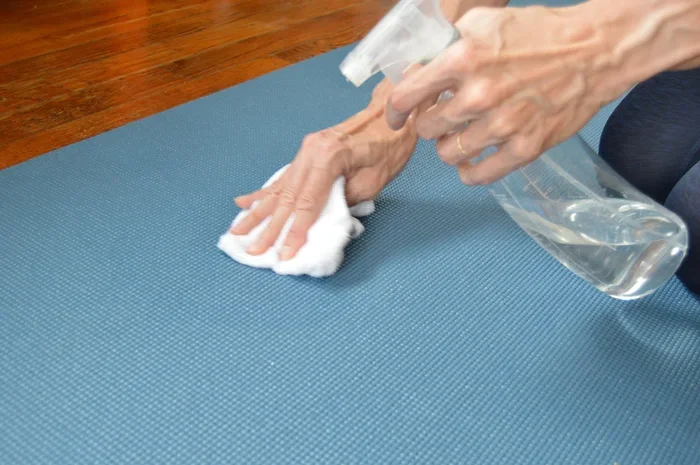
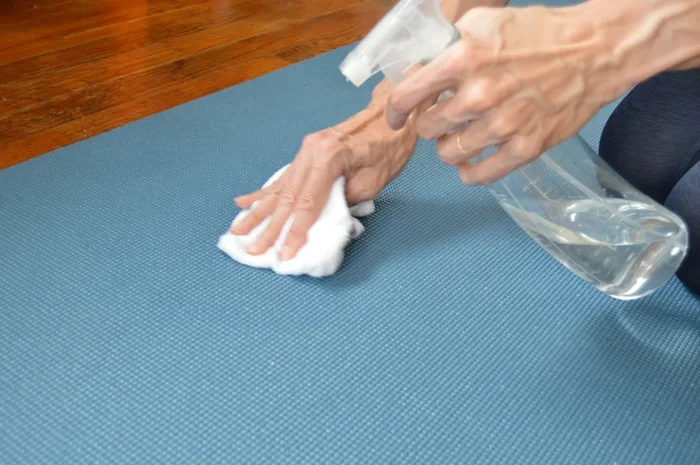
After every practice, take two minutes to wipe your mat. Use a damp cloth with a light spray of water or a diluted vinegar solution. This removes surface sweat and oils before they have a chance to soak in. This quick habit makes a huge difference in yoga mat hygiene and extends the life of your mat significantly.
Weekly Light Cleaning
Once a week, give your mat a more thorough wipe-down. Spray the vinegar solution across the surface and wipe it down with a clean cloth. Pay extra attention to areas where your hands and feet grip the most. This weekly routine keeps bacteria levels low and your mat feeling fresh.
Monthly Deep Clean
Once a month, commit to a full deep clean using one of the methods described above. This removes accumulated sweat, oils, and bacteria that daily wiping cannot reach. Monthly yoga mat care is the foundation of long-lasting mat performance and hygiene.
Common Mistakes to Avoid When Cleaning Your Mat
Even with the best intentions, some cleaning habits can actually harm your rubber yoga mat. Avoid these common mistakes to keep your mat in top condition.
- Using too much water: Excess moisture can seep into the mat and cause mold growth underneath. Always use damp cloths, not soaking wet ones.
- Skipping the drying step: Rolling up a damp mat traps moisture and leads to mildew. Always let it dry completely before storing.
- Using harsh chemical cleaners: Bleach, ammonia, and strong detergents break down rubber fibers and strip the surface of its natural grip.
- Wringing or twisting the mat: This can deform the rubber and create permanent creases or cracks.
- Storing the mat while still damp: Always ensure your mat is 100% dry before rolling it up or placing it in a bag.
For more advice on proper mat handling and storage, check out our guide on how to get a yoga mat to lay flat for helpful tips on maintaining your mat after cleaning.
Expert Tips for Long-Lasting Mat Freshness
Beyond regular cleaning, a few extra habits can keep your rubber yoga mat in excellent condition for years. These expert-backed tips make a noticeable difference.
- Wash your hands before practice. This reduces the amount of oil and dirt transferred to the mat.
- Use a yoga towel during hot sessions. A towel absorbs sweat before it reaches your mat, reducing how often you need to deep clean.
- Rotate between two mats if possible. This gives each mat time to fully dry and air out between uses.
- Store your mat unrolled in a cool, dry place. Avoid leaving it rolled up in a bag for extended periods, as this traps moisture.
- Replace your mat when it shows signs of wear. Even with the best care, rubber mats degrade over time. If you notice cracking, persistent odor, or loss of grip, it is time for a new one.
Proper yoga mat care is an investment in your health and your practice. A clean mat supports better grip, prevents skin issues, and makes every session more enjoyable. The small effort you put into cleaning pays off with a mat that performs well and smells fresh every time you unroll it.
Final Thoughts on Cleaning Your Rubber Yoga Mat
Cleaning a rubber yoga mat does not have to be complicated or time-consuming. With the right supplies and a consistent routine, you can keep your mat hygienic, fresh, and performing at its best. Whether you prefer the vinegar solution, a baking soda scrub, or a gentle soap wash, the key is to stay consistent and avoid harsh chemicals.
Remember that daily maintenance is the foundation of mat longevity. A quick wipe after each session, combined with a deeper clean once a month, keeps bacteria, odor, and grime under control. Your mat supports you in every pose, and it deserves the same care in return.
Start today. Pick one cleaning method from this guide and give your mat the attention it needs. Your body, your nose, and your practice will thank you. Clean mats lead to better sessions, and better sessions lead to a more rewarding yoga journey.
Frequently Asked Questions
Can I use vinegar to clean my rubber yoga mat?
Yes, vinegar is one of the safest and most effective natural cleaners for rubber yoga mats. Mix one part white vinegar with three parts warm water, spray it on the mat, and wipe it down gently. Vinegar kills bacteria and neutralizes odors without damaging the rubber material.
How often should I deep clean my rubber yoga mat?
A monthly deep clean is ideal for most practitioners. However, if you practice daily or sweat heavily, consider cleaning your mat every two weeks. Regular deep cleaning removes embedded bacteria and prevents stubborn odors from building up over time.
Can I put my rubber yoga mat in the washing machine?
It is not recommended to machine wash a rubber yoga mat. The agitation and heat can cause the rubber to warp, crack, or lose its structural integrity. Hand washing with gentle soap and warm water is the safest and most effective method for rubber mats.
What is the best natural cleaner for a rubber yoga mat?
A simple mixture of white vinegar and water is the best all-around natural cleaner. For stubborn stains and odors, baking soda paste works exceptionally well. Both options are affordable, non-toxic, and safe for rubber surfaces.
How do I remove stubborn sweat stains from my yoga mat?
Create a paste using baking soda and a small amount of water. Apply it directly to the stained areas and let it sit for fifteen to twenty minutes. Gently scrub with a soft sponge, then wipe clean with a damp cloth. Repeat if necessary for deeply embedded stains.
Why does my rubber yoga mat still smell after cleaning?
Persistent odor usually means bacteria or sweat has soaked deep into the rubber material. Try a vinegar soak or a baking soda overnight treatment. Also make sure your mat is completely dry before storing it, as trapped moisture can cause lingering smells and even mold growth.