Why Does My Side Hurt When I Jump Rope

Jumping rope is a fantastic cardio move, but side pain can quickly ruin the fun. In this guide we uncover the main reasons your side hurts, from technique slips to weak core muscles, and give you simple, actionable steps to stop the sting and jump stronger. Read on to jump rope confidently without the ache.
Key Takeaways
- Improper form is the top culprit: a bent torso or uneven landing puts stress on the side muscles.
- Weak core muscles amplify strain: a solid core acts like a shock absorber for each jump.
- Footwear matters: shoes with poor cushioning transmit impact to the side wall.
- Overuse and sudden intensity spikes trigger soreness: gradual progression is essential.
- Breathing technique can reduce tension: exhaling on each jump eases pressure on the rib cage.
- Stretching and mobility work prevent tightness: dynamic warm‑ups keep the side muscles supple.
- Address underlying health issues: conditions such as costochondritis or hernias need professional care.
📑 Table of Contents
- Introduction: The Jump Rope Joy and the Unexpected Side Ache
- 1. Bad Form: The Silent Pain Generator
- 2. Core Weakness: When Your Midsection Can’t Keep Up
- 3. Footwear and Surface: The Impact Amplifiers
- 4. Breathing Patterns: The Overlooked Pressure Valve
- 5. Overuse and Training Load: When “Too Much, Too Fast” Strikes
- 6. Underlying Health Conditions: When Pain Signals Something Bigger
- Practical Checklist: Stop the Side Pain Today
- Conclusion: Jump Rope Without the Ache
Introduction: The Jump Rope Joy and the Unexpected Side Ache
Jump rope feels like a kid‑like playground game that somehow became a high‑intensity workout for adults. It burns calories, improves coordination, and can be done almost anywhere. Yet many people ask, “Why does my side hurt when I jump rope?” The answer isn’t always simple, but it’s rarely mysterious. Most of the time the pain comes from something you can see, feel, or change in your routine.
In this article we’ll walk through the most common reasons your side might start to throb, how to spot the warning signs early, and what you can do right now to stop the pain. Think of it as a friendly chat over a water bottle—no jargon, just clear steps you can try today.
1. Bad Form: The Silent Pain Generator
When you swing the rope, your body should move as a single, fluid unit. Small misalignments quickly turn into side pain.

Visual guide about Why Does My Side Hurt When I Jump Rope
Image source: media.runnerclick.com
1.1. Leaning Too Far Forward or Backward
If you hunch over, the abdominal wall compresses against the rib cage each time you land. The opposite—arching your back—stretches the side muscles and can cause a sharp sting.
Tip: Keep your spine neutral. Imagine a straight line from your ears through your shoulders, hips, and ankles. A quick mirror check or video recording can help you spot a forward or backward lean.
1.2. Uneven Weight Distribution
Landing more on one foot than the other makes the opposite side work harder to stabilize, leading to over‑use of the obliques and intercostal muscles.
Exercise: Perform “single‑leg hops” for 30 seconds on each foot. This builds balance and trains both sides to share the load evenly.
1.3. Over‑Rotating the Torso
Many beginners twist their torso to swing the rope faster. This rotation strains the side muscles, especially the external obliques.
Correction: Keep the rope’s motion coming from the wrists, not the shoulders or torso. Practice with a slower rope speed and focus on a stable upper body.
2. Core Weakness: When Your Midsection Can’t Keep Up
The core is the body’s natural shock absorber. A weak core means every jump’s impact is transferred to the ribs and side wall, causing that familiar ache.

Visual guide about Why Does My Side Hurt When I Jump Rope
Image source: i.pinimg.com
2.1. Core Muscles Involved
- Transverse abdominis: the deepest layer that stabilizes the spine.
- Internal and external obliques: help rotate and side‑bend.
- Rectus abdominis: the “six‑pack” muscle that supports forward bending.
2.2. Simple Core Builders
Before you jump, add a 5‑minute core circuit:
- Plank – 30 seconds
- Side plank – 20 seconds each side
- Dead‑bug – 10 reps
- Standing bicycle crunches – 15 reps each side
These moves target all core layers, giving you a sturdier base for rope work.
2.3. Integrating Core Work Into Your Jump Routine
Try “core‑active jumps”: after every 30 seconds of rope, pause for 10 seconds and perform 5 slow “standing side bends” (hands on hips, lean left then right). This reinforces the habit of engaging the core while you jump.
3. Footwear and Surface: The Impact Amplifiers
What’s under your feet matters more than you think. A hard floor combined with shoes lacking cushioning can send shock waves straight to the side wall of your rib cage.
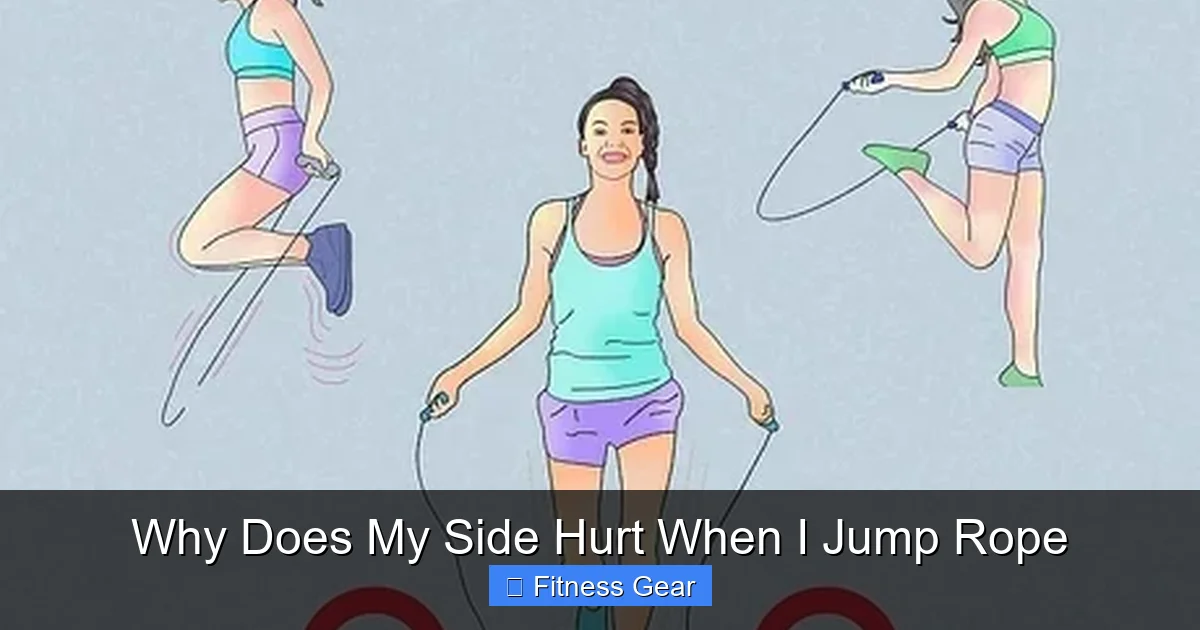
Visual guide about Why Does My Side Hurt When I Jump Rope
Image source: wikihow.com
3.1. Choosing the Right Shoes
Look for shoes with:
- Responsive midsole (e.g., EVA or PU foam)
- Good arch support
- Flexible forefoot to allow natural foot roll
Avoid “heavy” cross‑training shoes that feel like a brick.
3.2. The Best Surfaces for Jump Rope
Ideal surfaces absorb impact:
- Wooden floor or gym mat
- Rubber gym flooring
- Outdoor grass (if the rope is a lightweight beaded type)
Concrete or tile should be a last resort, and only if you wear high‑cushion shoes.
3.3. Quick Fix: Adding a Mini‑Mat
If you’re stuck on a hard floor, place a thin interlocking foam mat (about ¼‑inch thick) under your jumping area. It reduces the jolt without compromising stability.
4. Breathing Patterns: The Overlooked Pressure Valve
Holding your breath while you jump is a common habit, especially when you’re focusing on speed. This creates intra‑abdominal pressure that pushes against the rib cage, sparking side pain.
4.1. The “Exhale on Jump” Rule
Every time you spring off the ground, exhale gently through the mouth. When you land, inhale lightly through the nose. This rhythm keeps pressure steady and eases tension on the intercostal muscles.
4.2. Breathing Drills
Practice “box breathing” while standing still:
- Inhale for 4 counts
- Hold for 4 counts
- Exhale for 4 counts
- Hold for 4 counts
After a few rounds, incorporate the exhale‑on‑jump cue into your rope routine.
5. Overuse and Training Load: When “Too Much, Too Fast” Strikes
Jump rope is high‑impact. Jumping for long periods without proper progression can inflame the side muscles just like a marathon can bruise the shins.
5.1. Recognizing the Warning Signs
- Persistent dull ache that lasts > 24 hours
- Stiffness that worsens after a rest day
- Sharp stabbing pain during a single jump
5.2. Building a Safe Progression Plan
Start with a “30‑second on, 30‑second off” interval for the first two weeks. Gradually increase the “on” time by 10‑15 seconds each week, never exceeding a total of 15 minutes of continuous jumping until you feel comfortable.
5.3. Active Recovery Strategies
On off‑days, focus on low‑impact cardio (e.g., brisk walking or cycling) and gentle stretching of the side muscles. This promotes blood flow without adding stress.
6. Underlying Health Conditions: When Pain Signals Something Bigger
Sometimes side pain isn’t just about technique. A few medical issues can mimic jump‑rope soreness.
6.1. Costochondritis
This is inflammation of the cartilage that connects ribs to the breastbone. It feels like a sharp, localized ache that worsens with deep breaths or upper‑body movement.
What to do: Rest, apply a warm compress, and see a healthcare provider if pain persists beyond a week.
6.2. Intercostal Muscle Strain
Overstretching or a sudden twist can tear the thin muscles between ribs. The pain is usually on one side and sharp during side bends.
Rest, gentle stretching, and over‑the‑counter anti‑inflammatories usually help within a few days.
6.3. Hernias
Abdominal wall weakness can allow tissue to push through, causing a pulling sensation on the side, especially during high‑impact moves.
If you notice a bulge or a “pulling” feeling that doesn’t improve with rest, get a medical evaluation promptly.
Practical Checklist: Stop the Side Pain Today
Use this quick list before every rope session:
- Warm‑up 5 minutes: light jogging, arm circles, side bends.
- Check posture in a mirror—neutral spine, shoulders relaxed.
- Wear shoes with proper cushioning.
- Jump on a forgiving surface or add a mini‑mat.
- Engage core: lightly brace the belly as if preparing for a light punch.
- Exhale on each jump; keep breathing steady.
- Start with short intervals; increase time gradually.
- Stretch side muscles after the workout: standing side stretch, seated torso twist.
Conclusion: Jump Rope Without the Ache
Side pain while jumping rope is rarely a mystery. Most of the time it’s a combination of poor form, weak core, inadequate footwear, and a rushed training plan. By paying attention to posture, strengthening the midsection, choosing the right shoes, breathing correctly, and progressing slowly, you can eliminate that nagging ache and enjoy the full benefits of jump rope.
Remember, the goal isn’t just to jump faster—it’s to jump smarter. Apply the tips above, listen to your body, and you’ll find yourself soaring over the rope with a happy, pain‑free side.
Frequently Asked Questions
Why does my side hurt only after I finish jumping rope?
The muscles and cartilage often feel the impact once the activity stops because they have been constantly compressed during the jumps. A cool‑down stretch helps release the tension.
Can I keep jumping if I feel a mild side ache?
If the pain is a light, fleeting twinge, reduce intensity, focus on form, and add a short rest. Persistent or sharp pain should be a signal to stop and assess.
Is stretching before jumping rope enough to prevent side pain?
Stretching warms the muscles but does not replace core strengthening or proper technique. Combine dynamic warm‑ups with core activation for the best prevention.
Do I need a special rope to avoid side pain?
The rope itself isn’t usually the cause. However, a lighter beaded or speed rope reduces arm fatigue, allowing you to keep a steadier torso.
How long should I rest if I develop side pain?
Give the area at least 48 hours of low‑impact activity. Use heat or gentle massage, and return to jumping only when the pain is gone or very mild.
When should I see a doctor for side pain from jumping rope?
Seek medical advice if the pain lasts more than a week, worsens with breathing, is accompanied by swelling, or you notice a bulge that could indicate a hernia.