How Thick Should a Yoga Mat Be Mm
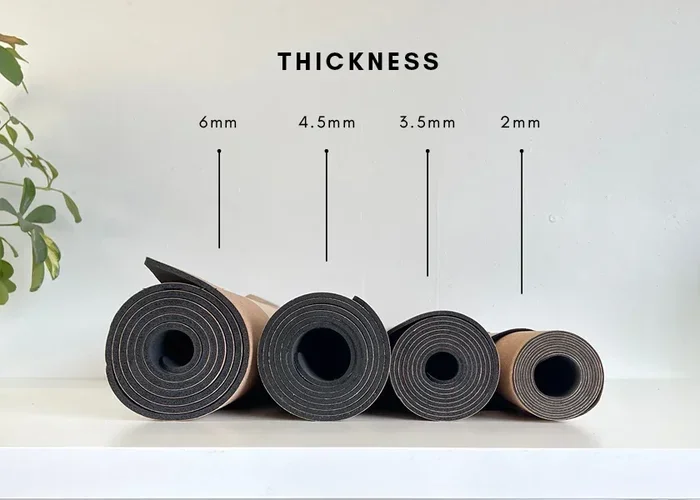
Choosing the right how thick should a yoga mat be mm depends on your practice style, body weight, and comfort needs. A standard mat ranges from 3mm to 6mm, while extra-thick options go up to 8mm or more. This guide breaks down every thickness level so you can pick the perfect match for your yoga journey.
Finding the right how thick should a yoga mat be mm is one of the most important decisions you will make for your practice. The thickness of your mat affects everything from comfort to stability. It shapes how your joints feel during poses and how connected you feel to the floor.
Many beginners walk into a store and grab whatever mat looks thickest. But that is not always the best choice. A mat that is too thick can make you wobble. A mat that is too thin can leave your knees aching after just a few poses. The sweet spot depends on your body, your style, and your goals.
This guide breaks down every yoga mat thickness option in millimeters. You will learn what each level offers, who it suits best, and how to make the right pick. By the end, you will know exactly what mm thick yoga mat you need.
Let us dive in and make this easy for you.
Key Takeaways
- Standard Thickness (3-5mm): Best for most practitioners who want a balance of cushion and stability.
- Thick Mats (6mm+): Ideal for beginners, joint protection, and restorative yoga styles.
- Thin Mats (1-3mm): Great for travel, hot yoga, and advanced practitioners who need ground-feel connection.
- Body Weight Matters: Heavier individuals generally need thicker mats for proper comfort and support.
- Material Affects Feel: TPE, rubber, and cork mats each offer different thickness experiences even at the same mm measurement.
- Try Before You Buy: Always test a mat in person if possible to find your ideal thickness.
📑 Table of Contents
- Why Yoga Mat Thickness in Mm Matters
- Yoga Mat Thickness Levels Explained
- How to Choose the Right Mm Thickness for Your Style
- Material Matters: How It Affects Thickness Feel
- Common Mistakes People Make When Choosing Mat Thickness
- Quick Tips for Finding Your Perfect Thickness
- How Often Should You Replace Your Yoga Mat?
- Final Thoughts on Choosing the Right Mm Thickness
Why Yoga Mat Thickness in Mm Matters
The thickness of a yoga mat is measured in millimeters. Every millimeter counts. A small difference can change your entire experience on the mat. Understanding why thickness matters helps you make a smarter choice.
Your mat acts as a barrier between your body and the hard floor. During poses like Downward Dog or Warrior II, your wrists, knees, and ankles bear weight. The right thickness cushions those pressure points. It also provides enough support to keep your spine aligned.
But thickness is not just about comfort. It also affects your balance. A thicker mat gives more cushion but less stability. A thinner mat feels closer to the ground, which many advanced yogis prefer for balance poses. This is why knowing your needs is the first step.
Think of it like shoes. You would not wear thick hiking boots for a sprint. You need the right tool for the right job. The same goes for your yoga mat thickness.
How Body Weight Affects Your Ideal Thickness
Your body weight plays a big role in choosing the right how thick should a yoga mat be mm. Heavier bodies need more cushion to feel comfortable. Lighter bodies can often do well with thinner mats.
Here is a simple breakdown:
- Under 130 lbs: A 3mm to 5mm mat usually works great. You do not need as much padding.
- 130 to 200 lbs: A 5mm to 6mm mat offers a nice balance of cushion and stability.
- Over 200 lbs: Consider a 6mm to 8mm mat. The extra thickness protects your joints and bones.
These are general guidelines. Everyone is different. Some lighter yogis prefer thicker mats for extra comfort. Some heavier yogis like a firmer feel. Use these numbers as a starting point and adjust from there.
Yoga Mat Thickness Levels Explained
Not all mats are created equal. They come in different mm thick yoga mat sizes, and each level serves a purpose. Let us walk through them one by one.
Thin Mats (1mm to 3mm)
Thin mats are lightweight and portable. They give you a strong sense of the ground beneath you. Many travel yogis love these because they fold up easily and fit in a backpack.
These mats work well for:
- Hot yoga, where sweat makes thick mats slippery
- Advanced practitioners who value ground connection
- Travel situations where weight and size matter
- Pilates sessions that need a firm surface
The downside is clear. Thin mats offer very little cushion. Your knees and elbows will feel every bump on the floor. If you have joint issues, a thin mat is probably not your best friend.
For more on choosing the right thickness for your level, check out our guide on how thick should a yoga mat be for beginners. It covers starter-friendly options in detail.
Standard Mats (3mm to 5mm)
This is the most popular range. A standard yoga mat thickness of 3mm to 5mm works for most people. It gives enough cushion to protect your joints while keeping you stable and grounded.
Standard mats are great for:
- Hatha yoga and Vinyasa flow
- Beginners who want a good all-around option
- Studio classes where balance and grip matter
- Daily practice at home or in the gym
Most yoga studios provide mats in this range. If you have ever tried a studio mat and liked it, a 4mm or 5mm mat at home will feel familiar. This is the safest bet for most people asking how thick should a yoga mat be mm.
Thick Mats (6mm to 8mm)
Thick mats are all about comfort. They give you plenty of cushion for your joints and spine. If you have knee problems, back issues, or just love feeling cozy on your mat, this range is for you.
Thick mats shine in these situations:
- Restorative yoga and Yin yoga
- Rehabilitation exercises and physical therapy
- Chair yoga or gentle practice
- People who do a lot of kneeling poses
The tradeoff is stability. Thick mats can feel wobbly during standing poses. Your ankles might roll more easily. Balance poses like Tree Pose become harder. If you are working on advanced flows, a thick mat might hold you back.
Looking for a specific comparison between popular thickness options? Our article on should I get a 3mm or 5mm yoga mat breaks down the two most common choices side by side.
Extra Thick Mats (8mm and Above)
Extra thick mats go beyond 8mm. These are specialty mats designed for maximum comfort. They are often used in physical therapy settings or by people with chronic pain.
Keep in mind that these mats are heavy and bulky. They are not great for travel or frequent carrying. They also reduce your connection to the floor significantly. You might feel like you are standing on a mattress rather than a firm surface.
Most regular yoga practitioners do not need an extra thick mat. They are a niche product for specific needs. If you are unsure, stick with a standard or thick option.
How to Choose the Right Mm Thickness for Your Style
Different yoga styles call for different mat thicknesses. Your practice style is one of the biggest factors in choosing the right how thick should a yoga mat be mm. Let us match styles to thickness.
Vinyasa and Flow Yoga
These dynamic styles involve a lot of movement and transitions. You need a mat that stays stable under your feet. A 4mm to 5mm mat works best. It gives enough cushion without sacrificing balance.
Hatha and Gentle Yoga
Hatha yoga moves at a slower pace. You hold poses for longer periods. Comfort becomes more important. A 5mm to 6mm mat provides the support you need for longer holds without feeling unstable.
Hot Yoga and Bikram
Hot yoga means lots of sweat. Thick mats can become slippery when wet. A 3mm to 4mm mat with good grip is ideal. Many hot yoga practitioners prefer thin, moisture-wicking mats that stay put even when drenched.
Restorative and Yin Yoga
These styles involve long, passive holds. You might spend several minutes in Child’s Pose or Reclined Twist. Comfort is king here. A 6mm to 8mm mat gives the plush support your body craves during these deep stretches.
Travel and Outdoor Yoga
If you carry your mat to the park or on trips, weight and packability matter. A 1mm to 3mm travel mat folds small and weighs almost nothing. You sacrifice some cushion but gain freedom and convenience.
Material Matters: How It Affects Thickness Feel
Here is something many people overlook. The material of your mat changes how the thickness feels. Two mats both labeled 5mm can feel completely different. This is because materials have different density levels and compression rates.
TPE (Thermoplastic Elastomer)
TPE is the most common material in affordable mats. It is lightweight and usually feels softer. A 5mm TPE mat often feels like a 6mm rubber mat. TPE mats are a great choice for beginners exploring how thick should a yoga mat be mm.
Natural Rubber
Rubber mats are denser and heavier. They offer excellent grip and durability. A 5mm rubber mat feels firmer than a 5mm TPE mat. Many experienced yogis prefer rubber for its solid feel and eco-friendly properties.
Cork
Cork mats are naturally antimicrobial and have a unique texture. They tend to feel firm and supportive. Cork is slightly thicker in feel than its actual mm measurement suggests. A 4mm cork mat can feel like a 5mm mat made of other materials.
PVC (Polyvinyl Chloride)
PVC is the traditional material used in many studio mats. It is durable and affordable. PVC mats are usually the thickest feeling for their actual mm measurement because of the material’s density. A 3mm PVC mat can feel surprisingly cushioned.
When shopping, always consider both the thickness in mm and the material. They work together to create your overall experience. For more tips on what to look for when choosing a mat, read our guide on what should I look for in a yoga mat.
Common Mistakes People Make When Choosing Mat Thickness
Avoiding common mistakes saves you time, money, and frustration. Here are the pitfalls to watch out for.
Choosing the Thickest Mat Available
This is the number one mistake. Many people assume thicker equals better. That is not true. A thick mat can make you feel unstable and can actually increase your risk of injury during balance poses. Always match thickness to your needs, not to what looks the most padded.
Ignoring Your Body Weight
A 120-pound person and a 220-pound person need different levels of cushion. Ignoring body weight leads to choosing a mat that is either too firm or too soft. Use the weight guidelines we shared earlier as your starting point.
Not Considering Your Practice Style
A mat perfect for restorative yoga will feel wrong for Vinyasa flow. Always think about what type of yoga you practice most. Your style should drive your thickness choice, not the other way around.
Forgetting to Test the Mat
Online shopping is convenient, but you cannot feel the mat before buying. If possible, visit a store and spend a few minutes standing and stretching on the mat. The feel matters just as much as the mm measurement.
Overlooking Mat Density
Thickness and density are not the same thing. A mat can be 6mm thick but very soft and compressible. Another mat can be 6mm thick but firm and supportive. Always check the density rating if available. Density affects how the mat performs over time and how it feels under your body.
Quick Tips for Finding Your Perfect Thickness
Here are some fast, practical tips to help you decide on the right mm thick yoga mat:
- Start with 5mm if you are a beginner. It is the safest all-around choice for most people.
- Measure your knee-to-floor distance. If your knees hurt on a hard floor, you need at least 5mm of cushion.
- Consider your mat bag. Thicker mats do not always fit in standard yoga mat bags. Check dimensions before buying.
- Read reviews for real-world feedback. Other yogis will tell you if a mat feels thicker or thinner than its listed mm.
- Think about where you practice. Home practice allows more thickness flexibility. Studio practice may need a thinner, more stable mat.
How Often Should You Replace Your Yoga Mat?
Even the best mat wears out over time. Thickness decreases as the material compresses and breaks down. A mat that felt perfect at 5mm might feel like 3mm after a year of heavy use.
Signs your mat is losing its thickness include:
- Visible compression or permanent indentations
- Increased joint pain during practice
- The mat feels thinner than when you first bought it
- Cracks or peeling on the surface
Most yoga mats last between one and three years depending on how often you use them. If you practice daily, expect to replace your mat every 12 to 18 months. Casual practitioners can go longer.
For more on this topic, check out our guide on how often should you get a new yoga mat for a deeper look at mat lifespan and replacement timing.
Final Thoughts on Choosing the Right Mm Thickness
Choosing the right how thick should a yoga mat be mm does not have to be complicated. Start with your body weight, your practice style, and your comfort needs. Use the guidelines in this article to narrow down your options.
Remember that the perfect mat thickness is the one that makes you feel good. It should cushion your joints without making you feel wobbly. It should support your practice, not distract from it.
Take your time. Try different options if you can. Your yoga mat is one of the most important tools in your practice. Investing time in choosing the right thickness pays off every time you step on the mat.
Now you have the knowledge to make a confident choice. Pick the thickness that fits your body, your style, and your goals. Your knees, your back, and your balance will thank you.
Frequently Asked Questions
What is the standard yoga mat thickness in mm?
The standard yoga mat thickness is 4mm to 5mm. This range works for most practitioners because it balances cushion and stability. It is the most common thickness you will find in yoga studios and online stores.
Is 6mm too thick for a yoga mat?
6mm is not too thick for everyone. It works well for beginners, people with joint issues, and those who practice restorative yoga. However, advanced practitioners doing dynamic flows may find 6mm too unstable for balance poses.
Can I use a thin yoga mat if I am a heavier person?
It is not recommended. Heavier bodies need more cushion to protect joints and bones. A thin mat under extra body weight compresses too quickly and offers little support. Aim for at least 5mm to 6mm if you are over 200 lbs.
Does yoga mat thickness affect grip?
Yes, indirectly. Thicker mats can feel softer but may be more slippery depending on the material. Thinner mats often provide better ground feel and grip. Always consider both thickness and material when evaluating grip.
What thickness is best for knee pain during yoga?
If you experience knee pain, a 6mm to 8mm mat is usually best. The extra cushion reduces pressure on the knee joint during poses that involve kneeling. You may also want to use a folded blanket for additional support.
How do I know if my yoga mat is too thin?
If you feel pain in your knees, elbows, or spine during practice, your mat may be too thin. You should feel comfortable and supported, not like you are practicing directly on a hard floor. A simple test is to kneel on the mat and see if you feel pressure.