Jump rope doesn’t require a massive gym; a modest clear area is enough for a great cardio session. This guide breaks down the exact square footage, floor considerations, and simple tricks to maximize space so you can rope‑in results without tripping over furniture.
Key Takeaways
- Minimum clear area: 6 ft × 6 ft (≈ 36 sq ft) works for most users.
- Ceiling height matters: 8‑9 ft allows full‑extension jumps without hitting the ceiling.
- Floor type: wooden, rubber, or carpeted surfaces reduce impact and protect the rope.
- Adjustable rope length: matching rope length to your height saves space and improves form.
- Portable setups: using a jump‑rope mat or folding treadmill can create a dedicated space in any room.
- Safety first: clear the area of breakables and ensure good lighting to avoid injuries.
- Multi‑use spaces: a small jump‑rope zone can double as a yoga or HIIT area with minimal rearrangement.
📑 Table of Contents
- Introduction: Why Space Matters for Jump Rope
- 1. The Minimum Clear Area You Need
- 2. Ceiling Height: The Often‑Overlooked Factor
- 3. Choosing the Right Floor Surface
- 4. Setting Up Your Jump Rope Space
- 5. Making Small Spaces Work
- 6. Safety Tips and Common Mistakes
- Conclusion: Your Perfect Jump Rope Zone
Introduction: Why Space Matters for Jump Rope
Jump rope is one of the simplest, most effective cardio tools out there. You can burn calories, improve coordination, and boost heart health in just a few minutes. The best part? You don’t need a full‑size gym. However, a little bit of space is essential to keep your workouts safe and enjoyable.
Many people assume they need a large room, but the truth is far more forgiving. With the right clear area, proper floor, and a few smart tricks, you can rope in a solid workout even in a studio apartment. This article walks you through the exact space requirements, how to adapt any room, and tips to make the most of what you have.
1. The Minimum Clear Area You Need
Understanding Square Footage
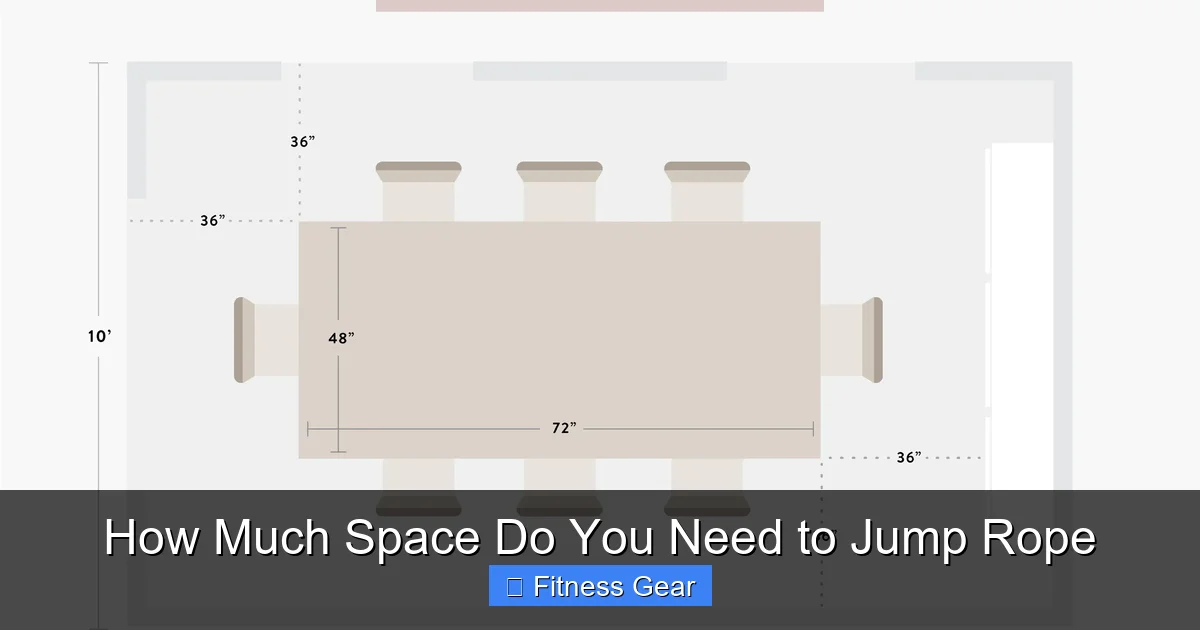
The basic rule of thumb for jump rope is a clear floor space of about 6 feet by 6 feet. That equals roughly 36 square feet. This size gives you enough room to swing the rope without hitting walls, furniture, or your own feet.
Visual guide about How Much Space Do You Need to Jump Rope
Image source: i.shgcdn.com
Why 6 ft × 6 ft Works
- Rope arc: Most standard ropes create an arc of about 4‑5 ft in diameter when you jump.
- Body movement: You need space for forward‑backward sway and side‑to‑side adjustments.
- Safety buffer: A foot of clearance on each side helps prevent accidental trips.
Adjusting for Height and Skill Level
If you’re taller than 6 ft or a very advanced jumper who does high‑knee or double‑under tricks, add an extra foot or two to each side. Conversely, beginners can start with a slightly smaller area (5 ft × 5 ft) as long as they keep the rope low and stay aware of their surroundings.
2. Ceiling Height: The Often‑Overlooked Factor
Standard Ceiling Requirements
Most indoor ceilings are 8‑9 ft high. For a comfortable jump rope session, you’ll want at least 8 feet of clearance from the floor to the ceiling. This allows the rope to reach its full extension without striking the ceiling.
Visual guide about How Much Space Do You Need to Jump Rope
Image source: cdn.shopify.com
What If Your Ceiling Is Lower?
Don’t panic. You can still rope in a lower‑ceiling space by:
- Choosing a shorter rope (adjusted to your height).
- Practicing low‑impact moves like basic hops or single‑unders.
- Using a rope with a smaller diameter, which creates a tighter arc.
3. Choosing the Right Floor Surface
Ideal Flooring Types
Flooring impacts both your comfort and the lifespan of your rope. The best options are:
Visual guide about How Much Space Do You Need to Jump Rope
Image source: cdn.shopify.com
- Hardwood or laminate: Provides a smooth glide and minimal wear on the rope.
- Rubber gym mats: Offer cushioning and reduce joint impact.
- Low‑pile carpet: Works if the carpet is firm and not too thick.
Surfaces to Avoid
Skip jump rope on:
- Very thick carpet (absorbs the rope and slows it down).
- Tile or concrete without a mat (hard on knees and can damage the rope).
- Uneven surfaces (increase risk of ankle twists).
DIY Floor Solutions
If you’re on a budget, a simple interlocking foam mat (like those used for kids’ play areas) can create a safe, portable surface. Lay it down, and you’ve got a jump‑rope‑friendly floor in minutes.
4. Setting Up Your Jump Rope Space
Clearing the Area
Take a quick walk around your chosen spot. Remove any breakables, cords, and small furniture. A quick sweep of the floor will also eliminate dust that could cause you to slip.
Lighting and Visibility
Good lighting helps you see the rope’s path and avoid missteps. Natural light is best, but a bright LED lamp works just as well.
Using Mirrors
If you have a wall mirror, position it so you can watch your form. This not only helps with technique but also lets you spot any space constraints you might have missed.
5. Making Small Spaces Work
Multi‑Purpose Rooms
Many apartments have a living room that doubles as a workout area. Use a fold‑away jump‑rope mat that can be rolled up when you’re done. This way, the space returns to its normal function instantly.
Vertical Storage Tricks
Store your rope on a wall hook or a small rack. When not in use, it stays out of the way, keeping your area tidy.
Portable Equipment Pairings
Combine a jump rope with other compact gear:
- Resistance bands: Keep them in a drawer; they take up almost no space.
- Adjustable dumbbells: Use them for a quick strength circuit after your rope session.
- Folding step platform: Provides a higher step for cardio intervals without needing a permanent bench.
6. Safety Tips and Common Mistakes
Watch Your Form
Keep elbows close to your sides, wrists relaxed, and land softly on the balls of your feet. Bad form can make you feel cramped even in a spacious room.
Avoid Over‑Rotating the Rope
Too fast a spin can cause the rope to swing wider than your cleared area. Start slow, then increase speed as you become comfortable.
Check for Hazards
Make it a habit to glance around before each set. Look for stray shoes, toys, or cords that might have been moved into the space.
Conclusion: Your Perfect Jump Rope Zone
All it takes to jump rope effectively is a modest 36 sq ft of clear floor, a ceiling of at least 8 ft, and a suitable surface. With a few simple steps—clearing the area, choosing the right floor, and adding portable accessories—you can turn any corner of your home into a high‑energy cardio hub.
Remember, the goal isn’t to have a sprawling gym; it’s to create a safe, comfortable spot where you can swing that rope and feel the burn. Clear the space, set up your rope, and start jumping—your heart, coordination, and fitness will thank you.
Frequently Asked Questions
How much square footage do I really need for jump rope?
About 36 sq ft (6 ft × 6 ft) is ideal for most users. Taller or advanced jumpers may want a few extra feet on each side.
Can I jump rope on carpet?
Yes, if the carpet is low‑pile and firm. Thick carpet can slow the rope and increase the risk of tripping.
What ceiling height is required?
A minimum of 8 ft clearance is recommended. Lower ceilings work with a shorter rope and lower‑impact moves.
Do I need a special mat for jumping rope?
Not necessarily. A thin rubber mat or interlocking foam tiles provide good cushioning and protect both you and the rope.
How can I fit jump rope into a small apartment?
Use a portable mat, store the rope on a wall hook, and keep the area free of breakables. A 6 ft × 6 ft space in a living room or bedroom works well.
Is it safe to jump rope near furniture?
Only if you have cleared a safe buffer zone around you. Keep at least one foot of clearance from any objects to avoid accidents.