Can You Use a Pilates Mat for Yoga
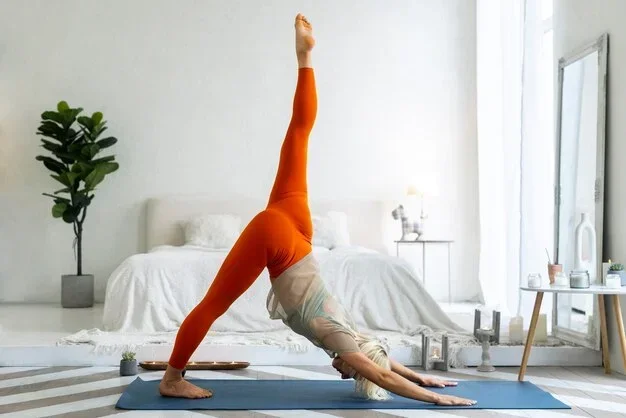
Yes, you can use a Pilates mat for yoga, but there are important differences to know. Pilates mats are typically thicker and denser than standard yoga mats, which can change your experience on the floor. The right mat choice affects your comfort, stability, and alignment during every session. This guide covers everything you need to decide if a Pilates mat works for your yoga practice.
So you found a Pilates mat sitting around, and now you want to use it for yoga. That raises a simple but important question: can you use a Pilates mat for yoga? The short answer is yes. But the full answer depends on a few things you should know before you roll out and start flowing.
Yoga mats and Pilates mats look similar at first glance. They are both flat, rectangular, and designed to put a soft barrier between your body and the floor. But they differ in thickness, density, material, and purpose. Using the wrong mat can throw off your balance, hurt your joints, or make poses feel unstable. That is why it pays to understand what each mat brings to the table.
In this article, we will break down everything you need to know. You will learn how Pilates mats differ from yoga mats, when it makes sense to swap them, and what to watch out for. By the end, you will feel confident choosing the right surface for your practice.
Key Takeaways
- Pilates mats are thicker: They usually range from 1/2 inch to 1 inch, offering more cushioning than standard yoga mats.
- Stability can be affected: The extra thickness may make balancing poses harder for beginners.
- Joint protection improves: The dense cushioning is great for knees, hips, and spine during long holds.
- Not all Pilates mats are equal: Material, density, and surface texture vary widely across brands.
- Consider your practice style: Gentle or restorative yoga pairs well with Pilates mats, but vigorous styles may need a thinner surface.
- Cleaning matters: You can maintain either mat type with the right cleaning products.
- Alternatives exist: If a Pilates mat doesn’t feel right, you can explore other mat alternatives.
📑 Table of Contents
- What Is the Difference Between a Pilates Mat and a Yoga Mat?
- Can You Actually Use a Pilates Mat for Yoga?
- Benefits of Using a Pilates Mat for Yoga
- Things to Consider Before Using a Pilates Mat for Yoga
- How to Choose the Right Mat for Your Yoga Practice
- Quick Tips for Using a Pilates Mat for Yoga
- Common Mistakes People Make When Using a Pilates Mat for Yoga
- Expert Insights: What Yoga Teachers Say About Pilates Mats
- Frequently Asked Questions
- Final Thoughts
What Is the Difference Between a Pilates Mat and a Yoga Mat?
Many people think all exercise mats are the same. They are not. The differences matter more than you might expect, especially when you switch from one discipline to another. Let us look at the key distinctions.
Thickness and Cushioning
A standard yoga mat is usually about 1/8 inch to 1/4 inch thick. Pilates mats are often 1/2 inch thick or more. Some go up to a full inch. This extra cushioning feels great on hard floors, but it can also make you less stable during standing poses.
Think of it this way. A thin yoga mat gives you a firm ground to push off from. A thick Pilates mat absorbs more pressure but can feel squishy under your feet. For poses like Warrior II or Tree Pose, that squishiness can be a challenge.
Material and Texture
Most yoga mats are made from PVC, TPE, or natural rubber. They have a textured surface that grips your hands and feet. Pilates mats often use denser foam or vinyl. The surface is smoother and less tacky. This means your hands and feet might slide more during a Pilates mat yoga session.
If you sweat a lot, this difference really shows up. A sticky yoga mat keeps you locked in. A Pilates mat might need a towel underneath your hands for extra grip.
Density and Support
Pilates mats are built to be dense. They support your spine and core during controlled movements on the floor. Yoga mats prioritize grip and flexibility. The density of a Pilates mat provides excellent support for floor work, but it changes how your weight distributes during standing sequences.
Can You Actually Use a Pilates Mat for Yoga?
Here is the honest truth. You can use a Pilates mat for yoga, and many people do. But your experience will differ from using a traditional yoga mat. Whether it works for you depends on your style, level, and goals.
Best Yoga Styles for a Pilates Mat
Some yoga styles pair naturally with a Pilates mat. These include:
- Restorative yoga: Long, passive holds benefit from the extra cushioning.
- Yin yoga: Floor-based poses feel comfortable on a thick mat.
- Gentle yoga: Slow movements do not require high grip or stability.
- Pilates-inspired yoga: Blends core work and floor exercises seamlessly.
- Chair yoga or seated sequences: The mat thickness does not affect balance much here.
For these styles, a Pilates mat can actually enhance your comfort. The thick cushioning protects your joints during long holds and gentle stretches.
Yoga Styles That Need a Traditional Yoga Mat
On the other hand, some styles demand a thinner, grippier surface:
- Vinyasa flow: Fast transitions need a stable, non-slip base.
- Hot yoga: Sweat makes a thick mat slippery and harder to grip.
- Power yoga: Balance poses require a firm footing.
- Ashtanga: The rigorous sequence needs consistent traction.
If you practice any of these, a Pilates mat may feel too soft or slick. You might want to stick with a standard yoga mat or consider using a towel as a yoga mat in a pinch.
Benefits of Using a Pilates Mat for Yoga
Switching to a Pilates mat for your yoga practice is not all downside. There are real advantages that many yogis appreciate.
Superior Joint Protection
The thick cushioning of a Pilates mat absorbs impact really well. This is a big win for anyone with sensitive knees, hips, or lower back pain. When you hold poses like Child’s Pose or Cobra for extended periods, the mat reduces pressure on your joints. Joint protection becomes much easier with a thicker surface, especially on hardwood or tile floors.
Great for Floor Work and Core Exercises
Pilates mats were designed for floor-based core work. Many yoga practices incorporate core strengthening too. The dense surface gives you a solid platform for planks, boat poses, and leg lifts. You will feel stable and supported throughout.
Comfort on Hard Surfaces
If you practice on concrete, wood, or tile, a Pilates mat is a game changer. The thickness keeps the cold and hardness from radiating up into your body. You can relax deeper into stretches without feeling the floor beneath you.
Durability
Most Pilates mats are built to last. The dense foam or vinyl resists wear and tear better than many thin yoga mats. You will not need to replace it as often, which saves money over time.
Things to Consider Before Using a Pilates Mat for Yoga
Before you commit to using a Pilates mat for yoga, there are a few practical factors to weigh. These will help you make the best decision for your body and your practice.
Your Balance and Experience Level
If you are a beginner, a thick Pilates mat might throw off your balance. Standing poses and transitions rely on a stable base. A thinner yoga mat gives you better ground feedback. As you grow stronger and more confident, you may find the Pilates mat more comfortable.
The Thickness Factor
Not all Pilates mats are the same thickness. Some are thin enough to work well for yoga. Others are so thick they feel like sleeping on a mattress. The ideal thickness for yoga on a Pilates mat is around 1/2 inch. Anything thicker can compromise your stability. If you want to explore more about mat thickness, check out this guide on how thick your yoga mat should be for Pilates.
Grip and Traction
Slipping during a pose is no fun. Pilates mats often have a smoother surface that does not grip as well as a textured yoga mat. You can solve this by using a yoga towel on top of the mat. This adds traction and absorbs sweat at the same time.
Portability
Pilates mats are heavier and bulkier than standard yoga mats. If you carry your mat to class or travel often, this matters. A lighter yoga mat folds or rolls up smaller and fits in a bag more easily.
Cost
Pilates mats tend to cost more than basic yoga mats. The extra material and density drive the price up. If you are on a budget, a standard yoga mat gives you more bang for your buck. But if you already own a Pilates mat, there is no need to buy a new one just for yoga.
How to Choose the Right Mat for Your Yoga Practice
Choosing the right mat comes down to understanding your body, your style, and your goals. Here are some practical tips to guide you.
Assess Your Practice Style
Ask yourself what kind of yoga you do most often. Do you flow quickly through poses? Or do you hold them for long breaths? Your answer determines whether you need a grippy thin mat or a cushy thick one.
Test the Mat Before Committing
Try a few yoga poses on the Pilates mat before you decide. Do Downward Dog, Warrior I, and Tree Pose. Notice if your feet slip or if you feel wobbly. If everything feels stable and comfortable, the mat works for you.
Consider a Mat Topper
If your Pilates mat is too thick for balance but too thin for comfort, a mat topper can help. These thin layers add just enough cushion without changing the feel of the base mat. They are an affordable way to get the best of both worlds.
Think About Your Body
Do you have joint issues? Do you sweat heavily? Are you sensitive to cold floors? Your body tells you what it needs. Listen to it. A Pilates mat might be perfect if you need extra cushioning. A yoga mat might be better if you need grip and stability.
Quick Tips for Using a Pilates Mat for Yoga
Here are some fast tips to get the most out of your Pilates mat during yoga sessions:
- Use a towel for grip: Place a yoga towel over the mat for your hands and feet during sweaty practices.
- Start with simple poses: Ease into your practice with seated and supine poses before trying balances.
- Roll out slowly: Pilates mats are thicker, so give yourself time to adjust to the new surface.
- Keep it clean: Wipe down your mat after each session. You can learn more about what to use for cleaning your yoga mat to keep it fresh.
- Store it flat: Prevent warping by storing the mat flat or loosely rolled, not folded.
Common Mistakes People Make When Using a Pilates Mat for Yoga
Avoid these common pitfalls to get the best experience from your Pilates mat during yoga practice.
- Skipping the grip test: Many people assume all mats grip the same. Test your feet and hands before committing to a flow.
- Ignoring the thickness: A super-thick Pilates mat can throw off your alignment in standing poses. Pay attention to how your body feels.
- Not cleaning the mat regularly: Foam and vinyl mats collect sweat and bacteria. Regular cleaning keeps your mat hygienic and lasting longer.
- Using it for every style: A Pilates mat is not ideal for every yoga type. Match the mat to the practice for the best results.
- Forgetting about portability: If you travel or attend classes, a bulky Pilates mat can be a hassle. Consider a lighter backup mat for those situations.
Expert Insights: What Yoga Teachers Say About Pilates Mats
Many yoga teachers have strong opinions about mat choices. Here is what the experts tend to say.
Some teachers love Pilates mats for restorative and yin classes. They say the extra cushioning helps students relax deeper and hold poses longer without discomfort. Other teachers prefer standard yoga mats for their classes because they offer better grip and stability for flowing sequences.
The consensus? There is no single best mat. The right mat depends on your body, your style, and what feels good to you. Experimentation is key. Try different mats and see what supports your practice best. If you are curious about other mat options, you can explore what you can use instead of a yoga mat for more ideas.
One teacher shared this insight: “Your mat is your foundation. It should support your practice, not distract from it. If a Pilates mat helps you feel grounded and comfortable, then it is the right choice for you.”
Frequently Asked Questions
Can I use a Pilates mat for hot yoga?
It is not recommended. Pilates mats are thicker and smoother, which makes them slippery when wet. Hot yoga requires a thin, grippy mat that can handle sweat. A traditional yoga mat or a hot yoga-specific mat works much better for this style.
Will a Pilates mat help with back pain during yoga?
Yes, it can. The extra cushioning reduces pressure on your spine and joints during floor poses. However, if your back pain is severe, consult a doctor or physical therapist before starting any new exercise routine. The right mat supports your practice but does not replace professional advice.
How do I clean a Pilates mat used for yoga?
Wipe it down with a gentle cleaner after each use. You can use a mix of water and mild soap, or specialized mat sprays. For deeper cleaning, check out guides on what products work best for cleaning your mat. Always let it air dry completely before rolling it up.
Is a Pilates mat too thick for beginners?
It can be. Beginners benefit from a thinner mat because it provides better balance feedback. However, if you have joint pain or sensitivity, a Pilates mat can make floor poses much more comfortable. Try both and see what feels right for your body.
Can I use a Pilates mat for both yoga and Pilates?
Absolutely. Pilates mats are designed for Pilates but work well for yoga too. They offer great cushioning for floor work in both disciplines. Just be mindful of grip and stability during yoga poses that require a firm base.
What is the best thickness for a Pilates mat used in yoga?
A thickness of about 1/2 inch works well for most yoga styles. It provides enough cushioning for comfort without sacrificing too much stability. Avoid mats thicker than 3/4 inch for active yoga practices, as they can make balancing poses feel unstable.
Final Thoughts
Can you use a Pilates mat for yoga? Yes, you absolutely can. The key is understanding what your practice needs and matching your mat to those needs. A Pilates mat offers excellent cushioning, joint protection, and durability. It shines in restorative, yin, and gentle yoga styles. But for dynamic, flowing practices, a thinner yoga mat may serve you better.
The best mat is the one that supports your body and your practice. Do not be afraid to experiment with different options. Your mat is a personal choice, and what works for one person may not work for another. Listen to your body, test different surfaces, and trust your instincts.
Whether you choose a Pilates mat, a yoga mat, or something in between, the most important thing is that you show up and practice. The mat is just a tool to support your journey. Roll out, breathe deep, and enjoy every moment on your mat.