How Much Does a 2 Inch Barbell Weigh
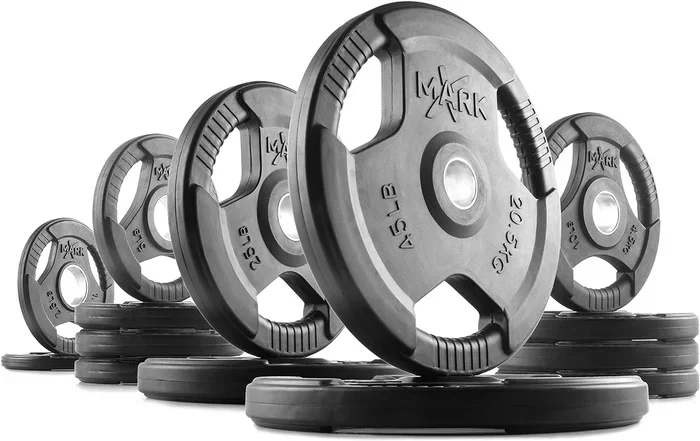
A 2 inch barbell typically weighs between 20 and 45 pounds depending on the type, material, and length. The standard Olympic 2 inch barbell used in most gyms weighs around 45 pounds (20 kg). Understanding barbell weight helps you calculate your total lift accurately and choose the right equipment for your training goals.
If you have ever walked into a gym and wondered about the exact weight of the bar you are grabbing, you are not alone. The 2 inch barbell is one of the most common pieces of gym equipment out there. It shows up in power racks, squat stations, and deadlift platforms across the world. But how much does it actually weigh? The answer might surprise you.
Knowing the weight of your barbell is essential for tracking progress, planning workouts, and comparing lifts across different facilities. Whether you are a beginner just starting out or a seasoned lifter chasing a new personal record, understanding barbell weight fundamentals gives you a serious advantage. In this guide, we will break down everything you need to know about the 2 inch barbell.
Key Takeaways
- Standard Weight: A typical Olympic 2 inch barbell weighs 45 pounds (20 kg), but weights vary by type and manufacturer.
- Multiple Types Exist: Men’s and women’s Olympic bars, standard bars, and specialty bars all differ in weight.
- Sleeve Diameter Matters: The 2 inch sleeve opening is the industry standard for Olympic weight plates.
- Know Your Total Lift: Adding the barbell weight to your plates gives you the true load on the bar.
- Material Affects Weight: Steel, chrome, and knurled bars have slight weight differences based on construction.
- Check Before You Buy: Always verify the barbell weight specifications before purchasing for home or gym use.
📑 Table of Contents
- What Is a 2 Inch Barbell?
- How Much Does a 2 Inch Barbell Weigh?
- Factors That Affect Barbell Weight
- Why Knowing Your Barbell Weight Is Important
- Types of 2 Inch Barbells and Their Weights
- Quick Tips for Choosing the Right 2 Inch Barbell
- Common Mistakes People Make With Barbell Weight
- How Barbell Weight Affects Your Training
- Frequently Asked Questions
What Is a 2 Inch Barbell?
A 2 inch barbell refers to a barbell that has a 2 inch diameter sleeve. The sleeve is the part of the bar where you load the weight plates. This 2 inch sleeve size is the Olympic standard used by weightlifters and fitness enthusiasts worldwide. It is different from the older 1 inch standard bars you might find in some home gyms.
The 2 inch sleeve design allows for smoother rotation and better load distribution. Most modern gym equipment uses this standard. When you see Olympic weight plates with a 2 inch center hole, they are designed to fit this type of bar. The barbell weight itself varies based on the bar’s length, material, and construction.
Why Sleeve Size Matters
The sleeve size directly affects how plates sit on the bar. A 2 inch barbell uses plates with a matching 2 inch hole. This snug fit reduces wobble and improves safety during heavy lifts. If you try to use 1 inch plates on a 2 inch barbell, they will not fit properly. Always double check the sleeve diameter before loading up your bar.
How Much Does a 2 Inch Barbell Weigh?
The weight of a 2 inch barbell depends on several factors. The most common weight for a standard Olympic 2 inch barbell is 45 pounds, or about 20 kilograms. This is the bar you will find in most commercial gyms and competition settings. However, not all 2 inch barbells weigh the same.
Here is a quick breakdown of common 2 inch barbell weights:
- Standard Olympic Barbell: 45 lbs (20 kg) — the most common weight used in gyms
- Women’s Olympic Barbell: 33 lbs (15 kg) — slightly lighter and thinner
- Technique Barbell: 10 to 15 lbs — used for learning proper form
- Heavy Duty Training Bar: 55 lbs or more — built for serious strength training
- Standard 1 Inch Bar (for comparison): Around 15 to 25 lbs — the older non-Olympic standard
The standard Olympic 2 inch barbell at 45 pounds is what most people mean when they talk about barbell weight. This is the same weight used in official Olympic weightlifting competitions. If you are calculating your total lift, always start with this baseline number.
Comparing Barbell Weights by Type
Not all bars are created equal. Different types of 2 inch barbells serve different purposes, and their weights reflect that. A women’s Olympic barbell with a 2 inch sleeve might weigh less because the shaft is thinner and the steel is lighter gauge. A powerlifting barbell with a 2 inch sleeve could weigh more due to added steel for stiffness and durability.
When choosing a barbell, look at the manufacturer’s specifications. The barbell weight should be listed clearly in the product details. If you are buying for home use, a standard 45-pound 2 inch barbell is a safe and versatile choice for most lifters.
Factors That Affect Barbell Weight
Several factors go into determining how much a 2 inch barbell weighs. Understanding these can help you make better purchasing decisions and more accurate lift calculations.
Material and Construction
The type of steel used plays a big role. High-quality steel barbells tend to be heavier and more durable. Chrome-coated bars might weigh slightly less than raw steel ones. Some 2 inch barbells use knurling — those crosshatch patterns on the grip — which adds a tiny bit of weight from the extra material removed and reshaped.
Bar Length
A longer bar weighs more than a shorter one. A standard 6 foot 2 inch barbell typically weighs around 45 pounds. Shorter bars, like 5 foot versions, might weigh less. If you are curious about how length impacts weight, check out how much a 6 foot standard barbell weighs for a detailed comparison.
Sleeve and Bushing Design
The sleeves on a 2 inch barbell add to the overall weight. Olympic bars use rotating sleeves with bushings or bearings. These sleeves can add a few pounds to the total barbell weight. The type of bushing — bronze, nylon, or sealed bearing — also affects the bar’s feel and spin, though not always its weight.
Why Knowing Your Barbell Weight Is Important
You might think knowing the exact weight of your barbell is a small detail. But it matters more than you might expect. When you are tracking your strength training progress, every pound counts. If you do not account for the barbell weight, your recorded lifts will be inaccurate.
For example, if you load 135 pounds of plates on a 45-pound 2 inch barbell, your total lift is 180 pounds, not 135. This is a common mistake among beginners. Over time, small tracking errors can add up and throw off your training program. Always include the bar weight when logging your lifts.
How to Calculate Your Total Lift
Calculating your total lift is simple once you know the barbell weight. Here is the formula:
- Start with the barbell weight (45 lbs for a standard 2 inch Olympic barbell)
- Add the weight of all plates on each side
- Multiply the plate weight by two (since you have plates on both sides)
- Add that number to the barbell weight
So if you put two 25-pound plates on each side of a 45-pound 2 inch barbell, your total lift is: 45 + (25 x 2 x 2) = 145 pounds. Easy once you know the steps.
Types of 2 Inch Barbells and Their Weights
The 2 inch barbell comes in several varieties. Each type has a different weight and purpose. Here is a closer look at the most common ones you will encounter.
Men’s Olympic Barbell
This is the classic 2 inch barbell found in almost every gym. It weighs 45 pounds and is 7 feet long. The shaft diameter is about 28 to 29 millimeters. It is built for heavy compound lifts like squats, deadlifts, and bench press. The knurled grip and rotating sleeves make it ideal for Olympic weightlifting and powerlifting.
Women’s Olympic Barbell
A women’s Olympic barbell with a 2 inch sleeve weighs around 33 pounds. It is shorter at about 6.5 feet and has a thinner shaft, usually 25 millimeters in diameter. The reduced weight and length make it easier to handle for lifters who are smaller in stature or newer to weight training. The sleeve diameter is still the standard 2 inches, so it accepts the same plates.
Technique or Training Barbell
These 2 inch barbells weigh between 10 and 15 pounds. They are designed for beginners learning proper lifting technique. The lighter weight reduces the risk of injury while you build foundational strength and practice form. Many coaches recommend starting with a technique bar before moving up to a full-size Olympic bar.
Specialty and Competition Barbells
Competition-grade 2 inch barbells are built to exact specifications. They often weigh 45 pounds but may vary slightly based on the federation’s rules. Specialty bars like trap bars, Swiss bars, and safety squat bars also use 2 inch sleeves but have their own unique weights. These bars are designed for specific lifts and training styles.
Quick Tips for Choosing the Right 2 Inch Barbell
Not sure which 2 inch barbell is right for you? Here are some quick tips to guide your decision.
- Check the sleeve diameter: Make sure it is exactly 2 inches to fit Olympic plates properly
- Look at the tensile strength: Higher tensile strength means a more durable bar that can handle heavier loads
- Consider the knurling pattern: Aggressive knurling helps with grip but can be harsh on the hands during high-rep sets
- Verify the stated weight: Always confirm the barbell weight from the manufacturer, as it can vary between brands
- Think about your training goals: Powerlifters may want a stiffer bar, while Olympic lifters need a bar with good rotation and whip
- Read reviews: Other lifters often share real-world experiences with a bar’s weight, feel, and durability
Common Mistakes People Make With Barbell Weight
Even experienced lifters sometimes make mistakes when it comes to barbell weight. Here are a few to watch out for.
Forgetting the bar weight: This is the number one mistake. Always add the barbell weight to your plate weight when calculating your total lift.
Assuming all 2 inch bars weigh the same: As we covered, different types of 2 inch barbells have different weights. A women’s bar and a men’s bar can differ by over 10 pounds.
Not checking the bar on its own: If you want to know the exact weight of a bar without any plates, look up how much a barbell weighs on its own. This gives you the baseline number for all your calculations.
Mixing bar standards: Using 1 inch plates on a 2 inch bar will not work. Always match your plates to your bar’s sleeve size to avoid safety issues and inaccurate loading.
How Barbell Weight Affects Your Training
The weight of your 2 inch barbell plays a role in how you train. Heavier bars require more strength just to control, which can affect your rep count and form. Lighter bars allow for higher volume and faster movements, which is why technique bars are popular for beginners.
For compound lifts like the squat, bench press, and deadlift, the barbell weight is a constant factor. Your muscles must move the bar plus whatever plates you add. Understanding this baseline helps you program your workouts more effectively and set realistic goals.
If you are curious about how the barbell weight compares across different gym environments, check out how much a barbell weighs at Planet Fitness or how much a barbell weighs at the gym for facility-specific insights.
The Bottom Line on 2 Inch Barbell Weight
The standard 2 inch barbell you will find in most gyms weighs 45 pounds. This is the Olympic standard and the baseline you should use for most of your training calculations. However, always verify the specific weight of the bar you are using, as variations exist based on type, manufacturer, and construction. Knowing your barbell weight is a small but powerful step toward better, more accurate training.
Whether you are loading up plates for a heavy squat or just practicing your bench press technique, understanding the weight of your 2 inch barbell sets you up for success. It is one of those fundamentals that separates casual gym-goers from serious, progress-focused lifters.
Next time you step up to the bar, take a moment to confirm the weight. Your future self — especially when you hit a new personal record — will thank you for the attention to detail.
Frequently Asked Questions
What is the standard weight of a 2 inch Olympic barbell?
A standard 2 inch Olympic barbell weighs 45 pounds, or 20 kilograms. This is the weight used in most commercial gyms and official competitions. Always verify with the manufacturer, as specialty bars may differ slightly.
Can I use 1 inch plates on a 2 inch barbell?
No, 1 inch plates will not fit on a 2 inch barbell. The sleeve diameter must match the plate hole size. Using mismatched plates is unsafe and will not work properly. Always use Olympic plates with a 2 inch center hole.
How much does a women’s 2 inch barbell weigh?
A women’s Olympic barbell with a 2 inch sleeve typically weighs 33 pounds (15 kg). It is shorter and has a thinner shaft than a men’s bar, making it easier to handle for many lifters. The sleeve diameter remains the standard 2 inches.
Does the length of a 2 inch barbell affect its weight?
Yes, longer bars generally weigh more. A standard 7-foot 2 inch barbell weighs 45 pounds, while shorter bars may weigh less. If you want exact weight specifications for different lengths, you can look up how much a 6 foot standard barbell weighs for comparison.
Why is the barbell weight important for tracking lifts?
The barbell weight is the baseline of every lift. If you do not include it, your recorded totals will be inaccurate. Over time, this leads to misleading progress tracking. Always add the bar weight to your plate weight for true lift totals.
What should I look for when buying a 2 inch barbell?
Look for the correct sleeve diameter (2 inches), adequate tensile strength, good knurling, and a verified barbell weight from the manufacturer. Read reviews and check specifications carefully. A quality 2 inch barbell should last for years of consistent training.