How Many Reps Should You Do with Dumbbells
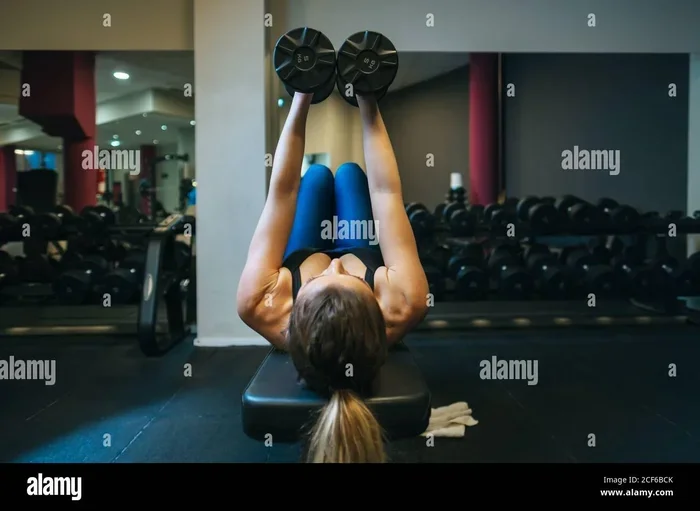
The number of reps you should do with dumbbells depends on your fitness goals — whether you want to build strength, grow muscle, or improve endurance. Generally, 6-12 reps build muscle, 1-5 reps increase strength, and 15-25 reps boost endurance. This guide breaks down the ideal rep ranges, sets, and rest periods so you can train smarter and see real results.
When you pick up a pair of dumbbells, one of the first questions you probably ask yourself is: how many reps should I do? It is a simple question, but the answer shapes everything about your workout. Do too few reps, and you might not challenge your muscles enough. Do too many, and you could burn out before you see any real progress.
The truth is, there is no single magic number. The right rep range depends on what you are trying to achieve. Are you aiming to get stronger? Build bigger muscles? Or just stay toned and energized? Each goal calls for a different approach to dumbbell reps, sets, and rest. This guide will walk you through everything you need to know, step by step.
Whether you are a complete beginner or someone who has been lifting for a while, understanding rep ranges will transform the way you train. You will learn exactly how to structure your sessions, avoid common mistakes, and get the most out of every workout. Let us dive in.
Key Takeaways
- Strength Building: Use heavier weights with 1-5 reps per set for maximum strength gains.
- Muscle Growth (Hypertrophy): Aim for 6-12 reps per set with moderate weight for the best results.
- Muscular Endurance: Go for 15-25+ reps with lighter weights to improve stamina and tone.
- Sets Matter: Most goals benefit from 3-4 sets per exercise for balanced training volume.
- Rest Periods: Rest 2-3 minutes for strength, 60-90 seconds for muscle growth, and 30-45 seconds for endurance.
- Progressive Overload: Gradually increase weight or reps over time to keep making progress.
- Form First: Always prioritize proper technique over lifting heavier weights or doing more reps.
📑 Table of Contents
Why Reps Matter in Dumbbell Training
Every time you lift a pair of dumbbells, the number of repetitions you perform sends a specific signal to your body. Reps are not just a counting game — they directly influence how your muscles adapt and grow. Understanding this connection is the foundation of any effective resistance training program.
When you perform a dumbbell exercise, your muscles undergo tension, damage, and metabolic stress. These three factors drive muscle adaptation. The number of reps you choose determines which factor gets emphasized the most. Fewer reps with heavier weight focus on tension and neural adaptation. More reps with lighter weight increase metabolic stress and endurance.
The Three Main Fitness Goals
Most people fall into one of three categories when it comes to their training goals. Let us look at each one:
- Strength: You want to lift heavier and get more powerful. Think of athletes or powerlifters.
- Hypertrophy (Muscle Growth): You want to build bigger, more defined muscles. This is the most common goal.
- Endurance: You want to improve stamina, tone your body, and burn calories over longer sessions.
Each goal requires a different rep range, and the beauty of dumbbells is that you can switch between them easily. You just need to know which numbers to target.
Best Rep Ranges for Different Goals
This is where things get practical. Below is a breakdown of the most effective rep ranges for each fitness goal, along with the science behind them.
1-5 Reps: Building Raw Strength
If your primary goal is to get stronger, you want to work in the 1-5 rep range. This range recruits your largest muscle fibers and trains your nervous system to produce more force. You will typically use heavier dumbbells in this range.
For best results, aim for 3-5 sets per exercise. Rest between 2-3 minutes so your muscles fully recover before the next set. Compound movements like dumbbell squats, rows, and presses work especially well here.
One thing to keep in mind: lifting very heavy for low reps demands strict proper form. If your technique starts to break down, reduce the weight. Injury is never worth the extra load.
6-12 Reps: Maximizing Muscle Growth
The 6-12 rep range is the sweet spot for hypertrophy. This is where most people should spend the majority of their training time if building muscle is the goal. It balances tension and metabolic stress perfectly.
Use moderate dumbbell weight — something that challenges you by the last couple of reps. Aim for 3-4 sets per exercise, resting 60-90 seconds between sets. Exercises like dumbbell curls, chest presses, and shoulder shrugs are great choices here.
If you are new to this, you might also want to check out how to do shoulder shrugs with dumbbells, since they are a simple and effective way to build upper body strength in this rep range.
15-25+ Reps: Boosting Muscular Endurance
Higher reps with lighter dumbbells target muscular endurance. This range improves your muscles ability to sustain effort over time. It also creates a significant calorie burn, making it great for fat loss and general fitness.
Use a weight that feels challenging but manageable for the full set. Aim for 2-3 sets per exercise, resting only 30-45 seconds. Isolation exercises like lateral raises, tricep extensions, and bicep curls work well in this range.
Higher reps do not mean less effective. They simply serve a different purpose. Many people who want a toned look benefit greatly from spending time in this range.
How Many Sets Should You Do?
Reps alone do not tell the full story. The number of sets you perform matters just as much. Training volume — the total amount of work you do — is one of the biggest drivers of progress in any strength training program.
Here is a simple breakdown based on goals:
- Strength: 3-5 sets of 1-5 reps
- Muscle Growth: 3-4 sets of 6-12 reps
- Endurance: 2-3 sets of 15-25+ reps
These numbers are not set in stone. They are a starting framework. As you get stronger and more experienced, you can adjust your training volume to keep challenging your body. The principle of progressive overload — gradually increasing the demands on your muscles — is what keeps your body adapting over time.
One practical tip: if you can easily complete all your sets with good form, it is time to increase the weight by a small amount. This keeps your workouts effective and ensures you continue making strength gains.
Rest Periods Between Sets
Rest is not lazy. It is strategic. How long you rest between sets directly affects your performance and results. Too little rest, and you will not have enough energy to lift effectively. Too much rest, and you lose the metabolic benefit of your workout.
Rest Guidelines by Goal
- Strength (1-5 reps): Rest 2-3 minutes between sets. Your muscles need time to replenish ATP stores for maximum force output.
- Hypertrophy (6-12 reps): Rest 60-90 seconds. This keeps intensity high while still allowing enough recovery.
- Endurance (15-25+ reps): Rest 30-45 seconds. Short rest periods increase metabolic stress and calorie burn.
Following these rest periods helps you get the most out of every set. It also keeps your workouts structured and efficient. If you are short on time, you can reduce rest slightly, but try not to go below the recommended minimums for your goal.
How to Choose the Right Dumbbell Weight
Choosing the correct weight is just as important as choosing the right number of reps. If the dumbbell is too light, you will not stimulate your muscles enough. If it is too heavy, your form will suffer and your risk of injury goes up.
A good rule of thumb is the last two reps test. If you can complete your target reps with perfect form but the last two feel challenging, the weight is right. If you can barely finish the set, the dumbbell is too heavy. If the last few reps feel easy, go heavier next time.
If you are unsure about where to start, check out this guide on how to know what weight dumbbells to use for more detailed advice on selecting the right load for your fitness level.
Quick Tips for Weight Selection
- Start lighter than you think you need. You can always increase.
- Different exercises require different weights. You might curl 15 kg but press 20 kg.
- Keep a log of the weights you use so you can track progress over time.
- Do not be afraid to adjust mid-workout if a weight feels too easy or too hard.
Common Mistakes People Make With Dumbbell Reps
Even experienced lifters make mistakes with their rep schemes. Being aware of these errors can save you months of frustrating progress. Here are the most common ones:
Skipping Warm-Up Sets
Jumping straight into heavy working sets is a fast track to injury. Always warm up with lighter dumbbells and higher reps before you start your working sets. A good warm-up prepares your joints, muscles, and nervous system for the work ahead.
Ignoring Proper Form
Swinging dumbbells, using momentum, and rounding your back all reduce the effectiveness of your workout and increase injury risk. Always move with control, especially during the lowering phase of each rep. Slow and steady beats fast and sloppy every time.
Sticking to One Rep Range Forever
Your body adapts quickly. If you have been doing 12 reps with the same weight for months, your progress will stall. Periodically cycling through different rep ranges keeps your muscles guessing and drives continuous improvement.
Doing Too Many Reps With Too Heavy a Weight
This is a dangerous combo. If you cannot maintain proper form by rep 8, the weight is too heavy for that rep range. Always prioritize technique over ego.
Putting It All Together: Sample Workout Plans
Theory is great, but application is where the real change happens. Here are three simple workout plans based on different goals. You can do a full workout with just dumbbells, making them one of the most versatile pieces of equipment for home or gym training.
Strength Plan
- Dumbbell Squats: 4 sets of 4 reps
- Dumbbell Bench Press: 4 sets of 5 reps
- Bent Over Dumbbell Rows: 3 sets of 5 reps
- Rest 2-3 minutes between sets
Hypertrophy Plan
- Dumbbell Chest Press: 3 sets of 10 reps
- Dumbbell Shoulder Press: 3 sets of 10 reps
- Dumbbell Bicep Curls: 3 sets of 12 reps
- Dumbbell Lunges: 3 sets of 12 reps per leg
- Rest 60-90 seconds between sets
Endurance Plan
- Dumbbell Lateral Raises: 3 sets of 20 reps
- Dumbbell Step-Ups: 3 sets of 15 reps per leg
- Dumbbell Tricep Extensions: 3 sets of 20 reps
- Dumbbell Hammer Curls: 3 sets of 15 reps
- Rest 30-45 seconds between sets
Each plan follows the rep ranges and rest periods we discussed above. Pick the one that matches your current goal, and stick with it for 6-8 weeks before switching to a different plan. This gives your body enough time to adapt and grow.
If you are interested in training with dumbbells more frequently, you might want to read how many days a week you should do dumbbells to plan your weekly schedule effectively.
Final Thoughts
The answer to how many reps you should do with dumbbells comes down to your personal goals, experience level, and the specific exercises you are performing. There is no one-size-fits-all number, but the frameworks in this guide give you a clear roadmap to follow.
Remember to prioritize proper form over everything else. Choose weights that challenge you without compromising technique. And always listen to your body — if something feels wrong, stop and adjust. Consistency is the real secret. Show up, follow your plan, and trust the process. Over time, the results will speak for themselves.
Now that you understand the science behind rep ranges, it is time to put it into action. Pick up those dumbbells, choose your goal, and start training with purpose. Your future self will thank you.
Frequently Asked Questions
How many reps should a beginner do with dumbbells?
Beginners should start with 8-12 reps per set using a moderate weight. This range builds a solid foundation of strength and muscle while keeping the risk of injury low. Focus on learning proper form before increasing the weight or reps.
Can I build muscle with 20 reps?
Yes, higher reps can build muscle, especially if you push close to failure. However, the 6-12 rep range is generally more efficient for hypertrophy. Using 20 reps is great for endurance and toning but may not provide enough tension for maximum muscle growth.
Should I do the same number of reps for every exercise?
Not necessarily. Compound movements like squats and presses often work better with lower reps (6-10), while isolation exercises like curls and raises can benefit from higher reps (12-20). Adjust based on the muscle group and exercise type.
How do I know if I am using the right weight?
If you can complete your target reps with good form and the last two reps feel challenging, the weight is appropriate. If you cannot finish the set, the weight is too heavy. If the set feels too easy, increase the weight slightly.
Is it better to do more sets or more reps?
Both matter, but sets and reps work together. A good starting point is 3-4 sets per exercise. If you want to focus on strength, prioritize heavier weights with fewer reps. For muscle growth, moderate weight with moderate reps is ideal.
How often should I change my rep range?
Every 6-8 weeks is a good guideline. Switching rep ranges prevents plateaus and keeps your workouts fresh. You can also cycle through different ranges across training phases to continuously challenge your body.
=== CONCLUSION ===
Understanding how many reps you should do with dumbbells is one of the most valuable skills you can develop as a lifter. Whether your goal is strength, muscle growth, or endurance, the right rep range, set count, and rest period can make all the difference. The frameworks and tips in this guide give you everything you need to design effective dumbbell workouts that deliver real results.
Start with the basics, stay consistent, and adjust as you progress. Dumbbells are one of the simplest and most effective tools for building a stronger, healthier body. Use them wisely, and they will take you far.