How Many Ounces Are in a Gallon
Knowing how many ounces are in a gallon is a simple but essential skill for cooking, fitness, and daily hydration. A US gallon equals 128 fluid ounces, while an imperial gallon holds 160 liquid ounces. This guide breaks down the gallon conversion with easy charts, real-world examples, and expert tips so you never have to guess again.
Key Takeaways
- A US gallon contains 128 fluid ounces: This is the standard measurement used in the United States for liquids.
- An imperial gallon holds 160 liquid ounces: The UK and some other countries use a larger gallon size.
- Daily water intake recommendations align with gallon measurements: Drinking about half a gallon per day is a common hydration goal.
- Use a conversion chart for quick reference: Knowing common equivalents like cups, pints, and quarts saves time in the kitchen and gym.
- Small measurement errors add up: Getting your liquid volume right matters in recipes, workouts, and science.
- Remember the simple math: 1 gallon = 4 quarts = 8 pints = 16 cups = 128 fluid ounces in the US system.
📑 Table of Contents
What Is a Gallon?
A gallon is a unit of liquid volume used to measure how much space a liquid takes up. People use gallons every day without thinking about it. You grab a gallon of milk at the store. You fill up a gas tank measured in gallons. You even track your daily water intake using gallon-sized bottles.
But here is the thing most people overlook. A gallon is not just one fixed number. It changes depending on where you live and which measurement units your country uses. In the United States, a gallon is smaller than the gallon used in the United Kingdom and a few other places. This difference matters a lot when you are doing volume conversion math.
Understanding what a gallon is sets the foundation for everything else. Once you know the basics, the rest falls into place fast. Let us dig into the numbers and make this super simple.
How Many Ounces Are in a Gallon?
The short answer to how many ounces are in a gallon depends on which system you are using. In the US, a gallon equals 128 fluid ounces. In the imperial system used in the UK, a gallon equals 160 liquid ounces. That is a big difference of 32 ounces, which is another full quart.
So when someone asks you how many ounces are in a gallon, the first thing to do is ask yourself which gallon they mean. Most online calculators and US recipes use the US gallon. If you are following a British recipe or reading a label from a UK brand, expect the imperial gallon.
The ounce abbreviation for fluid ounces is “fl oz.” You will see this on almost every beverage container. Memorizing this little detail helps you read labels and follow recipes with confidence.
US Gallon vs Imperial Gallon
Here is a side-by-side look at the two main gallon systems. This conversion chart makes it easy to compare.
US Gallon: 128 fluid ounces, about 3.785 liters, 4 quarts, 8 pints, 16 cups. This is the gallon you see on milk jugs, juice bottles, and water coolers in America.
Imperial Gallon: 160 fluid ounces, about 4.546 liters, 4 quarts, 8 pints, 20 cups. This is the standard in the UK, Canada (for some uses), and a few other countries.
Even though both systems call the unit a “gallon,” the sizes are quite different. The imperial gallon is about 20 percent larger than the US gallon. This is one reason why gallon conversion can trip people up when they are cooking or baking internationally.
Why Knowing This Conversion Matters
You might wonder why you need to know how many ounces are in a gallon so precisely. The answer is simpler than you think. Accurate liquid measurement affects your cooking, your hydration, and even your fitness routine.
Think about it this way. When you are meal prep on Sunday, a recipe might call for a gallon of stock. If you only have a measuring cup marked in ounces, you need to know the conversion. Guess wrong, and your soup ends up too watery or too concentrated.
Daily Water Intake and Hydration
One of the most practical reasons to understand fluid ounces to gallons is hydration. Health experts often recommend drinking about half a gallon of water per day. That is 64 fluid ounces for most adults. Some guidelines push for a full gallon, which is 128 ounces.
If you are tracking your hydration goals, knowing the gallon-to-ounce relationship helps a lot. Say you drink from a 16-ounce water bottle. You need 8 of those to hit a full US gallon. If you use a 32-ounce bottle, you only need 4 refills. Simple math, big impact.
For those who track their fitness output, things like how many calories are burned on a stationary bike can influence how much water you need. Proper hydration supports better performance and faster recovery, so getting your measurement equivalents right is a small step with big rewards.
Quick Conversion Chart for Common Measurements
Here is a handy reference table for common capacity measurement conversions. Print it out or save it to your phone for quick access.
US Liquid Measurement Chart:
- 1 gallon = 128 fluid ounces
- 1 gallon = 4 quarts
- 1 gallon = 8 pints
- 1 gallon = 16 cups
- 1 quart = 32 fluid ounces
- 1 pint = 16 fluid ounces
- 1 cup = 8 fluid ounces
- 1 fluid ounce = 2 tablespoons
- 1 tablespoon = 3 teaspoons
Imperial Measurement Chart:
- 1 gallon = 160 fluid ounces
- 1 gallon = 4 quarts
- 1 gallon = 8 pints
- 1 gallon = 20 cups
- 1 quart = 40 fluid ounces
- 1 pint = 20 fluid ounces
- 1 cup = 10 fluid ounces
Keep these charts handy. Whether you are scaling a recipe up or down, or figuring out your daily daily water recommendation, these numbers come in clutch every single time.
Practical Examples of Gallon-to-Ounce Conversions
Theory is great, but real-world examples make it stick. Let us walk through a few scenarios where knowing your liquid ounces and gallon size makes life easier.
Example 1: Cooking a Big Batch of Soup. You are making soup for a family gathering. The recipe calls for 2 gallons of broth. How many fluid ounces is that? In the US system, 2 gallons times 128 ounces equals 256 fluid ounces. Now you know exactly how much to measure out.
Example 2: Hydration During Exercise. You are planning a long workout session. You know that checking how many calories are burned riding a stationary bike helps you plan your nutrition, but hydration matters just as much. If you aim to drink a full US gallon during a 2-hour workout, you need to sip 128 ounces spread across that time. That means drinking about 64 ounces per hour, or roughly 4 cups every 30 minutes.
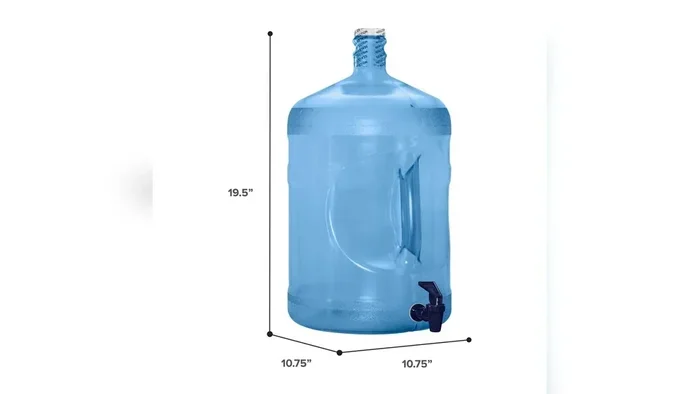
Example 3: Filling Up Water Coolers. Your office orders water coolers that hold 5 gallons each. How many ounces of water does that represent? 5 times 128 equals 640 fluid ounces. If each employee drinks one 16-ounce cup, one cooler serves 40 people. That is a useful number for office planning.
Example 4: Baking Precision. A bread recipe calls for 1 gallon of water. Your measuring cup only shows ounces. You need 128 fluid ounces. Getting this right ensures your dough has the perfect consistency. Too little water and the dough is stiff. Too much and it is sticky and unmanageable.
Just like you would check how many pounds of air are in a bike tire to make sure it is running at the right pressure, getting your liquid measurements right keeps everything working as it should. Precision matters in the kitchen, the gym, and beyond.
Common Mistakes and Expert Tips for Getting It Right
Common Mistakes
Even smart people make volume conversion errors. Here are the most common ones to avoid.
- Confusing fluid ounces with weight ounces. A fluid ounce measures volume. A weight ounce measures mass. They are not the same thing. A gallon of water weighs about 8.34 pounds in the US, but it still contains 128 fluid ounces.
- Using the wrong gallon system. If you follow a UK recipe and use US measurements, your results will be off by about 20 percent. Always check which gallon the recipe uses.
- Rounding too early. When you are converting multiple steps, round only at the final answer. Rounding in the middle of a calculation introduces small errors that stack up fast.
- Forgetting temperature effects. Liquid volume can change slightly with temperature. This matters in precision cooking and scientific work, though it is less of a concern for everyday hydration.
Expert Tips
Here are some simple strategies to make gallon conversion second nature.
- Use the “128 rule” for US gallons. Just remember 128 fluid ounces per gallon. From there, you can divide to get quarts (32), pints (16), and cups (8).
- Visualize a gallon jug. Most people have seen a 1-gallon milk jug. Picture it filled to the line. That is 128 ounces of liquid. Now imagine pouring it into 16 cups. Each cup is 8 ounces.
- Keep a conversion card on your fridge. Write out the chart above and tape it inside a cabinet door. You will refer to it without even thinking.
- Use smartphone apps for on-the-go conversions. Many free apps handle measurement equivalents instantly. They are especially helpful when you are cooking with international recipes.
- Practice with real containers. Fill a gallon jug and pour it into different measuring cups. Seeing the volumes physically helps your brain lock in the numbers.
The more you work with these numbers, the more natural they become. Within a week of paying attention, you will be converting gallons to ounces without even trying. And that confidence carries over into every part of your daily routine, from meal prep to fitness planning.
Whether you are calculating how many ounces are in a gallon for a recipe, a hydration plan, or just general knowledge, the key is to keep it simple. Use the charts. Trust the numbers. And remember that a little precision goes a long way in getting the results you want.
Understanding how many ounces are in a gallon is one of those small wins that makes everyday life smoother. You will notice it in better-tasting meals, more consistent hydration, and fewer kitchen mistakes. It is a foundational skill that pays dividends every single day.
Frequently Asked Questions
How many ounces are in a half gallon?
A half gallon contains 64 fluid ounces in the US system. This is a very common measurement for large water bottles and many beverage containers. If you drink a 64-ounce bottle, you have consumed exactly half a gallon of water.
Is a gallon the same as 128 ounces everywhere?
No, only the US gallon equals 128 fluid ounces. The imperial gallon used in the UK and some other countries equals 160 liquid ounces. Always check which measurement system a recipe or label uses before you convert.
How many cups are in a gallon?
There are 16 cups in a US gallon. Each cup holds 8 fluid ounces. So 16 times 8 equals 128 fluid ounces, which confirms the standard US gallon measurement. In the imperial system, there are 20 cups per gallon.
Does the temperature of water change how many ounces are in a gallon?
Technically, yes. Liquid volume expands slightly when heated and contracts when cooled. However, for everyday cooking and hydration purposes, this difference is so tiny that it does not matter. The standard 128 fluid ounces per US gallon holds true for practical use.
How can I remember that a gallon is 128 ounces?
Use the “128 rule.” Just memorize that one US gallon equals 128 fluid ounces. Then break it down: 128 divided by 4 quarts equals 32 ounces per quart. 32 divided by 2 pints equals 16 ounces per pint. 16 divided by 2 cups equals 8 ounces per cup. This chain of division makes the math easy to recall.
Why do some countries use a different gallon size?
The imperial gallon was originally defined in Britain in 1824 based on the volume of 10 pounds of water. The US gallon traces back to the older British wine gallon used in the 1700s. Over time, the two countries standardized different definitions, leading to the size difference we see today.