Filet Mignon Temp Chart Printable
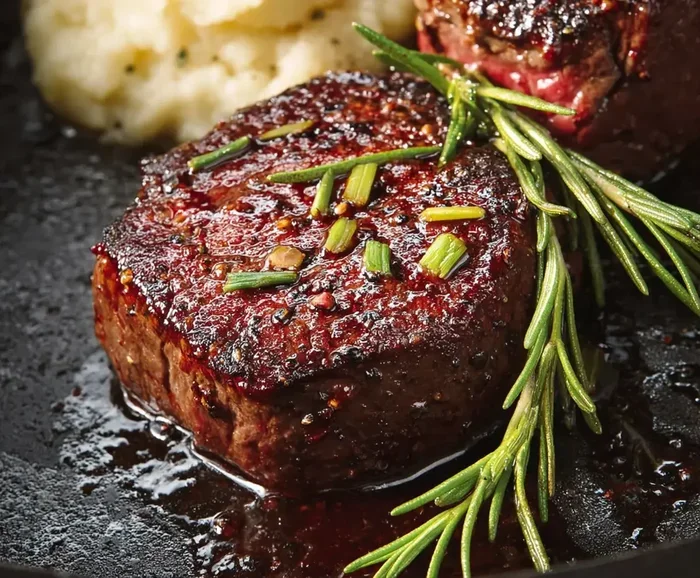
A filet mignon temp chart printable is the ultimate kitchen tool for cooking steak to perfection. This guide gives you exact temperatures, cooking times, and doneness levels so you never guess again. Whether you grill, pan-sear, or use sous vide, the right temperature chart transforms your cooking. We have included a ready-to-print chart, expert tips, and common mistakes to avoid. Save this resource and elevate your steak game starting tonight.
Key Takeaways
- Perfect Temperatures: A filet mignon temp chart printable shows exact internal temps for rare, medium rare, medium, and well done steaks.
- Multiple Cooking Methods: Use the chart for grilling, pan-searing, oven-broiling, and sous vide cooking.
- Resting Matters: Always let your steak rest 5-10 minutes after cooking for the best juice retention.
- Meat Thermometer Essential: A digital instant-read thermometer is the single most important tool for precision.
- Print and Post: Keep your printable chart on the fridge or near your grill for quick reference every time.
- Avoid Overcooking: Pulling the steak a few degrees early and letting carryover cooking finish the job is a pro secret.
- Thickness Affects Time: Thicker cuts need lower heat and longer cooking, while thin cuts cook fast at high heat.
📑 Table of Contents
- Why a Filet Mignon Temp Chart Printable Changes Everything
- The Complete Filet Mignon Temp Chart Printable
- Best Cooking Methods for Filet Mignon
- Choosing the Right Tools for Precision Cooking
- Common Mistakes When Cooking Filet Mignon
- Expert Tips for Perfect Filet Mignon Every Time
- Frequently Asked Questions
- Final Thoughts
Why a Filet Mignon Temp Chart Printable Changes Everything
Cooking filet mignon at home should feel like a luxury, not a guessing game. Yet so many home cooks either overcook their steak or serve it underdone. The problem? Most people rely on touch or time alone, and neither method is reliable.
A filet mignon temp chart printable solves this problem instantly. It gives you clear, visual reference points for every level of doneness. You know exactly what temperature to aim for before you even start cooking.
Think of it as your personal steak coach. It removes all the stress and takes the guesswork out of the equation. Whether you are a complete beginner or a seasoned griller, having a temperature chart nearby makes a huge difference.
The best part? You can print one, laminate it, and keep it right next to your grill or stove. It becomes a permanent part of your kitchen toolkit. No more scrolling through your phone mid-cook just to check a temperature.
In this guide, we will walk through everything you need to know about using a printable temperature chart for filet mignon. We have covered temperatures, cooking methods, common mistakes, and expert tips. By the end, you will feel confident cooking steak to perfection every single time.
The Complete Filet Mignon Temp Chart Printable
Understanding Doneness Levels
Every steak lover has a preference for how they like their meat cooked. Some want a cool, red center. Others prefer a warm, pink middle. Knowing these levels is the first step to using any steak temperature chart effectively.
Here are the standard doneness levels for filet mignon and their target internal temperatures measured at the thickest part of the steak:
- Rare: 120-125°F. A cool red center with a soft, juicy texture.
- Medium Rare: 130-135°F. The most popular choice. A warm red-pink center with a firm outer edge.
- Medium: 140-145°F. A pink center that is slightly firmer throughout.
- Medium Well: 150-155°F. A hint of pink with a mostly gray-brown interior.
- Well Done: 160°F and above. Gray-brown throughout with very little moisture.
Most chefs and steak enthusiasts recommend cooking filet mignon to medium rare. This temperature brings out the best flavor and keeps the meat tender and juicy. Filet mignon is already a lean cut, so going beyond medium well can dry it out quickly.
Carryover Cooking and Why It Matters
One critical detail that many temperature charts miss is carryover cooking. After you pull your steak off the heat, the internal temperature continues to rise. This happens because the outer layers are hot and transfer heat inward.
For a thick filet mignon, carryover cooking can add 5-10 degrees Fahrenheit. This means you should pull your steak a few degrees below your target temp. A filet mignon temp chart printable that accounts for carryover gives you much more accurate results.
For example, if you want a medium rare steak at 135°F, pull it off the heat at around 128-130°F. Let it rest, and it will naturally climb to the perfect temperature. This small adjustment makes a big difference in the final result.
Print Your Own Temperature Chart
Creating your own printable chart is simple. You can design one in a spreadsheet or find free templates online. Include columns for doneness level, target temperature, pull temperature, and resting time.
Print it on cardstock or laminate it for durability. Place it near your cooking area where you can glance at it easily. Over time, you will memorize the temperatures, but having the chart available speeds up the learning process significantly.
Best Cooking Methods for Filet Mignon
Pan Searing
Pan searing is one of the most popular methods for cooking filet mignon at home. It creates a beautiful caramelized crust while keeping the inside perfectly tender.
Start by patting your steak dry with paper towels. Season generously with salt and pepper. Heat a cast iron skillet over high heat until it is smoking hot. Add a high smoke-point oil like avocado oil or clarified butter.
Place the filet mignon in the pan and sear for 2-3 minutes per side. Then reduce the heat and continue cooking until you reach your target internal temperature steak range. Use a digital meat thermometer to check accuracy.
Pan searing works best for steaks that are at least 1.5 inches thick. Thinner cuts can overcook before developing a good crust.
Grilling
Grilling filet mignon over direct high heat gives you those beautiful grill marks and smoky flavor. Preheat your grill to high, around 450-500°F. Sear the steak for 2-3 minutes per side, then move it to a cooler zone if needed.
A grilling steak temperature guide is especially helpful here because flare-ups can cause uneven cooking. Keep your filet mignon temp chart printable nearby and check the temperature frequently. Grilling is fast, so having a thermometer prevents overcooking.
Reverse Searing
The reverse sear method is a game-changer for thick cuts of filet mignon. You start by cooking the steak low and slow in the oven, then finish with a hot sear on the stovetop or grill.
Set your oven to 225-250°F. Place the seasoned steak on a wire rack over a baking sheet. Cook until the internal temperature is about 10-15 degrees below your target doneness. Then sear in a blazing hot cast iron skillet for 60-90 seconds per side.
This method gives you an incredibly even doneness from edge to edge. The crust is deep and flavorful without overcooking the center. It is the preferred technique for serious steak lovers who want restaurant-quality results.
Sous Vide
Sous vide cooking offers the most precise temperature control of any method. You vacuum-seal the filet mignon and cook it in a water bath set to your exact target temperature.
For medium rare, set your sous vide to 130°F and cook for 1-2 hours. The steak comes out perfectly edge-to-edge every time. Finish with a quick, hard sear in a cast iron skillet for about 30 seconds per side to develop the crust.
Sous vide is ideal if you want zero guesswork. Combined with a steak temperature chart, it is nearly impossible to mess up. Many home cooks who invest in a sous vide machine never go back to traditional methods.
Choosing the Right Tools for Precision Cooking
Digital Instant-Read Thermometers
A good digital thermometer is non-negotiable for precision cooking. Analog thermometers are slow and often inaccurate. An instant-read digital thermometer gives you a reading in 2-3 seconds, which is crucial when cooking a premium cut like filet mignon.
Look for a thermometer with a thin probe that slides easily into the thickest part of the steak without touching bone or fat. Some models even connect to your phone via Bluetooth, letting you monitor the temperature remotely.
Meat Thermometer Types Compared
- Instant-Read Digital: Fast, accurate, affordable. Best for most home cooks.
- Leave-In Probe: Stays in the meat during cooking. Great for oven roasting and grilling.
- Sous Vide Probe: Built into immersion circulators for precise water bath cooking.
- Infrared Thermometer: Measures surface temperature only. Useful for checking pan or grill heat but not for internal steak temp.
For the best results with your filet mignon temp chart printable, pair it with a reliable instant-read digital thermometer. This combination gives you restaurant-level precision every time.
Common Mistakes When Cooking Filet Mignon
Skipping the Rest Period
One of the biggest mistakes home cooks make is cutting into the steak immediately after cooking. The juices inside a hot steak are under pressure. If you cut too soon, they all spill out onto the cutting board, leaving you with a dry piece of meat.
Always let your filet mignon rest for at least 5-8 minutes after cooking. Tent it loosely with aluminum foil to keep it warm. During this time, the juices redistribute throughout the meat, and carryover cooking finishes the job.
Not Accounting for Steak Thickness
A filet mignon temp chart printable assumes a standard thickness, usually around 1.5 to 2 inches. If your steak is thinner or thicker, cooking times will vary significantly.
A thin 1-inch steak can go from rare to well done in just a few minutes. A thick 3-inch steak needs much more time and lower heat. Always adjust your approach based on the thickness of your cut. Use the temperature chart as your guide, not the clock.
Seasoning Too Early or Too Late
Salting your steak too early can draw out moisture and create a wet surface that won’t sear properly. Salting too late means the salt does not have time to penetrate the meat and enhance flavor.
The sweet spot is salting your filet mignon about 40 minutes to 1 hour before cooking. This allows the salt to work into the meat and the surface to dry out, creating a better crust. If you are short on time, salting right before cooking is still better than skipping it entirely.
Using the Wrong Pan or Heat Level
Cooking filet mignon in a non-stick pan or at low heat will not give you a proper sear. You need a heavy-bottomed pan like cast iron or stainless steel, preheated to high heat. The pan should be hot enough that the steak sizzles immediately upon contact.
If the pan is not hot enough, the steak steams instead of sears. This leads to a gray, bland exterior instead of that beautiful brown crust everyone loves.
Expert Tips for Perfect Filet Mignon Every Time
Bring the Steak to Room Temperature First
Take your filet mignon out of the refrigerator 30-45 minutes before cooking. A cold steak cooks unevenly because the center is still cold while the outside overcooks. Letting it come to room temperature promotes more even cooking throughout.
Pat the Steak Dry
Moisture is the enemy of a good sear. Always pat your steak dry with paper towels before seasoning and placing it in the pan. The drier the surface, the better the crust will be.
Use Butter and Herbs for Finishing
During the last minute of cooking, add a tablespoon of butter, a few crushed garlic cloves, and fresh thyme or rosemary to the pan. Tilt the pan slightly and spoon the melted butter over the steak repeatedly. This technique, called basting, adds incredible flavor and a glossy finish.
Slice Against the Grain
When it is time to serve, always slice your filet mignon against the grain. This shortens the muscle fibers and makes each bite more tender. Cutting with the grain, on the other hand, can make even a perfectly cooked steak feel tough.
Store and Reheat Leftovers Properly
If you have leftover cooked filet mignon, store it in an airtight container in the refrigerator for up to 3 days. Reheat gently in a low oven at 250°F or in a hot pan with a little butter. Avoid microwaving, which can dry out the meat quickly and unevenly.
Frequently Asked Questions
What is the best temperature for filet mignon?
The best temperature for filet mignon is 130-135°F for medium rare. This range delivers the ideal balance of tenderness, juiciness, and flavor. Most chefs consider medium rare the sweet spot for this lean, premium cut of beef. A filet mignon temp chart printable makes it easy to hit this target every time.
How long should I rest filet mignon after cooking?
Rest your filet mignon for 5 to 8 minutes after cooking. This allows the juices to redistribute throughout the meat, resulting in a more flavorful and moist steak. Tent it loosely with foil to keep it warm without trapping too much steam, which can soften the crust.
Can I use a printable temp chart for other types of steak?
Yes, absolutely. While a filet mignon temp chart printable is designed specifically for beef tenderloin, the temperature ranges apply to most beef steaks. Ribeye, strip steak, and T-bone all follow similar doneness temperature guidelines. The main difference is cooking time, which depends on thickness and fat content.
Do I need a meat thermometer to cook filet mignon properly?
A meat thermometer is the single most important tool for cooking filet mignon to perfection. Touch and time methods are unreliable, especially for thick cuts. An instant-read digital thermometer paired with your steak temperature chart takes all the guesswork out of the process and ensures consistent results every time.
What is carryover cooking and how does it affect my steak?
Carryover cooking is the continued rise in internal temperature after you remove the steak from heat. The hot outer layers transfer heat to the cooler center. For filet mignon, this can add 5-10 degrees Fahrenheit. To account for this, pull your steak a few degrees below your target temperature and let it rest.
How do I make my printable steak chart last longer in the kitchen?
Print your filet mignon temp chart printable on cardstock or photo paper for added durability. Laminate it or place it in a clear plastic sleeve to protect it from grease, moisture, and heat. You can also keep a digital version saved on your phone as a backup, but having a physical chart right by the grill or stove is incredibly convenient.
Final Thoughts
Cooking filet mignon at home does not have to be intimidating. With the right filet mignon temp chart printable, a reliable meat thermometer, and a few simple techniques, you can serve steak that rivals any restaurant. The key is precision, patience, and practice.
Start by printing your temperature chart and keeping it in your kitchen. Use it every time you cook until the temperatures become second nature. Focus on medium rare as your starting point, since it is the most forgiving and delicious doneness level for filet mignon.
Remember to account for carryover cooking, always let your steak rest, and invest in a good digital thermometer. These small habits compound over time and transform your cooking dramatically.
Whether you are grilling on a summer evening, pan-searing on a weeknight, or trying sous vide for the first time, your printable chart will be there to guide you. Keep it simple, trust the process, and enjoy every bite of that perfectly cooked filet mignon.