How Many Mm Yoga Mat Is Best 2
Choosing the right yoga mat thickness can completely change your practice. The best yoga mat mm depends on your style, body type, and joint needs. Most experts recommend between 3mm and 6mm for a balanced feel. This guide breaks down exactly how many mm yoga mat is best for you.
Finding the perfect how many mm yoga mat is best 2 is one of the most common questions new yogis ask. You see mats lined up in every thickness at the store, and it gets confusing fast. Should you go thick for comfort? Or thin for stability? The answer isn’t one-size-fits-all.
Your yoga mat is the foundation of every practice. It supports your joints, grips your feet, and connects you to the floor. Picking the right thickness, measured in millimeters, makes a real difference in how your sessions feel. A mat that’s too thin leaves you sore. A mat that’s too thick makes you wobble.
This guide cuts through the noise. We’ll walk you through the ideal mm measurements, explain why they matter, and help you choose with confidence. Whether you’re a beginner or a seasoned pro, you’ll walk away with clear answers.
Key Takeaways
- 3mm to 6mm is the sweet spot: Most practitioners find this range offers the best balance of comfort and stability.
- Thicker isn’t always better: Mats over 8mm can feel unstable during standing poses.
- Your practice style matters: Hot yoga, power yoga, and gentle yoga all call for different thickness levels.
- Body weight plays a role: Heavier individuals often benefit from slightly thicker mats for extra cushioning.
- Material affects feel: TPE, rubber, and cork mats each behave differently at the same thickness.
- Test before you commit: Always try a mat in person if possible to gauge the right mm for your body.
📑 Table of Contents
- Understanding Yoga Mat Thickness: What Does MM Mean?
- How Many Mm Yoga Mat Is Best 2: The Ideal Thickness Explained
- Factors That Determine Your Ideal Mat Thickness
- Best Materials for Different Thickness Levels
- Common Mistakes People Make When Choosing Mat Thickness
- Quick Tips for Picking the Perfect Thickness
- Expert Insight: What Do Yoga Teachers Recommend?
- How Mat Thickness Affects Your Practice
- Comparison: Different Thicknesses at a Glance
- Final Thoughts: Finding Your Perfect Mat Thickness
Understanding Yoga Mat Thickness: What Does MM Mean?
When we talk about yoga mat thickness, we measure it in millimeters, or mm. One millimeter equals one-tenth of a centimeter. It’s a tiny unit, but it makes a huge difference on the mat.
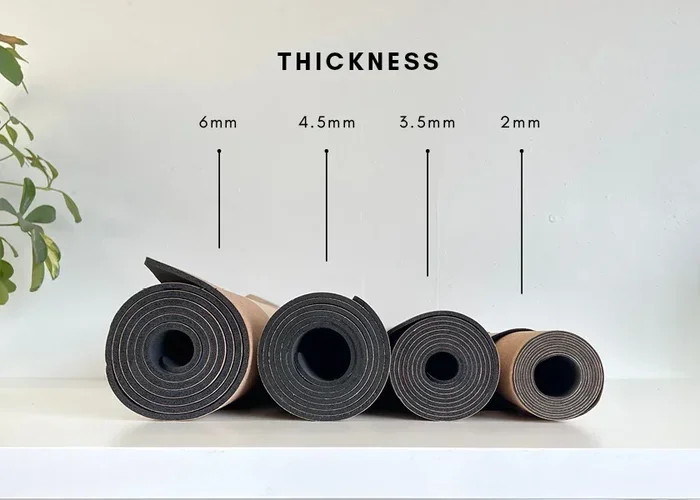
Most yoga mats range from about 3mm to 12mm. The best yoga mat thickness depends on what you plan to do. A 3mm mat feels firm and close to the ground. A 6mm mat adds noticeable cushion. An 8mm or thicker mat feels plush but can sacrifice balance.
Here’s a simple way to think about it. Thin mats give you better ground connection. Thick mats give you more joint protection. Your job is to find the middle ground that fits your body and your style.
Common Thickness Ranges
- 3mm to 4mm: Thin, firm, and great for balance poses. These are popular among experienced yogis who want maximum stability.
- 5mm to 6mm: The middle ground. Good cushioning without feeling too squishy. This is often called the gold standard for general yoga.
- 7mm to 8mm: Extra padding for joint relief. Great for gentle yoga or if you have knee or wrist sensitivity.
- 10mm and above: Very thick. Best for restorative or chair yoga. Not ideal for active or flowing practices.
How Many Mm Yoga Mat Is Best 2: The Ideal Thickness Explained
If you’re asking how many mm yoga mat is best 2, the short answer is 5mm to 6mm. This range works for most people most of the time. It gives enough cushion to protect your joints while keeping you grounded and stable during poses.
The ideal thickness for a yoga mat varies from person to person. A lighter person might love a 3mm mat. A heavier person might need 6mm or more. Your practice style also shifts the answer. Let’s break it down further.
Why 5mm to 6mm Works for Most People
This range hits the sweet spot between comfort and control. You get enough padding to cushion your knees, hips, and spine during floor work. At the same time, the mat stays firm enough for standing poses like Warrior I and Tree Pose. You won’t feel like you’re sinking or wobbling.
Many top-rated mats on the market fall in this range. It’s not a coincidence. Manufacturers have studied what works best for the widest range of users. If you’re unsure where to start, 5mm is the safest bet.
When to Go Thinner Than 4mm
Some yogis prefer a thin yoga mat. If you practice Ashtanga or Vinyasa flow, you know how important balance is. A thinner mat keeps you closer to the ground, which improves your sense of stability. It also makes transitions between poses smoother.
Travel yogis often choose thin mats too. They pack light and roll up easily. A 3mm travel mat can be a great option if you practice on the go. Just know that you’ll feel the floor more directly.
When to Go Thicker Than 7mm
If you have joint issues or practice gentle or restorative yoga, a thicker mat can be a lifesaver. 8mm and above mats absorb more shock and protect sensitive areas like the knees, ankles, and tailbone.
However, thick mats come with trade-offs. They can feel unstable during standing poses. They’re heavier and bulkier to carry. And they can cause your feet to slip if the surface isn’t textured well. So go thick only if you truly need the extra padding.
Factors That Determine Your Ideal Mat Thickness
Not everyone needs the same thickness. Several factors shape what’s best for you. Let’s look at each one so you can zero in on your perfect mm measurement.
Your Body Weight
This is a big one. If you weigh less, you don’t need as much cushioning. A 3mm to 4mm mat might feel perfect. If you weigh more, your joints need more support. A 5mm to 6mm mat will give you the comfort you need without feeling too soft.
Your Yoga Style
Different styles demand different things from your mat. Here’s a quick breakdown:
- Power Yoga / Vinyasa: Go with 4mm to 5mm for stability during fast flows.
- Hatha Yoga: 5mm to 6mm works well for slower, held poses.
- Restorative Yoga: 6mm to 8mm gives extra comfort during long holds.
- Hot Yoga: Stick with 4mm to 5mm since you need grip and stability on a sweaty mat.
Your Joint Sensitivity
If your knees, hips, or wrists bother you during practice, don’t settle for a thin mat. Extra cushioning protects your joints and lets you focus on your breath instead of pain. A 6mm to 8mm mat can make a world of difference for sensitive joints.
Best Materials for Different Thickness Levels
The material of your mat affects how it feels at any given thickness. Two mats at the same mm rating can feel completely different depending on what they’re made of.
TPE (Thermoplastic Elastomer)
TPE mats are lightweight and affordable. They come in many thickness options, from 3mm to 8mm. They offer decent cushioning and are free from PVC and latex. However, they may wear out faster than other materials.
Natural Rubber
Rubber mats are dense and grippy. They usually come in the 4mm to 6mm range. They offer excellent cushioning and last a long time. The downside is that they’re heavier and can have a strong smell when new.
Cork
Cork mats are eco-friendly and naturally antimicrobial. They tend to run in the 4mm to 6mm range. They feel firm yet comfortable and get grippier as you sweat. They’re a premium choice for serious practitioners.
EVA Foam
EVA foam mats are soft and lightweight. They come in a wide range of thicknesses, sometimes up to 10mm. They’re great for beginners or casual users. However, they may compress over time and lose their shape.
Common Mistakes People Make When Choosing Mat Thickness
Avoid these pitfalls so you don’t end up with a mat that doesn’t work for you.
Mistake 1: Assuming Thicker Means Better
A thicker mat isn’t always a better mat. In fact, going too thick can hurt your balance. Many beginners grab an 8mm or 10mm mat thinking more cushion is always good. But during standing poses, a thick mat can make you feel like you’re on a mattress. That instability leads to sloppy form and potential injuries.
Mistake 2: Ignoring Your Practice Style
Your mat thickness should match how you move. A thick, soft mat works fine for gentle stretching. But it falls flat (pun intended) during dynamic flows where you need a solid base. Always think about what you’ll be doing on the mat before you buy.
Mistake 3: Skipping the Test
Don’t just buy online without trying a mat first. If you can, visit a store and spend a few minutes on different thicknesses. Stand on them. Do a few poses. Your feet and knees will tell you what feels right. This simple step can save you from buying a mat you’ll regret.
Quick Tips for Picking the Perfect Thickness
Here are some fast, actionable tips to guide your decision:
- Start in the 5mm range if you’re not sure. It’s the most versatile thickness for all-around practice.
- Consider your body weight. Heavier bodies need more cushion. Lighter bodies can go thinner.
- Think about where you practice. Home practice allows for thicker mats. Studio practice might call for something you can carry easily.
- Check the density, not just the mm. A dense 5mm mat can feel firmer than a soft 6mm mat. Density affects how the mat holds up over time.
- Read reviews. Other yogis share honest feedback about how a mat feels at its stated thickness.
- Replace your mat when it thins out. Mats compress over time. A mat that once felt perfect at 5mm may feel like 2mm after a year of heavy use.
Expert Insight: What Do Yoga Teachers Recommend?
Many yoga teachers suggest starting with a 5mm mat and adjusting from there. They’ve seen hundreds of students struggle with the wrong thickness. A mat that’s too thin causes discomfort. A mat that’s too thick causes instability.
Some teachers recommend carrying a thin travel mat for studio classes and keeping a thicker mat at home. This way, you get the best of both worlds. You get stability during practice and portability when you’re on the move.
The consensus among experienced instructors is clear: the best thickness for a yoga mat is the one that supports your body without compromising your balance. Find that balance point, and your practice will thank you.
How Mat Thickness Affects Your Practice
The thickness of your mat isn’t just a number. It directly impacts how you feel during every session. Let’s look at the real-world effects.
Stability and Balance
Thin mats keep you grounded. Your feet and hands connect firmly to the floor. This is crucial for balance poses like Tree, Eagle, and Half Moon. If you find yourself wobbling, your mat might be too thick.
Comfort and Joint Protection
Thick mats cushion your joints during floor poses. Child’s Pose, Cobra, and seated twists all benefit from extra padding. If you feel pressure in your knees or hips, a thicker mat could solve the problem.
Grip and Traction
Believe it or not, thickness can affect grip. Very thick mats sometimes have softer surfaces that reduce traction. Thinner mats often have more textured surfaces that grip better. If you slip during hot yoga, consider a thinner, more textured option.
Comparison: Different Thicknesses at a Glance
Here’s a quick look at how different thicknesses compare for common yoga needs:
- 3mm: Maximum stability, minimal cushion. Best for experienced yogis and travel.
- 4mm: Firm and supportive. Great for power yoga and active flows.
- 5mm: Balanced comfort and stability. The best all-around thickness for most practitioners.
- 6mm: Extra cushion for joint relief. Ideal for Hatha and gentle yoga.
- 8mm+: Maximum padding. Best for restorative yoga, chair yoga, or joint-sensitive practitioners.
Final Thoughts: Finding Your Perfect Mat Thickness
So, how many mm yoga mat is best 2? The answer comes down to your body, your style, and your goals. For most people, 5mm to 6mm hits the perfect balance. It offers enough cushion to protect your joints while keeping you stable and grounded during every pose.
Don’t overthink it. Start with a 5mm mat and adjust as you learn what your body needs. The best mat is the one that makes you want to unroll it and get on the floor. When you find that mat, your practice will feel more comfortable, more focused, and more enjoyable.
Take your time. Try different thicknesses. Listen to your body. The right yoga mat thickness is out there waiting for you.
Ready to find your perfect mat? Check out our complete guide on the best thickness for a yoga mat for more in-depth recommendations. You can also explore how many mm thick should a yoga mat be for expert-backed guidelines. And if joint comfort is your priority, don’t miss our guide on ideal yoga mat thickness.
Frequently Asked Questions
What is the standard thickness for a yoga mat?
The standard thickness is 5mm to 6mm. This range offers the best balance of cushioning and stability for most yoga styles. It works well for beginners and experienced practitioners alike.
Is a 3mm yoga mat too thin?
Not necessarily. A 3mm mat is great for experienced yogis who prioritize stability and balance. It’s also a popular choice for travel because it’s lightweight and easy to carry.
Can a yoga mat be too thick?
Yes. Mats thicker than 8mm can feel unstable during standing poses. They may also be too heavy and bulky for regular use. Thick mats work best for restorative or gentle yoga only.
What thickness is best for hot yoga?
A 4mm to 5mm mat works best for hot yoga. You need enough grip and stability when sweating. Thicker mats can feel slippery and unstable in heated rooms.
Does body weight affect the best yoga mat thickness?
Absolutely. Heavier individuals usually need a thicker mat for proper cushioning. If you weigh over 200 pounds, consider a 6mm or thicker mat to protect your joints during practice.
How do I know if my yoga mat is the right thickness?
If you feel comfortable during both standing and floor poses without wobbling or joint pain, your mat is the right thickness. Trust how your body feels during practice. It will tell you if the mm measurement works for you.