How Many Cups Are in a Gallon
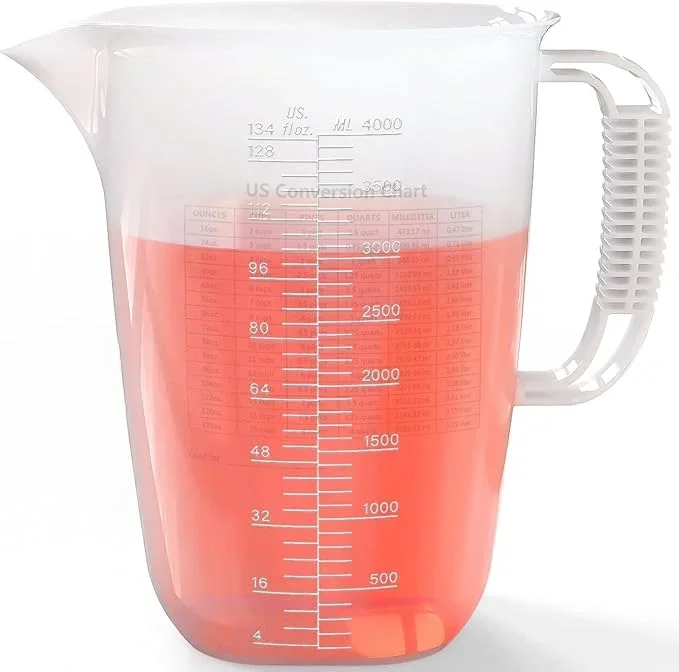
Knowing how many cups are in a gallon is one of the simplest yet most useful kitchen skills you can learn. A standard US gallon holds 16 cups, and understanding this conversion makes cooking, baking, and meal prep a breeze. Whether you are scaling a recipe up or tracking your daily water intake, this guide covers everything you need to know about gallon-to-cup conversions.
Have you ever been in the middle of a recipe and realized you have no idea how many cups are in a gallon? Maybe you are doubling a soup recipe or trying to figure out how much water to drink each day. Whatever the reason, understanding this basic conversion is incredibly useful. This guide walks you through everything you need to know about the relationship between cups and gallons. We will cover the math, the chart, and plenty of real-world examples to make it stick.
The answer might surprise you. A single US gallon contains 16 cups. That is a lot of coffee, water, or milk. But the story does not stop there. There are also quarts, pints, and fluid ounces to consider. Once you understand how all these units connect, measuring liquids becomes second nature. Let us dive into the details.
Key Takeaways
- 16 cups equal 1 gallon: This is the standard US customary conversion you need to remember.
- Conversions are easy with a chart: We provide a full breakdown from gallons down to fluid ounces.
- Practical applications are everywhere: From baking to hydration tracking, this conversion comes up daily.
- Common mistakes are easy to avoid: Using the wrong measurement system or confusing dry vs liquid cups trips up many people.
- Quick tips save time: Simple mental math tricks make on-the-fly conversions effortless.
📑 Table of Contents
What Exactly Is a Gallon?
A gallon is a unit of liquid measurement used in the United States and a few other countries. It is part of the US customary system, which means it is not metric. In everyday life, you will encounter gallons when buying milk, juice, or large beverage containers. The US liquid gallon is the most common version you will see in recipes and at the grocery store.
Here is something interesting. The word “gallon” has roots in ancient Rome and medieval France. Over centuries, the size of a gallon changed many times. Today, the US standardized it to a specific volume. Understanding this history helps you appreciate why conversions exist in the first place. Different countries use different systems, which is why knowing your local standard matters so much.
US Gallon vs Imperial Gallon
Not all gallons are the same size. The US liquid gallon measures about 3.785 liters. The imperial gallon used in the United Kingdom is larger, at roughly 4.546 liters. This difference affects all related conversions, including how many cups fit inside. For this guide, we focus on the US liquid gallon since that is what you will encounter in most American kitchens and recipes.
If you ever come across a UK recipe that uses gallons, keep in mind that the numbers will be different. Always check which measurement system a recipe uses before you start pouring. This small step can save a lot of frustration and wasted ingredients.
How Many Cups Are in a Gallon?
The core answer is simple. There are 16 cups in one US liquid gallon. This is the conversion factor that ties everything together. Once you know this number, you can quickly figure out any related measurement. Whether you need half a gallon or a quarter gallon, the math is straightforward.
Here is a quick breakdown to help you visualize this:
- 1 gallon = 16 cups
- 1/2 gallon = 8 cups
- 1/4 gallon = 4 cups
- 1/8 gallon = 2 cups
These numbers come in handy all the time. Say you are making a big batch of iced tea for a party. The recipe calls for 1 gallon, but your measuring cup only shows cups. Now you know you need exactly 16 cups. Easy, right?
Understanding this conversion also helps with daily hydration. Many health experts recommend drinking a certain number of cups of water per day. If your goal is a gallon a day, you know that means 16 cups. That is a concrete, measurable target you can track throughout the day.
How This Connects to Other Measurements
The gallon-to-cup conversion does not exist in isolation. It connects to several other common units. A gallon equals 4 quarts, and each quart equals 2 pints. Each pint equals 2 cups. So the chain goes: gallon to quart to pint to cup. Once you understand this chain, you can convert between any of these units on the fly.
For example, if a recipe calls for 2 quarts of broth, you know that is 8 cups. If you need 3 pints of cream, that is 6 cups. The relationships are consistent and predictable. This is what makes the US customary system logical once you learn the basic building blocks.
The Full Conversion Chart
A visual chart makes this conversion much easier to remember. Here is a complete breakdown of the US liquid measurement system from gallons down to fluid ounces.
Gallon to Cup Conversion Chart
- 1 gallon = 16 cups
- 1 gallon = 8 pints
- 1 gallon = 4 quarts
- 1 gallon = 128 fluid ounces
- 1 cup = 8 fluid ounces
- 1 pint = 2 cups
- 1 quart = 4 cups
Keep this chart somewhere visible in your kitchen. A quick glance at the fridge door or a note taped inside a cabinet can save you from guessing. Over time, these numbers become automatic. You will start thinking in cups and gallons without even reaching for a chart.
Many people print this out and laminate it. Others save a photo on their phone. Whatever works for you, having the reference close at hand makes cooking and baking smoother. It also helps when you are adjusting recipes for different serving sizes.
Metric Equivalents for Reference
If you are more comfortable with the metric system, here are the equivalents. One US gallon equals approximately 3.785 liters. One metric cup (250 mL) fits about 15.1 times into a gallon. However, the standard US cup is 236.6 mL, which gives you the clean number of 16 cups per gallon. Most American recipes use the US cup, so stick with that for baking and cooking.
Why Knowing This Conversion Matters
You might wonder why you need to memorize how many cups are in a gallon. The truth is, this knowledge comes up more often than you think. It is not just about cooking. It affects hydration, meal prep, shopping, and even fitness tracking.
Cooking and Baking Precision
Baking is a science. The ratio of liquid to dry ingredients matters. If a recipe calls for 1 gallon of water and you only have a cup measure, you need to know that is 16 cups. Getting this wrong can ruin a cake or throw off a bread dough. Precision in the kitchen starts with understanding basic conversions like this one.
Scaling recipes is another common scenario. If a recipe serves 4 people and you need to serve 16, you multiply everything by 4. If the liquid ingredient is 2 cups, you now need 8 cups. Knowing your gallon conversions makes scaling feel effortless instead of stressful.
Daily Hydration Tracking
Health experts often recommend drinking a specific number of cups of water each day. Some suggest 8 cups. Others recommend up to a gallon for active individuals. If your target is a gallon, knowing that equals 16 cups gives you a clear daily goal. You can fill a large jug in the morning and track your progress throughout the day.
For those who track fitness and calorie burn, hydration plays a big role. If you are doing intense stationary bike sessions or logging high-intensity jump rope workouts, your water needs increase. Having a gallon jug nearby helps you stay on track with fluid intake during demanding exercise routines. Proper hydration supports performance, recovery, and overall well-being.
Shopping and Meal Prep
When you buy a gallon jug of orange juice, you know it contains 16 servings if each serving is 1 cup. This helps you plan meals and snacks for the week. Meal preppers love knowing these numbers because it makes portion control simple and accurate.
Similarly, when you are comparing prices at the store, understanding volume helps. A half-gallon of milk is 8 cups. Is it a better deal than buying two separate quart cartons? Now you can compare with confidence.
Quick Tips for Measuring Liquids Accurately
Conversions are only useful if your measuring technique is solid. Here are some practical tips to ensure accuracy every time you measure liquids.
Use the Right Tools
Always use liquid measuring cups for liquids. These cups are designed to be see-through and have a spout for pouring. Dry measuring cups work differently and are not accurate for liquids. Using the wrong tool leads to imprecise results every time.
For larger volumes like a gallon, use a gallon-sized pitcher or jug with measurement markings. Many kitchen supply stores sell these. They make pouring and tracking much easier than trying to fill a tiny cup 16 times.
Read at Eye Level
When measuring any liquid, place the cup on a flat surface and bend down to read the measurement at eye level. Looking from above or below creates a parallax error. This small mistake can add up, especially in baking where precision matters most.
Measure at Room Temperature
Liquid volume changes slightly with temperature. Hot water expands and cold water contracts. For the most accurate measurements, use liquids at room temperature. This is especially important in baking, where even small variations can affect the final product.
Practice the Mental Math
Once you know that 1 gallon equals 16 cups, you can do quick mental math. Need half a gallon? That is 8 cups. Need a quarter? That is 4 cups. Divide 16 by any fraction and you have your answer. Practicing this a few times makes it automatic.
Many people find it helpful to tie this to something familiar. For example, a standard water bottle holds about 2 cups. So a gallon is the same as 8 standard water bottles. This visual makes the number feel more real and easier to remember.
Common Mistakes When Converting Gallons to Cups
Even simple conversions can trip people up. Here are the most common mistakes and how to avoid them.
Confusing Liquid and Dry Measurements
A liquid cup and a dry cup are the same volume, but the way you measure them differs. Scooping flour with a liquid measuring cup leads to inaccurate amounts. Always use the right type of cup for the right ingredient. This is one of the most frequent errors home cooks make.
Using the Wrong Measurement System
As mentioned earlier, US gallons and imperial gallons are different sizes. If you are following a British recipe that uses gallons, the conversion to cups will be different. Always check which system the recipe uses. When in doubt, convert to metric for consistency.
Forgetting the Factor of 16
The most common mistake is simply forgetting that a gallon has 16 cups. People often guess 12 or 20. Writing this number down in your kitchen or setting a phone reminder helps reinforce it until it becomes second nature.
Not Adjusting for Recipe Scaling
When you double or halve a recipe, it is easy to make arithmetic errors with gallons and cups. Write down your conversion steps instead of trying to do them in your head. A small mistake in scaling can throw off the entire dish.
Expert Insights on Liquid Measurement
Professional chefs and bakers agree that mastering basic conversions is foundational. Chef Thomas Keller once said that precision in the kitchen starts with understanding your measurements. Whether you are a home cook or a serious baker, knowing how many cups are in a gallon gives you confidence and consistency.
Nutritionists also emphasize the importance of accurate water intake tracking. Drinking enough water supports digestion, energy levels, and skin health. Using a gallon jug marked with cup measurements is one of the simplest ways to stay on target. Many fitness enthusiasts pair this habit with their recumbent bike workouts or other exercise routines to maximize results.
The beauty of this conversion is that it applies to so many areas of life. From the kitchen to the gym, from meal prep to hydration, the gallon-to-cup relationship is a fundamental building block of everyday math. Once you internalize it, you will wonder how you ever managed without it.
Conclusion
So, how many cups are in a gallon? The answer is 16, and now you know exactly why. We covered the full conversion chart, practical applications, common mistakes, and expert tips. This knowledge is more useful than most people realize. It helps in the kitchen, at the grocery store, during workouts, and in daily hydration tracking.
The next time you see a gallon jug in the store, you will know exactly what it holds. The next time a recipe calls for a specific number of gallons, you can convert it to cups in seconds. This simple piece of knowledge is a small investment with big returns.
Start using these conversions today. Print the chart, practice the mental math, and watch how much easier cooking, baking, and meal planning become. Knowledge like this is a quiet superpower that makes everyday life a little bit simpler.
Frequently Asked Questions
How many cups are in a half gallon?
A half gallon contains 8 cups. Since 1 full gallon equals 16 cups, you simply divide 16 by 2 to get 8 cups. This is a handy number to remember for smaller batch recipes and daily water intake goals.
Is a gallon the same in the UK as it is in the US?
No, the imperial gallon used in the UK is larger than the US liquid gallon. The US gallon is about 3.785 liters, while the imperial gallon is approximately 4.546 liters. Always check which system a recipe uses before converting.
Can I use a dry measuring cup for liquids?
It is not recommended. Dry measuring cups are designed to be filled and leveled off, which does not work well with liquids. Liquid measuring cups have a spout and clear markings that make pouring and reading accurate volumes much easier.
How many fluid ounces are in a gallon?
There are 128 fluid ounces in 1 US gallon. Since each cup equals 8 fluid ounces, you can multiply 16 cups by 8 to get 128 fluid ounces. This is useful when a recipe or hydration plan uses fluid ounce measurements.
What is the easiest way to remember that 1 gallon equals 16 cups?
Think of it as 4 quarts in a gallon, with 4 cups in each quart. Four times four equals 16. This simple multiplication trick makes the conversion easy to recall without needing to look anything up.
Does the weight of a liquid affect how many cups are in a gallon?
The volume stays the same regardless of the liquid’s weight. A gallon of water and a gallon of oil both equal 16 cups. However, the weight of each liquid differs, which matters for nutrition tracking and recipe accuracy but not for volume measurements.