The ideal time to ride a stationary bike for weight loss isn’t a one-size-fits-all number—it’s about consistency, intensity, and combination. For most people, starting with 30-minute sessions, 3-5 times a week, is a sustainable and effective baseline. However, maximizing results requires blending steady-state rides with High-Intensity Interval Training (HIIT), pairing your efforts with strength training, and, most critically, supporting your efforts with proper nutrition. Listening to your body and progressively challenging yourself is more important than chasing an arbitrary time goal.
So, you’ve invested in a stationary bike, committed to your home gym, and you’re ready to make a change. The big question swirling in your mind is likely: “How long do I actually need to ride this thing to see the scale move?” It’s the most common question we hear, and the honest answer is wonderfully frustrating: it depends. But don’t worry, that “depends” isn’t a cop-out. It’s a gateway to building a smarter, more effective, and sustainable weight loss plan tailored specifically to you. This guide will move beyond vague advice and give you the science, the strategies, and the specific time-based frameworks to transform your stationary bike into a powerful fat-burning tool.
Key Takeaways
- Start with 150 minutes per week: The CDC and ACSM recommend a minimum of 150 minutes of moderate-intensity cardio weekly for health and weight management, which is an excellent starting point.
- Intensity trumps pure duration: A vigorous 30-minute HIIT session can be more effective for fat loss and metabolic boost than a slow 60-minute steady-state ride.
- Consistency is the ultimate key: Riding for 20 minutes every day is far better for sustainable weight loss than a single 2-hour session once a week.
- Nutrition is non-negotiable: You cannot out-exercise a poor diet. Weight loss is fundamentally driven by a caloric deficit, which exercise supports but does not replace.
- Combine cardio with strength: Adding 2 days of full-body resistance training builds muscle, which increases your resting metabolic rate and improves body composition.
- Progressively overload: To keep losing weight, you must gradually increase the challenge—by adding time, intensity, or resistance—as your fitness improves.
- Recovery is part of the plan: Schedule rest days and prioritize sleep. Overtraining leads to burnout, injury, and hormonal imbalances that can stall weight loss.
📑 Table of Contents
- The Science of Weight Loss on a Bike: It’s All About the Calorie Deficit
- Finding Your Optimal Duration: The Starting Point & Beyond
- The Power of Intensity: Steady-State vs. HIIT
- Creating Your Weekly Weight Loss Blueprint
- Maximizing Results: It’s More Than Just Pedaling
- Common Mistakes That Sabotage Your Stationary Bike Weight Loss
- How Long Until You See Results? Setting Realistic Expectations
The Science of Weight Loss on a Bike: It’s All About the Calorie Deficit
Before we dive into minutes and miles, we need a foundational truth. Weight loss occurs when you consume fewer calories than you burn—a state called a caloric deficit. The stationary bike is your weapon for increasing the “burn” side of that equation. The number of calories you torch during a ride depends on three primary factors: your current weight, the intensity of your effort, and the duration of the ride.
Weight, Intensity, and Time: The Caloric Triad
A 150-pound person cycling at a moderate pace might burn 250-300 calories in 30 minutes. A 200-pound person on the same bike, same pace, will burn significantly more—closer to 350-400 in that same 30 minutes because it takes more energy to move a larger body. Intensity is the next lever. A leisurely pedal while scrolling social media is “light” activity. A sweat-inducing, breathless ride is “vigorous.” The same 30 minutes at a vigorous pace can double the calorie burn of a light one. This is why the “how long” question is intrinsically linked to the “how hard” question.
Finding Your Optimal Duration: The Starting Point & Beyond
Now for the practical numbers. Think of your journey in phases. Rushing into an hour-long, high-intensity ride on day one is a recipe for soreness, dread, and ultimately, quitting. We build habits first, then intensity.
Visual guide about How Long to Ride Stationary Bike for Weight Loss
Image source: media.self.com
Phase 1: The Foundation (Weeks 1-4)
Your sole goal here is to build the non-negotiable habit of getting on the bike regularly. Aim for 20-30 minutes per session, 3-4 times per week. This is the CDC’s recommended minimum for substantial health benefits. The intensity should be “moderate”—you should be able to talk in short sentences but not sing. This builds your aerobic engine, conditions your joints, and creates a routine. Don’t worry about speed or power zones. Just show up and move consistently. This phase is about proving to yourself you can do this, week after week.
Phase 2: Building Endurance & Consistency (Weeks 5-12)
Once the habit is solid, it’s time to extend your time and slightly increase your weekly frequency. Progress towards 30-45 minute sessions, 4-5 times per week. This begins to approach the 150-225 minutes per week range that is often cited for significant weight loss. You can structure this as 3 days of steady-state (the 30-45 min moderate rides) and 1-2 days of a shorter, more focused workout (like a 20-minute HIIT session, which we’ll cover next). The key is total weekly time under tension.
Phase 3: Optimization & Plateaus (3+ Months)
Your body is incredibly adaptive. The 45-minute ride that shredded calories in month 2 will become easier in month 4. To continue losing weight, you must provide a new stimulus. This is where you might extend one of your weekly rides to 50-60 minutes, or more effectively, you begin to prioritize intensity. For most time-crunched individuals, adding 1-2 High-Intensity Interval Training (HIIT) sessions per week is the golden ticket. A 25-30 minute HIIT session can provide equal or greater caloric burn and a powerful “afterburn” effect (Excess Post-exercise Oxygen Consumption, or EPOC) where your body continues to burn calories at an elevated rate for hours after you’ve cooled down.
The Power of Intensity: Steady-State vs. HIIT
This is the most critical distinction for your weight loss success on a stationary bike. Both have a place, but they serve different purposes.

Visual guide about How Long to Ride Stationary Bike for Weight Loss
Image source: angrylionfitness.com
Steady-State Cardio: The Fat-Burning Workhorse
This is your classic, consistent-pace ride. You set a comfortable resistance and maintain a cadence (pedal speed) that keeps your heart rate in a moderate zone (usually 60-70% of your max heart rate). Benefits: It’s accessible, burns a high percentage of calories from fat during the session, builds excellent aerobic endurance, and is less stressful on the nervous system. It’s perfect for active recovery days or your longer weekly ride. Best For: Beginners, longer weekend sessions, and as a base-building tool.
High-Intensity Interval Training (HIIT): The Metabolic Booster
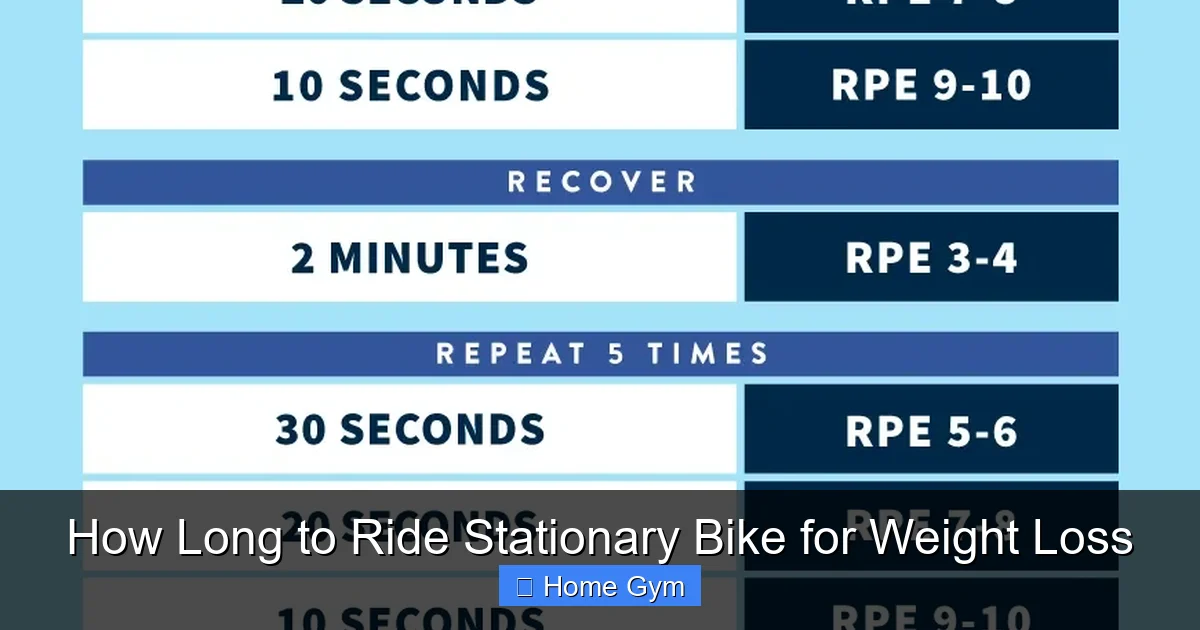
HIIT alternates short bursts of all-out effort with periods of low-intensity recovery or rest. A classic example on the bike: Warm-up 5 min. Then: 30 seconds of sprinting as hard as you can, followed by 90 seconds of very easy pedaling. Repeat this cycle 8-10 times. Cool-down 5 min. Total time: ~20-25 minutes. Benefits: It elicits a massive EPOC effect, meaning you keep burning calories for up to 24 hours post-workout. It’s incredibly time-efficient. It improves insulin sensitivity and cardiovascular health rapidly. Best For: Those with limited time, breaking through plateaus, and boosting metabolic rate. Caution: HIIT is demanding. Limit it to 2-3 times per week max, with at least one full day of rest or light activity between sessions.
Creating Your Weekly Weight Loss Blueprint
Let’s synthesize this into a sample weekly schedule. This is a template—adjust based on your fitness level and schedule.

Visual guide about How Long to Ride Stationary Bike for Weight Loss
Image source: physiqz.com
Sample Schedule: The Balanced Approach
- Monday: 30-45 minute Moderate Steady-State Ride (focus on consistent pace)
- Tuesday: 25-minute HIIT Workout (as described above)
- Wednesday: Rest or Active Recovery (light walk, stretching). Crucial for muscle repair.
- Thursday: 30-45 minute Moderate Steady-State Ride. Add a 5-minute “climb” interval in the middle (increase resistance, slow cadence).
- Friday: 25-minute HIIT Workout (try a different interval structure: 45 sec on, 75 sec off).
- Saturday: 45-60 minute Long, Steady-Endurance Ride (your “fun” ride—put on a show, enjoy the journey).
- Sunday: Complete Rest.
Total Weekly Time: ~175-225 minutes. This schedule prioritizes consistency, blends intensity types, and honors recovery. Remember, this is a goal to work towards. If you can only do 3 days a week initially, that’s a fantastic start! Do Monday (steady), Wednesday (HIIT), and Saturday (long ride).
Maximizing Results: It’s More Than Just Pedaling
Riding the bike is the engine, but you need the entire vehicle to move. Neglecting these other pillars will severely limit your weight loss potential.
The Unavoidable Role of Nutrition
Let’s be blunt: you could ride your bike for an hour every single day and still not lose weight if your diet is poor. A single large latte and a pastry can easily equal or exceed the 300-500 calories you burned in that ride. You do not need to diet aggressively, but you must be mindful. Focus on protein (helps preserve muscle in a deficit), fiber (keeps you full), and whole foods. Track your intake loosely for a week using an app to understand your true calorie consumption. The goal is a modest, sustainable deficit of 300-500 calories per day from your food intake, which your bike workouts will then augment.
Don’t Forget Strength Training
This is the secret weapon for transforming your body composition, not just your weight. Muscle is metabolically active tissue. The more muscle you have, the more calories you burn at rest. If you only do cardio, you risk losing both fat and precious muscle, leading to a “skinny fat” physique and a slower metabolism. Add just 2 days per week of full-body strength training. This can be bodyweight exercises (squats, push-ups, lunges, planks) at home, or using resistance bands/dumbbells. This builds and protects your muscle mass, ensuring the weight you lose is primarily fat.
Sleep and Stress: The Hidden Factors
Chronic stress and poor sleep wreck havoc on weight loss hormones like cortisol and insulin. High cortisol promotes belly fat storage and increases cravings. Lack of sleep disrupts hunger hormones (ghrelin and leptin), making you hungrier and less satisfied. Prioritize 7-9 hours of quality sleep and find stress-management techniques (meditation, deep breathing, hobbies). Your bike workout is a great stress reliever, but it can’t compensate for a chronically dysregulated nervous system.
Common Mistakes That Sabotage Your Stationary Bike Weight Loss
Armed with a plan, avoid these pitfalls that trip up so many beginners.
Mistake 1: The “I’ll Just Ride Longer” Fallacy
When weight loss stalls, the first instinct is to add another 15 minutes to every ride. This often leads to burnout, overuse injuries (knees, hips), and excessive hunger that derails diet. Instead, first reassess your diet. Then, introduce intensity (HIIT) or a new strength move. Your body adapts to volume quickly; it’s harder to adapt to varied intensity.
Mistake 2: Ignoring Resistance
Pedaling at a low resistance with a high cadence is easy but inefficient for building strength and burning major calories. It’s like walking on a flat treadmill. To maximize calorie burn and build leg strength, you need to add resistance. You should feel like you’re “pushing” the pedals, not just spinning them. This builds power and engages more muscle fibers.
Mistake 3: Not Fueling Properly for Workouts
Riding in a fasted state can work for some, but for many, it leads to low energy, poor performance, and extreme hunger afterward, causing overeating. Experiment with a small, easily digestible carb+protein snack 30-60 minutes before a longer or HIIT session (e.g., a banana with a spoon of peanut butter, or a small yogurt). This fuels your performance and can help control appetite post-ride.
Mistake 4: Only Focusing on the Scale
The scale is a liar. It does not differentiate between fat, muscle, and water. When you start riding and eating better, you might lose fat but gain a little muscle, especially with added strength training. The scale might not move, or even go up slightly, while your clothes fit better and you look leaner. Use additional metrics: take monthly progress photos, measure your waist circumference with a tape measure, and notice how your clothes fit. These are far better indicators of body composition change than the number on the scale.
How Long Until You See Results? Setting Realistic Expectations
Patience is a weight loss virtue. Safe, sustainable fat loss is typically 0.5 to 2 pounds per week. If you’re creating a solid 500-calorie daily deficit (250 from diet, 250 from exercise), you can expect to lose about 1 pound per week. Don’t expect dramatic changes in the first 2-3 weeks. Your body is adjusting, water weight fluctuates, and you’re building the habit. The real, noticeable changes in how you feel and how your clothes fit often become apparent between weeks 4 and 8 of consistent effort. Trust the process. The goal isn’t a quick fix; it’s a permanent lifestyle shift where riding your bike becomes as normal as brushing your teeth.
Conclusion: The question “how long to ride a stationary bike for weight loss” ultimately has a personal answer. Start with the actionable baseline of 30 minutes, 3-5 times a week. Master consistency. Then, intelligently introduce intensity through HIIT and resistance. But understand this: the bike is your powerful tool, not your only tool. Your success will be determined in the kitchen, in your strength training routine, and in your commitment to recovery. By viewing your stationary bike as one vital component of a holistic health system—and not a magic time machine—you will build the fitness and the physique that lasts. Now, go hop on and ride for today. That’s the only ride that matters.
Frequently Asked Questions
Can I ride the stationary bike every day for weight loss?
While daily light to moderate movement is great, riding with weight-loss-focused intensity (high resistance or HIIT) every day is not recommended. Your muscles need 48 hours to recover and rebuild, especially after intense sessions. Aim for 3-5 days of structured riding, with 1-2 days being very light active recovery or complete rest to prevent burnout and injury.
How long before I see weight loss results from cycling?
With a consistent routine (3-5 days/week) combined with a modest caloric deficit, you can expect to see initial changes in how your clothes fit and energy levels within 2-4 weeks. Noticeable scale movement of 1-2 pounds per week typically becomes evident after the first month, provided nutrition is aligned. Patience and consistency are key.
Is a 30-minute HIIT session better than a 60-minute steady ride?
For pure time efficiency and metabolic boost (the afterburn effect), yes, a well-structured 30-minute HIIT session is often more effective for fat loss than a slow 60-minute steady-state ride. However, steady-state rides build crucial aerobic endurance and can burn a high absolute number of calories during the session itself. The best strategy is to incorporate both types into your weekly plan.
Should I eat before or after a stationary bike workout for weight loss?
For rides under 45 minutes at a moderate pace, you likely don’t need a specific pre-workout snack if you’re not hungry. For longer rides (45+ min) or HIIT sessions, a small, easily digestible snack with carbs and a little protein (e.g., a banana, a piece of toast) 30-60 minutes prior can improve performance and prevent extreme hunger afterward. Prioritize a protein-rich meal or snack within 1-2 hours post-ride to aid muscle recovery.
What heart rate zone should I be in for weight loss on the bike?
Target the “fat-burning zone” (typically 60-70% of your max heart rate) for steady-state rides, as your body utilizes a higher percentage of fat for fuel at this moderate intensity. For HIIT, you’ll spike into the “anaerobic zone” (80%+ of max HR) during intervals. Using a heart rate monitor is a great way to ensure you’re working at the intended intensity and not just guessing.
Can I lose weight by only using the stationary bike without changing my diet?
It’s possible, but very difficult and inefficient. Creating a significant caloric deficit through exercise alone requires a massive time commitment (often 60+ minutes daily at high intensity). You will likely experience increased hunger, which can lead to unintentional overeating. For sustainable and faster results, you must pair your stationary bike routine with mindful nutrition to create a manageable daily caloric deficit.